The Hidden Rulebook Behind Every No-Gi Rashguard You See in Competition
Search “best rashguard for BJJ and grappling” and you will land on a dozen lists ranking the same six brands by fabric weight and stitching quality. What almost none of those lists mention is that the rashguard sitting in your gear bag might be illegal to compete in, depending on which promotion’s mat you step onto next. ADCC, the PGF, Polaris, Quintet, and IBJJF no-gi divisions do not share a single uniform standard. Each one has quietly written its own rules about sleeve length, fit, printed graphics, and even how much skin can show at the wrist — and those rules change what “best” actually means for a competitor instead of a hobbyist. If you’re still shopping by fabric weight alone, our no-gi rashguard buying guide covers that half of the decision.
The Question Nobody Answers When You Search “Best Rashguard”
A rashguard review built around GSM fabric weight and antimicrobial treatment is useful for training, but it skips the part that actually matters on competition day: whether the shirt you paid for will pass a gear check. Referees at major grappling events check sleeve length, fit tightness, and graphic placement before a competitor is allowed to shake hands. A shirt that’s perfectly “best-in-class” for hot-mat training in a gym can get you sent back to the locker room at weigh-ins if it doesn’t match the promotion’s spec sheet. That distinction — training gear versus competition-legal gear — is the part most buying guides never bring up.

ADCC Runs the Standard Everyone Else Copies
The Abu Dhabi Combat Club submission wrestling championship is the closest thing no-gi grappling has to a governing body, and its equipment rules end up shaping what most gear brands manufacture in the first place. ADCC requires rashguards to be form-fitting rather than loose, on the logic that a baggy shirt gives an opponent extra fabric to grip in a sport that is explicitly supposed to remove grip-based control. Competitors have been asked to change shirts mat-side when officials judged a rashguard too loose around the torso, even when the brand itself is a well-known name in the sport.
Sleeve length and the no-exceptions rule
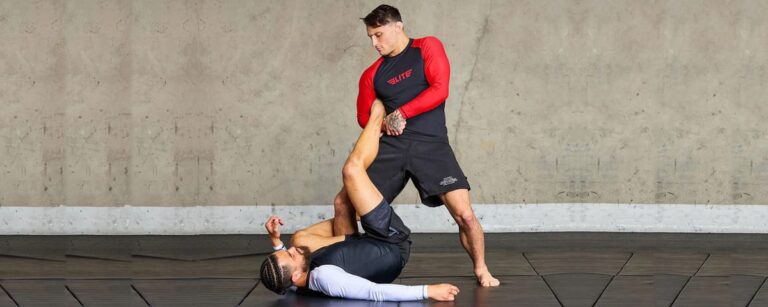
Sleeve length is where ADCC’s rulebook gets specific in a way most recreational grapplers never encounter. Short-sleeve and long-sleeve rashguards are both allowed, but three-quarter or “in-between” sleeve lengths that stop mid-forearm are frequently flagged, because they create an ambiguous grip point that isn’t clearly wrist or clearly bicep. If you’re buying a rashguard specifically to compete at an ADCC-sanctioned or ADCC-style event, the safest purchase is a shirt explicitly labeled short-sleeve or full-sleeve — not a hybrid cut, no matter how it fits in the mirror.
PGF’s Team Uniform Requirements Change the Calculus
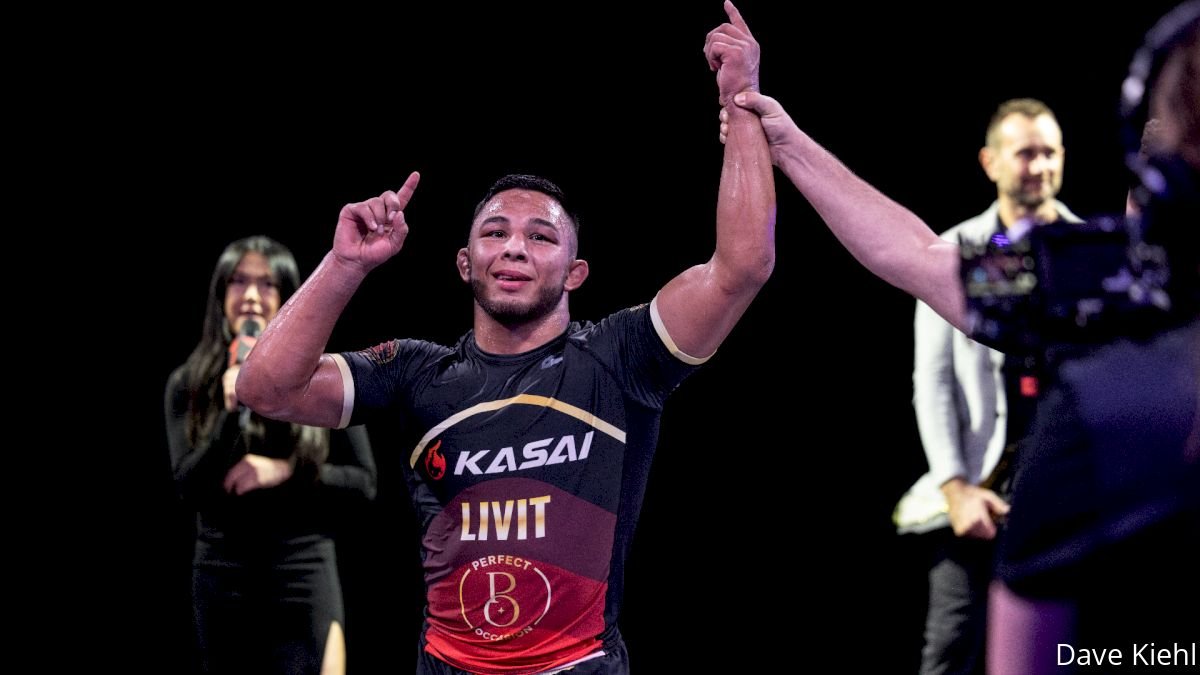
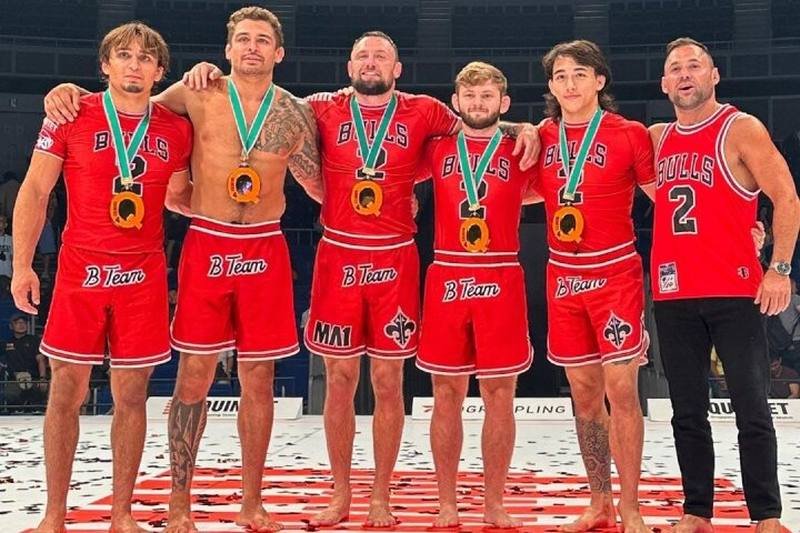
The Professional Grappling Federation runs on a franchise-team model, closer to professional wrestling’s team structure than an individual open tournament, and that changes what “best rashguard” means entirely. PGF athletes don’t show up in whatever gear their personal sponsor sent them — they compete in a team kit, with colors, logo placement, and often a specific cut mandated by the franchise itself. A competitor with a personal sponsorship deal for one rashguard brand may still be required to wear their team’s uniform rashguard during PGF matches, with sponsor logos limited to smaller patches rather than full-shirt branding. Our breakdown of what elite competitors actually wear at ADCC and PGF goes deeper on this split.
This matters for anyone shopping with a specific promotion in mind. A shirt marketed as “PGF-style” or “team grappling kit” on a retail site is a training or fan-wear product, not a guarantee of match-day compliance — actual PGF competitors are issued their gear through the franchise, not bought off a retail shelf.
Polaris, Quintet, and the Rise of Micro-Promotions With Their Own Rulebooks
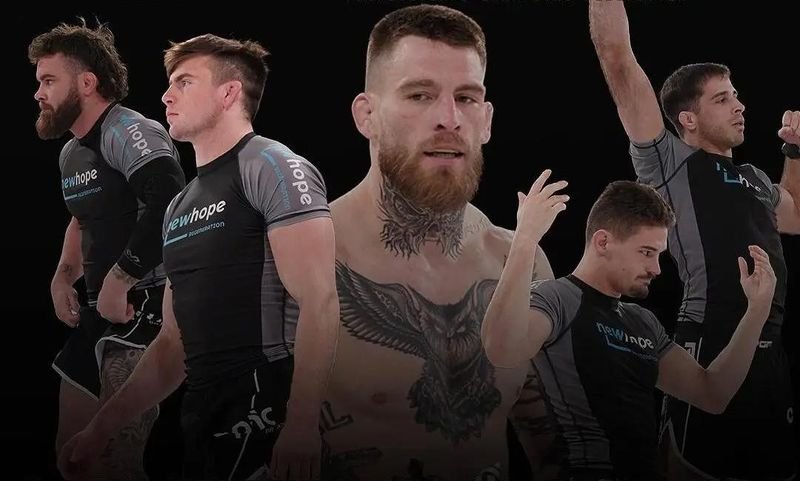
Polaris Grappling and Quintet built their reputations on super-fight and team-based formats respectively, and both have carved out equipment rules distinct from ADCC’s. Polaris has historically been more permissive about graphic prints and brand-heavy designs, since its invite-only super-fight format leans into personality and sponsorship visibility as part of the show. Quintet’s team format, similarly to PGF, often puts competitors in coordinated team colors rather than individual sponsor gear for at least part of a card.
The practical takeaway is that a rashguard bought for one promotion’s specific look — bold prints for a Polaris-style super-fight, understated team colors for a Quintet-style card — is a style choice tied to that event’s culture, not a universal competition requirement. Buying based on what looked good on a broadcast from one promotion doesn’t guarantee it clears gear check at another.
IBJJF No-Gi Divisions Are Stricter Than You Think
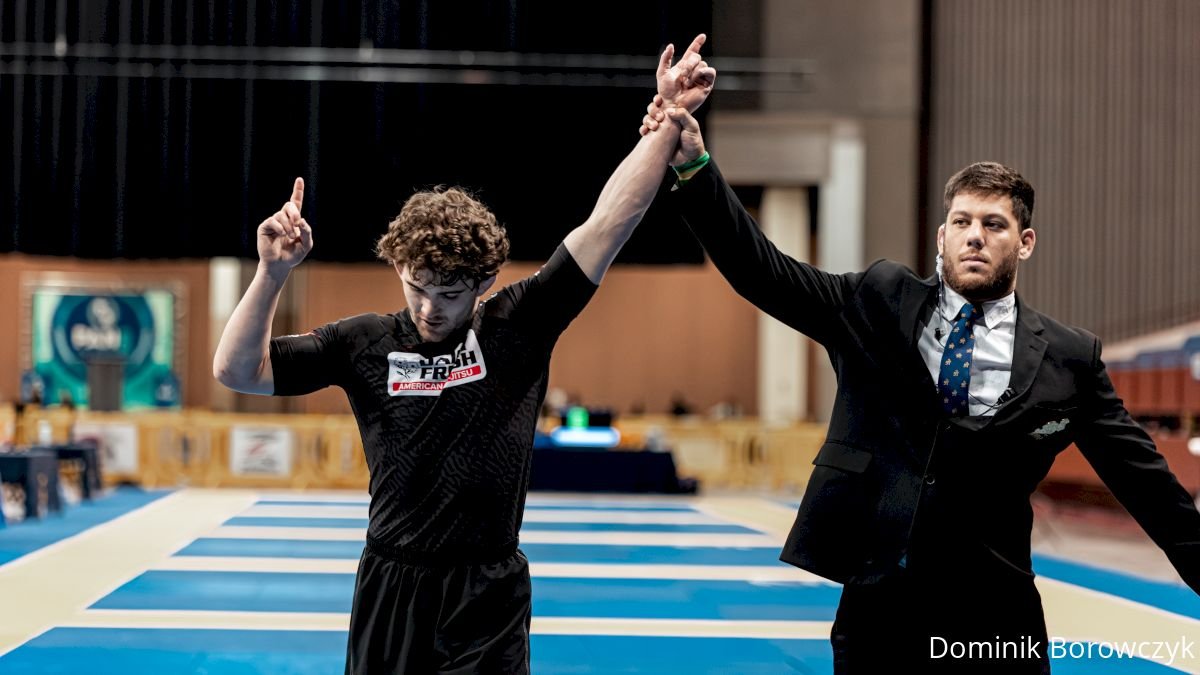
The International Brazilian Jiu-Jitsu Federation is best known for its gi rules, but its no-gi divisions carry an equally detailed rashguard spec that trips up more competitors than the gi rules do, precisely because people assume no-gi means fewer rules. IBJJF no-gi competitors must wear a rashguard underneath board shorts or grappling shorts, the rashguard must be tight-fitting, and graphic content is restricted from anything the federation considers offensive or unrelated to jiu-jitsu and sponsors. Officials at IBJJF no-gi events check this at the check-in table before a competitor is bracketed, not mat-side, which means a rules violation can cost you the tournament before you ever step on the mat.
What “Best” Actually Means Once You Know the Rules
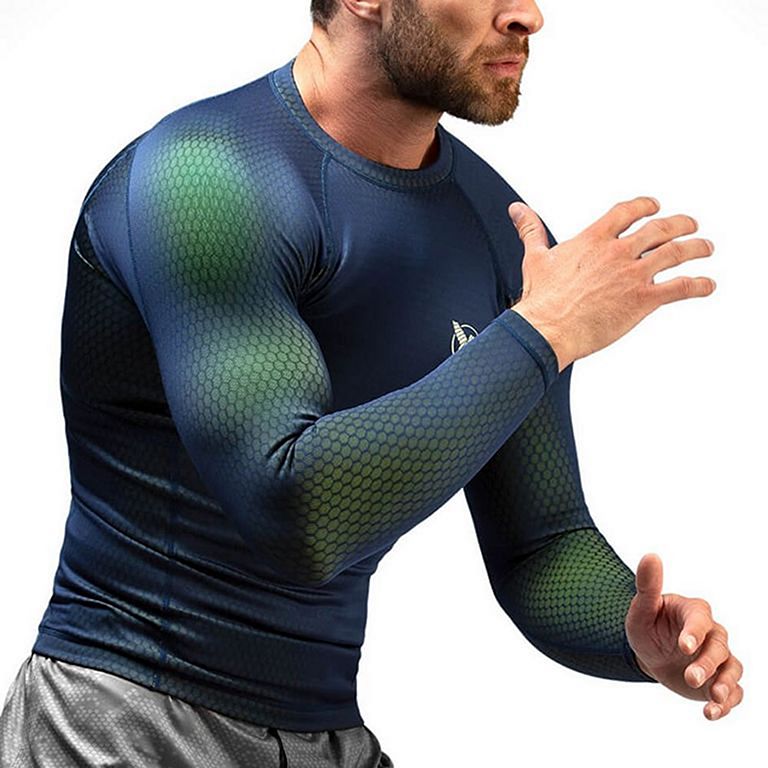
Once the rulebook differences are on the table, “best rashguard” stops being a single answer and becomes a question of what you’re buying it for. A training rashguard only has to survive sweat, washing, and mat friction, so fit and fabric weight can be a personal preference. A competition rashguard has to survive gear check first. The practical move for anyone stepping into competition for the first time is to buy short-sleeve, tight-fitting, single-layer rashguards without three-quarter sleeves or heavily oversized prints, since that cut clears the largest number of rulebooks across ADCC, IBJJF, and most independent promotions simultaneously.
This also changes how a competitor should shop across a season rather than for a single event. Someone who only ever competes at one local IBJJF tournament a year can buy one rashguard and forget the rulebook exists. Someone chasing invites to ADCC trials, a Polaris card, and a PGF tryout in the same twelve months is effectively shopping for three different uniforms wearing the same brand name, because each promotion’s officials are checking a different spec sheet at check-in. That’s a real cost most first-time competitors don’t budget for — not the price of the shirt, but the price of owning three or four shirts instead of one.
Checking Compliance Before You Buy
Every major promotion publishes its equipment rules publicly, and reading them before a purchase takes less time than returning a shirt that fails gear check. ADCC and IBJJF both post rulebooks on their official sites with dedicated apparel sections. If you’re buying for a specific event rather than general training, cross-reference the rashguard’s listed sleeve length and fit description against that promotion’s current rulebook rather than trusting a product page’s marketing copy, since retailers rarely update listings when a federation changes its standard mid-season.
- Confirm sleeve length matches the promotion’s stated categories (short vs. full, no hybrid cuts for ADCC)
- Check fit description for “compression” or “tight-fitting” language, not “relaxed” or “loose”
- Verify graphic placement rules if the shirt carries large branding or sponsor logos
- Confirm the rashguard is rated for the specific ruleset — training-cut shirts are not always competition-legal
The Sponsorship Patch Gray Area
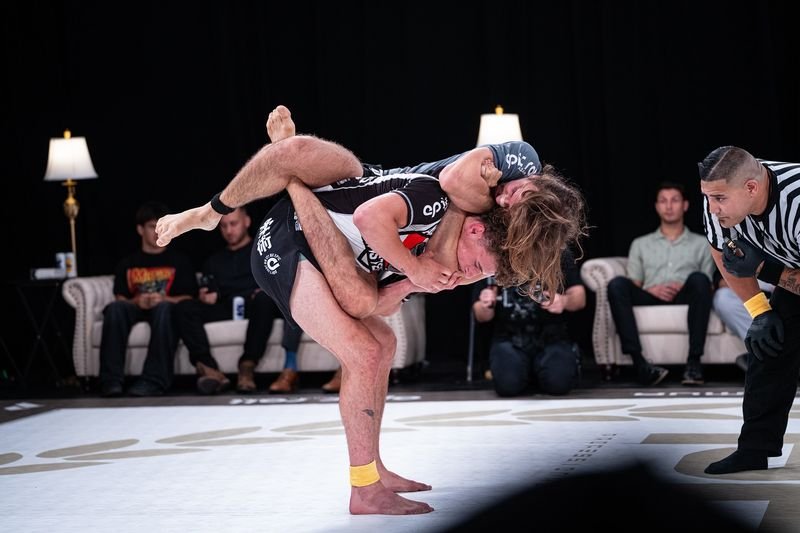
One area where rulebooks genuinely diverge is sponsor patch placement. Some promotions cap the number and size of sponsor logos allowed on a competition rashguard, treating the shirt closer to a motorsports uniform than a piece of athletic wear. Others leave it almost entirely open, since sponsor visibility during a broadcast is part of the promotion’s own revenue model. A competitor moving between promotions in the same season — a common path for athletes chasing invites across ADCC, Polaris, and independent super-fight cards — often ends up owning multiple near-identical rashguards that differ only in how much logo real estate they carry, purely to stay compliant event to event.
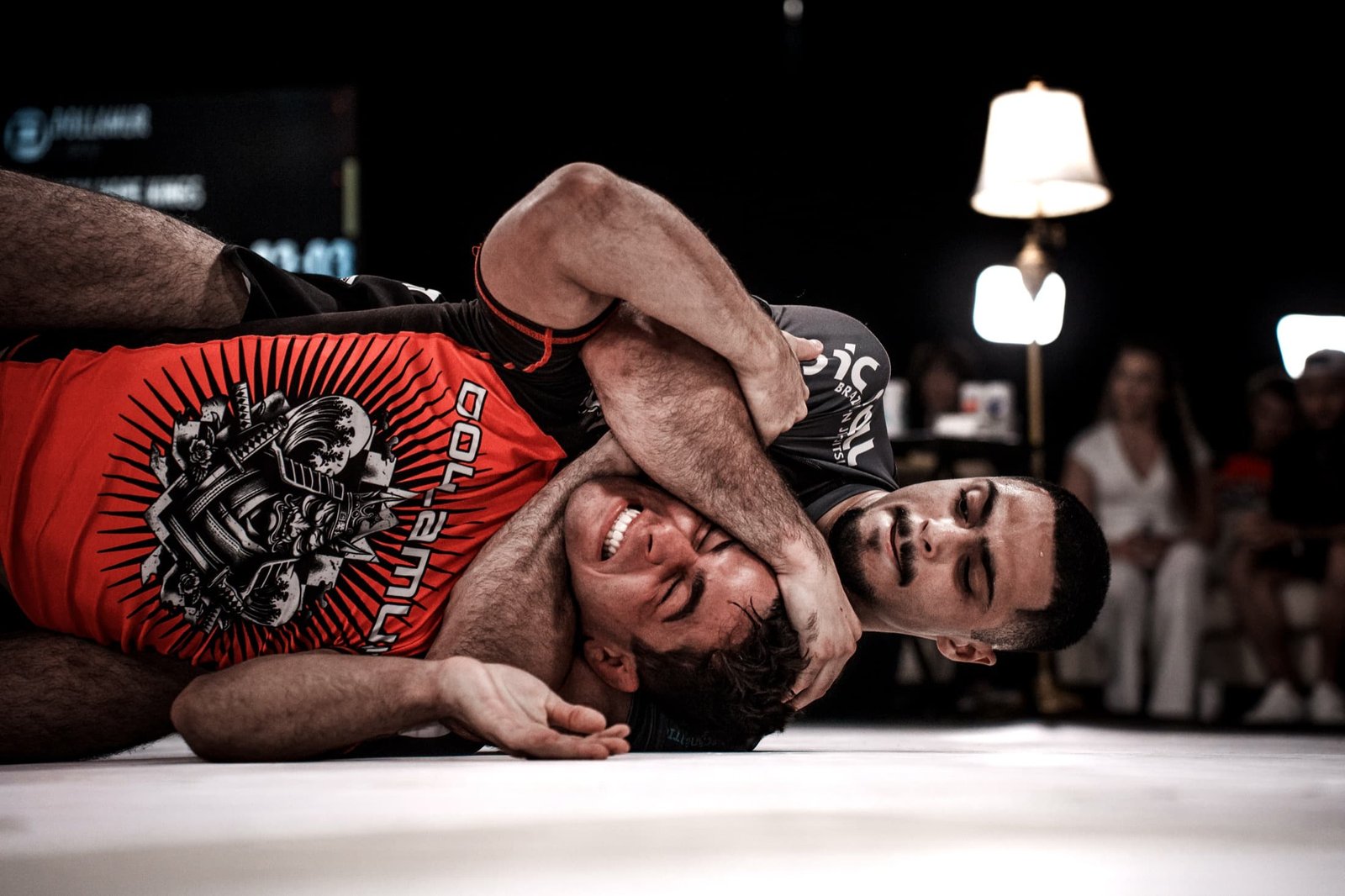
None of this means fabric quality doesn’t matter — a rashguard that stretches out after three washes or bunches up mid-scramble is still a bad purchase no matter how compliant it is, a point our breakdown of no-gi fabric science covers in more depth. But fabric and stitching are the easy half of the decision. The rulebook is the half that actually determines whether you’re allowed to compete in it, and it’s the half almost no buying guide bothers to check before hitting publish.
Sources
- ADCC official site — equipment and uniform rules
- IBJJF official site — no-gi division uniform requirements
- Polaris Grappling official site — event and competitor gear standards