The Hematoma Clock: Why the First 48 Hours Decide If You Get Cauliflower Ear
It doesn’t feel like much at first. A stray forearm catches the side of your head during a scramble, or your training partner’s knee grazes your ear as you’re fighting to pass. You keep rolling. Twenty minutes later, in the shower or on the drive home, you notice it: a dull, thick soreness on the outer rim of your ear, maybe a little puffiness. That moment — the one you probably ignored — was the start of a biological clock. What happens in the next few hours determines whether your ear heals flat or hardens into the thick, folded cartilage every grappler recognizes on sight.
Most content about ear protection in no-gi grappling focuses on the gear itself — straps, shell design, when a guard fails. This is about the part nobody explains clearly: the actual physiological countdown that turns a bruised ear into permanent cauliflower ear, and why the window to stop it is much shorter than most grapplers assume.
What’s Actually Happening Under the Skin
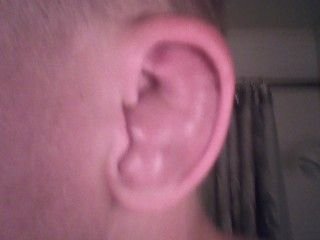
The outer ear, or pinna, is mostly cartilage wrapped tightly in a thin layer of skin called perichondrium. Unlike skin over muscle, which has a rich blood supply running directly beneath it, the perichondrium’s blood vessels sit right against the cartilage with almost no cushioning tissue between them. That’s the design flaw grapplers exploit every time they shoot a takedown or scramble for an underhook. A shearing blow — friction and pressure at the same time, not just a direct strike — tears those vessels away from the cartilage surface.
Blood pools in the space that opens up between the skin and the cartilage. That pool is the hematoma. On its own, blood pooling isn’t the injury that causes cauliflower ear — it’s what the pooled blood does next that matters. Cut off from its normal blood supply, the cartilage underneath starts to starve. Without nutrients, it can’t maintain its shape, and the body responds by laying down new, disorganized cartilage in the space where blood used to be. That new cartilage doesn’t grow back smooth. It grows back lumpy, calcified, and permanent.
The Clock Starts the Second Impact Lands
Here’s the part that surprises most grapplers: the deformity isn’t caused by the hit itself. It’s caused by how long the blood sits there unaddressed. Fresh blood in that pocket is still liquid and can be drained relatively easily in the first day or so. Left alone, it begins to clot within hours, and clotted blood is far harder to remove without surgical intervention. Left alone even longer — days rather than hours — the body starts replacing it with that disorganized new cartilage, and at that point the shape change is essentially locked in.
Why Speed Matters More Than Pressure
A lot of grapplers respond to a hot ear by icing it and pressing hard, assuming pressure alone will flatten the swelling. Pressure helps prevent more blood from accumulating, but it does nothing to remove blood that’s already pooled. If there’s already a visible bubble or thickening on the ear, ice and pressure are a stalling tactic, not a fix. The only thing that actually reverses the process at that stage is drainage — removing the pooled blood so the cartilage can reattach to its blood supply before it starts dying.
The Window Where Prevention Still Works
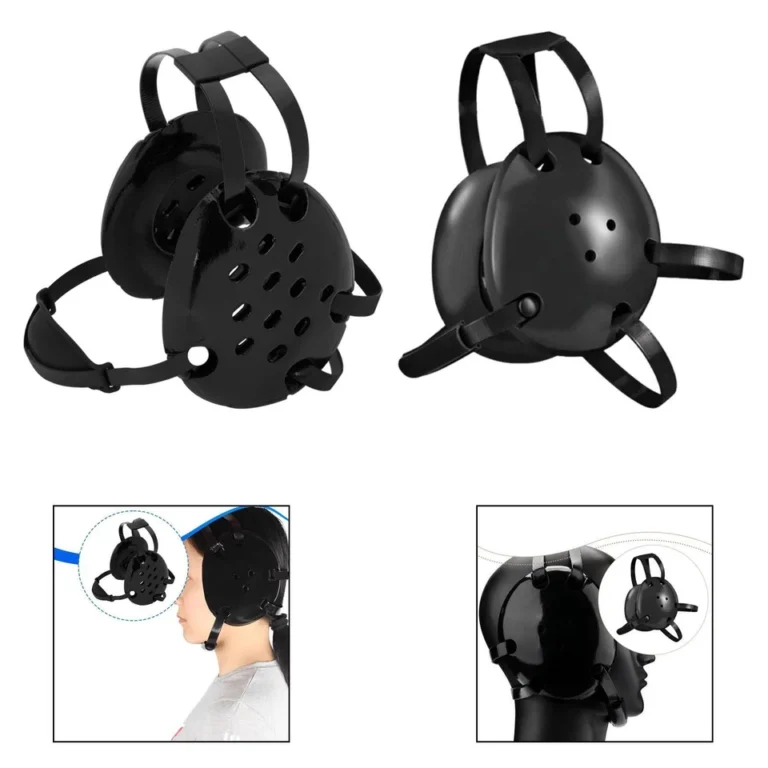
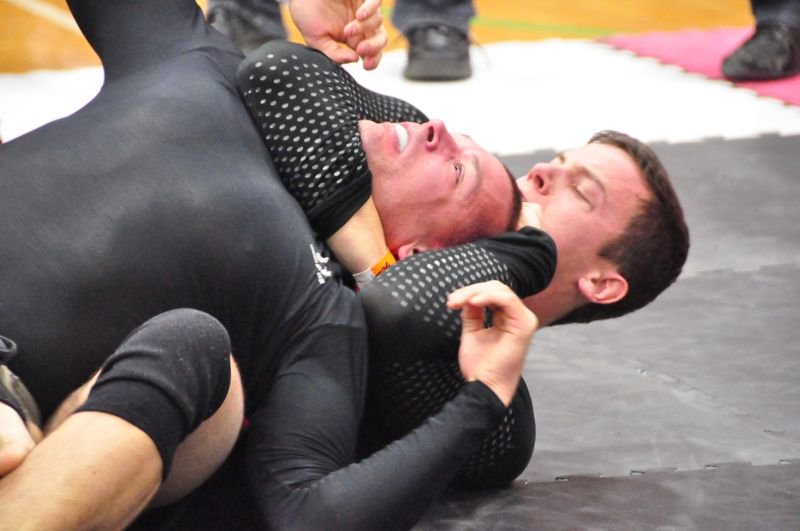
This is where ear guards actually earn their keep, and it’s a narrower job than most people think. A guard isn’t there to protect you from a single freak strike — open-hand slaps and elbows are rare in grappling compared to wrestling. Its real job is absorbing the thousands of small shearing events that happen every time your ear drags across a mat, a shoulder, or a forearm during scrambles. Individually, none of those moments would cause visible damage. Stacked across a hard training week, they’re exactly the repeated shearing that tears the perichondrium loose in the first place.
That means the guard’s value is almost entirely about consistency, not the one big roll where you remembered to strap it on. Grapplers who wear a guard occasionally, only on days they expect hard rounds, are missing the accumulation pattern. The ear that develops cauliflower rarely does so from one dramatic collision — it’s usually the result of a dozen small, unremarkable frictions that never got a chance to fully heal between sessions.
What Happens If You Wait
Plenty of high-level grapplers and wrestlers have walked around with visibly reshaped ears for decades, and some treat it as a mark of the sport rather than a problem to fix. That’s a legitimate personal choice once you understand what you’re choosing. But it’s worth being honest about the mechanism: once cartilage calcifies into its new shape, it does not reabsorb on its own. The lump doesn’t slowly flatten out over months of rest. Without a surgical procedure to shave down the reformed cartilage, the shape is permanent, and repeated future trauma to an already-damaged ear tends to compound the deformity rather than start fresh.
There’s also a functional cost that gets less attention than the cosmetic one. Enough scar tissue buildup inside the ear canal area can partially block airflow and, in some cases, contribute to hearing changes. It’s rarely severe, but it’s a real trade-off, not just an aesthetic one.
The Draining Decision: DIY vs a Clinician
Search any grappling forum and you’ll find instructions for draining a fresh ear hematoma with a sterilized needle at home. It’s done, and in a genuine emergency — no access to care and a hematoma still fresh within the first few hours — some coaches teach it. But it carries real risk: an unsterile needle introduces infection directly into cartilage, which has poor blood supply and therefore a poor ability to fight infection off. An infected ear hematoma is a significantly worse outcome than an untreated one, sometimes requiring more aggressive intervention than the original injury would have.
A clinician draining the same hematoma isn’t just performing the same task more cleanly — they can also apply a compression dressing afterward that keeps the space closed so blood doesn’t simply refill it, which is the most common reason at-home drainage fails and the ear swells right back up within a day. If you’re within the first 24 to 48 hours of a visible ear swelling, an urgent care visit is a small time cost against a permanent outcome.
A properly drained hematoma treated within that first day typically resolves in a week to ten days, the ear settling back to its normal contour while the compression dressing stays on. Wait past 48 hours and even a skilled drainage often can’t fully reverse the process — the cartilage has already started reshaping, so the best a late intervention can do is stop it from getting worse. That’s the real cost of putting it off: treatment doesn’t become impossible, it just stops being a fix and turns into damage control.
Why No-Gi Changes the Math Compared to Wrestling
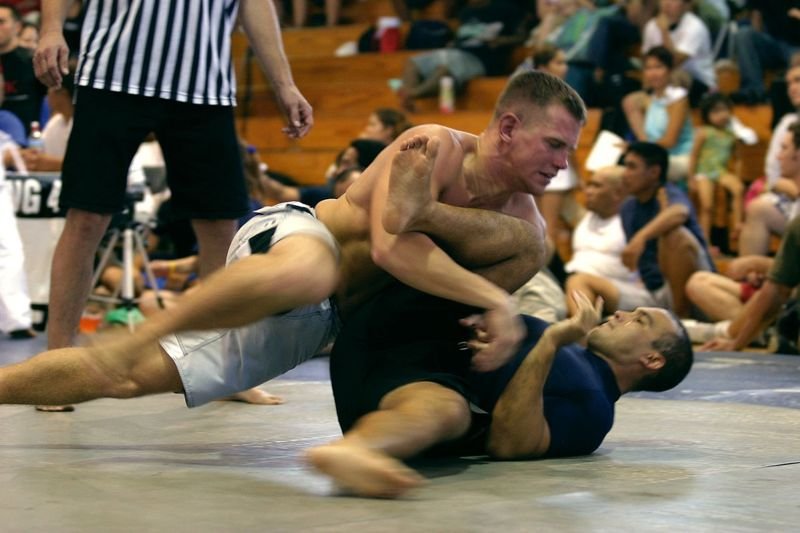
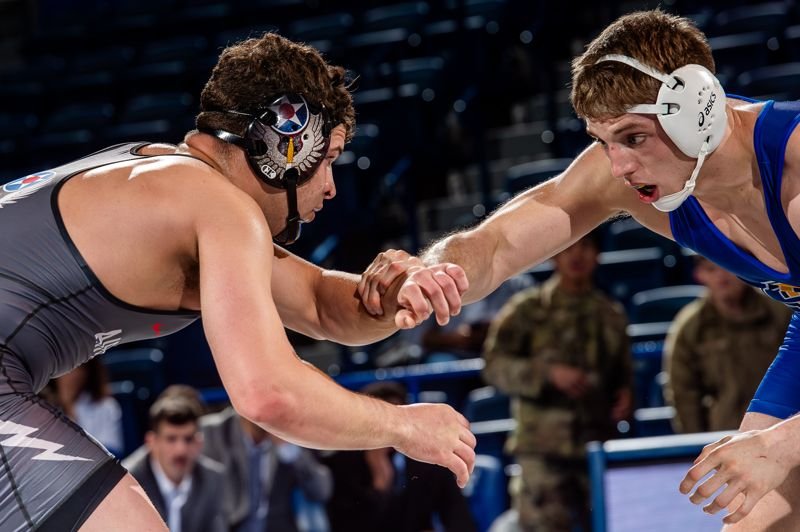
Wrestlers solved this problem decades ago with rigid, ear-enclosing headgear, and folkstyle and freestyle wrestling still mandate it in most competitive settings. No-gi grappling never adopted the same standard, partly because the sport grew out of gi jiu-jitsu, where headgear was never part of the culture, and partly because rigid wrestling headgear restricts peripheral vision and head mobility in ways that matter more in a sport built around guard passing and scrambling from bad positions. The result is a sport with wrestling-level ear contact and none of wrestling’s mandatory protection norm.
Modern no-gi ear guards exist as a compromise between those two worlds — lower profile than a full wrestling headgear cage, but still covering the rim where shearing damage actually happens. Understanding that trade-off matters when you’re picking gear: a guard designed to mimic full wrestling headgear will fight against no-gi’s faster, lower-position grappling style, while an undersized guard that only covers the earlobe misses the part of the ear that actually takes the repeated friction.
Building the Habit Before You Need It
The grapplers who avoid cauliflower ear long-term aren’t the ones who react fastest after a hard scramble — they’re the ones who never leave it to reaction in the first place. Once the swelling shows up, you’re already managing damage, weighing a needle against a clinic visit, racing a clock that started the moment the shearing happened. The entire decision tree above only exists because prevention didn’t happen earlier.
Treat the guard the same way you treat mouthguards or grip tape — gear that goes on before rolling starts, not gear you reach for after your ear already feels hot. The habit is boring precisely because it works quietly, in the background, across hundreds of small collisions you’ll never consciously notice. That’s the entire point.
Wipe the guard down after every session and let it air out before it goes back in the bag — sweat trapped against foam padding breeds the same bacteria that turns a small skin nick into a bigger problem, and a guard that smells has usually stopped protecting anything anyway. Replace it once the straps stretch out or the padding compresses flat, generally every six to twelve months of regular training, since a loose guard shifts during scrambles instead of staying put over the rim where it actually matters.