From the Wrestling Room to the BJJ Mat: Why Ear Protection Design Changes
Walk past a wrestling room and a no-gi grappling gym on the same night and you’ll see two versions of the same piece of equipment that barely resemble each other. Wrestlers strap on hard-shell headgear that wraps the entire ear and locks under the chin. No-gi grapplers, when they bother at all, reach for a low-profile guard that barely covers the cartilage and skips the chin strap entirely. Both are trying to prevent the same injury — cauliflower ear, the permanent cartilage damage caused by repeated friction and blunt trauma. But the equipment diverged for a reason, and understanding why explains a lot about what actually works on a no-gi mat versus what just looks like protection.
Two Sports, Two Different Injury Patterns
Cauliflower ear forms the same way in both sports — friction and pressure separate the skin from the underlying cartilage, blood pools in the gap, and if it isn’t drained the tissue calcifies into the thickened, deformed ear you see on veteran grapplers and wrestlers. But the mechanism that causes that separation is different in each sport, and that difference drives everything about how the protective gear is built.
Wrestling is a sport of constant, grinding head contact. In folkstyle and freestyle, competitors spend entire six-minute matches with their head jammed against an opponent’s shoulder, hip, or forearm, fighting for underhooks and sprawling against shots. The ear takes friction almost continuously, from the opening whistle to the final buzzer, often against the mat itself during a takedown scramble.
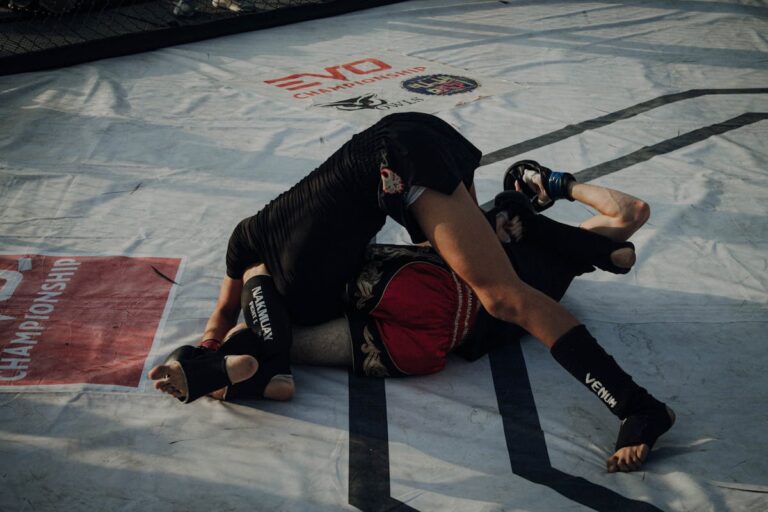
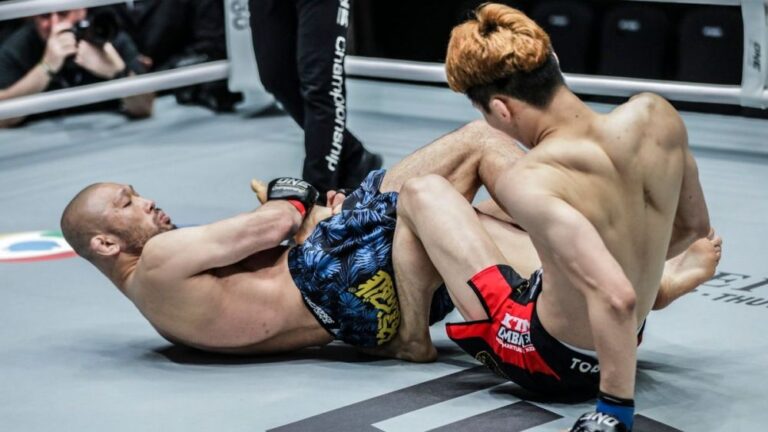
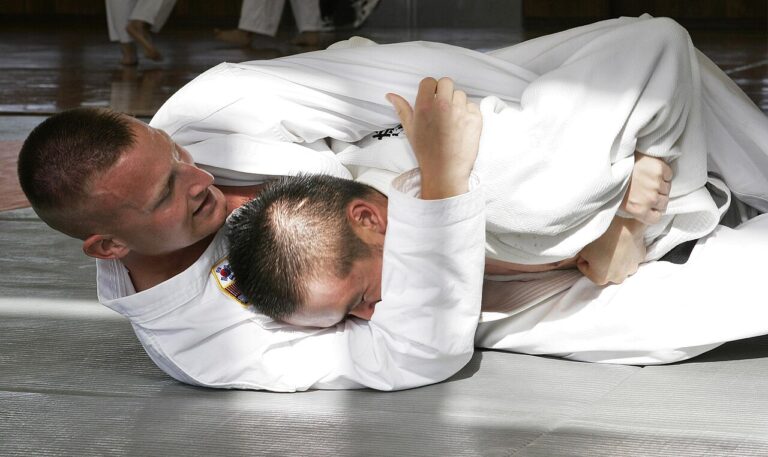
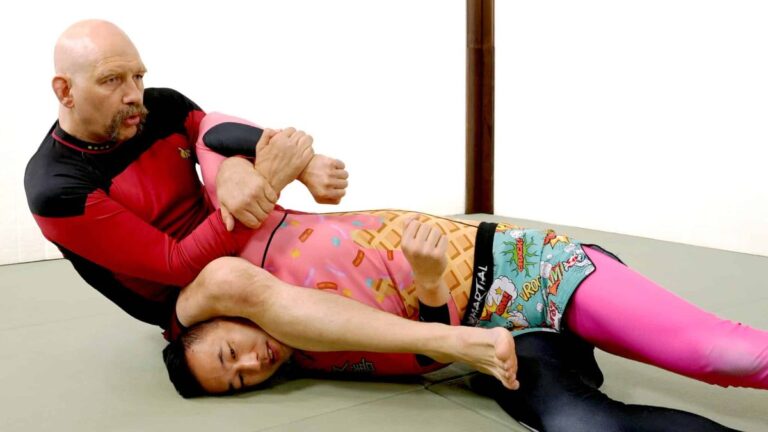
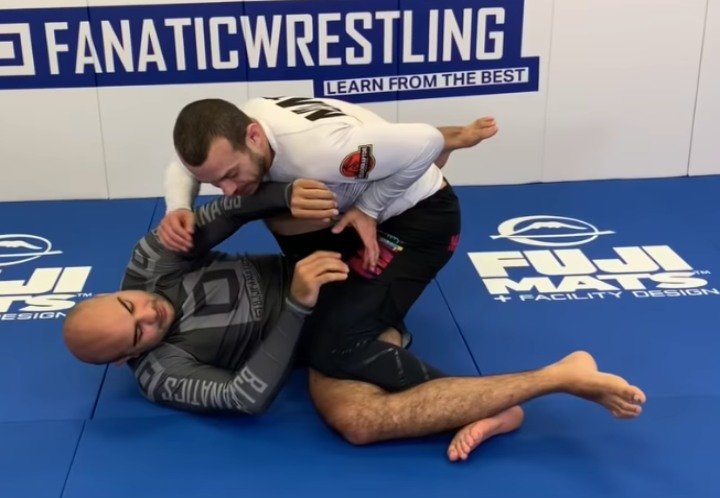
No-gi grappling produces cauliflower ear differently. Instead of constant grinding, the ear takes sharp, intermittent pressure — getting trapped under an opponent’s forearm during a guillotine attempt, crushed in a chest-to-chest scramble on a takedown, or pinned against the mat during a heavy top-pressure pass. The exposure is shorter per instance, but the pressure spikes are often higher, and the situations are far less predictable than a wrestling match’s continuous hand-fighting.

The Wrestling Headgear Blueprint
Built for Total Coverage, Not Speed
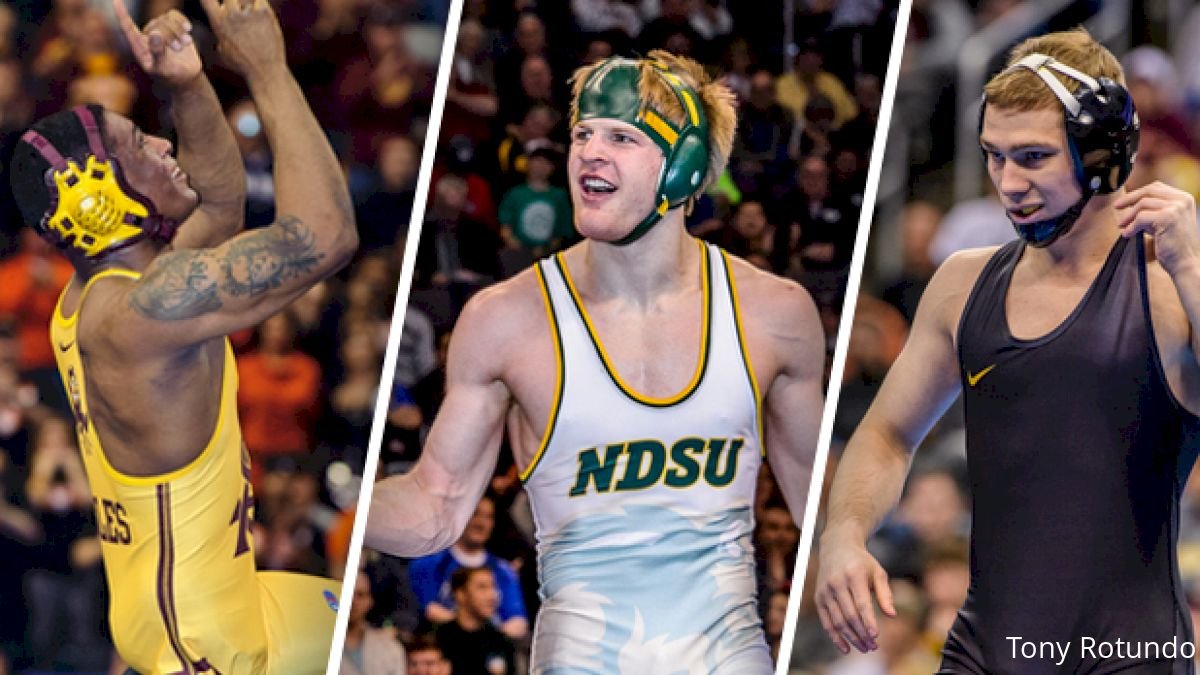
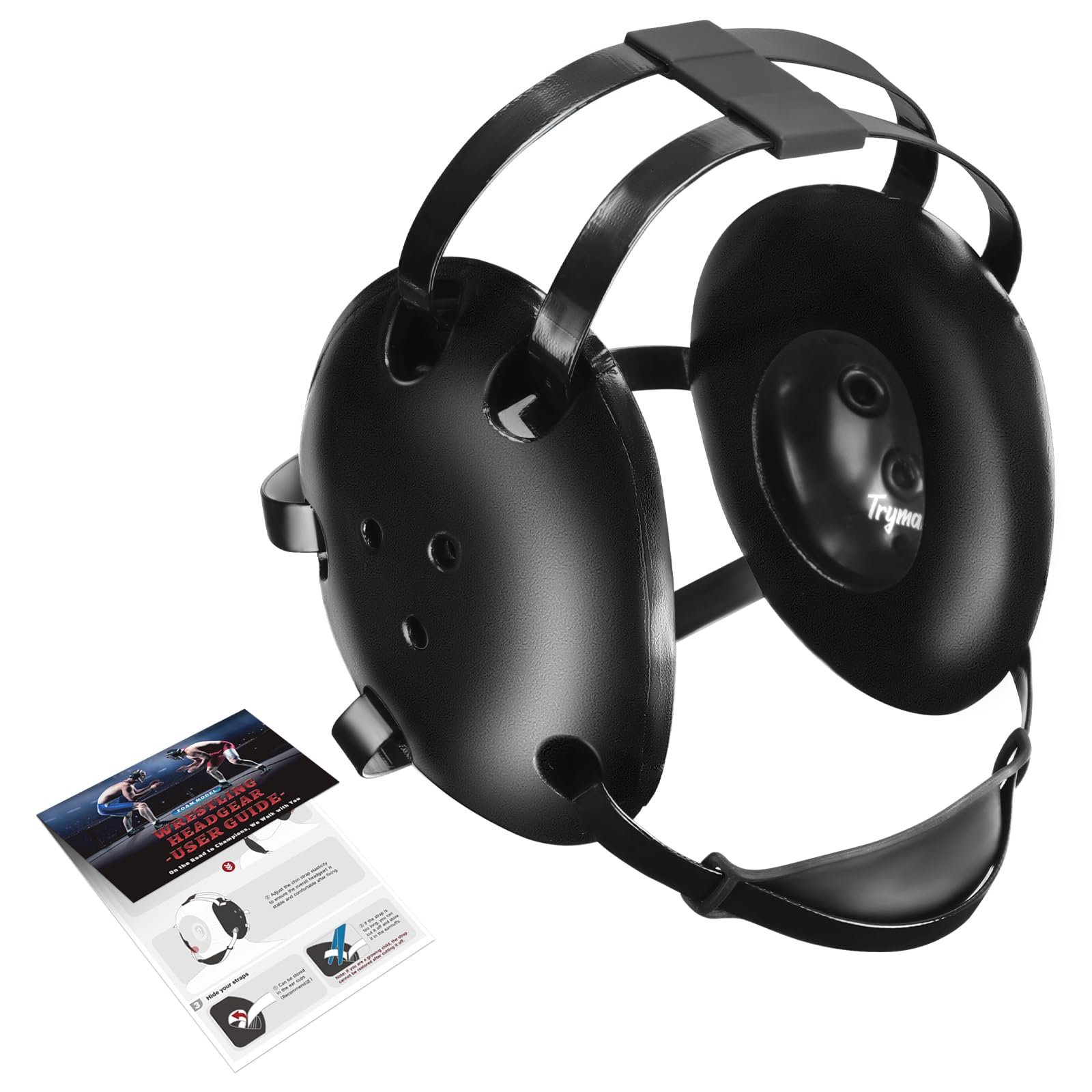
Regulation wrestling headgear, the kind required by NCAA, USA Wrestling, and most high school federations, is engineered around one priority: staying on through relentless, continuous friction. That means a hard outer ear cup, a padded liner, a strap that runs under the chin, and often a second strap over the crown of the head. The chin strap isn’t an afterthought — it’s the single feature that keeps the whole unit from sliding off during a sprawl or a low single-leg shot, because wrestling rules don’t allow a competitor to stop and readjust gear mid-match the way a grappler might reset guard.
The Chin Strap Problem
That same chin strap is exactly what makes wrestling headgear dangerous on a no-gi mat. Wrestling has no submissions. No-gi grappling is built around chokes, and a strap running under the jaw and around the neck area gives an opponent a mechanical anchor point that doesn’t exist in wrestling. A guillotine, an arm-triangle, or even a scrambling opponent’s forearm can catch on a chin strap in a way that either assists a choke or, worse, torques the jaw and neck in directions the gear was never designed to resist. Wrestling headgear was never stress-tested against someone actively trying to strangle the person wearing it, because in wrestling that scenario doesn’t exist.
What No-Gi Grappling Actually Demands
A Guard That Disappears During Chokes
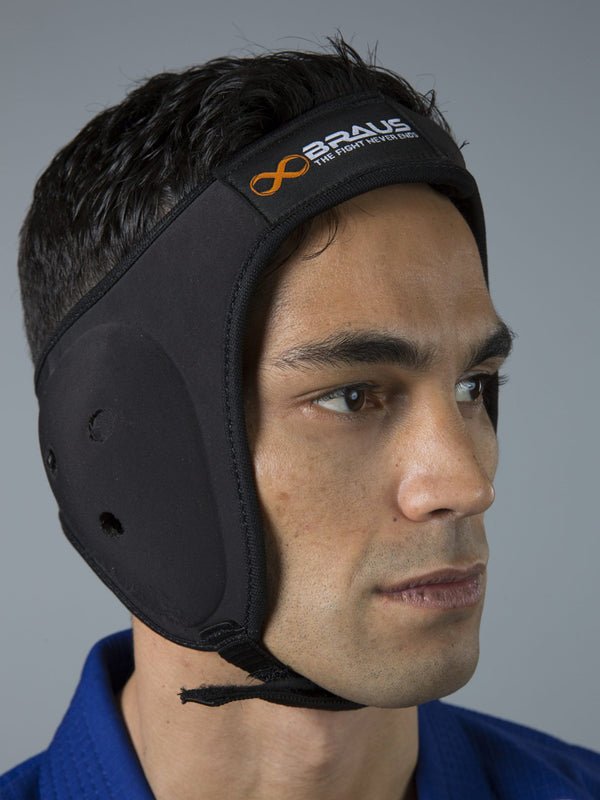
No-gi ear guards are built to sit as low-profile as possible, hugging the cartilage without adding bulk that an opponent’s forearm or bicep can catch on during a choke attempt. The best designs taper close enough to the skull that a rear-naked choke or guillotine setup finds the same contact points it would find on a bare ear — no extra surface, no extra leverage, nothing to grab. That’s a completely different engineering goal from wrestling headgear, where surface area and a secure strap system are the entire point.
Hearing Your Corner Mid-Roll
Wrestling headgear’s ear cups muffle sound almost completely, which matters little in a sport officiated by a single referee and a whistle. No-gi competition, especially at the ADCC level, runs on coaching from the corner — technical instructions shouted over the mat noise during a five- or ten-minute match. A grappler wearing full-coverage headgear loses that channel entirely. Low-profile no-gi guards are shaped specifically to leave the ear canal as open as possible, sacrificing some coverage in exchange for keeping the athlete plugged into their corner.
Why Wrestlers Who Cross Over Often Get This Wrong First
A common mistake among wrestlers transitioning into no-gi grappling is showing up with the same headgear that served them for a decade on the mat. It feels familiar, it’s already broken in, and it clearly worked against far more head-to-head friction than a BJJ round produces. The problem only shows up the first time they get caught in a guillotine attempt or an opponent scrambles into an over-under and their forearm lands directly on the chin strap. Coaches at no-gi-focused gyms will often flag this within the first week — not because the headgear is low quality, but because it was never designed to survive a submission-based grappling exchange.
The same mismatch shows up in reverse. A no-gi grappler who tries to use a minimalist ear guard for wrestling-style live drilling will find it slides or pops off almost immediately, because it was never built to survive continuous head-and-shoulder friction over long stretches. Neither piece of gear is better in an absolute sense — they’re built for different collision profiles, and swapping them introduces failure points that neither designer anticipated.
What Major No-Gi Events Reveal About the Split
Watch any recent ADCC broadcast, including the 2026 Krakow event, and the equipment on display tells the same story. Competitors who choose to wear ear protection almost universally opt for the low-profile, strapless or minimal-strap style, not wrestling-style headgear, even though many of them came up through folkstyle or freestyle programs before transitioning to submission grappling. That’s not a fashion choice — tournament officials inspect equipment before matches, and gear with hard buckles, thick straps, or anything that could be used as a grip is subject to rejection at weigh-ins. The rules themselves push the equipment toward minimalism, because a submission-based ruleset can’t tolerate the same hardware a takedown-only sport allows.
It’s also worth noting how many high-level no-gi competitors skip ear protection altogether during competition despite wearing it in the wrestling room during camp. That inconsistency isn’t carelessness — it reflects a calculation that the marginal protection of a guard isn’t worth the trade-off in hearing, peripheral awareness, and the small risk of it becoming a grip point during a five-minute regulation match, even if they’d never skip it during a two-hour wrestling practice with dozens of live rounds.
Choosing Gear If You Train Both Disciplines
Athletes who genuinely split time between wrestling rooms and no-gi grappling gyms are usually better served owning two separate pieces of gear rather than trying to find a hybrid. For wrestling practice or folkstyle competition, full-coverage headgear with a proper chin strap remains the right call — the friction load is too continuous and too central to the sport’s rules for anything minimalist to hold up. For no-gi rolling, sparring, or competition, a low-profile guard that prioritizes staying clear of chokes and preserving hearing is the safer trade-off, even though it offers less raw coverage.
The instinct to buy one piece of gear that does both jobs is understandable, but it misreads what each sport is actually protecting against. Wrestling headgear is armor against attrition. No-gi ear protection is a compromise against a much narrower, sharper set of risks, worn by athletes who need to stay strangle-proof and able to hear their corner at the same time. Treating them as interchangeable is how gear ends up failing in exactly the moment it’s supposed to matter.
None of this means either sport has solved cauliflower ear — plenty of high-level wrestlers and no-gi grapplers alike develop it regardless of what they strap on, simply because gear compliance during hard live rounds is inconsistent and drainage of an early hematoma often gets delayed in the middle of a training camp. But understanding why the equipment looks so different helps explain why borrowing gear across disciplines is one of the more common and avoidable mistakes new grapplers make.
Sources
Looking for ear protection built for no-gi rolling rather than the wrestling room? Browse no-gi ear guards on Amazon.