Treating Cauliflower Ear in No-Gi: What Ear Guards Do After the Hematoma Forms
Most no-gi grapplers approach ear guards as purely preventive equipment — something you buy before your ears take damage. That framing is correct as far as it goes, but it leaves out a significant portion of the people who actually need to act on this knowledge: those who are already watching a tender swelling form on the outer ear after a hard session and wondering what comes next. Ear guards play a direct role in that post-injury phase too, and understanding how changes what you do in the hours and days that follow.
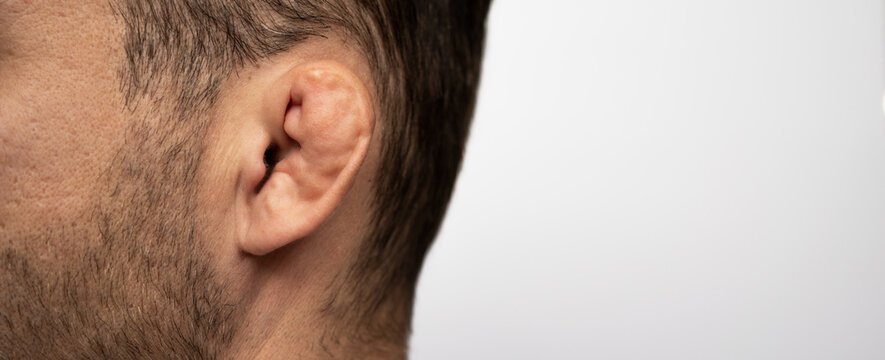
Cauliflower ear begins as an auricular hematoma — a pool of blood or serum that collects between the cartilage and the perichondrium, the membrane that supplies blood and nutrients to the cartilage. The injury itself can come from a single hard impact or from cumulative friction, but once the pocket of fluid forms, the timeline that follows is almost entirely about what you do in the next 24 to 72 hours. This is the phase most grapplers mishandle, and it is the phase where ear guards serve a secondary but critical function.
Understanding the Fluid Stage
When a hematoma first forms, the fluid inside is mobile. The ear feels tender, warm, and visibly swollen, but the cartilage underneath has not yet been permanently compromised. This is the window that matters. If the fluid is absorbed or drained and compressed before fibroblasts begin depositing fibrous scar tissue, the ear can heal close to its original shape. Once calcification begins — a process that can start within days of injury — the deformity becomes increasingly permanent and increasingly difficult to treat without surgery.
The fluid stage typically lasts 24 to 72 hours from the point of injury, though this varies depending on the severity and location of the hematoma. A small, localized pocket near the antihelix may remain fluid longer than a large hematoma spanning the concha. Temperature, circulation, and how much additional trauma the ear sustains during this window all affect how quickly the fluid organizes into scar tissue. Every hour of inaction inside this window shifts the outcome.
The Immediate Response on the Mat and After
The moment you notice the swelling, the priority is reducing blood flow to the area and limiting further accumulation. Ice applied immediately — wrapped in cloth to prevent frostbite, applied in 15-minute intervals — slows the rate of fluid buildup and reduces inflammation in the surrounding tissue. This does not drain what is already there, but it limits how large the pocket becomes and buys time for a more considered decision about next steps.
Pressure matters here as much as cold. Holding a folded cloth or gauze pad firmly against the swollen area while icing creates compression that discourages additional fluid accumulation. The combination of cold and compression follows the same principle used in the RICE protocol for other soft-tissue injuries. It will not reverse an existing hematoma on its own, but it is the correct first-response tool and significantly influences how the next 48 hours unfold.
What makes no-gi training particularly unforgiving during this window is that most grapplers do not notice the swelling until they are home and showering. By then, an hour or two of post-training blood flow has already done additional work on the hematoma. Developing the habit of checking your ears after every hard session — especially sessions with heavy head-to-body scrambles, snap-down exchanges, or extended front headlock battles — shortens the response lag and keeps options open.
The Drainage Question
Draining a fresh hematoma is the intervention that can prevent permanent deformity. It is also the step most grapplers either avoid entirely or handle improperly. The procedure itself — aspirating the fluid with a needle and applying compression afterward — is straightforward when performed by a medical professional with proper equipment and sterile technique. The risk of performing it incorrectly at home includes infection and incomplete drainage that leads to reaccumulation. The cartilage of the outer ear has poor blood supply and limited ability to fight infection; complications that would be minor elsewhere can become serious here.
Seeing a physician or sports medicine doctor within the first 24 to 48 hours of noticing the hematoma gives the best chance of a clean outcome. After 48 hours, the fluid begins to organize into fibrous tissue, making full drainage harder and increasing the likelihood of residual deformity even with treatment. Many sports medicine physicians who work with grapplers and wrestlers are familiar with auricular hematomas and can perform the drainage and apply a compression dressing in a single visit. If your gym has a relationship with a sports medicine clinic, the post-session call to make is to them, not to a general urgent care walk-in.
The compression dressing applied after drainage determines whether the hematoma reaccumulates. Fluid will refill the space if the perichondrium is not held in firm contact with the cartilage throughout the healing period. Traditional approaches use through-and-through sutures or a dental roll mattress dressing to maintain that contact. The dressing typically needs to stay in place for at least five to seven days without disruption — which raises the immediate practical question of when and how to return to training.
Where Ear Guards Fit Into the Recovery Phase
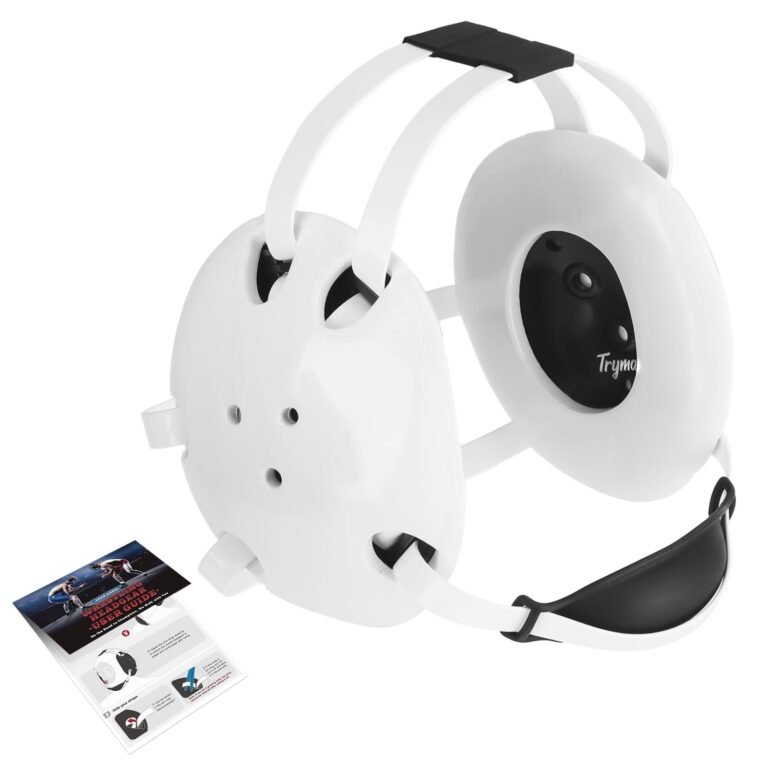
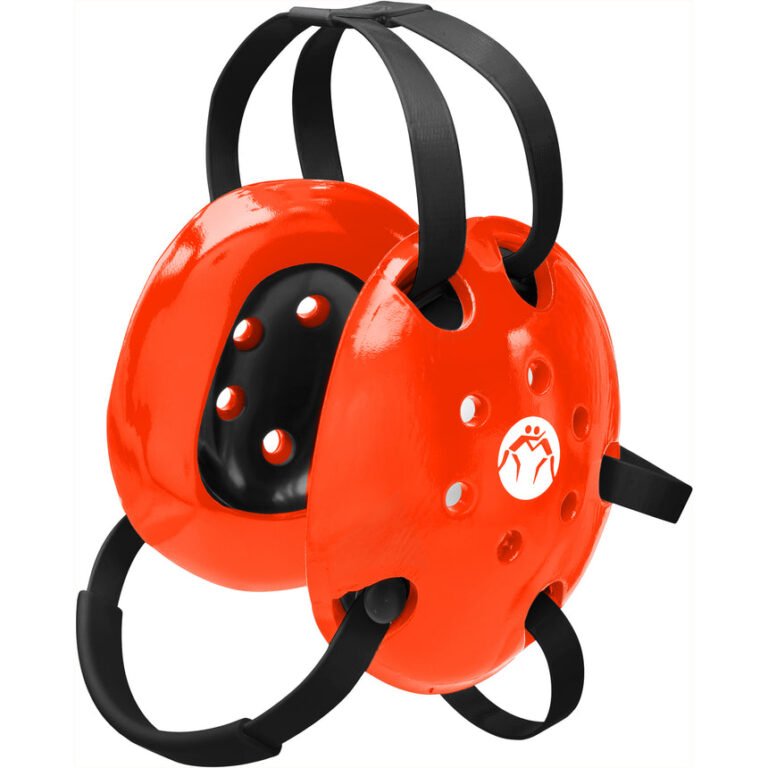
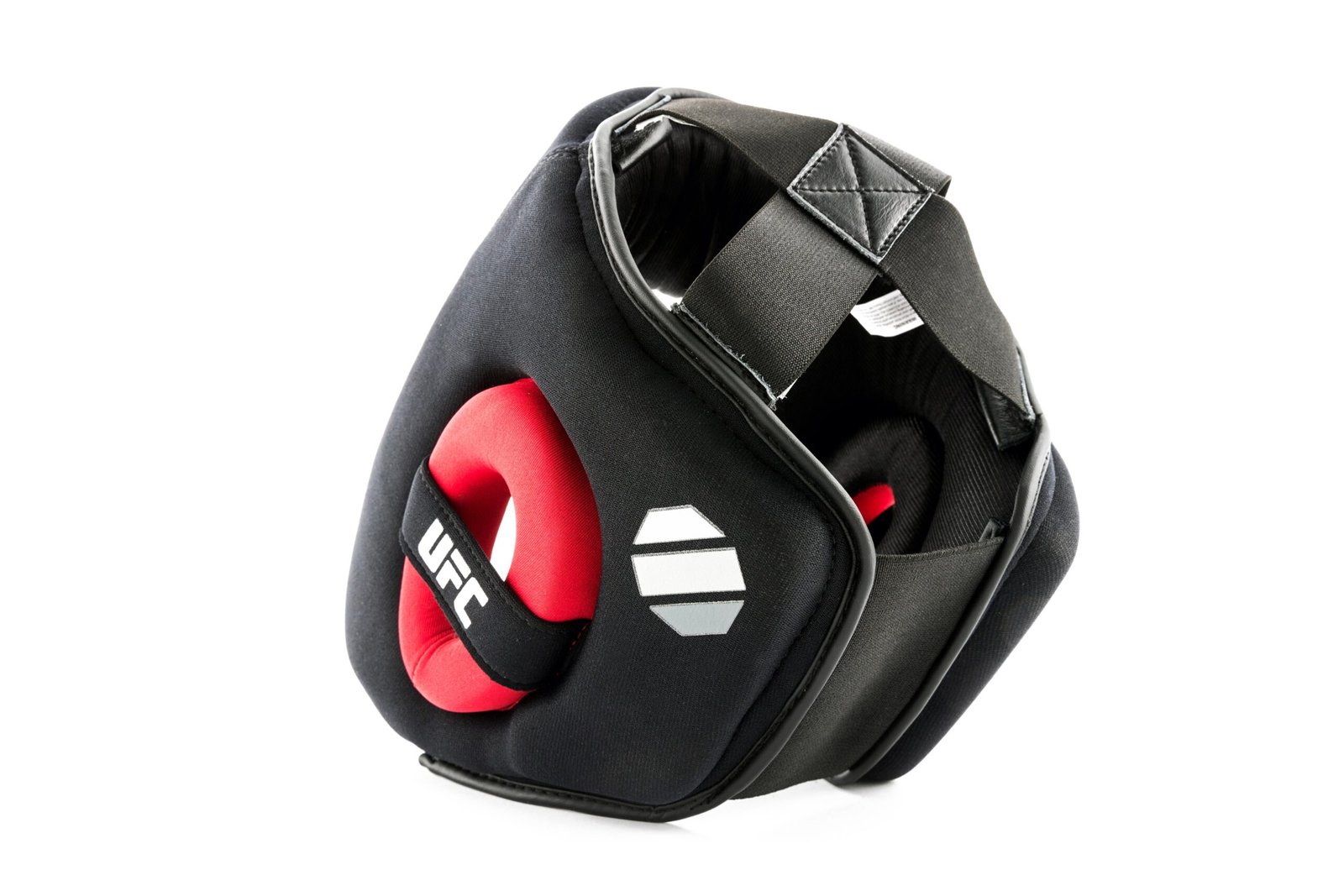
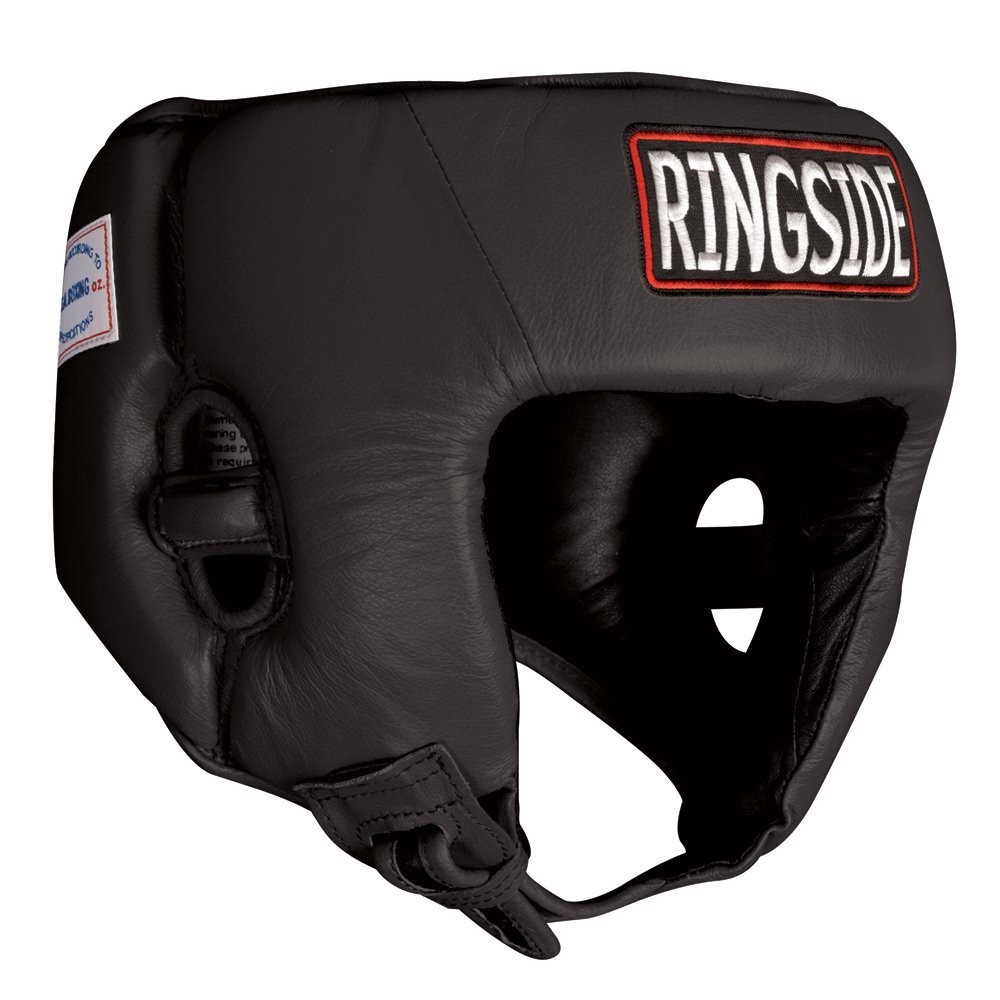
This is where ear guards shift from preventive tools to active recovery equipment. A properly fitted ear guard worn over a compression dressing protects the work the physician just did. The cup holds the dressing in place, limits incidental contact during movement, and provides a physical barrier against re-injury during the period when the tissue and cartilage are most vulnerable. Without this layer of protection, even off-mat activities — sleeping on the ear, unconsciously touching it, a bag catching the side of your head in passing — can disrupt the dressing and allow the hematoma to reaccumulate before the tissue has had time to adhere.
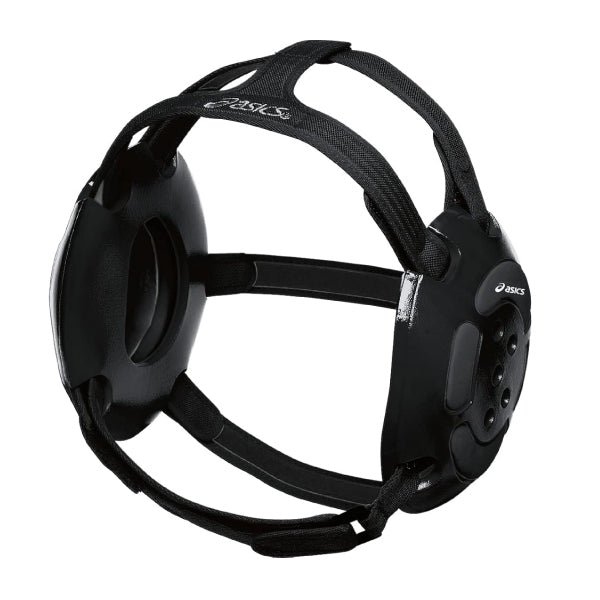
The type of ear guard matters in a recovery context. A softer, moldable shell that conforms closely to the ear creates more uniform pressure distribution than a rigid cup, which may concentrate pressure unevenly over a post-drainage dressing. Grapplers who own only hard-shell ear guards often find they need a different style specifically for the recovery phase — the geometry optimized for dynamic training contact may not serve the weeks of gentle, consistent compression that follow drainage. Having both shell types available, for different phases of injury management, is the setup that gives the most flexibility.
The Return-to-Training Timeline
Most sports medicine guidance suggests avoiding contact training for at least one week after drainage and compression. This is not a rigid rule — it depends on the size and location of the hematoma, how cleanly the drainage was performed, and how the tissue is responding — but it is a practical minimum. The compression dressing needs to remain intact during this period, and vigorous grappling generates forces that will dislodge it. Returning early to protect your spot on the mats trades a week of absence for a likely reaccumulation and an extended setback.
When you return to rolling, you return in ear guards. Not as a precaution for future sessions, but as a non-negotiable fixture for the remainder of the healing window and beyond. The ear is more susceptible to re-injury after a hematoma than it was before. The tissue that forms during the healing process is less elastic, the cartilage may be structurally weakened at the injury site, and the original architecture of the outer ear may have shifted. Ear guards that fit correctly over a healed or healing ear provide the consistent compression and impact protection that the tissue no longer generates on its own.
If you return to training before the compression dressing is removed and notice any new tenderness or fresh swelling, stop the session. Reaccumulation is common and can happen within a single hard training session if the underlying tissue has not fully healed. The inconvenience of sitting out another week is significantly smaller than the consequence of permanent deformity from a second hematoma forming on top of a partially healed first one. That stacked-injury scenario is what produces the most extreme cases of calcification.
What Grapplers Who Skip the Window Face
The majority of no-gi grapplers who develop permanent cauliflower ear do so by skipping or delaying the treatment window — not through ignorance of the condition, but because training takes priority, the ear does not hurt badly enough to force action, or the assumption that it will resolve on its own feels easier than seeking medical attention mid-training cycle. The ear may not hurt significantly even as the hematoma organizes into fibrous tissue. The absence of pain is not an indicator of resolution; it is the cartilage’s lack of pain receptors making the situation feel less urgent than it is.
Once the fibrous tissue calcifies, the deformity is largely irreversible through non-surgical means. Some grapplers accept this outcome, and for many it is simply how the sport marks its long-term practitioners. But accepting calcification is different from accelerating it by training without ear guards over a hematoma that has not been addressed. The latter causes permanent deformity that, in severe cases, becomes large enough to affect hearing canal geometry and requires corrective surgery to manage.
The grapplers who manage this well — who train for years without significant ear deformity — tend to have established a protocol they follow consistently: check ears after hard sessions, respond immediately to new swelling, seek medical attention for any meaningful hematoma, and wear ear guards without exception once the condition has presented once. The ear guards deployed in the prevention phase and the ear guards worn through the recovery phase are the same piece of equipment performing two distinct jobs. Treating them as the same tool, deployed for different purposes, changes how seriously the gear gets taken and how consistently it gets used.
Sources
PubMed — National Library of Medicine (auricular hematoma research)
American Academy of Family Physicians — Sports Medicine Resources
FloGrappling — No-Gi Competition Coverage