How Cauliflower Ear Forms: The No-Gi Mechanism Worth Understanding
Most no-gi grapplers encounter ear guards the wrong way — they see the swollen, angry knot forming on a training partner’s ear, or they wake up one morning and notice their own ear feels warm and slightly thickened, and only then do they start researching options. That reactive timeline is the norm in no-gi training culture, and it is the reason so many grapplers who eventually commit to ear guards still end up with some level of permanent deformity. The problem is not a lack of available gear. It is a lack of understanding about what is actually happening inside the ear when no-gi training puts it under stress.
Ear guards work. But they work best when the grappler wearing them understands the mechanism they are protecting against — not just friction hurts ears but the specific biological sequence from first shear force to blood pooling to cartilage transformation. Once you understand that sequence, the logic of early and consistent ear guard use becomes self-evident. The gear is not a reaction to pain. It is an interruption of a process that moves faster than most grapplers expect.
The Anatomy That Makes Your Ears Vulnerable
The outer ear — the visible structure made of cartilage covered by skin — has a critical design problem for grapplers: cartilage has no direct blood supply. The cartilage of the outer ear receives its nutrients through a thin layer of connective tissue called the perichondrium, which wraps tightly around it. The perichondrium is vascular; the cartilage beneath it is not. That dependency is what makes the ear so uniquely susceptible to the kind of trauma that occurs in no-gi training.
When a shear force acts on the outer ear — not a blunt impact, but a sliding, rubbing, or twisting force — it can separate the perichondrium from the cartilage beneath it. When that separation happens, blood flows into the newly created space. The cartilage, now cut off from its nutrient source, is simultaneously receiving no blood supply from below and losing access to the perichondrium above. This is the beginning of a hematoma, and it is the event that sets the entire cauliflower ear process in motion.
Shear Force vs. Impact: Why No-Gi Training Creates Specific Risk
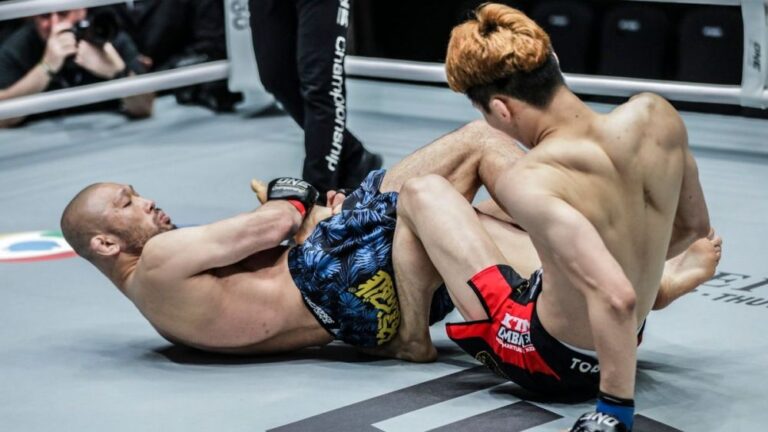
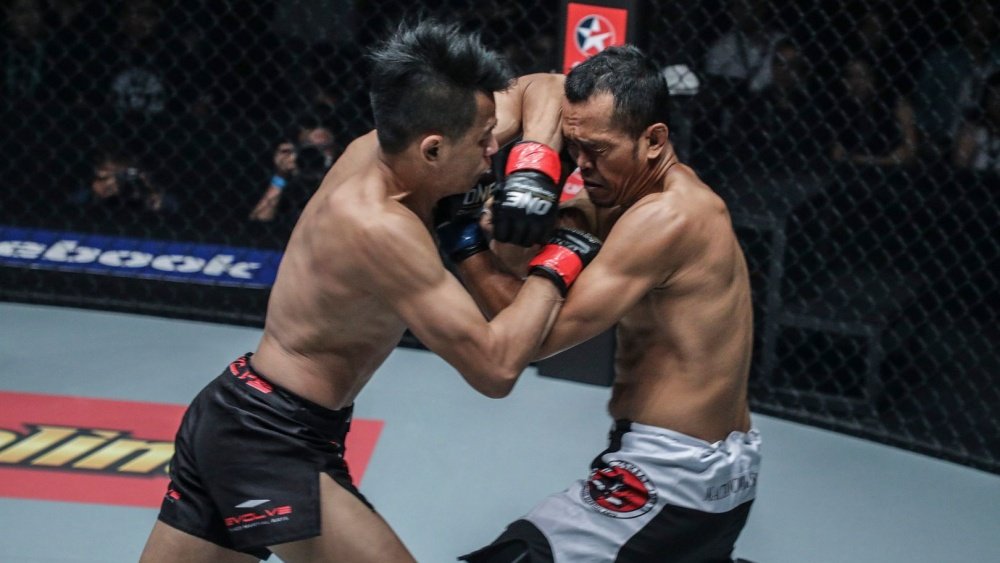
This distinction matters because it changes how you think about risk in no-gi training. Cauliflower ear is not primarily an impact injury — it is a friction and shear injury. A direct blow to the ear from an elbow or accidental headbutt can cause a hematoma, but the consistent driver of cauliflower ear in grappling is repeated low-grade friction: the ear being dragged across skin, a hip, a forearm, or the mat. No-gi training, with its direct skin-to-skin contact and emphasis on scrambling, is particularly effective at generating this kind of force.
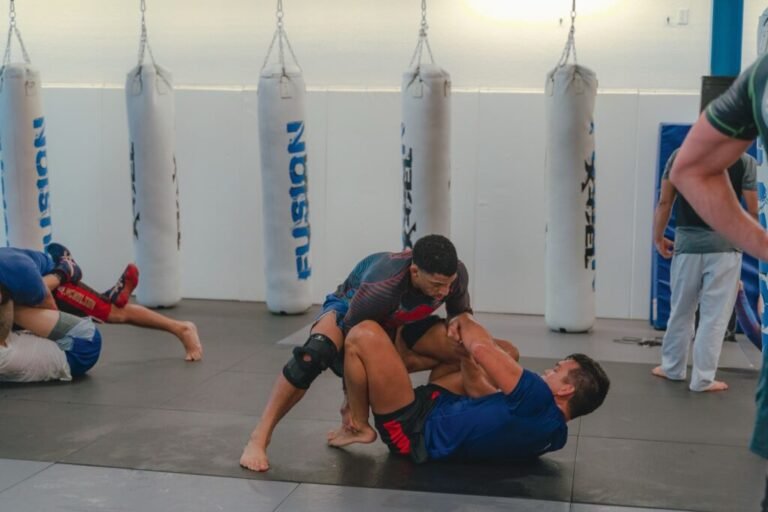
In gi training, the collar creates a buffer zone. The fabric absorbs some of the force that would otherwise act directly on the outer ear. In no-gi, that buffer is gone. When you are fighting for an underhook in no-gi, your ear is pressed directly against your partner’s ribcage, shoulder, or bicep. When you are defending a front headlock, the contact pressure against the ear is unmediated. Every scramble involves rapid positional changes where the ear can catch on unexpected surfaces. The cumulative effect of a single training session can be meaningful — over weeks and months, that accumulation is what produces the characteristic deformity.
The Hematoma Window and Why It Closes Faster Than You Think
After the perichondrium separates from the cartilage and blood pools in that space, the grappler typically has a window of 24 to 72 hours in which the hematoma is still fluid, still drainable, and still potentially reversible. During this window, a sports medicine physician or urgent care doctor can drain the pooled blood using a needle and compression dressing, restoring contact between the perichondrium and cartilage. If that contact is restored before the repair process begins in earnest, the ear can heal without deformity.
Most grapplers miss this window. Not because they do not know it exists, but because the early hematoma does not always hurt in a way that signals urgency. The ear may feel warm and slightly full. There might be some tenderness. But in the middle of a training week, with multiple sessions scheduled, the temptation to monitor it rather than act on it is high. By the time the swelling becomes visually obvious and undeniable, the biological repair process is already underway — and that process is the one that creates permanent deformity.
From Fluid to Fibrocartilage: The Repair Process That Deforms
When the body detects a hematoma — pooled blood in an abnormal space — it initiates a repair sequence designed to resolve the fluid and stabilize the area. Fibroblasts migrate into the hematoma and begin organizing the clot. Over days, the fluid transitions from liquid blood to a thickening, jelly-like mass. Over weeks, the body lays down fibrous tissue. If left untreated, that fibrous tissue eventually calcifies and becomes fibrocartilage — a structural material that is biologically sound but cosmetically permanent.
The lumpy, irregular appearance of fully formed cauliflower ear is that fibrocartilage, organized according to the shape of the untreated hematoma rather than the original ear structure. This timeline is not forgiving. The transition from drainable hematoma to organized clot can happen within days. The transition from organized clot to fibrous tissue can happen within a week or two. The full calcification process takes longer, but by the time the tissue hardens completely, the shape is already set. Grapplers who train through early hematomas — telling themselves they will deal with it after this week’s competition, or that it does not look that bad yet — are often past the intervention window before they have decided to act.
Where Ear Guards Actually Interrupt the Process
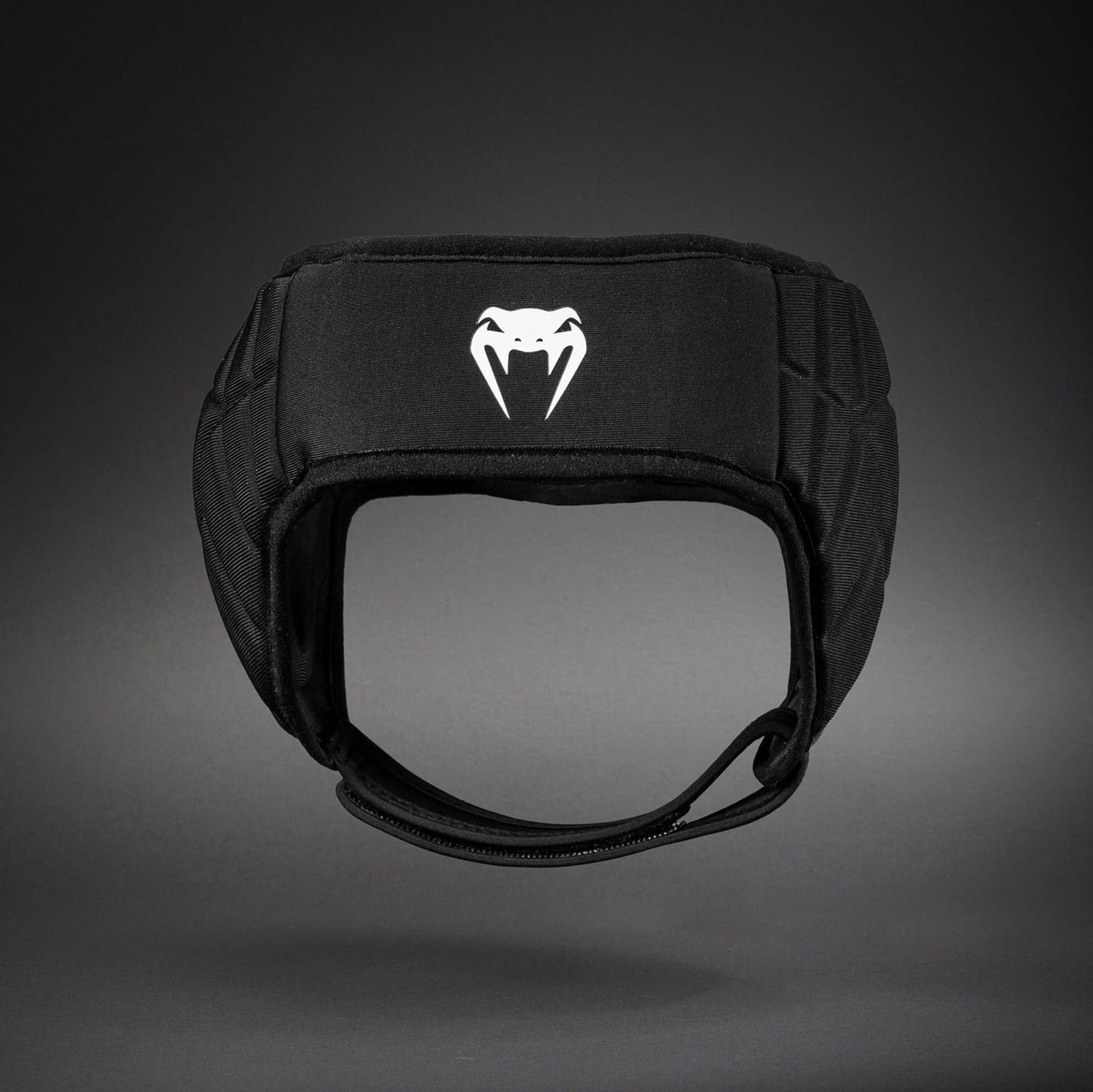
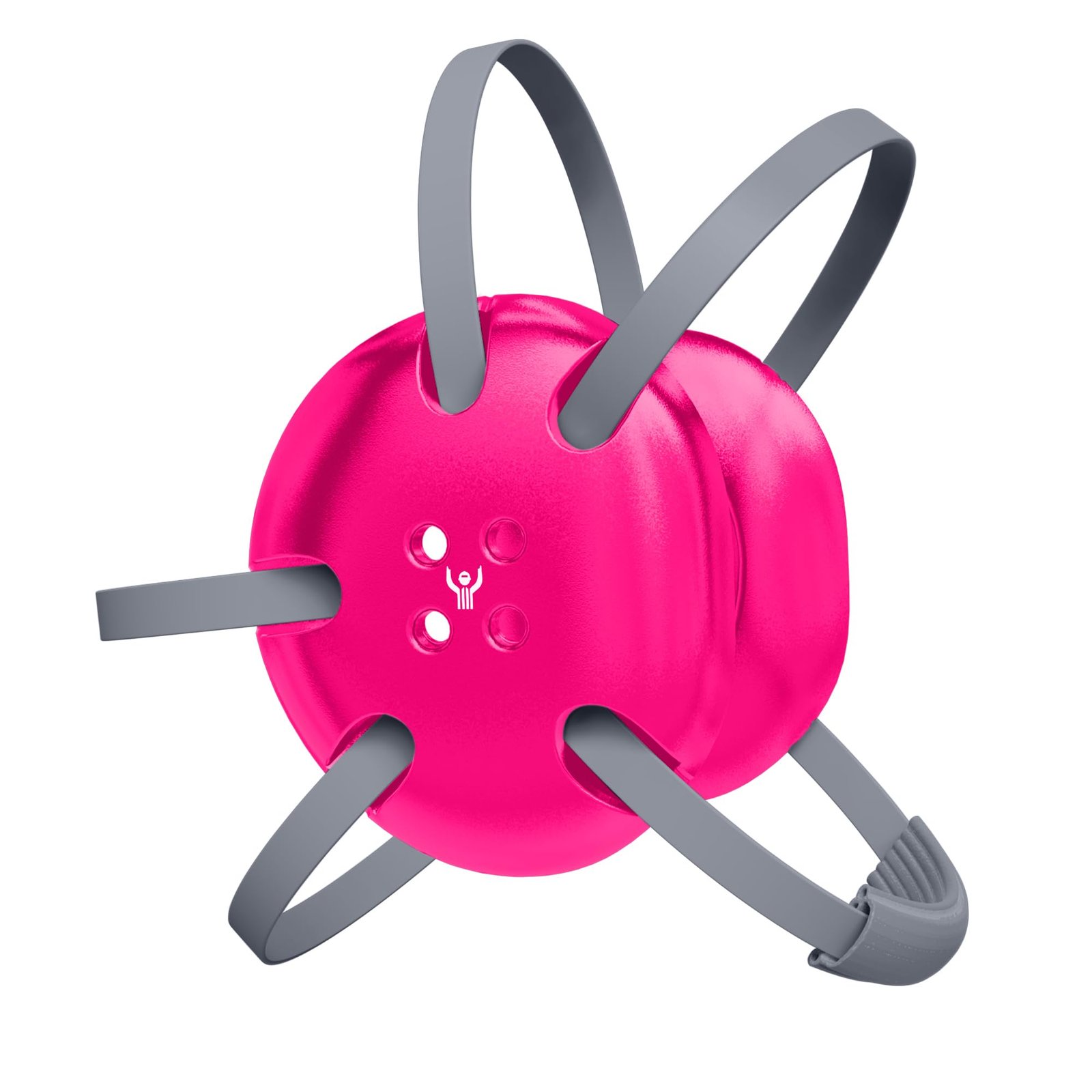
Understanding the mechanism makes the function of ear guards much clearer. Ear guards do not primarily work by absorbing impact — though the cup design of most models does provide some cushioning. What they primarily do is eliminate or dramatically reduce the shear force that separates the perichondrium from the cartilage in the first place. By covering the outer ear and keeping it from direct contact with training surfaces and partners, they prevent the friction that initiates the hematoma sequence at its root.
The compression element of some ear guard designs adds a secondary protective mechanism. Compression across the outer ear, even gentle compression, reduces the available space between the perichondrium and cartilage. If the perichondrium does begin to separate slightly under pressure, compression limits the volume of blood that can pool in that space, keeping any potential hematoma smaller and more manageable. This is why some grapplers who already have early-stage cauliflower ear use compression-style guards rather than cup-style guards — the goal shifts from friction prevention to volume limitation.
Neither mechanism works at full effectiveness if the ear guard is not worn. Every training session without ear guards is an unprotected exposure to the friction and shear forces that initiate cauliflower ear. For a grappler whose ears are structurally intact, each unprotected session is a low-probability event. But probability is cumulative, and in a sport where head position is contested aggressively across hundreds of sessions per year, the cumulative exposure becomes the statistical story. That math does not change based on skill level or experience — veteran no-gi practitioners develop cauliflower ear for the same biological reasons beginners do.
Reading the Early Warning Signs in No-Gi Context
Because no-gi training generates ear exposure through friction and position pressure rather than discrete impact events, early hematomas often develop without a clear triggering moment. You may not be able to point to the exact roll or the specific scramble where it happened. The ear simply feels different after training — warmer than usual, slightly tender when you put on a hat or headphones, marginally thicker-feeling when you pinch the outer rim.
That warmth is clinically significant. Increased warmth in the outer ear after training indicates increased blood flow to the area — the body’s first response to tissue disruption. If the ear also feels soft and slightly fluctuant, like a fluid-filled blister when pressed gently, a hematoma has likely already formed. This is not a situation to train through without protection and a medical consultation. The 24-to-72-hour window for effective drainage is already running.
Grapplers who train no-gi consistently should develop a habit of checking their ears after sessions — not obsessively, but as part of the same post-training assessment they apply to joints and muscles. Running a finger along the outer rim of the ear and noting whether it feels different from normal takes three seconds. Finding an early hematoma while it is still drainable and acting on it immediately is the highest-value ear protection strategy available, better than any gear choice. Ear guards make it significantly less likely that intervention becomes necessary in the first place.
Why the Mechanism Changes Your Gear Logic
Grapplers who think of ear guards as a cosmetic concern — protection for people who care about how their ears look — usually stop wearing them whenever the gear becomes inconvenient or starts interfering with their training. That is a losing framework for a contact sport. The mechanism does not care about aesthetics. The perichondrium separates from cartilage under shear force whether or not you personally find cauliflower ear distasteful. The hematoma window closes whether or not you feel like dealing with it that week.
Grapplers who understand that they are protecting a biological process — preventing the sequence of perichondrial separation, blood pooling, fibroblast invasion, and fibrocartilage formation — have a more durable motivation to use ear guards consistently. The gear is not responding to pain or visible damage. It is interrupting a process at its earliest stage, before any of the downstream consequences become relevant. In no-gi grappling, where the friction environment is high and the contact surfaces are varied, that early interruption is the only reliable way to keep the ears intact across a long training career.
Sources
- Wikipedia: Cauliflower Ear
- PubMed / NCBI — auricular hematoma and perichondrial anatomy
- Amazon: BJJ Ear Guards