No-Gi Turtle Position: 5 Attacks from Top
At ADCC 2024, 4.1 out of every 10 successful back controls at the tournament came from guard pass attempts or scrambles that ended in the turtle position, according to BJJ Heroes’ post-event data analysis. Gordon Ryan built his reputation at ADCC on attacking the turtle position methodically — five of his eight wins at the championship came via strangle from the back. The turtle is not a safe defensive position in no-gi. Here is how to exploit it.
Why Turtle Is So Dangerous in No-Gi Grappling
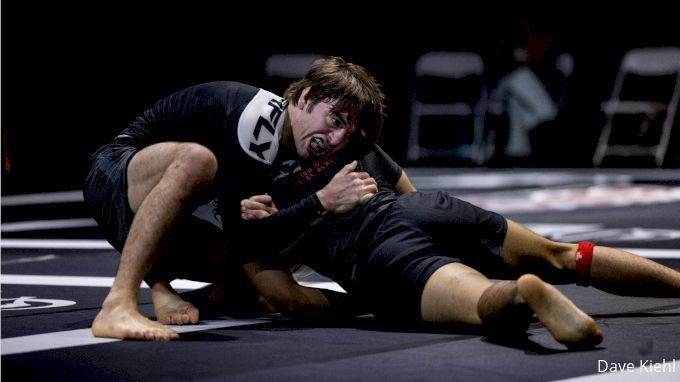
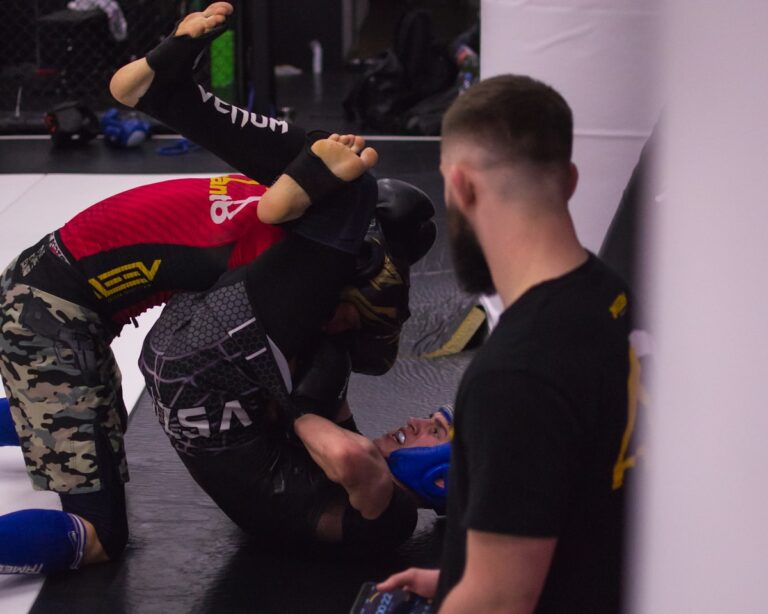
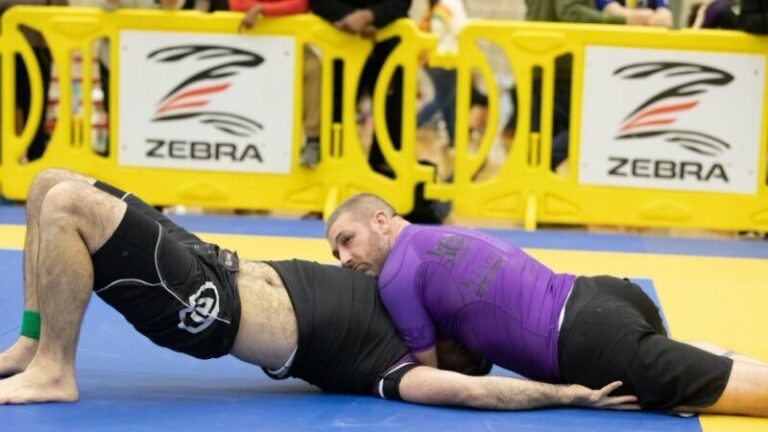
In gi jiu-jitsu, the collar and lapel create enough friction that a defensive player can sometimes maintain turtle for extended periods. In no-gi, with no fabric to grip, the top player can circle freely, slide hooks in, and take the back before the defensive player can create enough distance to stand. This is why the turtle has become a default landing position for failed guard passes and failed takedown attempts at the highest level of no-gi competition.
There is no single safe way out of turtle in no-gi. Standing up from turtle means giving up the back briefly to change levels. Rolling invites a tilt or an arm trap. Sitting out works but only against opponents who lose their angle. The best defense against turtle attacks is not landing there in the first place — which is why understanding these attacks helps both sides of the position.
Attack 1: Seat Belt to Hooks In (The Standard Back Take)
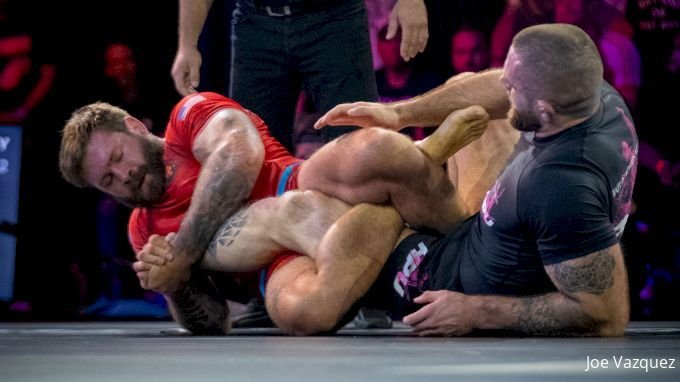
The seat belt is the back take that ends most turtle-position sequences. From turtle top, establish a seat belt grip: one arm over the shoulder (“over hook”), one arm under the opposite armpit (“under hook”), hands locked at the chest. Drive your chest onto the opponent’s back and begin sliding your hooks in — one heel at a time — working toward the back mount position.
The detail most people miss is the chin-to-shoulder control. Before sliding your hooks in, press your chin onto the opponent’s near-side shoulder. This prevents them from rolling toward you to escape, which is the most common reaction once you establish the seat belt. Once you’ve pinned that escape route, drop to your hip on the seatbelt side and slide the first hook in. The second hook follows as you flatten them out.
From here, the position transitions into full back control, which is where the strangle finishes. Gordon Ryan’s seat belt mechanics at ADCC are worth studying in slow motion — his hook insertion speed after the chin-to-shoulder lock is what makes his back takes so difficult to escape.
Attack 2: The Tilt (Hip Lift to Rear Mount)

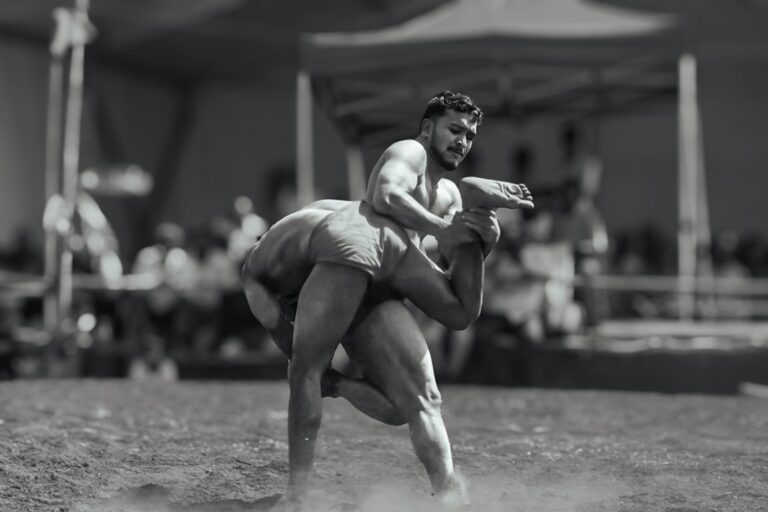
The tilt is a wrestling-derived technique that dumps the defensive player from turtle directly into a rear mount or back control without needing to sink hooks first. From turtle top, establish underhook on the near arm. Slide your top-side knee between the opponent’s knee and the mat. Simultaneously lift their near hip with your underhook arm while loading their weight toward their far shoulder with your chest pressure.
When executed correctly, the defensive player’s base collapses and they roll to their side — at which point you follow the roll and land in back control or a chest-to-back position. The tilt works particularly well when the opponent is trying to widen their base to prevent the seat belt, because the wide base creates the hip separation needed to execute the lift.
This technique comes directly from folkstyle wrestling. In no-gi, it pairs with the seat belt setup: threaten the seat belt, the opponent widens their base to prevent hook insertion, and you shift to the tilt to punish the wide base.
Attack 3: Anaconda Choke from Turtle Top

The anaconda choke is a natural extension of turtle top pressure. When the defensive player tucks their head and drives forward to escape the turtle position, they create the head-and-arm angle needed for the anaconda. Swim your choking arm under their chin and near-side arm simultaneously — the same head-and-arm wrap that feeds into the D’arce from the other side.
Once you have the head-and-arm wrap locked in a figure-four, drop your shoulder and drive the choking arm under the chin while circling forward. The anaconda finishes by the choking arm pressing the carotid while your body weight traps the arm. Rolling forward over the opponent’s trapped shoulder is what generates the mechanical advantage — static squeezing without the roll almost never finishes.
The anaconda from turtle is particularly high-percentage because the defensive player is often thinking about escaping backward or sitting out, not defending a front choke entry. They see you at their back and expect a seat belt — the arm swim to the front catches them mid-escape.
Attack 4: Arm Drag to Back from Turtle Control

When the defensive player posts their far arm to prevent a tilt, that posted arm becomes a handle. From turtle top with a near-side underhook, use your free hand to grab the posted wrist. Pull the wrist across their body while stepping out to the far side — this is a standard arm drag executed from the top position. Their arm drag creates the rotation you need to slide behind them and take the back.
The arm drag from turtle top works well when combined with the threat of the seat belt. If the opponent is defending the seat belt by driving their elbows in, they will often need to post a hand for base — that post is the arm you drag. It turns their defensive instinct into the entry point for the attack.
One key detail: stay low during the arm drag. If you rise up to execute the drag, the opponent can stand up and escape the turtle. Keep your weight on them through the drag and step out from a crouched position to cut off their stand-up escape route.
Attack 5: Leg Attack Entry from Turtle (Ashi Garami Setup)

The leg attack entry is the most modern addition to the turtle attack system. Instead of going over the top for the back, drop under the opponent’s legs and enter ashi garami on the near leg. From turtle top, post your hands on their hips and sit through underneath them, wrapping their near leg into an inside ashi garami position. From there, the heel hook or kneebar option opens depending on their reaction.
This attack works particularly well against opponents who are aggressively defending the back take — if they’re forcing their hips back and sprawling to prevent hook insertion, their legs are available for the entry. The ashi garami position from turtle gives you a complete leg lock threat that they cannot defend the same way they defend back takes.
The leg entry also creates a back-take threat simultaneously. If the opponent tries to stand to escape the ashi garami entry, they expose the back. If they fight the leg lock, you have the submission. This double threat is why elite no-gi grapplers have added the leg entry to their turtle attack arsenal over the past five years.
Principles That Apply to Every Turtle Top Attack

Three principles govern turtle top control regardless of which attack you run. First: keep your weight on them. Attackers who stand up or raise their base give the defensive player space to stand, sit out, or roll through. Stay low, chest driving into their back, even while transitioning between attacks.
Second: prevent the sit-out early. The most reliable turtle escape is the sit-out — the defensive player drops their near hip to the mat and spins to face you. Block this by having a near-side hip hook or knee blocking their hip before it drops. Once the sit-out completes, the position is largely lost.
Third: chain your attacks. If the seat belt fails because they tuck their elbow, shift to the tilt. If the tilt fails because they widen their base, go to the arm drag. If they post for the arm drag, return to the seat belt. The defensive player cannot block all three simultaneously at competition speed — the chain is what creates the opening, not the individual technique.
Common Errors at Turtle Top in No-Gi

The most common error is reaching over the top to establish the seat belt before securing hip position. If your hips are not on the same side as your attacking arm before you reach, the opponent can simply stand and you lose the position. Get your hip driving into their near-side hip first, then reach for the seat belt.
The second error is trying to force hook insertion against an active base. If the opponent is on their toes and actively fighting hook entry, switching attacks — tilt or arm drag — to disrupt their base is the correct response. Forcing the hook against full resistance rarely works and wastes energy.
Third: don’t abandon the position when the opponent counters. A defensive player rolling to escape can panic newer grapplers into releasing. Follow the roll. If they roll toward you, re-establish the seat belt on the new side. If they roll away, use the anaconda or guillotine to intercept their neck during the rotation. The position is not lost until you release it.
Turtle position top control is where modern no-gi matches are decided. For the strangle mechanics and hook maintenance once you complete the back take, the full breakdown is at back control no-gi.
Sources
- ADCC 2024 After Math, Data Compilation And Analysis — BJJ Heroes statistical analysis of submissions and positions at the 2024 ADCC World Championships, including back control frequency data.
- ADCC Trials Technical Trends: Five Takeaways From West Coast Trials — FloGrappling’s technical breakdown of back take and turtle position trends from 2026 ADCC Trials competition.
- Systematically Attacking the Turtle Position by Gordon Ryan — Gordon Ryan’s eight-volume instructional on turtle position attacks, covering the seat belt, tilt, and diagonal control systems used at ADCC.