Compression Without Restriction: What Proper No-Gi Rashguard Fit Actually Feels Like
Most people trying on a rashguard for the first time make the same mistake: they go by shirt size. A medium in cotton becomes a medium in rashguards, and when it feels snug in the fitting room, they assume that’s correct. Then they hit the mat, get stuffed into a tight triangle, and spend twenty minutes trying to breathe through a collar that has crept past their chin. Rashguard fit is not shirt fit. The standards are different, the mechanics are different, and getting it wrong costs you on the mat in ways that take a while to trace back to the gear.

What Compression Actually Does in No-Gi Grappling
A rashguard is a compression garment first and an athletic shirt second. The compression serves specific functions in grappling that are absent in other sports: it holds the fabric against your skin so opponents cannot grip it, it reduces the surface area exposed to mat burns during scrambles, and it provides light muscular support that can dull fatigue in the arms and lats over long training sessions. None of these functions work if the garment is loose enough to bunch, shift, or ride up under load.
But compression has a ceiling. Past a certain point it becomes restriction — limiting shoulder rotation, cutting off blood flow to the arms, or making deep inhalation genuinely difficult. The correct fit sits in the zone where the garment is tight enough to stay in place through any position but loose enough that you stop noticing it within a few minutes of rolling. Elite grapplers describe this as the garment disappearing during a round. If you are thinking about your rashguard while drilling, the fit is wrong.
The Physical Markers of a Well-Fitting Rashguard
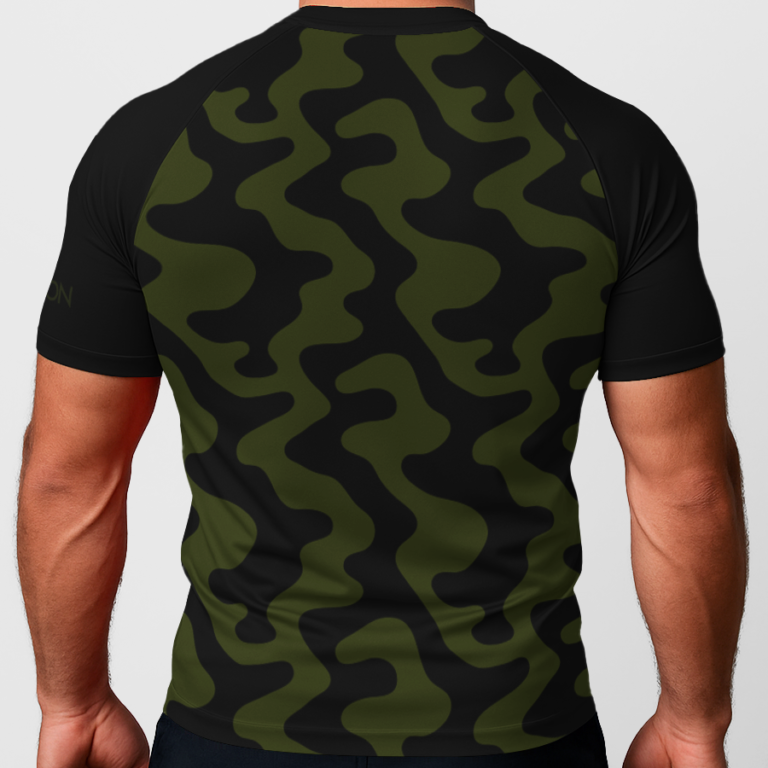
A properly fitted rashguard lies flat against the skin across the chest, back, and torso without creating diagonal tension lines in the fabric. Those diagonal creases — running from one shoulder to the opposite hip — are the telltale sign that the shoulders are too narrow for the chest, or vice versa. The seams should sit exactly where the anatomical boundaries are: shoulder seams at the shoulder joint, not pulled toward the chest or back. If the seam migrates off the shoulder during movement, the chest-to-shoulder ratio is off for your frame, and no amount of washing or breaking in will fix it.
The hem is another diagnostic point. A well-cut rashguard hem stays below the waistband of your shorts even when both arms are raised fully overhead. If it lifts above the shorts when you shoot for a double leg or reach for a kimura grip, you will be tucking it back in mid-round — and giving your training partner grip exposure every time it happens. This is one of the few fit checks you can do immediately after ordering without needing a training partner: stand, raise both arms straight overhead, and watch the hem. If it reaches your navel, it passes. If it does not, it will fail you on the mat.

When the Rashguard Is Too Tight
Over-compression is easier to identify than under-compression, but grapplers still buy into it. The common belief that tighter equals better contact and better performance leads people to size down when they are on the border between two sizes. In most cases this is a mistake. A rashguard that is genuinely too small creates horizontal stress lines across the chest and upper back — the fabric pulling laterally against the structure of your torso. Sleeve length shortens as the garment tries to widen across the chest. Shoulder mobility feels subtly blocked at the top of overhead reach, the exact range of motion you need for arm drags and underhook battles.
More critically in no-gi, a too-tight rashguard can limit spinal flexion. Passing guard, turtling up, and working from the bottom of mount all require rounding the back into deep flexion. If the garment is pulling taut across the upper back during these positions, you are working against resistance that does not belong in the equation. Compression fabrics stretch more than most people expect under dynamic load. When in doubt between two sizes, size up.
When the Rashguard Is Too Loose
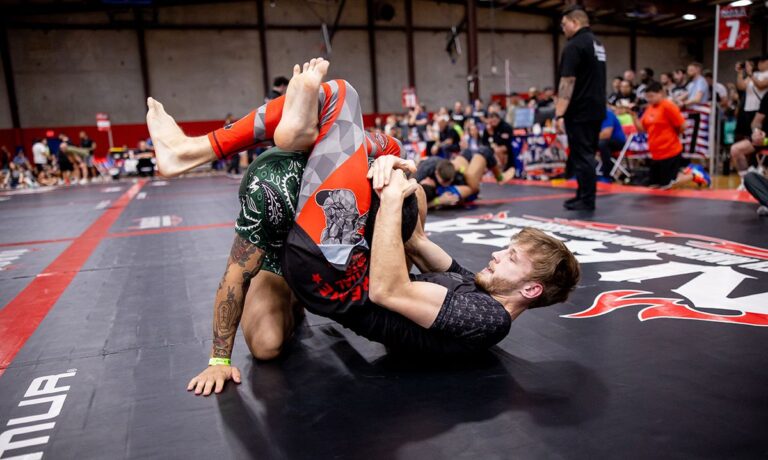
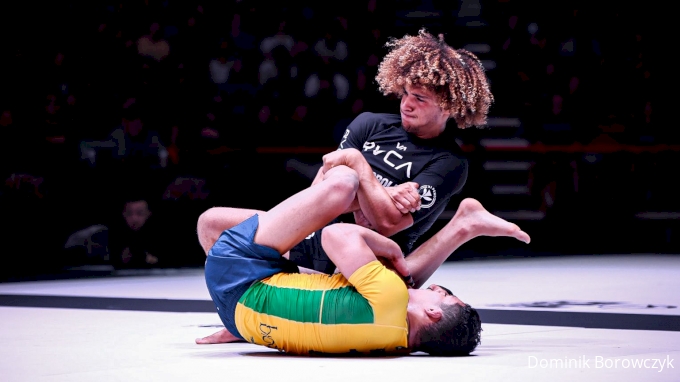
A rashguard that is too loose has a different but equally disruptive set of problems. The fabric pools in the armpits during underhook battles, creating friction points that cause irritation across multiple rounds. From the bottom of closed guard or triangle, a loose rashguard around the torso offers unintended grip material — especially common with training partners who are not disciplined about avoiding fabric grips in no-gi. The collar area on a loose rashguard bunches around the neck during forward pressure positions, which becomes a distraction and occasionally a choke assist you did not intend to provide.
Loose rashguards also lose their thermoregulation benefit. Compression fabric works with your body heat and sweat to form a microclimate that manages temperature and wicks moisture outward. When the fabric is not in consistent contact with the skin, that function degrades. You may overheat faster, or find sweat pooling inside the garment rather than moving through it — both of which affect performance across a long training session.
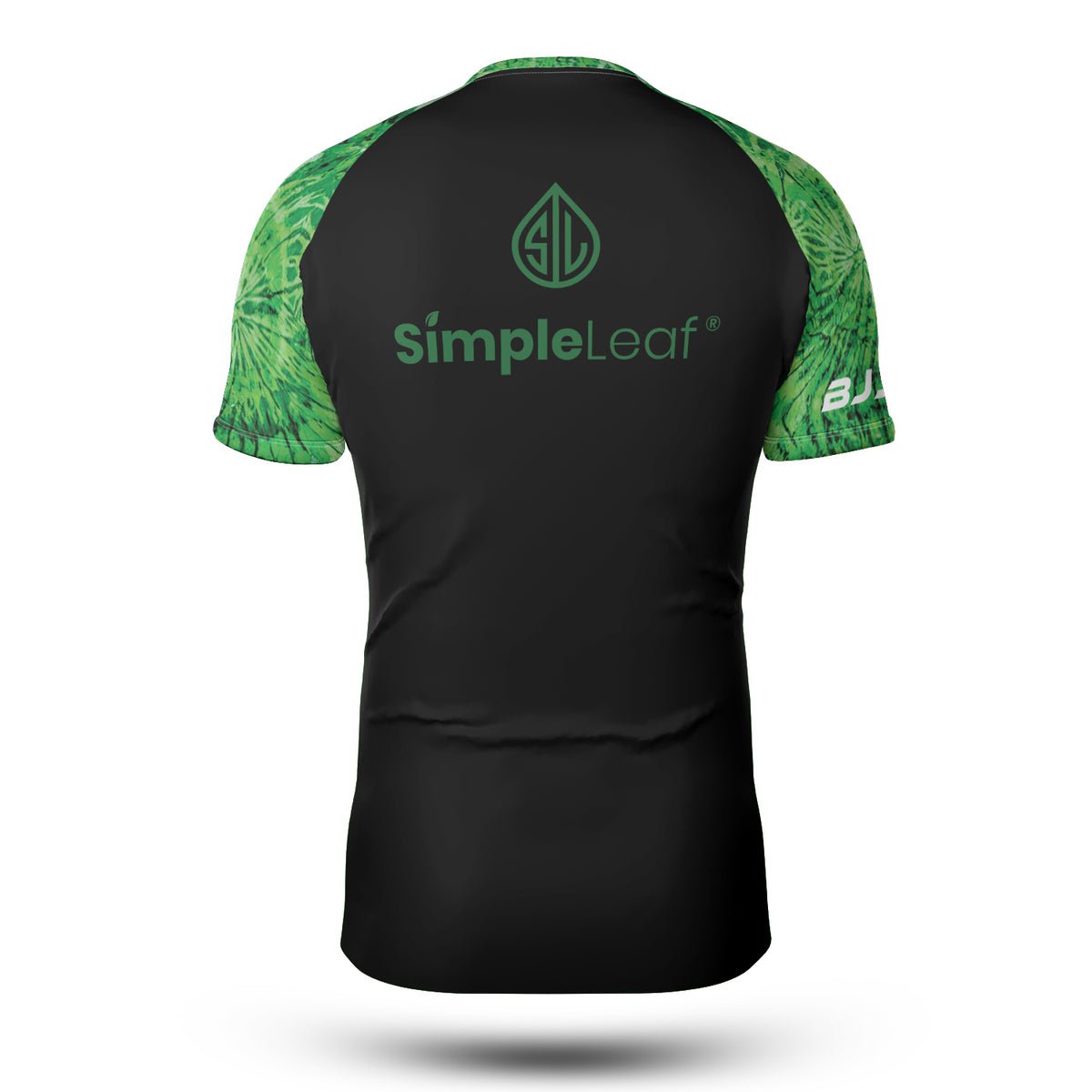
A Three-Movement Test for Fit Before You Commit
If you have the opportunity to try a rashguard before buying — at a tournament vendor, in a local shop, or within a return window — run three movements before deciding the fit is acceptable. First, raise both arms directly overhead: check that the hem stays below the waistline and that the collar stays in place without pulling tight against the throat. Second, cross both arms over your chest in a self-hug and round your upper back: the garment should stretch smoothly without the back seams pulling laterally or the fabric bunching into horizontal bands across the shoulder blades. Third, squat to parallel with arms extended forward: the rashguard should not lift significantly from the back waistline or create bunching at the elbow crease.
These three movements cover the vast majority of positions in no-gi grappling. Guard work, back takes, and leg lock entries all derive from variations of these shapes. If the rashguard passes all three without obvious restriction or excess fabric, it is a working fit for your frame. If it fails one, note which — that tells you the specific dimension where your body and the brand’s cut diverge, and you can use that information when comparing other brands rather than guessing again from scratch.
How Brand Sizing Actually Varies in Practice
Brand sizing charts are not interchangeable. A medium from Hyperfly fits differently than a medium from Tatami, and both fit differently from a Scramble medium — and this is not a quality issue, it is a body proportion issue. Hyperfly cuts tend to run longer in the torso, which benefits taller grapplers but creates excess fabric around the midsection for shorter, stockier builds. Tatami’s cuts generally run more athletic through the chest, rewarding broad-shouldered grapplers who carry less through the midsection. Scramble has historically cut slightly shorter in the torso, making it popular among stockier frames that would otherwise size down on other labels.
This means the correct size is brand-specific, and sometimes position-specific on your body. Two brands where you wear a large may have a medium from one sitting looser than the large from the other. The letter size is just an entry point — the measurements on the sizing chart are what you should actually be reading. Measure your chest at the widest point and your torso from shoulder to hip, then compare directly to the brand’s published measurements. When those numbers match, the letter will follow. When you skip the measurements and go straight to the letter, you are trusting a label that was calibrated for a different body than yours.
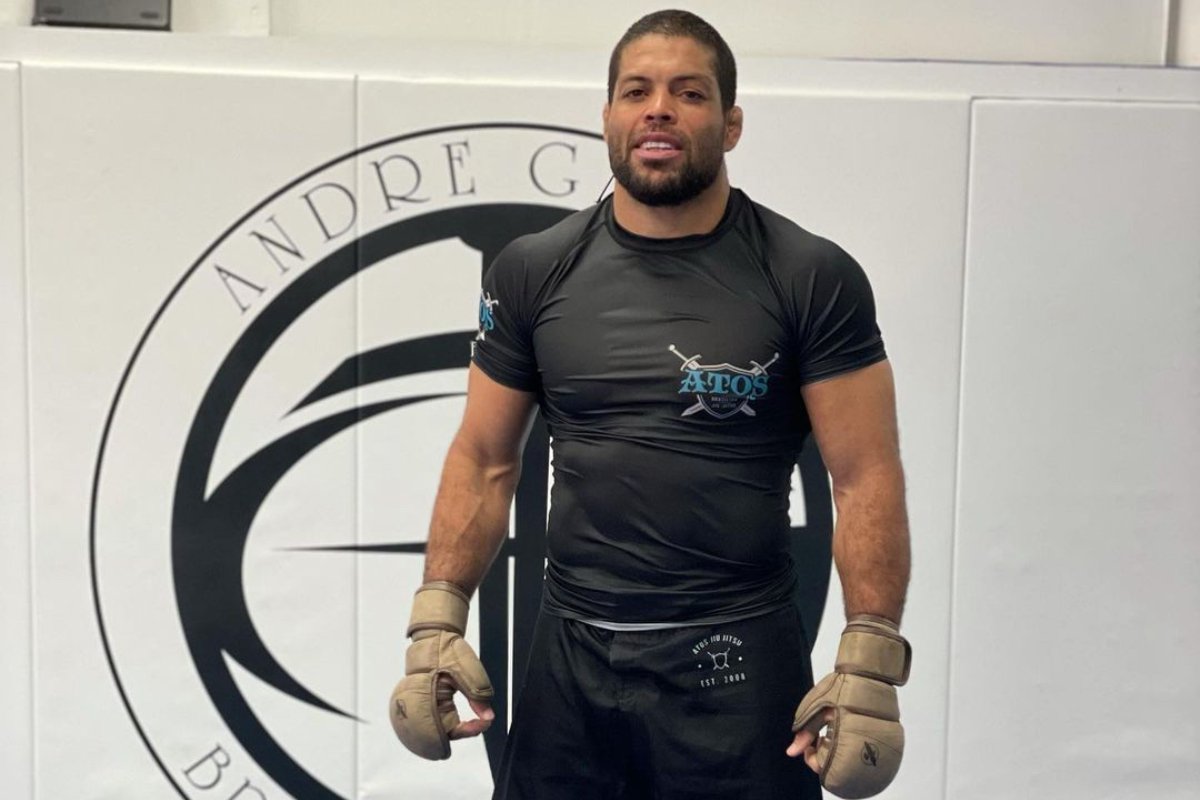
What Happens to Fit After Repeated Washing
High-quality compression fabrics — the polyester-spandex blends common in performance rashguards — are engineered to hold their dimensions through repeated wash cycles. A rashguard that fits correctly on day one should fit within a few percent of that same fit after a hundred wash cycles, assuming you are not using hot water or high dryer heat. Heat is the enemy: hot water relaxes spandex fibers and high dryer heat degrades them permanently. Wash cold, hang dry, and the fit you bought is the fit you keep for a long time.
Lower-end rashguards using higher cotton content or cheaper synthetic blends will shrink. If you are buying budget gear, sizing up by one in anticipation of shrinkage and then washing cold to slow the process is a reasonable approach. The fit will degrade over time regardless, but you will get more months out of the garment before it starts riding up or feeling constrictive in the shoulders.
Some grapplers intentionally buy a rashguard slightly large and wash in warm water to control the shrink-in — essentially breaking the garment to their exact frame over two or three washes. This works only if the initial oversizing is modest. Going two full sizes up and trying to shrink down rarely produces uniform results: the torso may shrink more than the sleeves, or the collar may tighten more than the shoulders, creating a final fit that is inconsistent across the garment and uncomfortable in different positions depending on where the uneven shrink landed.
Training Fit Versus Competition Fit
Most grapplers who compete seriously keep two rashguards in rotation: a workhorse for daily training and a tighter-fitting piece reserved for competition. The logic is straightforward. A training rashguard absorbs more wash cycles, more contact wear, and more sweat than competition pieces. Over time the compression relaxes slightly. A training rashguard worn daily for six months may fit correctly for the first four and feel slightly loose for the last two. That progression is acceptable for drilling. It is not ideal for competition, where even minor fabric looseness means minor grip exposure you do not want to give a skilled opponent who is already looking for any edge.
Competition rashguards must also meet color rules depending on the promotion. IBJJF no-gi events and many ADCC-format events require rashguards to match a color designation tied to rank or division. Before buying a rashguard specifically for competition, check the rules for your specific promotion. Some events require full color matching across top and shorts; others require only that the rashguard include the correct color; others have no color rules at all. The fit standard for competition is the same as training, but the selection process includes a rules check that training purchases do not.

The Standard to Hold Any Rashguard To
A rashguard that fits correctly becomes invisible. You do not adjust it, you do not think about it, and it does not affect how you move through positions. That is the standard. If you are pulling it down mid-round, if you cannot reach full overhead extension, if it bunches under your armpits during underhook battles, it is the wrong fit — regardless of what the label says. Use the body measurements instead of the letter size, run the three-movement test before committing, account for the brand’s specific cut tendencies, and wash cold to protect the fit you bought. Get those things right and the only thing you will notice on the mat is your game.
Sources
International Brazilian Jiu-Jitsu Federation — no-gi ruleset and uniform regulations including rashguard color requirements by rank and division.
FloGrappling — leading broadcast platform for no-gi submission grappling events; primary video and editorial source for competitive no-gi coverage.