Japanese Necktie No-Gi: 5 Setups to Finish from the Front Headlock
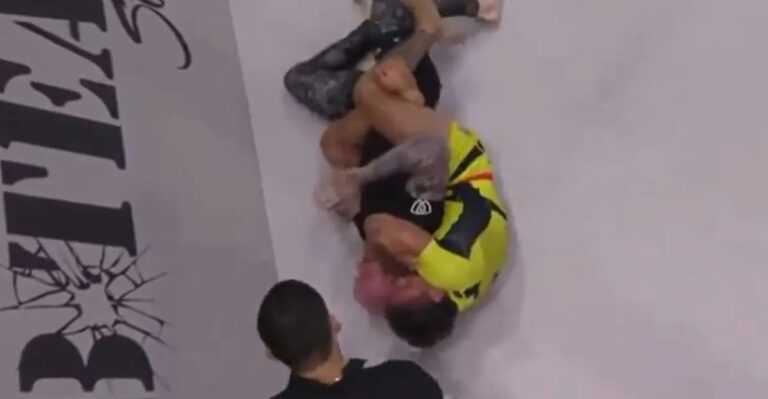
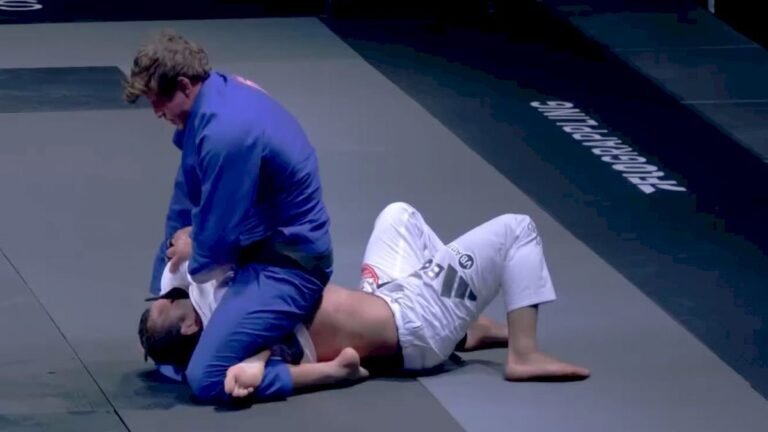
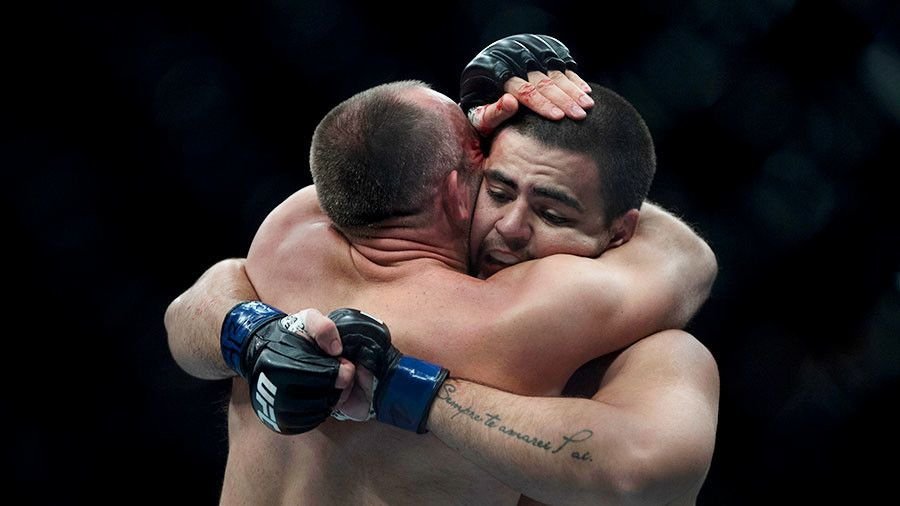
Richie “Boogeyman” Martinez tapped four opponents in a single MMA tournament using the Japanese necktie — a front headlock variation so underused that most grapplers have never drilled a single defense for it. Unlike the guillotine, which people train against constantly, the Japanese necktie arrives from an angle nobody prepares for. The setup looks like a failed D’arce or an awkward clinch until the moment the grip locks and the pressure arrives all at once.
Why the Japanese Necktie No-Gi Actually Works
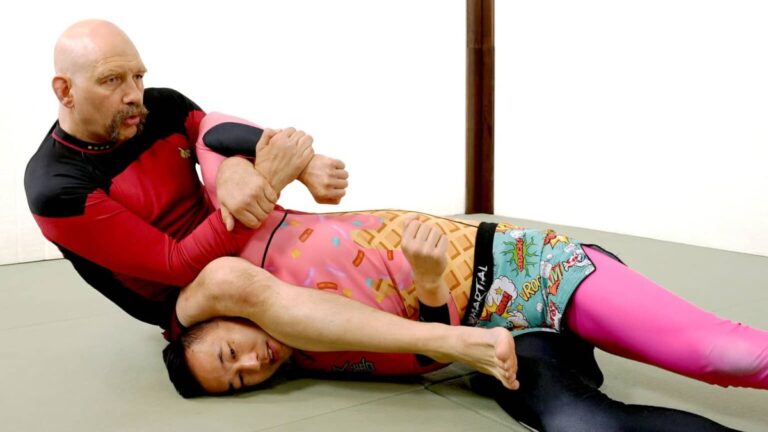
The Japanese necktie occupies a specific lane between the D’arce and the Peruvian necktie. The initial arm threading is similar to the D’arce — your arm goes through the opponent’s armpit and wraps around their neck — but the finish is entirely different. Instead of a bicep-to-bicep grip behind the neck, you lock a gable grip and use your body weight to create two simultaneous pressure points: your forearm against their carotid artery and your chest against the back of their skull.
That dual pressure is what makes the Japanese necktie forgiving. If your forearm position is slightly off for a clean blood choke, the neck crank component covers the gap. IBJJF rules allow the technique because the blood choke element dominates the mechanics, but in competition you’ll see taps from both components. The technique finishes either way.
In no-gi, the grip is a gable lock — palms pressed together, fingers interlaced. The friction from gi fabric that makes the gi version easy to maintain doesn’t exist here, so your initial threading depth matters more. Get sloppy on the thread and you’ll spend the rest of the scramble fighting to tighten while they posture out.
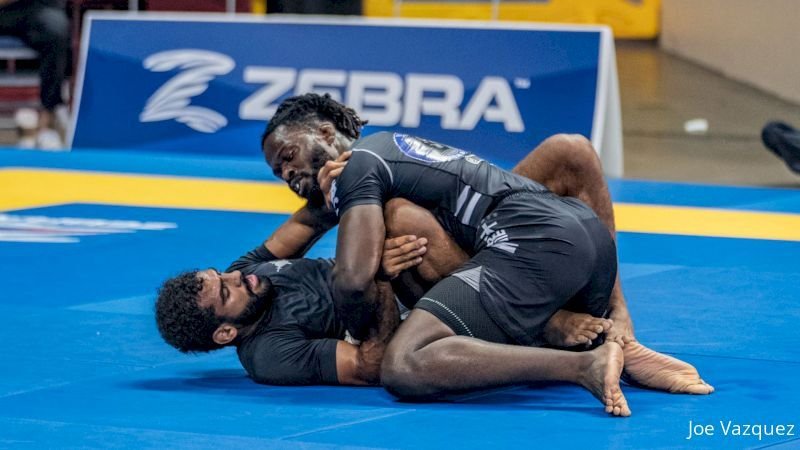
Japanese Necktie from the Turtle Position
The turtle is the primary entry point because the opponent’s arm is already positioned for you to thread. When someone turtles up and you’re behind or to their side, their inside arm sits close to their body — leaving just enough gap between arm and neck for your threading arm to shoot through.
Drive deep. You want your elbow to clear their shoulder line so your forearm presses against their neck, not their jaw. Shallow threading is the most common mistake here: you end up squeezing on their upper arm and wondering why the choke feels loose despite a tight grip. If you can’t feel your forearm against their neck, you’re not deep enough. Re-thread before locking the gable.
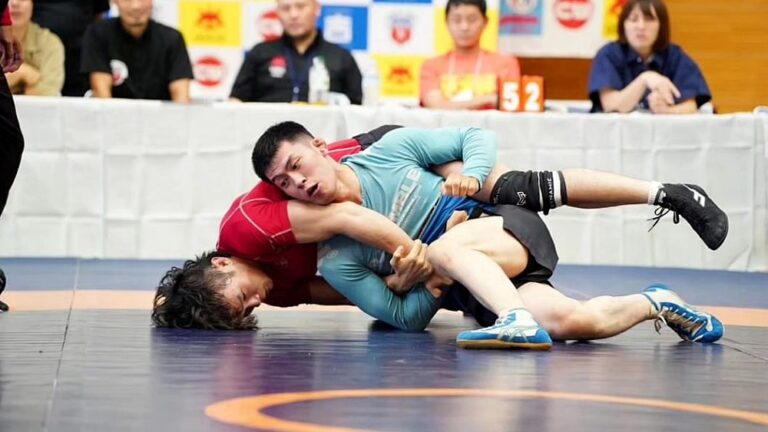
Once the gable grip is set tight against the side of their neck, find your hook. Your inside leg hooks their far leg at the thigh, pulling it toward you. This blocks their roll-out escape and creates the angle you need for the finish. Drop to your side — the same side as your threading arm — and press your chest and stomach onto the back of their head. The hook pulling their hips away and your chest pressing their skull toward the mat: that’s the pinch. It finishes fast.

Japanese Necktie from Half Guard Top
Top half guard is a reliable setup because your hip position already blocks your opponent’s movement. When you have top half guard with a cross-face, your opponent’s inside arm and neck are sitting in exactly the position you need for the threading.
Use the cross-face to drive their head down and to the side. As you do, shoot your cross-face arm through the near armpit gap — the same threading motion as from the turtle, just entered from a different angle. Lock the gable grip. Your knee in half guard becomes the leg hook. Drive that knee into their hip as you drop your weight and press your chest onto the back of their skull.
The Americana threat is a natural setup here. If you’ve been attacking the Americana from top half guard, your opponent will pull their trapped arm in tight to defend. That defensive tightening is exactly what opens the armpit gap you need to thread. Run the Americana as a genuine threat — not a fake — and thread when they commit to the defense.
The position also allows a D’arce attempt as a threat in the other direction. Opponents defending the D’arce tend to bring their arm across their body; opponents defending the Americana tend to pull it in and down. These two defensive postures open two different threading windows. Knowing which submission to call based on which defense they give you is what makes top half guard a complete attacking position.
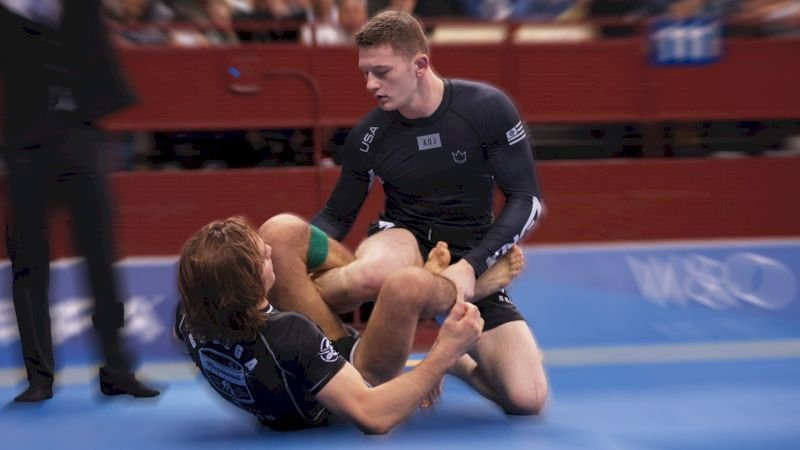
Japanese Necktie from Side Control
Side control transitions give you the second most common entry. When you’re in tight side control and your opponent starts to turtle — the natural defensive reaction — their arm comes up and the threading window opens. Most grapplers chase the mount at this moment. Let them go to turtle and hit the Japanese necktie instead.
As they roll to their side and post their arm to push up, shoot your near arm through before they complete the turtle. Thread deep immediately, lock the gable grip, and look for the leg hook. Speed is everything in this version. They haven’t settled into a defensive position yet, so their arm is loose and the thread goes in easily. A second later and they’ll tighten up and you’ll be fighting for the entry instead of finishing the choke.
If they complete the turtle before you can thread, shift to a front headlock approach: sprawl your hips back, circle to the front of their head, and reach through from that angle. It’s a slower entry but the choke mechanics are identical once the grip is set.
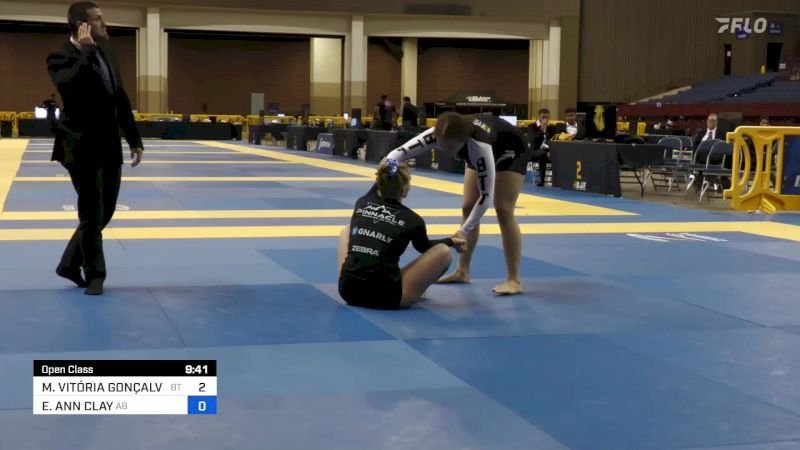
Japanese Necktie from the Front Headlock
A sprawl after a failed double leg shot puts you directly into front headlock territory — and the Japanese necktie is one of the highest-percentage attacks from there. The opponent’s head is down and their near arm is extended from the failed shot, which makes threading straightforward compared to breaking through a defensive turtle.
Reach your near arm under their far armpit as you maintain the front headlock with your other arm. Once you’ve threaded and locked the gable grip, step your body laterally — to the side opposite your threading arm — before dropping to the mat. The lateral step angles your chest correctly over their upper back so the pressure lands on the back of their skull rather than dissipating sideways.
The front headlock position supports a complete chain of attacks. If they posture up to defend the Japanese necktie, the guillotine no-gi opens as they straighten their neck. If they tuck their chin and try to underhook your near leg, the D’arce choke no-gi appears. These three submissions cover every defensive response from one starting position. When your opponent is deciding between three bad options, they’re already losing.
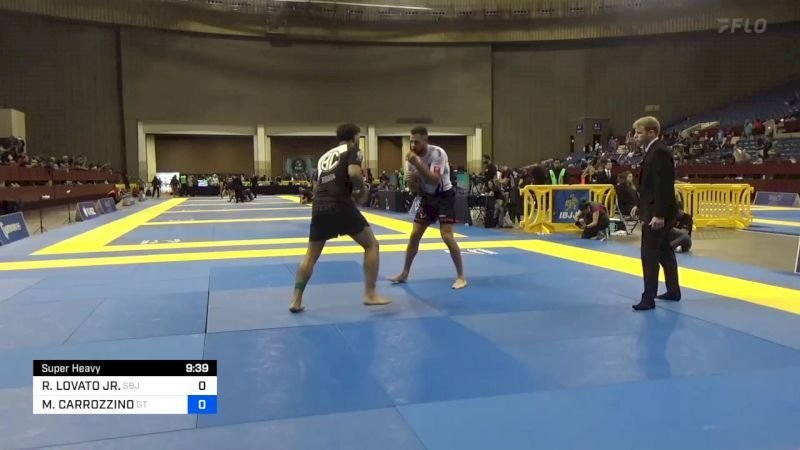
Japanese Necktie vs. Peruvian Necktie: What’s Different
Both chokes start from the front headlock and use similar initial grips, but the finishing mechanics are different enough that they’re not interchangeable.
The Peruvian necktie no-gi finishes by stepping over the opponent’s back and driving a leg against their shoulder to crank and compress together. It requires more space and a bigger body movement. The Japanese necktie drops in place — you fall to the side and press your chest into the back of their head. That smaller movement makes it faster to finish and harder to see arriving.
Chin tuck is a major problem for the Peruvian necktie; the Japanese necktie is significantly more tolerant of it. Because the Japanese necktie applies pressure to the side of the neck rather than directly under the chin, a defensive tuck reduces but doesn’t eliminate the choke pressure. In no-gi, where opponents are constantly looking for defensive frames, that resilience is practical rather than theoretical.
The Peruvian necktie tends to show up at the elite level after a scramble from a guard pass. The Japanese necktie is more common from dedicated turtle hunting and double leg sprawls. Both are worth drilling because they cover different defensive reactions from the same starting position.

Why the Japanese Necktie Fails No-Gi
Three mistakes account for most failed attempts. Shallow threading is first: when your arm doesn’t clear the opponent’s shoulder, you’re squeezing on their upper arm and the blood choke component doesn’t exist regardless of grip tightness. Rule of thumb — if you can’t feel your forearm pressing against their neck, you haven’t threaded deep enough.
Skipping the leg hook is second. Without the hook, your opponent can roll toward you when you drop to the side. They follow your movement, the angle that creates the pressure disappears, and the choke loosens. The hook pins their hips so they can’t follow you when you fall — your body and theirs move in opposite directions, which is what tightens the submission.
Falling the wrong direction is third. You drop toward your threading arm, not away from it. This feels counterintuitive at first — you’re essentially falling into the choke rather than pulling it — but going the wrong way reverses the pressure entirely. Drill the direction until you stop second-guessing it mid-scramble.
Defending the Japanese Necktie
The best moment to defend is when the arm is threading. Once the gable grip locks behind your neck, your options narrow fast. If you feel an arm starting to come through your armpit, pull that arm down and into your body immediately — close the gap so the thread can’t complete. This is identical to defending the D’arce choke and it works for the same mechanical reason: neither choke can tighten without the threading arm being deep.
If the grip is already locked, drop your near hip to the mat on the side opposite the choke and drive your shoulder forward to create space at your neck. This disrupts the angle that allows their chest to press your head. Without chest pressure, the blood choke loses most of its force and you have a window to free your arm from the thread. Spinning in toward the attacking side can also shift the pressure enough to survive until you can frame out.
Tap when you feel the choke tightening rather than waiting for blackout pressure. The neck crank component can cause muscle strain before the blood pressure builds to a conscious level. Holding out gains you nothing — the submission finishes cleanly once it’s set.

The Japanese necktie rewards grapplers who already have a front headlock or D’arce game. If you’re threading arms and fighting for darce grips, this submission is one adjustment away — gable grip instead of bicep grip, plus the leg hook. Add it to your front headlock system and you give your opponent three submissions to defend from one position. That kind of pressure is what forces the tap before the choke even locks in fully.
Sources
- BJJ World: Is The Japanese Necktie The Tightest BJJ Choke Ever? — Technical breakdown of mechanics and variations
- Evolve MMA: Here’s How To Do The Japanese Necktie In BJJ — Step-by-step setup and finishing guide
- BJJ Fanatics: The Japanese Necktie with Lachlan Giles — Black belt breakdown of the technique and common errors