Hyperfly, Tatami, or Scramble: How to Pick the Right No-Gi Rashguard Brand in 2026
Walk into any major no-gi tournament in 2026 and one thing becomes immediately clear: the rashguard market has matured. Where a decade ago grapplers grabbed whatever compression top fit the budget, today’s no-gi athletes make deliberate, informed choices about what goes on their back. Brands have responded by pouring serious R&D into fabrics, cuts, and construction. The result is a market rich with genuine options — and one that rewards buyers who know what they’re actually comparing.
The question most grapplers type into Google is “best rashguards for BJJ and grappling,” but what they really need isn’t a ranked list. They need to understand what separates the brands producing elite-level gear from those selling the same polyester blend with a louder print. This guide breaks down the top names in the 2026 market — Hyperfly, Tatami Fightwear, Scramble, and Origin — and what each brand actually delivers when the round starts.
What the Competition Mat Tells You About Rashguard Quality
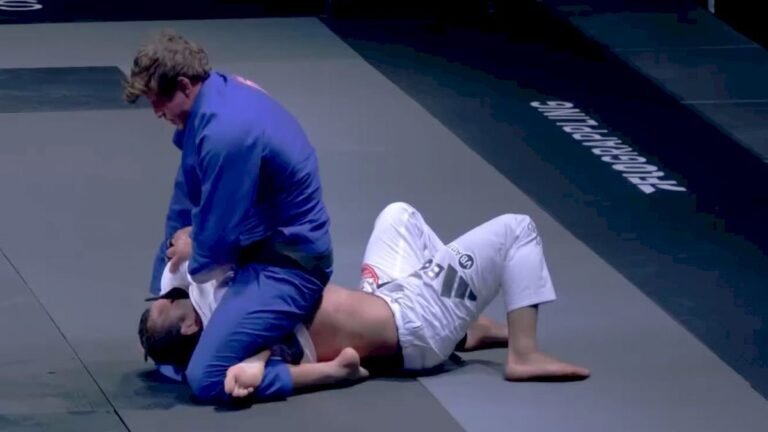
Before diving into specific brands, it’s worth establishing a baseline: the no-gi competition circuit is one of the most reliable product tests in the gear world. When athletes compete at ADCC qualifiers, FloGrappling events, or EBI-style submission-only tournaments, they’re not wearing what sponsors pay them to wear — they’re wearing what they trust. At that level, a rashguard failing mid-match isn’t a minor inconvenience. It’s a distraction that costs points and positions.
What you’ll notice across the competition floor is that the rashguards performing best share common traits: flat-lock stitching that doesn’t tear under grip-fighting pressure, moisture management that keeps the fabric from becoming dead weight after the first exchange, and a compression profile that supports muscle output without restricting the explosive hip extensions and shoulder rotations that no-gi demands. These aren’t marketing words — they’re observable differences between gear that holds up and gear that doesn’t. Studying what elite grapplers reach for when it counts is the most honest buying guide available.
Hyperfly — Engineering for the Competitive Athlete
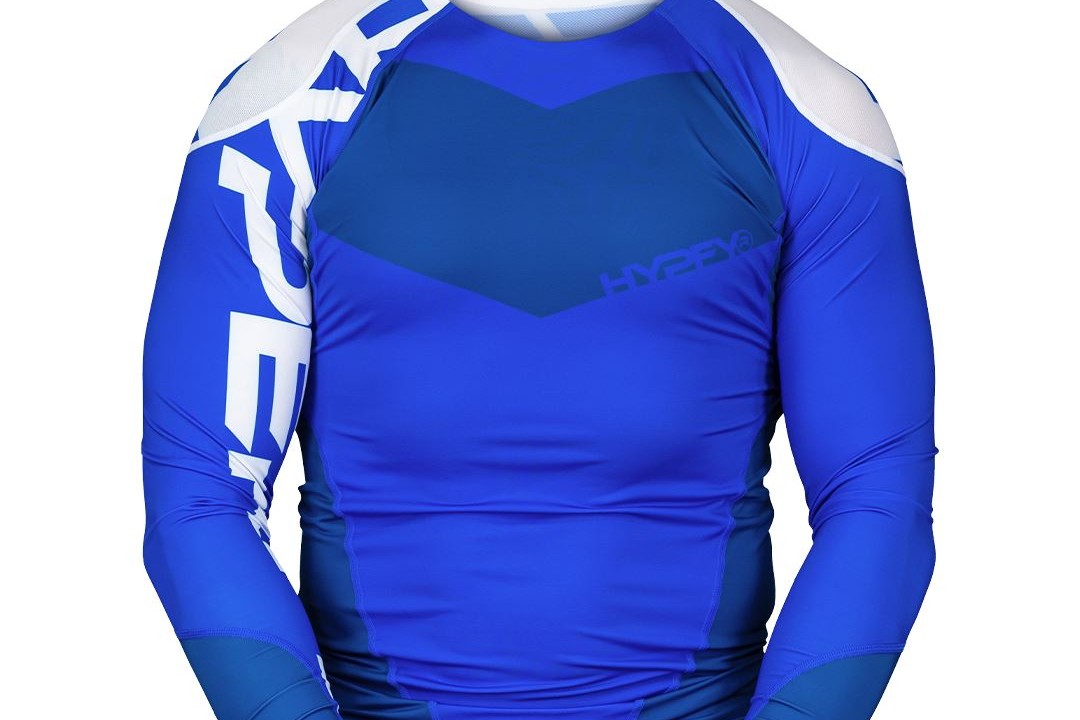
Hyperfly has positioned itself as the technical leader in the BJJ apparel space, and for good reason. The brand built its reputation on compression wear before most competitors had figured out that a rashguard was a functional tool rather than a branded t-shirt. Their proprietary HyperKraft fabric technology — a high-stretch polyester-spandex blend engineered specifically for mat sports — is genuinely different from generic sublimated compression gear in ways you feel immediately when moving on the mat.
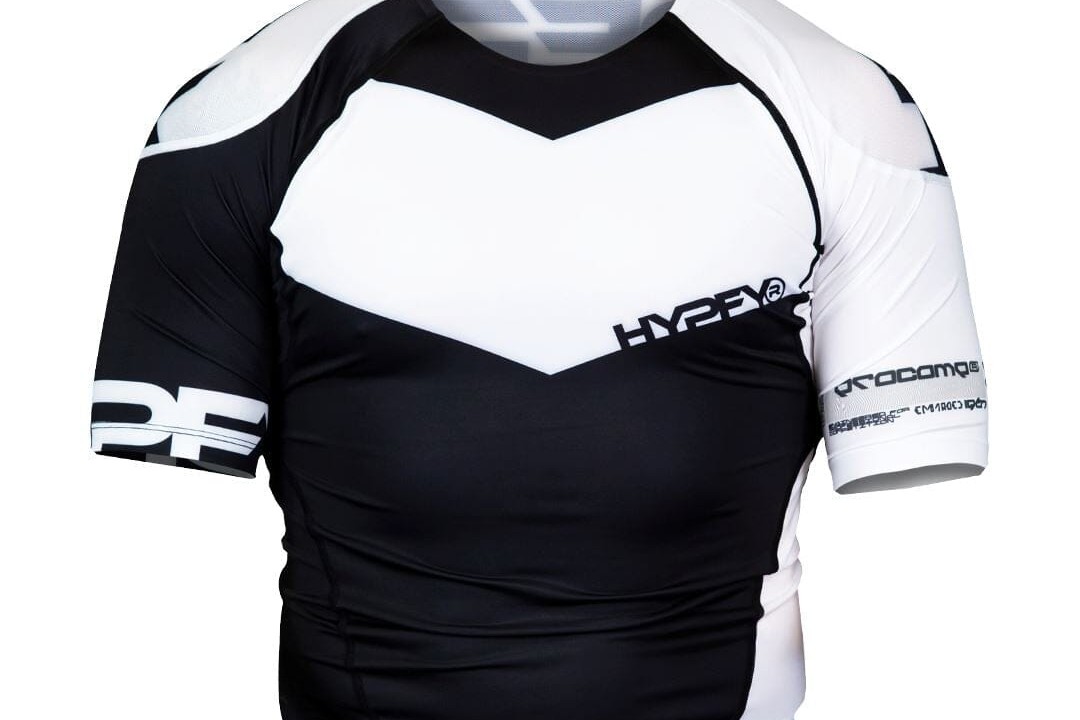
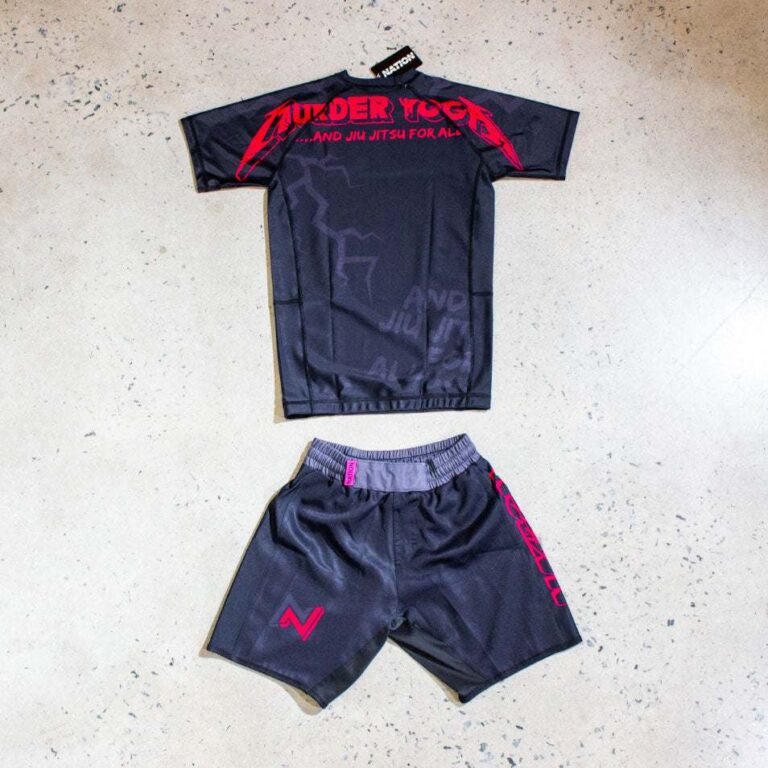
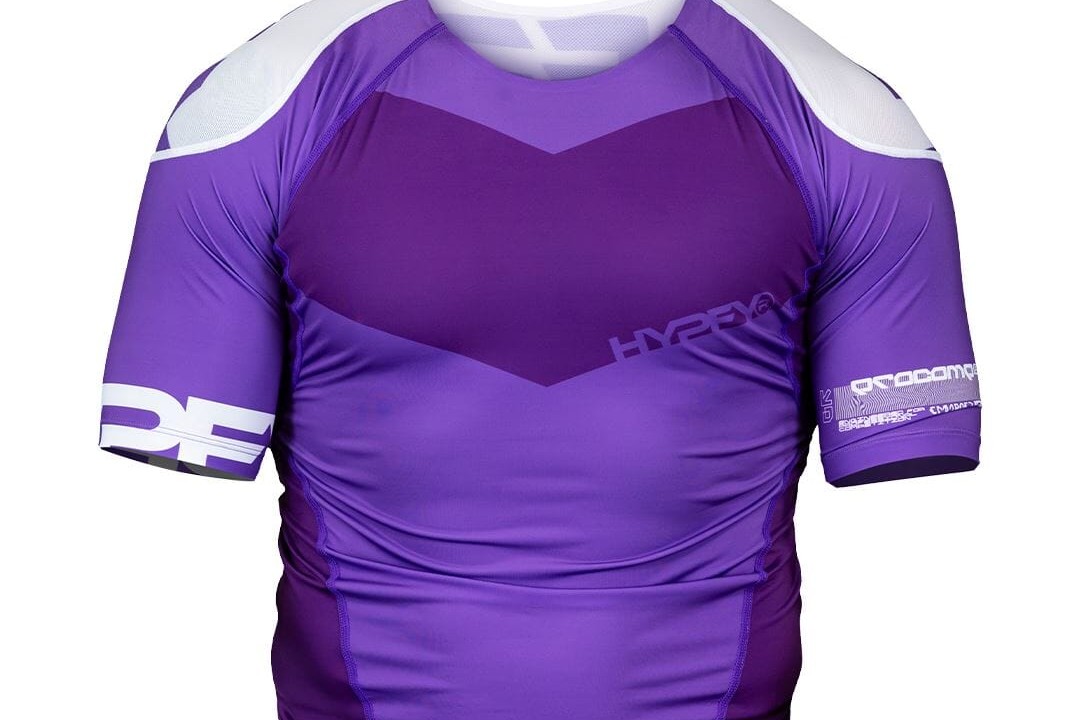
What Hyperfly gets right is the performance-to-weight balance. Their rashguards compress without constricting, which matters most when you’re bridging from the bottom or shooting a tight double-leg. The sublimation printing holds color through extended washing cycles better than most brands at the same price point — typically in the $55–$80 range — and IBJJF-legal colorways make their training rashguards double as competition gear without requiring a separate purchase.
The brand’s foothold in the high-level no-gi community isn’t accidental. You’ll see Hyperfly gear consistently at FloGrappling events, worn by athletes who have every free option available and still choose to pay for their preferred performance fit. The competition cut runs tighter and shorter than most of the market — optimized for no-gi grappling where loose material becomes a liability in scrambles and leg entanglement positions. For a grappler whose training volume justifies the price tier, Hyperfly consistently earns its place at the top of the best BJJ rashguard conversation in 2026.
Tatami Fightwear — The No-Gi Community’s Most Reliable Option
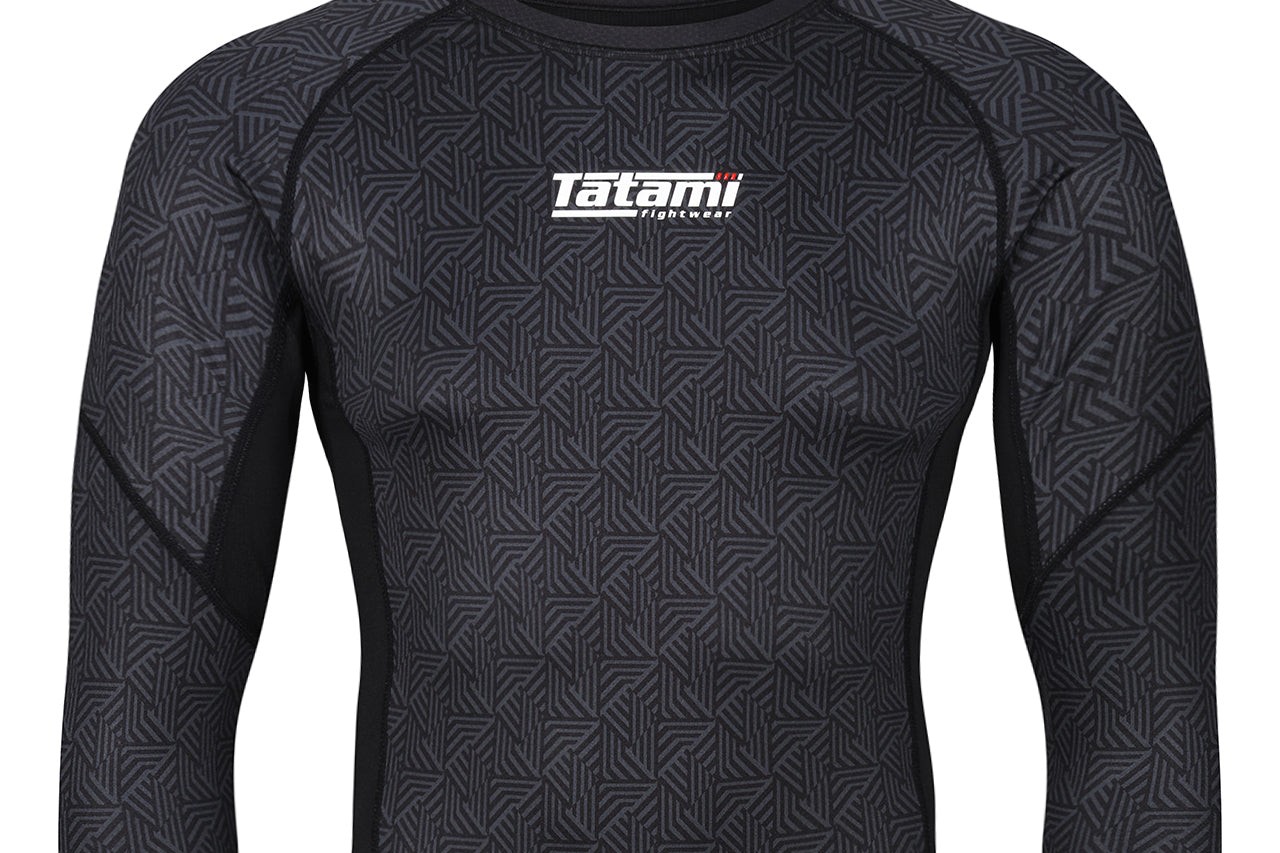
Tatami Fightwear’s durability track record is why the UK-based brand keeps appearing in best-rashguard-for-grappling recommendations even after more than a decade in the market. Tatami took a manufacturing-first approach early on, emphasizing stitch quality and fabric consistency before the aesthetic arms race in BJJ apparel made sublimation printing the primary differentiator. That founding logic still shows in the product.
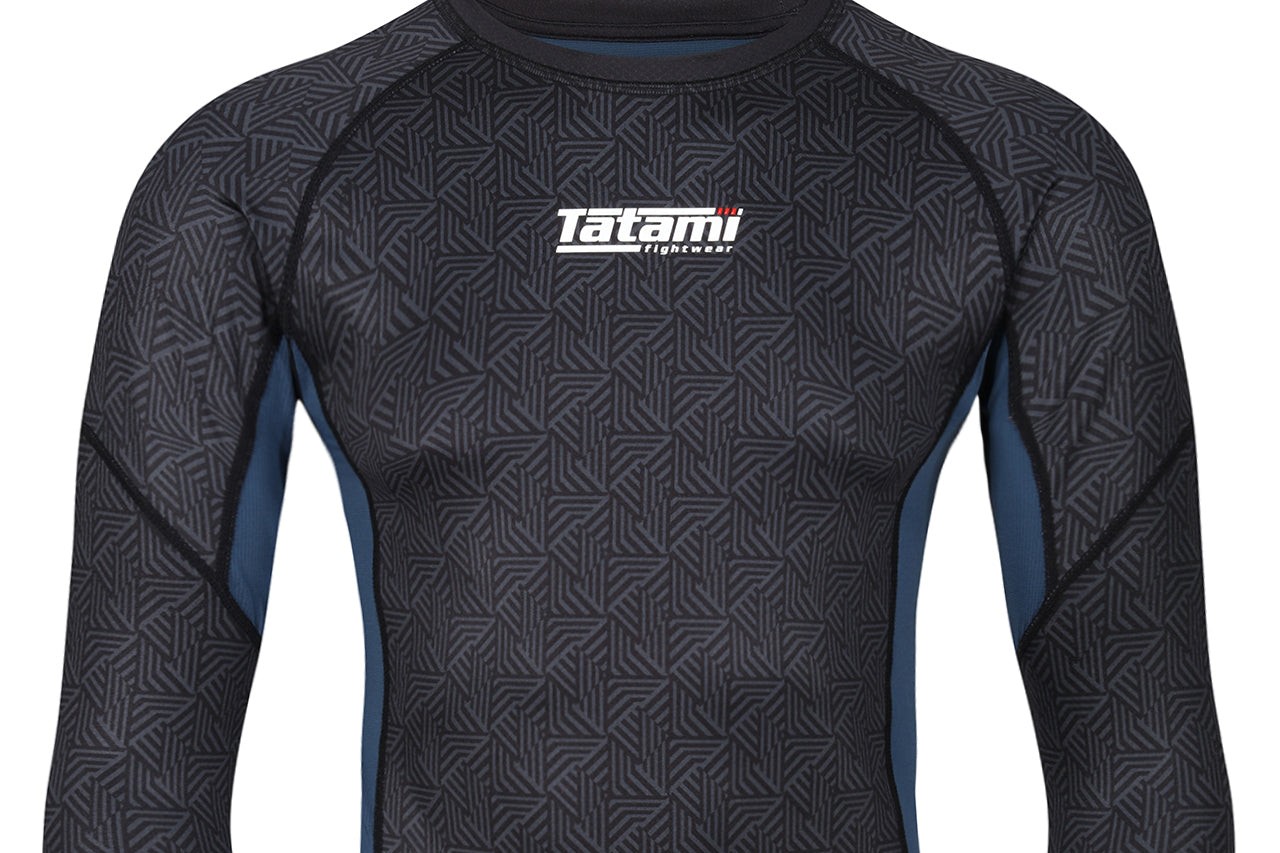
A Tatami rashguard bought two years ago looks largely the same in 2026 as it did the day it arrived. That’s not a small claim. Cheaper rashguards lose elasticity, fade unevenly, and develop micro-tears at seams within six to twelve months of regular hard training. Tatami’s construction resists this degradation better than most of the market. For grapplers who train four or five times a week and put serious mileage on their gear, that longevity calculus changes the effective price per use significantly — often making Tatami the cheaper option over a two-year window despite costing more upfront than budget alternatives.
The brand’s range covers multiple weight categories. They produce both lightweight no-gi-specific rashguards and slightly heavier versions designed for wrestling crossover and cold-gym training, which gives buyers more targeted options than many competitors offer. Pricing sits in the $35–$65 range depending on the line, making Tatami one of the strongest value propositions in the 2026 market for serious training gear that doesn’t need replacing every season.
Scramble Brand — Grappling Culture Meets Technical Performance
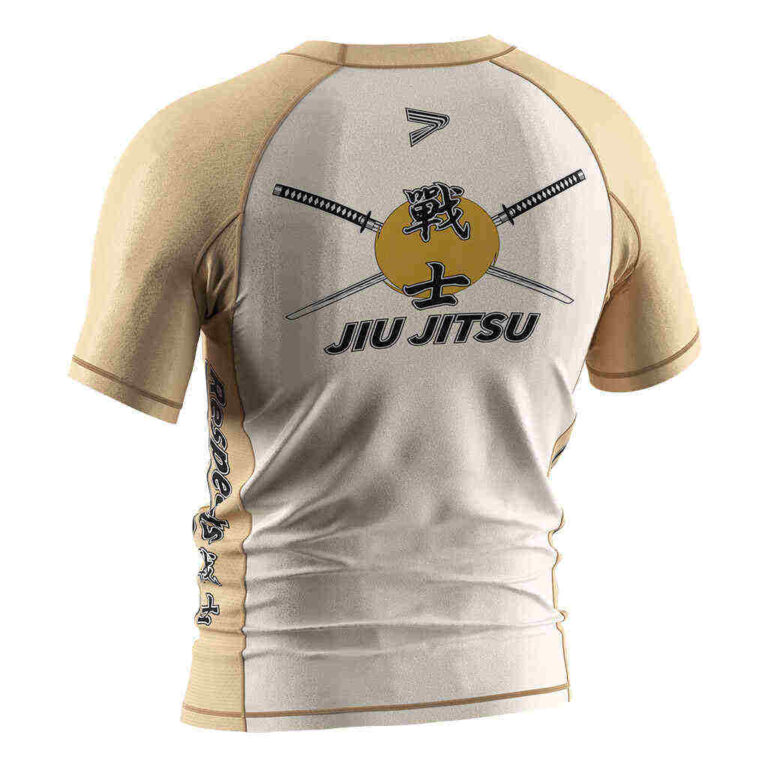
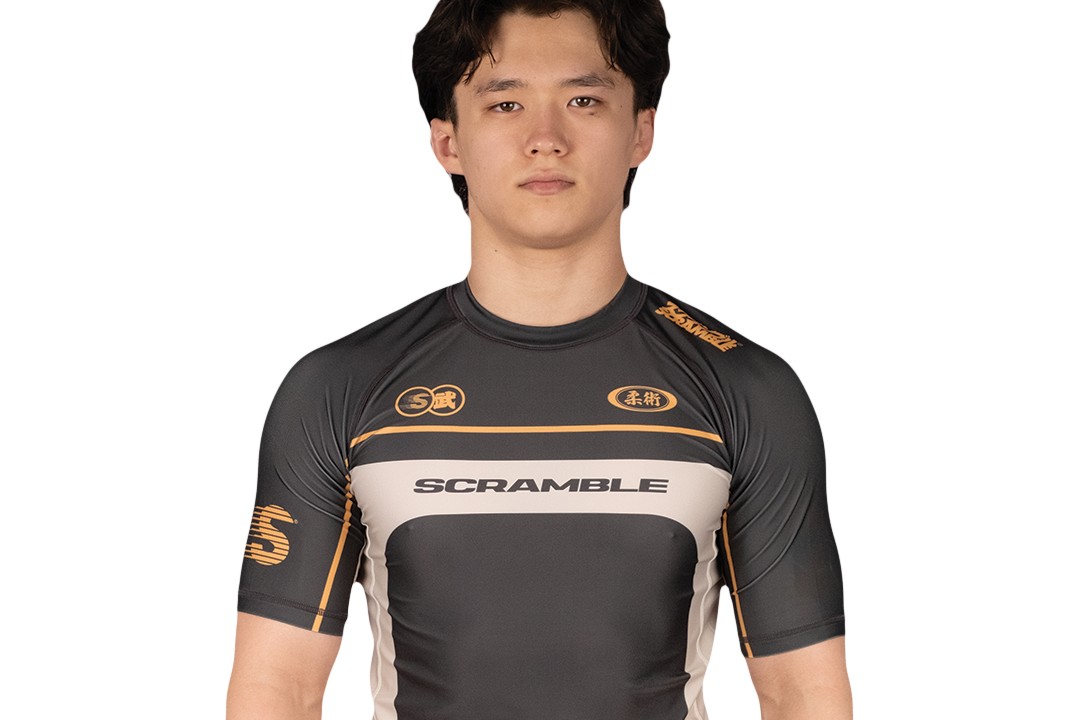
Scramble occupies a distinct lane in the rashguard market: cultural credibility backed by genuine technical performance. The brand grew out of the intersection of grappling and martial arts culture, incorporating design influences that feel intentional rather than template-generated. If you’ve spent time in the no-gi BJJ community, you’ve seen Scramble gear on athletes who care about both how their equipment performs and what it communicates about their relationship to the sport.
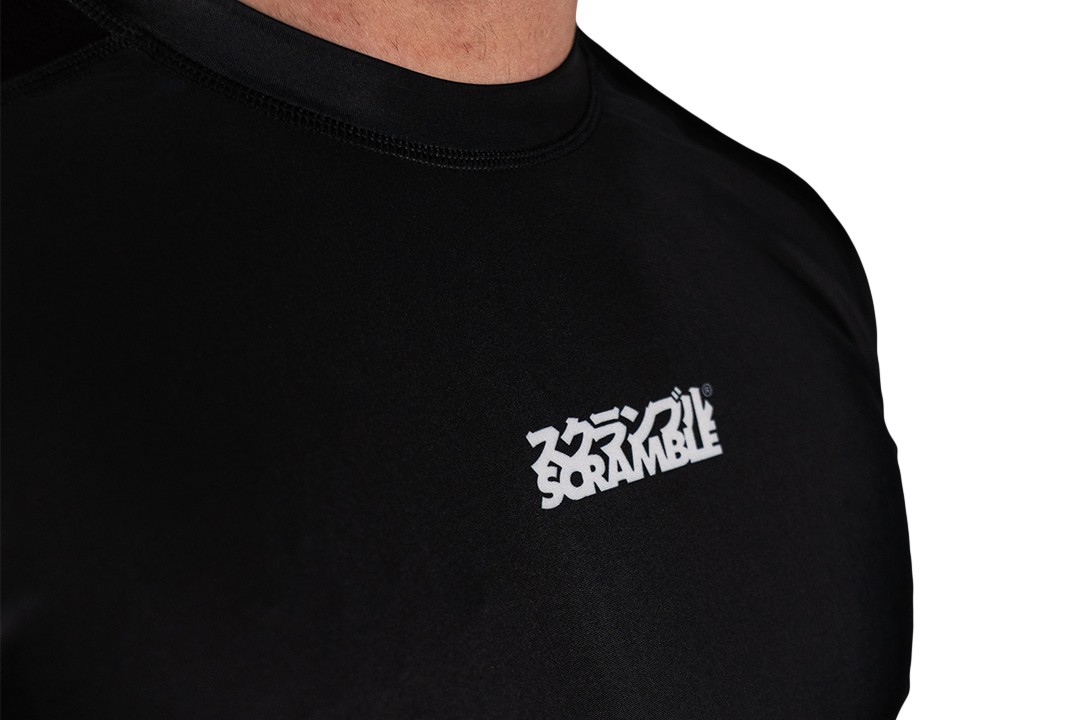
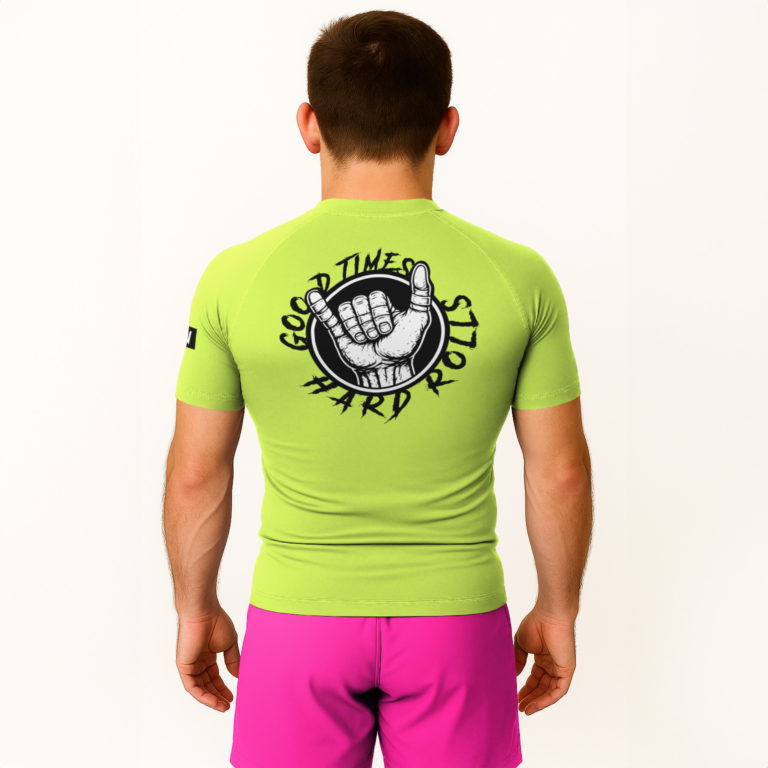
Dismissing Scramble as style-over-substance would miss what the brand has built over the past decade. Their rashguards use high-quality four-way stretch fabrics with construction standards that hold up to rigorous no-gi training. The fit tends to run slightly more relaxed than Hyperfly’s competition cut, which some grapplers prefer — especially those with broader builds who find ultra-compression both uncomfortable and unnecessary for training contexts where performance differences at the margin don’t matter.
Scramble also drops collaboration and limited-edition pieces that carry genuine collector interest within the grappling community. Whether that’s a feature or a distraction depends entirely on your gear philosophy. For grapplers who find meaning in the cultural dimension of their gear choices and want performance that matches — Scramble consistently delivers in the $45–$70 range, occupying well-earned middle ground between budget compression and premium competition wear.
Origin — The American-Made Premium Case
Origin occupies a different position entirely: the premium, American-made option for grapplers who prioritize manufacturing provenance alongside performance. The Maine-based brand sources materials domestically and produces in-house, which drives prices above most of the market — $70–$100 or more for rashguards — but delivers on a specific promise: total supply chain transparency for buyers who want to know exactly where their gear comes from.
Origin’s rashguards are built for durability above performance optimization. The fabric weight skews heavier than competition-cut options from Hyperfly or Tatami, making them a stronger fit for hard drilling sessions and cold-gym training rounds than the kind of ultralight performance wear you’d choose for a FloGrappling main event. Athletes who train in cooler climates, prefer a warmer compression garment, or make domestic manufacturing a buying priority will find Origin’s argument compelling even at the premium price point.
What Separates These Brands When You’re Rolling Hard
The practical differences between these brands are most visible in three areas: seam integrity under grip-fighting pressure, moisture management over long training sessions, and color retention through a year of consistent washing. Hyperfly leads on the first two for competition use. Tatami leads on the third. Scramble delivers a balanced profile across all three. Origin wins on raw material quality but trades the performance-weight ratio that competition-focused grapplers typically prioritize.
There’s also the fit geometry question. Hyperfly’s competition cut runs tight and short — optimized for no-gi grappling where loose material becomes a liability in leg entanglements and scrambles. Tatami and Scramble offer longer body lengths and slightly more relaxed shoulder cuts, which some athletes prefer for comfort during extended drilling sessions or when layering under a gi for cross-training. This isn’t a right-or-wrong difference. It’s a fit philosophy difference that maps to different training contexts and body proportions.
How to Make the Right Call for Your Game
The best rashguard for BJJ and grappling in 2026 isn’t a universal answer — it’s determined by how you train, how often you wash your gear, what you’re willing to spend, and which performance variables matter most in your specific context. A competition-focused grappler competing at FloGrappling-level events six times a year has different requirements than someone rolling twice a week for fitness and fun. Getting clear on your actual use case before making a brand decision saves money and prevents buyer’s remorse.
For high-volume, high-competition training, Hyperfly is the clearest recommendation in this bracket. The performance engineering earns its price point and the competition-cut fit is optimized for exactly the contexts where you’ll use it most. For durability-first buyers training seriously but not competing regularly, Tatami makes sense — buy it once and use it for three years without worrying about replacement timelines. The value per training session is genuinely difficult to beat at the brand’s price tier.
Grapplers who want their gear to reflect a broader relationship with grappling culture and want competitive performance to match should look seriously at Scramble. The design output is consistently strong and the technical quality backs it up. And for those who make domestic manufacturing a priority and train in contexts that suit a heavier compression garment, Origin delivers on a specific promise that the other three brands simply can’t make.
What the 2026 market has established is that the gap between these top-tier brands is narrower than marketing budgets suggest. Any of them will serve a dedicated no-gi grappler significantly better than generic compression wear. The difference lies in which specific performance variables matter most to your training and how much you want to invest in gear that earns that price point across hundreds of hard rounds.
Sources
Wikipedia — Rash Guard — overview of rashguard construction and material standards. Hyperfly — product specifications and brand information. Tatami Fightwear — product range and sizing guides. BJJ Rashguards on Amazon — current pricing and buyer reviews across brands.