The Complete No-Gi BJJ Gear Guide: How to Build Your Training Kit
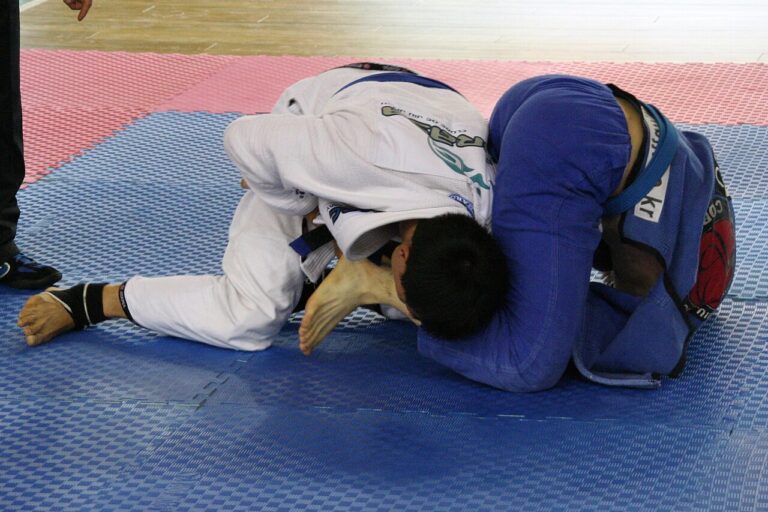
No-gi BJJ has a gear problem — not in quality, but in clarity. Walk into any gym on your first day and you’ll find competitors in everything from surfboard shorts to full-length spats, long sleeves, short sleeves, ear guards or no ear guards. Nobody hands you a definitive list when you sign up. You learn by watching, by asking, by trial and error on the mat. This guide is the shortcut that list never was: every piece of the no-gi kit, what each piece actually does, why it matters to your training, and how to prioritize what you buy and when.
Why Gear Choices Have a Real Impact on the Mat
Gear isn’t vanity in grappling sports — it’s function. No-gi is faster and more dynamic than gi jiu-jitsu precisely because there are no lapels or sleeves to slow the exchange. That speed puts pressure on what you’re wearing. Fabric that shifts during a guard pass costs you position. Shorts that bunch at the knee interrupt your base when you’re trying to drive through a double leg. Rashguard material that doesn’t wick sweat turns into a slipping surface by the second round. Every piece of your kit either helps you train or gets in the way, and the difference accumulates across a full session.
The other dimension is protection. Mat burns are real. Cauliflower ear is real. A mouthguard isn’t optional during hard sparring. These aren’t dramatic injuries — they’re the slow accumulation of wear on a body that trains consistently. Good gear manages that wear over months and years of mat time.
The Rashguard: Your First and Most Important Layer
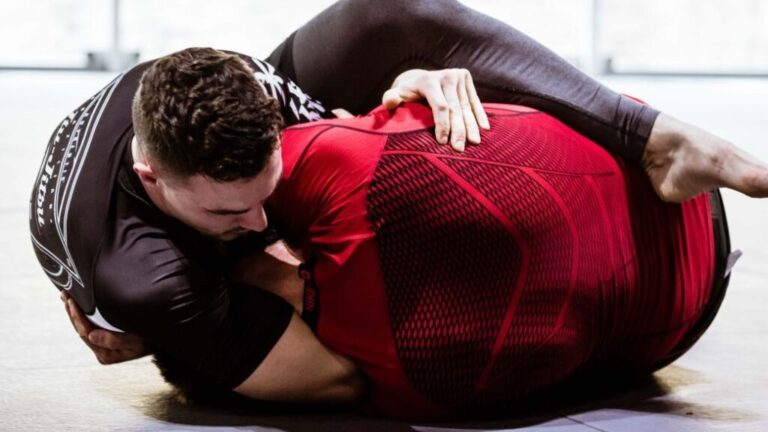
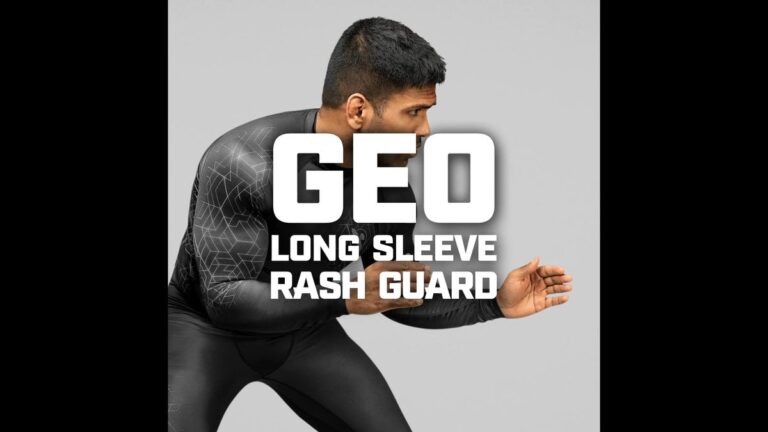
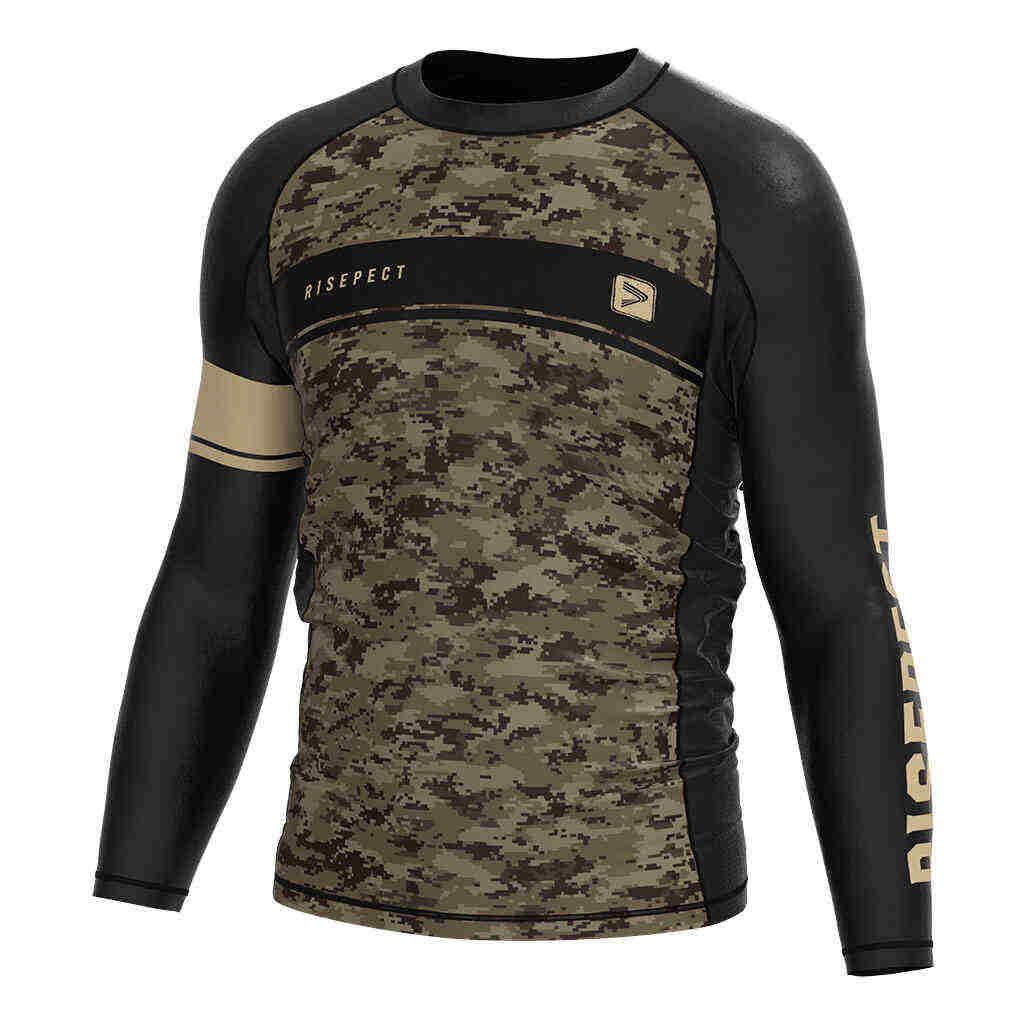
The rashguard is the foundation of the no-gi kit. It prevents mat rash on the torso and arms, provides muscular compression, and keeps your body temperature regulated during rolling. Compression varies by brand and cut — some rashguards are tight and supportive, others are more relaxed — but the material is always a polyester-spandex blend that stretches with movement and dries quickly during and after training.
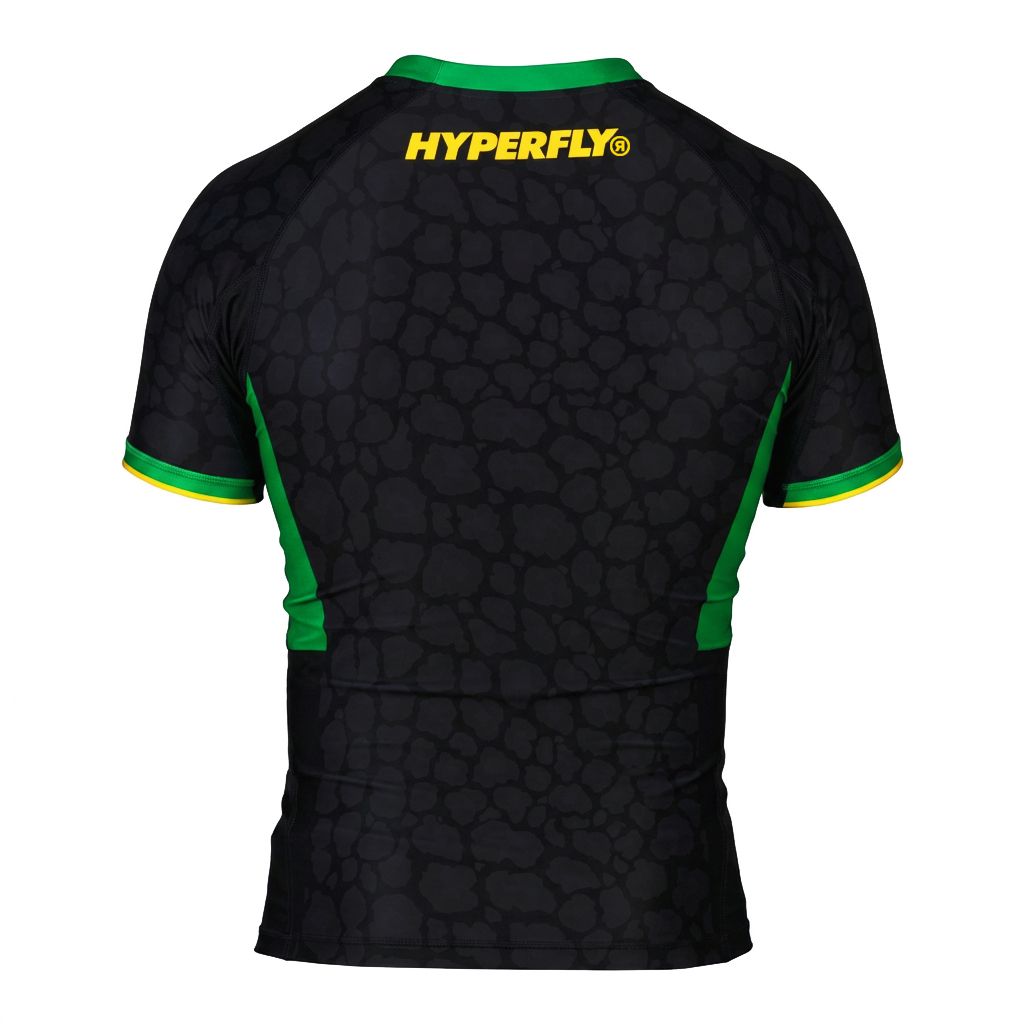
When choosing a rashguard, the most important factor isn’t the logo — it’s the stitching. Flatlock stitching lies flat against the skin rather than creating a raised seam that cuts into your partner during scrambles. Check where the seams run at the shoulder and underarm before you buy. A rashguard with thick raised seams in those areas will cause friction for whoever you train with, and may irritate your own skin over time. You can find quality options across price points — search for BJJ rashguards on Amazon to compare cuts and materials side by side.
Sleeve length is a separate decision that affects mat friction and warmth. Long sleeves protect the forearms, which take more contact than you’d expect from posting, guard play, and sprawling. Short sleeves are lighter and feel less restrictive to some athletes. Neither is universally correct — it’s a preference shaped by how you move and where your skin takes the most wear from the mat surface.
Grappling Shorts: The Most Overlooked Piece of No-Gi Equipment
Most beginners underestimate the shorts. They reach for whatever’s in the closet — basketball shorts, board shorts, whatever fits — and then spend training sessions adjusting them between rounds or, worse, dealing with a caught limb mid-scramble. Purpose-made grappling shorts are a different product from casual athletic wear, and every difference is functional.
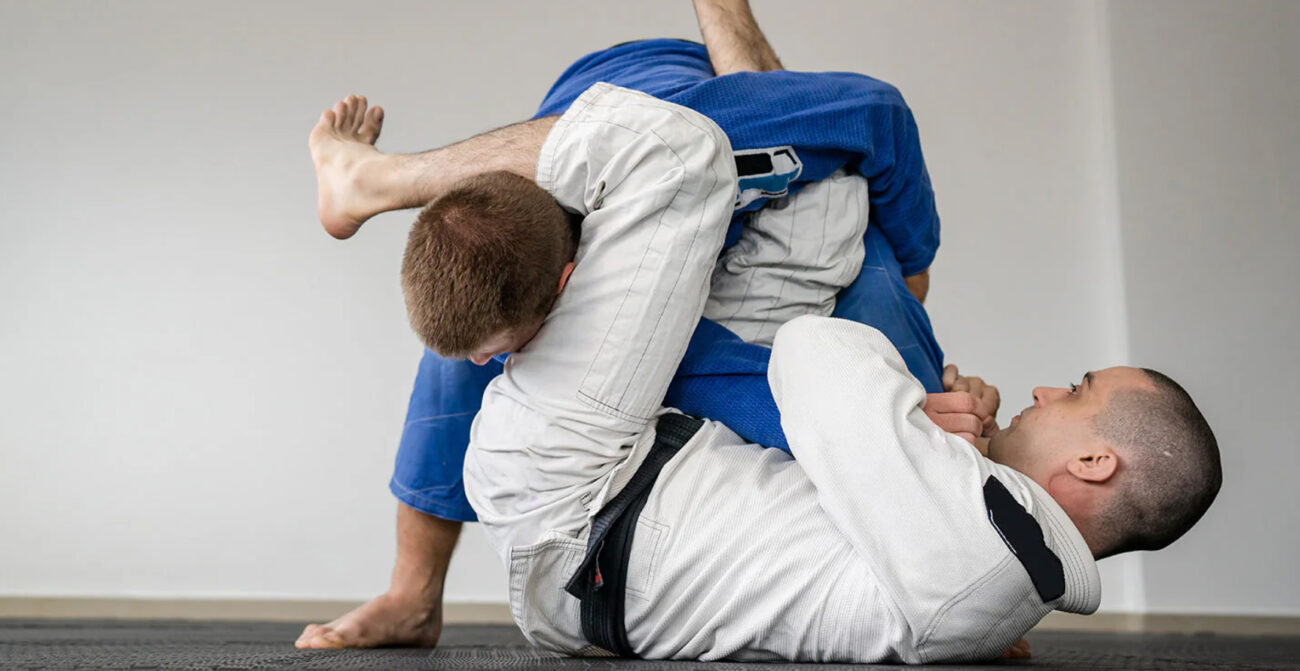
The most critical feature is the closure. Grappling shorts use a Velcro fly rather than a drawstring or elastic alone. Drawstrings catch fingers during scrambles and present an unintended grip for your partner. Velcro lays flat and catches nothing. Most quality grappling shorts also include stretch panels built into the inner thigh — sometimes a full mesh panel, sometimes four-way stretch fabric — that allow the hip flexion needed for guard games and the range of motion required for takedowns. Without those panels, the shorts restrict movement in exactly the positions where you need it most.
Pocket placement matters too. Grappling shorts have no external pockets, or at most a flat internal pocket that sits flush against the body. Cargo pockets and patch pockets catch fingers and toes, which creates a real injury risk during grappling. Length is the third variable: above-knee cuts give maximum mobility, while shorts that extend toward mid-calf restrict knee flexion and bunch during legwork. If you train leg entanglements or heel hooks, length becomes a significant factor in your freedom of movement. Look for purpose-built BJJ grappling shorts rather than substituting MMA fight shorts or surf-oriented boardshorts that haven’t been engineered for mat work.
Spats: The Layer That Changes How Training Feels
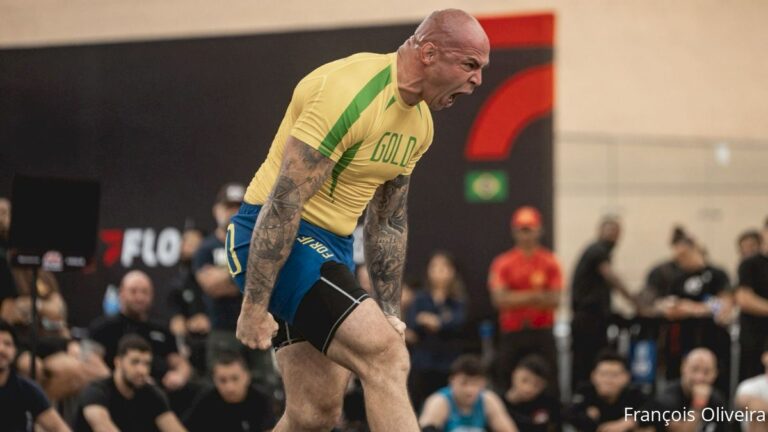
Spats — full-length compression tights — have gone from optional to effectively standard in no-gi gyms over the last decade. The shift is visible at every major event: watch any ADCC or FloGrappling broadcast and most competitors are wearing spats under their shorts. The reasons are practical rather than aesthetic.

Spats prevent mat burn on the legs, which is particularly relevant for anyone spending time in guard, working leg entanglements, or drilling takedowns on harder mat surfaces. The compression around the knee and hip also provides joint support during long training sessions. Some athletes notice significantly less knee fatigue when training in spats versus bare legs, especially during high-volume drilling blocks where the same movement patterns repeat hundreds of times.
The standard setup is spats worn under grappling shorts. The shorts provide the mobility layer on top, while the spats protect the skin underneath. Competition rules at most major organizations — ADCC, IBJJF no-gi, NOGI Worlds — require shorts to be worn over spats, which has cemented this two-piece combination as the dominant no-gi look. Spats-only training without an outer layer is sometimes used in drilling-only sessions but is generally not competition-legal. BJJ spats are available in various lengths and compression levels depending on your training needs and how much coverage you want.
Vale Tudo Shorts and the One-Layer Alternative
Vale Tudo shorts — compression shorts cut tight without a loose outer layer — offer a streamlined one-piece alternative to the shorts-over-spats setup. They’re common in MMA training environments where transitioning between grappling and striking means fewer layers are more practical. For pure no-gi BJJ, they’re less universal: the fit must be precise to deliver compression benefits without restricting hip mobility, and the quality gap between budget and premium options is significant.
Some athletes prefer Vale Tudo shorts for their clean profile and reduced fabric during warm training sessions in humid gyms. Others find they don’t provide enough leg coverage for extended mat work, especially during drilling with heavy top pressure. If your primary context is no-gi BJJ rather than MMA cross-training, the spats-under-shorts combination gives more flexibility for managing temperature, coverage, and regulatory compliance at competition.
Protective Gear: What to Use Before You Need It
Ear guards are the gear most grapplers delay until their ears force the conversation. Cauliflower ear — the thickening and deformation of the outer ear caused by repeated friction and blunt trauma — develops gradually. In early stages it can be drained. Once the cartilage calcifies, the only correction is surgical. Prevention costs almost nothing: a simple wrestling ear guard worn during training. The trade-off is comfort and heat during intense sparring. But the math is straightforward — temporary discomfort now versus permanent structural change later. Look for ear guards designed for wrestling and BJJ with a secure strap system that stays in place during scrambles rather than shifting mid-roll.
A mouthguard is non-negotiable for live sparring. The risk in no-gi grappling isn’t generally strikes, but accidental contact during scrambles: a knee to the jaw, an elbow during a reversal, a forehead during a guard pass. A standard boil-and-bite mouthguard from a pharmacy provides adequate protection for most training contexts. A custom-fitted dental guard is better for athletes who train at high frequency. The important point is consistency — use one every time you spar, not just when the intensity is obviously high.
Knee sleeves and neoprene braces are optional but useful for athletes with existing knee sensitivity or increasing training volume. Neoprene sleeves add warmth and mild compression without restricting range of motion. They’re not substitutes for addressing underlying structural issues, but they help manage the cumulative load of kneeling, shooting, and guard work over time. Add them when your training frequency tells you they’re needed, not as a day-one purchase.
What Beginners Get Wrong About No-Gi Gear
The most common beginner gear mistake isn’t buying too little — it’s buying the wrong things. You don’t need a gi for no-gi class. You don’t need a belt, a patch-covered competition uniform, or gear from any specific brand on day one. What you need is functional clothing that stays in place, protects your skin, and doesn’t create hazards for your training partners.
Cargo shorts and basketball shorts are the two most common substitutions that cause problems. Cargo shorts have external pockets that catch fingers and toes during scrambles. Basketball shorts are typically too long, too loose, and made from fabrics that don’t handle mat friction well — they bunch at the knee during legwork and create unnecessary friction for partners during top pressure. The cost of a single pair of grappling shorts is low relative to how many sessions you’ll log in them. It’s the one early investment that pays off immediately, every class.
Building the Kit Over Time: A Practical Sequence
The full no-gi kit doesn’t need to be assembled before your first class. Building it in stages is practical and saves money on gear you might not need in the form you initially imagined.

Start with a rashguard and grappling shorts. These are the non-negotiables — everything else can wait until you have enough mat time to understand how you train and what your body needs. Once you’re training consistently — three sessions per week or more — add spats. The difference in leg protection and joint comfort during drilling becomes noticeable quickly, and most athletes who add them don’t go back to training without them.
Add ear guards before your ears give you a reason to, not after. Add a mouthguard before your first sparring session, not during. Knee sleeves come when your training volume tells you they’re needed. The sequence matters: prioritize gear that prevents permanent damage first, then optimize for performance and comfort as your training evolves.
The goal of a complete no-gi kit is to remove friction — physical and mental — from training. Gear that stays in place, protects what needs protecting, and lets you focus on the technique and the roll rather than what’s riding up or catching on a partner’s leg. Build it deliberately, buy it once, and get back on the mat where the real work happens.
Sources
- Brazilian Jiu-Jitsu — Wikipedia
- FloGrappling — No-Gi Grappling Coverage
- ADCC Submission Wrestling World Federation