Banana Split Submission: 6 No-Gi Keys to Force the Tap
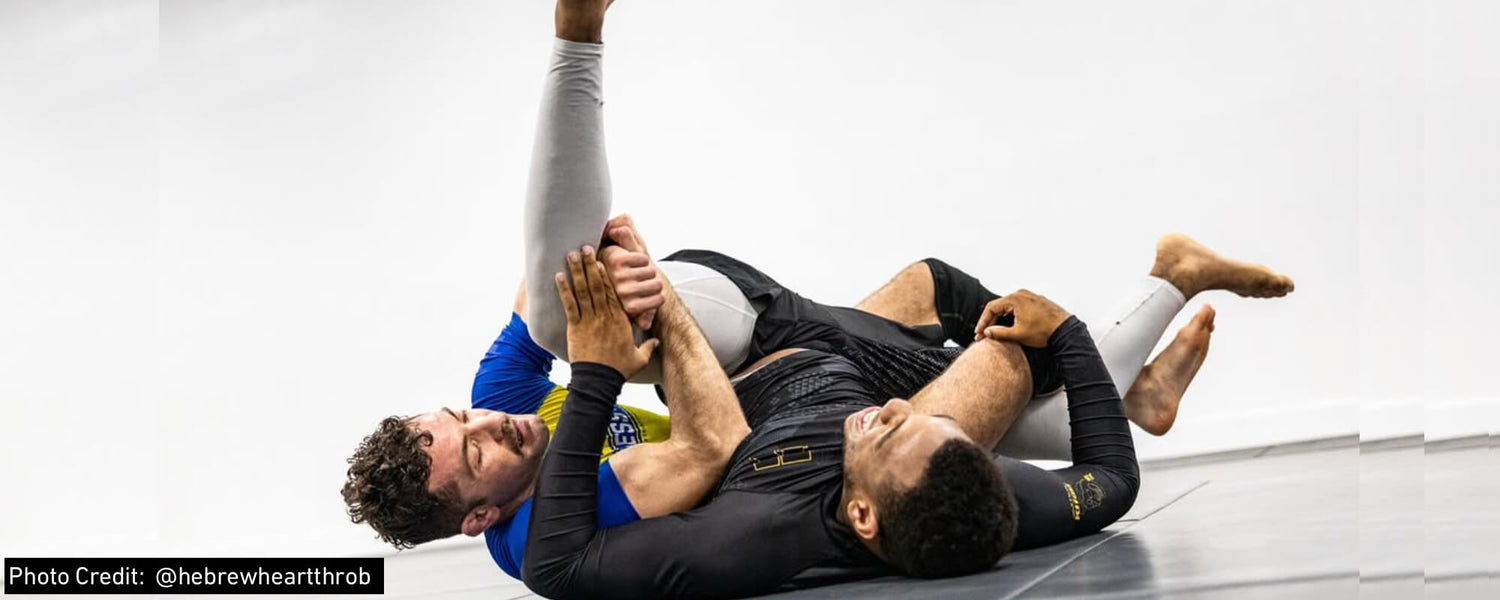
Three seconds into the banana split and most grapplers tap. The submission attacks the hip adductors — the muscles connecting the inner thigh to the pelvis — with a combination of compression and outward rotation that produces immediate, sharp pain. There is no gradual build like a rear naked choke or the slow crank of a heel hook. You feel it, and you decide fast. That speed is part of why the submission works at every level of no-gi competition, from regional tournaments to EBI events where Andre Galvao and Shinya Aoki have both finished with it.
What Makes the Banana Split Submission So Effective No-Gi
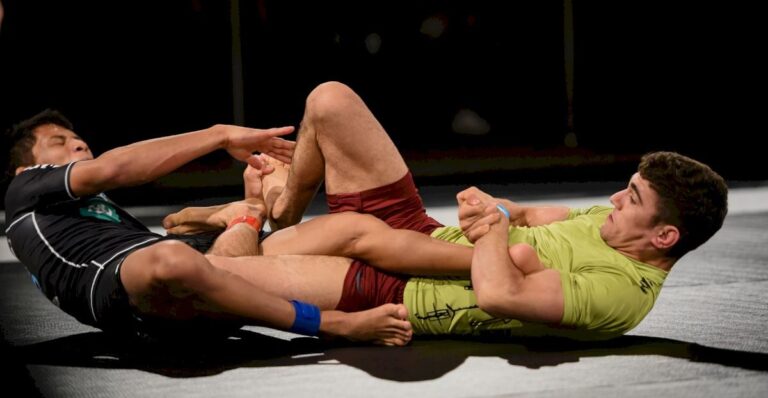
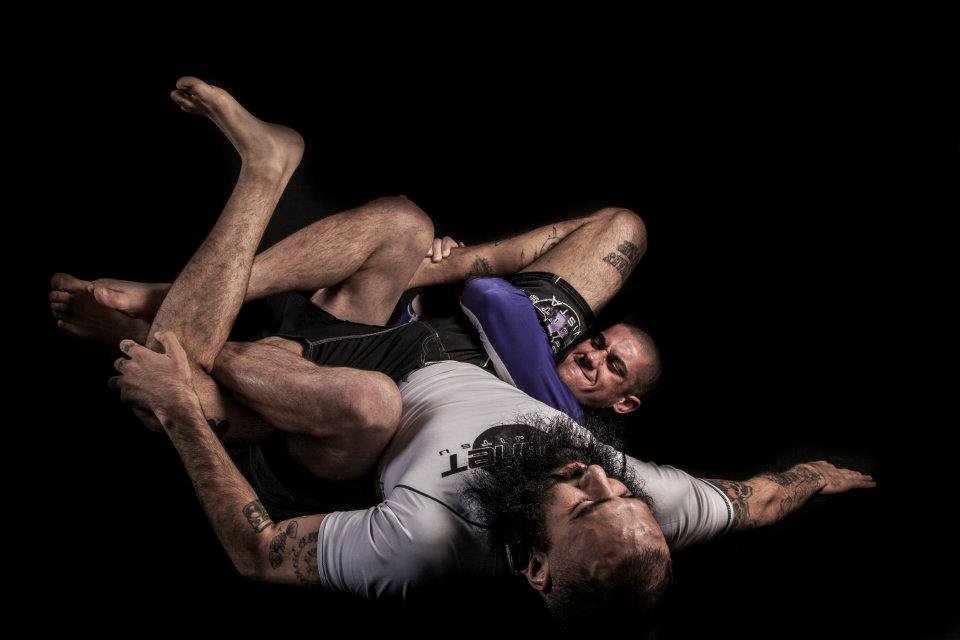
The banana split works on two pressure points at once. Your legs pin the near leg while your arms pry the far leg outward, away from the midline of the body. The hip adductors resist this separation but they are not strong enough to hold against the combined force of both arms plus the mechanical advantage of the position.
Most defensive grappling training focuses on the hip flexors, hamstrings, and rotators — the muscles you train when you drill heel hook defense and knee bar escapes. The adductors get almost none of that targeted drilling. That is the real reason this submission still catches experienced competitors: it attacks a muscle group that most people never specifically prepare to defend.
In no-gi, the submission is more reliable than in the gi for a simple reason. When opponents try to post a hand or grab fabric to slow the separation, there is no fabric to grip. The positional control you are dismantling is purely biomechanical. The IBJJF permits it at all adult levels, including white belt — that tells you something about its accessibility. You do not need years of positional experience to apply it. You need the entry and the grip.
The Truck Position: Your Primary Entry to the Banana Split
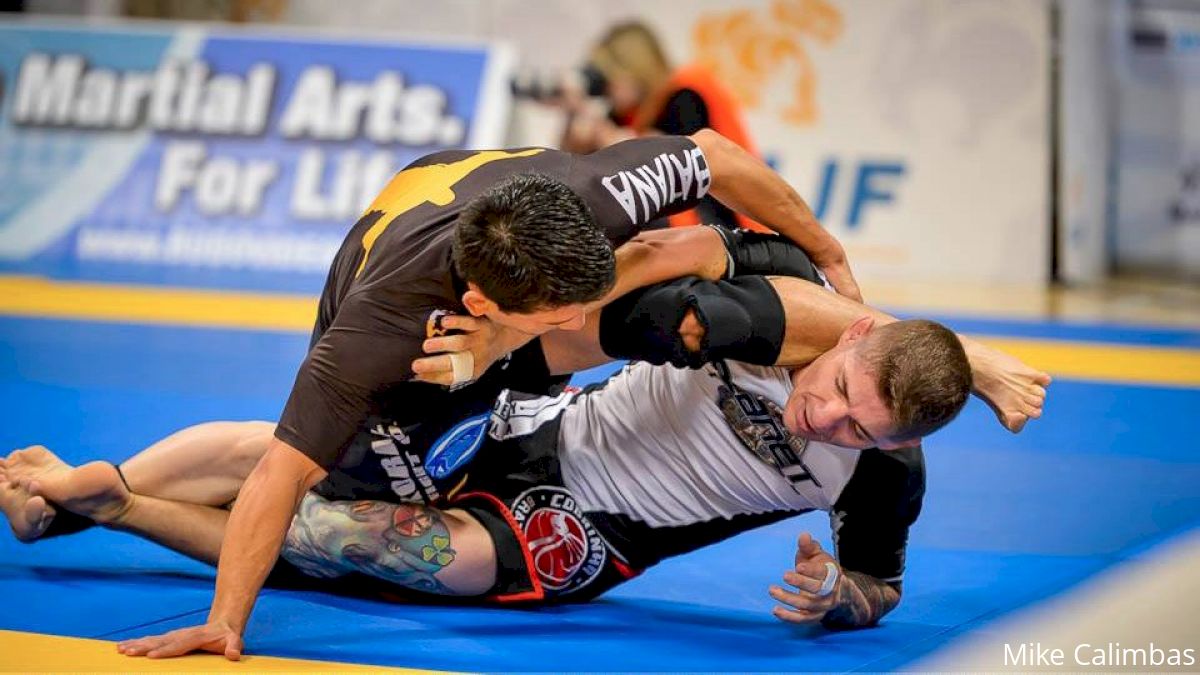
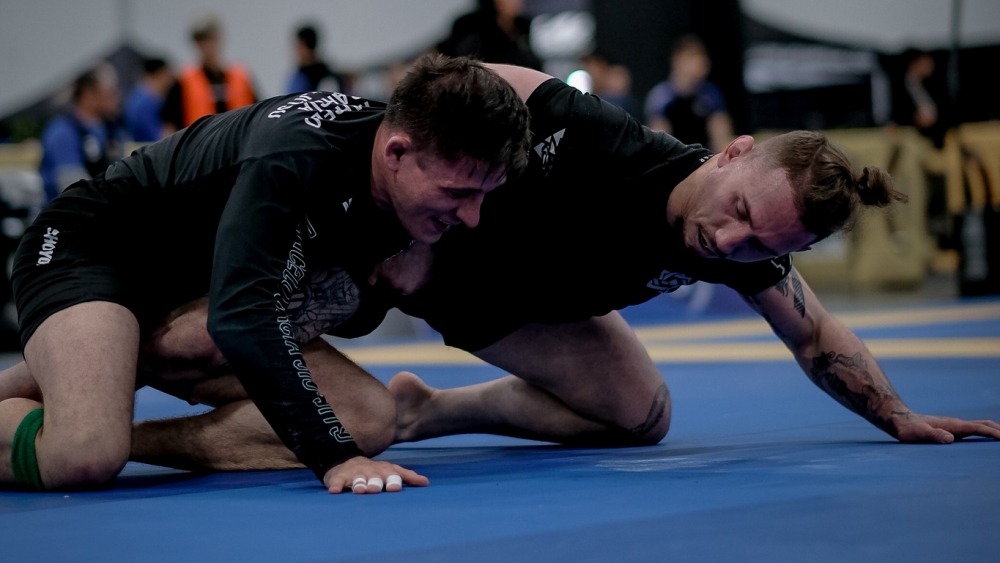
The truck is a back control variant from Eddie Bravo’s 10th Planet system, built specifically for no-gi. You’ve inserted one leg between the opponent’s legs while they are face down, giving you control of their near hip while both your arms remain free. It is not a standard back take with double hooks — it is a single-leg insertion that creates a completely different submission threat.
Geo Martinez made this entry competitive. In KASAI Pro and EBI appearances, Martinez repeatedly launched banana split attacks from the truck against opponents who knew it was coming. When high-level no-gi specialists cannot escape a position once you are there, the entry has real merit.
The setup from a back take gone flat:
- As your opponent defends your hooks by rolling face down, release one hook rather than chasing it
- Insert your free leg between their legs — your thigh across their near thigh, foot hooked inside
- Secure the inside position with your leg clamped over theirs (figure-four style)
- Both arms are now free — attack the far leg immediately
- Reach over their near leg, establish an S-grip on the far ankle
- Sit back square — not to one side — and drive your arms apart
The sit-back posture is where most people lose the finish. Rolling to one hip first bleeds pressure off the near leg control and lets the opponent step over to recover half guard. Sit straight back, keep the near leg pinned, and apply the separation from there.
Half Guard and Lockdown Entries
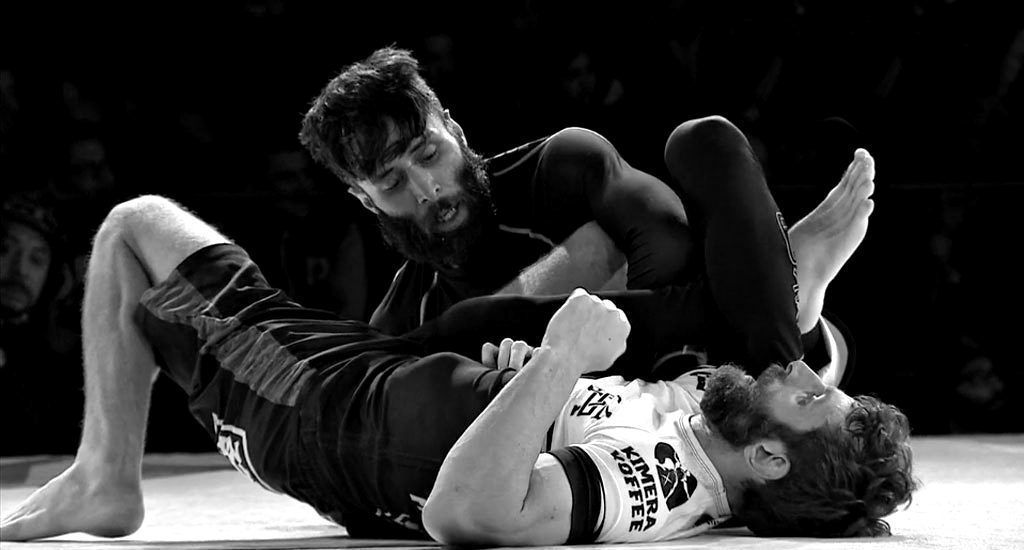
The lockdown half guard is a natural second entry point, and it comes from the bottom. When your opponent is passing your half guard and posting their outside leg wide to maintain base, that posted leg is the banana split target.
From lockdown:
- Use the lockdown to break their forward base — force them flat or make them post
- As they press their hips back to recover their base, the outside leg extends toward you
- Reach over their near leg and grab the far ankle in an S-grip
- Bump your hips away to extend the separation angle, then pull the leg outward
The failed sweep entry is worth drilling separately. From single leg X guard, if your sweep stalls and they post wide to stop it, that posted leg becomes available immediately. The banana split from a stalled X-guard sweep takes under two seconds to transition — they’ve committed weight to the post, which means they can’t retract it quickly.
In both cases the timing window is short. You are not setting up the banana split slowly from a controlled position — you are catching it in the moment their leg becomes exposed. That is why drilling the entry in isolation matters more than drilling the submission itself.
The S-Grip: Why Your Finish Grip Determines Everything
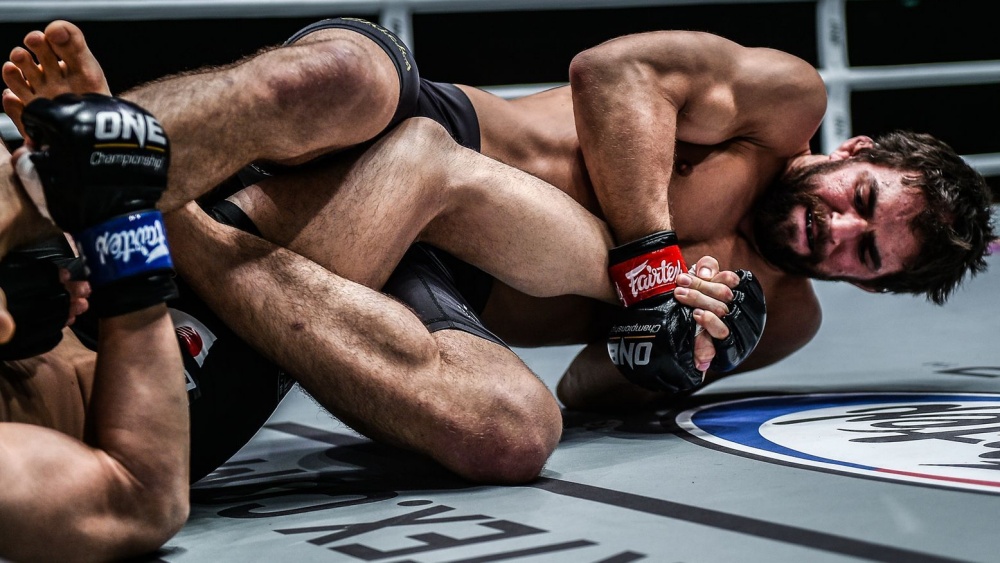
Most people drill the banana split with a palm-to-palm grip because it feels natural. It is the wrong grip for this submission. The palm-to-palm configuration limits wrist rotation — as you pull the leg up and outward, your hands need to rotate through the finish angle, and palm-to-palm binds before you get there. You reach a point where the arms cannot extend further, the pressure plateaus, and the opponent weathers the submission.
The S-grip — thumbs interlaced, hands on the same side — allows full rotation through the entire range of motion. Once you establish it on the ankle, your elbows drive apart rather than your hands pulling upward. You are splitting the legs with forearm force, not just pulling with the hands.
Two grip positions work on the leg: the ankle itself, or just above the heel. Ankle grip gives more control of the leg position but slightly less rotational range. Heel grip gives more rotation but can slip on sweaty skin in hard rounds. In no-gi competition where sweat is a factor, most grapplers find the ankle grip more consistent when locked in early and squeezed tight before the separation begins.
Train switching from palm-to-palm to S-grip during live rolls. Your training partners will not wait while you readjust, and competition opponents definitely won’t.
Reading the Two Main Defenses
Once opponents recognize the position, they will try one of two things. Knowing which one is coming determines your counter.
Rolling away: They commit to a full roll away from you to break the truck and escape the submission. This is an invitation. When they roll, release the ankle grip briefly, post your top arm to maintain your weight on top of them, and come up to full back control. The banana split threat has converted into a back take. Stay patient on their back and hunt for the rear naked choke, or wait for them to go flat again and re-enter the truck for another attempt.
Knees together: This is the more instinctive defense — pressing the free leg against the trapped leg to close the gap before the separation can happen. The counter is the elbow wedge. Before their knees close, drive one elbow between them to break the defensive block. This has to be immediate; if you wait until the knees are fully closed, the wedge becomes difficult to force. Once the elbow is through, reestablish the S-grip on the ankle and apply the finish.
Shinya Aoki used the banana split as a threat within his back control game — not always finishing with it, but using it to force reactions that opened other attacks. His approach is worth studying: the submission does not always have to land. It creates a decision problem that your opponent has to solve while you maintain control.
Competition Rules and When to Pull the Trigger
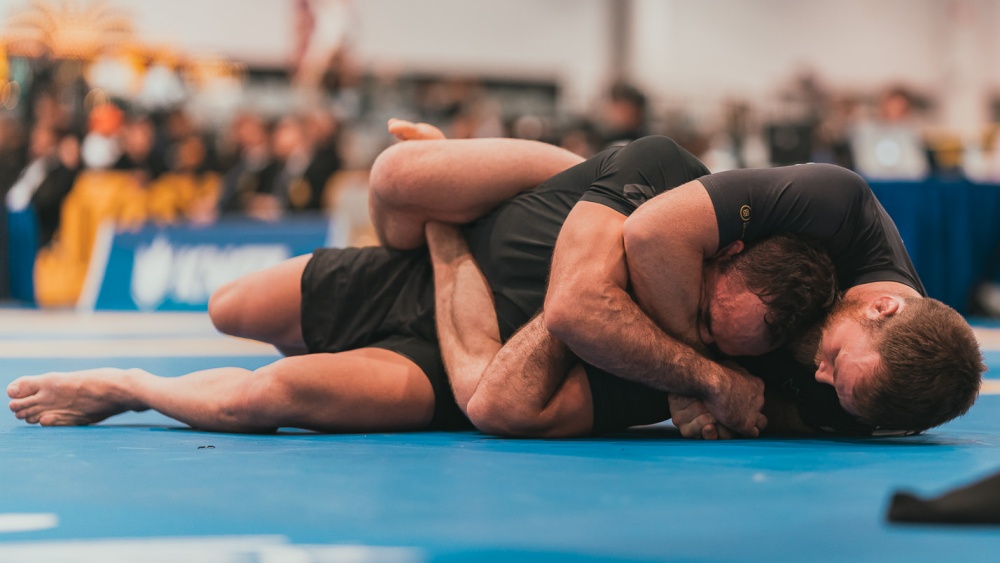
The banana split is legal at all adult levels under IBJJF rules, including white belt. The only IBJJF restriction is for competitors under 13 years old. ADCC allows it at the main competitive level but restricts it in beginner divisions. EBI, Combat Jiu Jitsu, and most submission-only formats permit it across all divisions.
The submission is most available in these moments:
- Heel hook defense: When an opponent presses their legs together to prevent your heel hook rotation, their hips open for the banana split. The same defensive posture that stops one attack creates the other.
- Flat recovery: When they’ve gone face down to defend a takedown or a pass attempt, they often post wide. That wide post is an entry point.
- Overtime fatigue: In overtime periods, defensive movement slows. Grapplers who fluidly escaped the truck in regulation become slower in extra time.
One practical competition note: the banana split produces an immediate, sharp pain response — different from the gradual ramp of a heel hook. Opponents often tap to it faster than to heel hooks, which build slowly. In overtime formats like EBI where the first tap ends the match, that response speed is a concrete competitive edge. A submission that causes immediate pain requires an immediate decision, and people under pressure sometimes tap before they have fully assessed whether they could escape.

Watch the Banana Split Broken Down
Andre Galvao covers the position mechanics, the grip switch, and his preferred finish angle from the truck in the instructional below. Galvao has used the submission at ADCC-level competition — watching how he sets the entry from back position and handles the defensive roll is the clearest technical breakdown available.
Adding the Banana Split to Your No-Gi Game
The banana split is best used as a submission threat that generates other openings rather than as a standalone attack you force in isolation. When you threaten it from the truck and your opponent rolls, you get back control. When you threaten it from half guard and they defend by tightening their guard, different submissions become available. The threat itself creates value even on the rounds where you do not finish with it.
Spend ten minutes per session drilling the truck entry specifically. The position feels unfamiliar at first — you’re behind someone without the security of both hooks — but it stabilizes quickly once you have sat there several hundred times. Add the banana split grip and the finish mechanics after two to three weeks of just drilling the entry.
If your leg lock game is built around heel hooks from 50/50 guard and the straight ankle lock, the banana split covers the gap when opponents turn face down to defend front entanglements. It attacks on a completely different axis — from behind rather than from inside the leg entanglement — which means defensive habits trained for one do not transfer to the other. Adding both to your game forces opponents to defend from two different directions simultaneously.
Safety note: release the submission immediately when your training partner taps. The hip adductors can tear quickly under full force, and the pain response means some people tap after the damage has started. In drilling, apply pressure slowly and give partners a chance to tap at the first sign of discomfort.
Sources
- Evolve MMA: How to Use the Banana Split in BJJ — Technical breakdown of the banana split from the truck and lockdown positions
- BJJ World: Banana Split Submission Tips — Competition applications and grip mechanics
- BJJInfo.org: Banana Split Position — Position definition and legal status across rulesets
- BJJ Fanatics: BJJ Banana Split — Competition history and entry points