Ear Guards for No-Gi Grapplers: How to Stop Cauliflower Ear Before It Becomes Permanent
Cauliflower ear doesn’t announce itself. Months of training without protection and the outer ear changes permanently. In no-gi, direct contact is constant — this happens faster than most expect. An ear guard from day one is the difference.
What Causes Cauliflower Ear in No-Gi Grappling
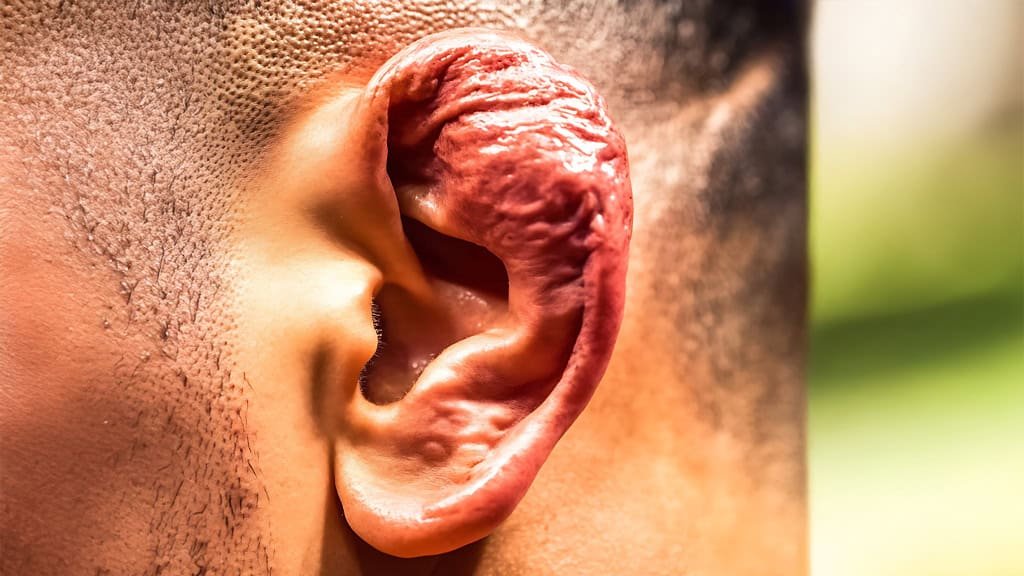
The outer ear is held in shape by a thin layer of cartilage that has almost no direct blood supply of its own. It depends on the perichondrium — the tissue that wraps around the cartilage — to stay alive. When that tissue gets sheared away from the cartilage by repeated friction or direct impact, blood pools in the gap between them. That hematoma, if not drained within a short window, hardens into fibrous scar tissue. The cartilage underneath, now without a blood supply, begins to die. The shape changes and stays changed.
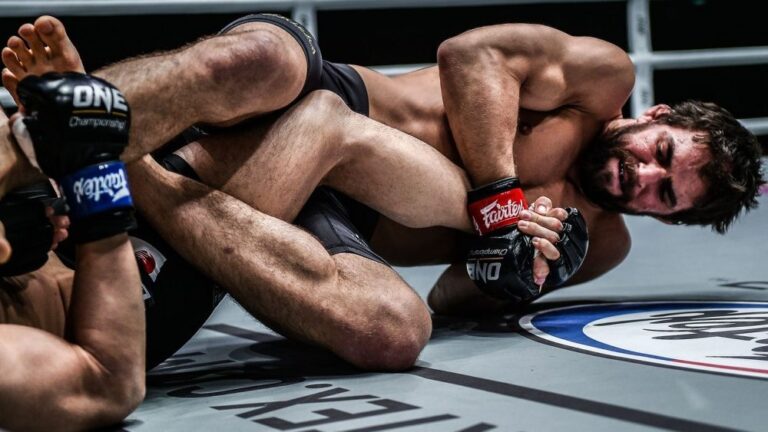
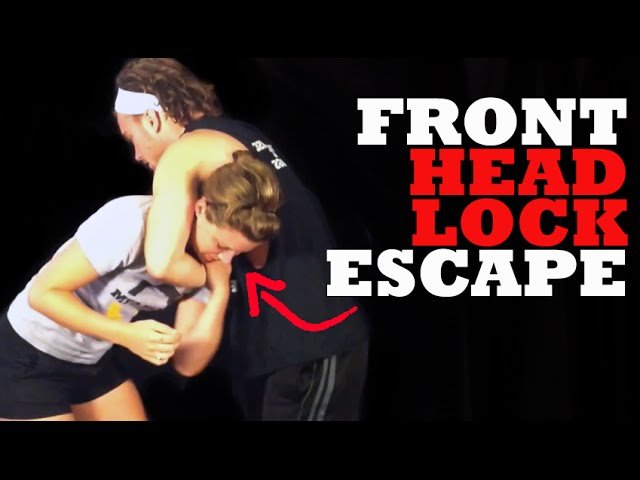
In no-gi, the ear takes punishment from two directions: friction and pressure. Friction comes from head-to-body positioning — when your head is driven into a training partner’s chest or ribcage during a clinch, or when your ear scrapes across a shoulder during a scramble. Pressure comes from headlocks, guillotines, arm triangles, and any position where the ear is caught between two solid surfaces. No-gi removes the gi collar as a buffer, which means more direct skin-to-skin contact during these positions. Wrestlers know this well; any combat sport that involves extended clinch and ground work creates the same risk. Consistent training without protection accumulates micro-trauma over weeks and months until the threshold tips and the hematoma forms.
How Ear Guards Actually Work
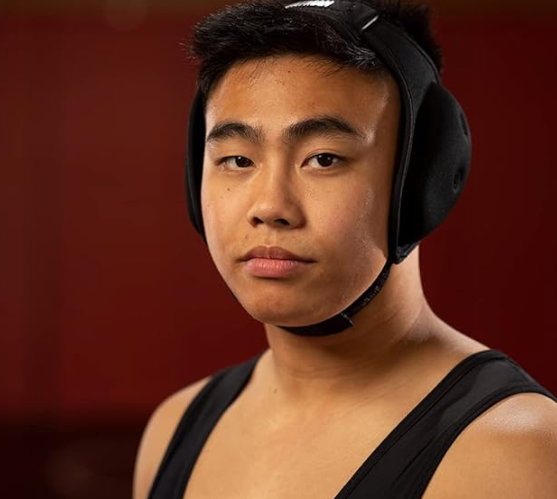
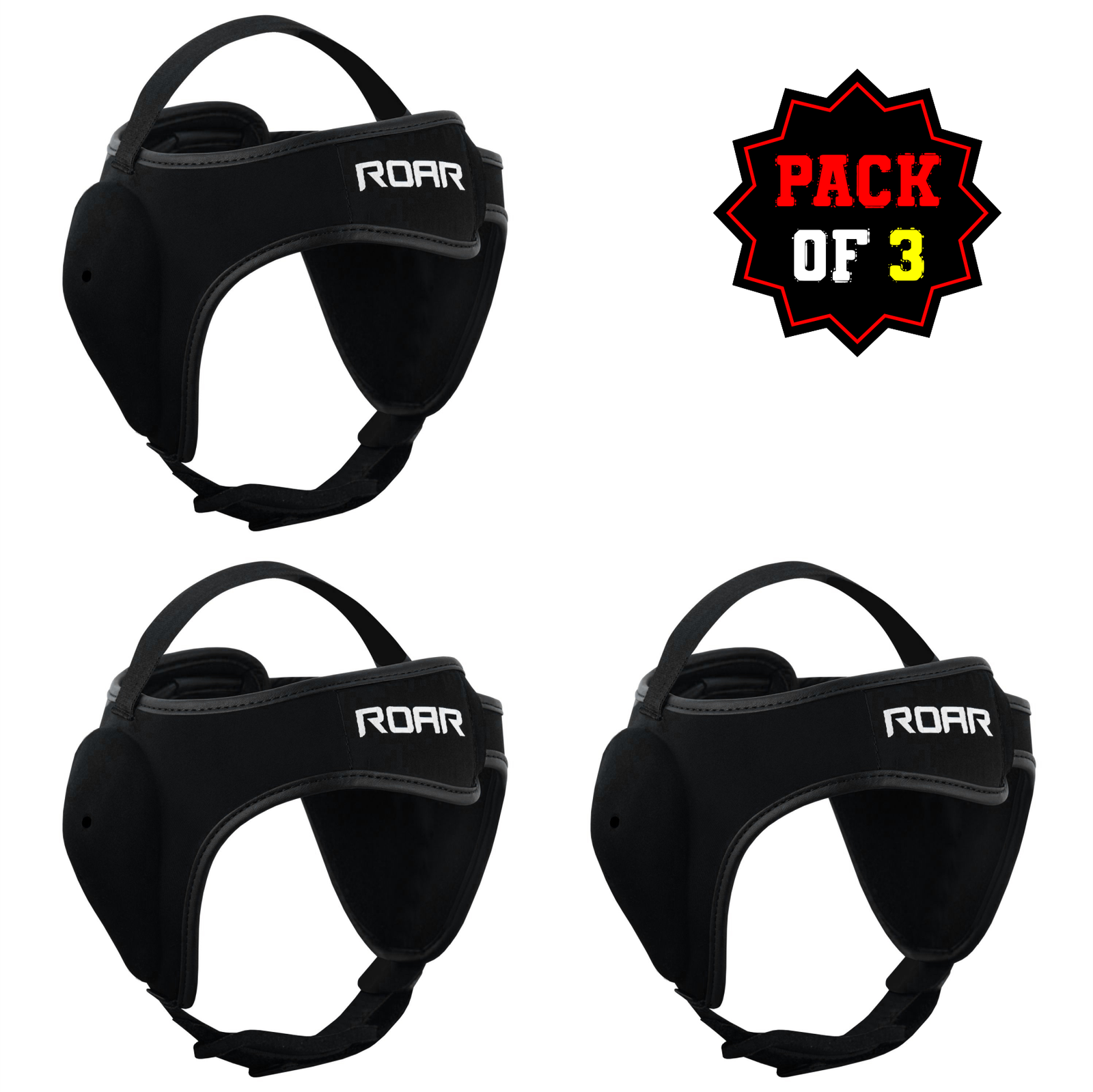
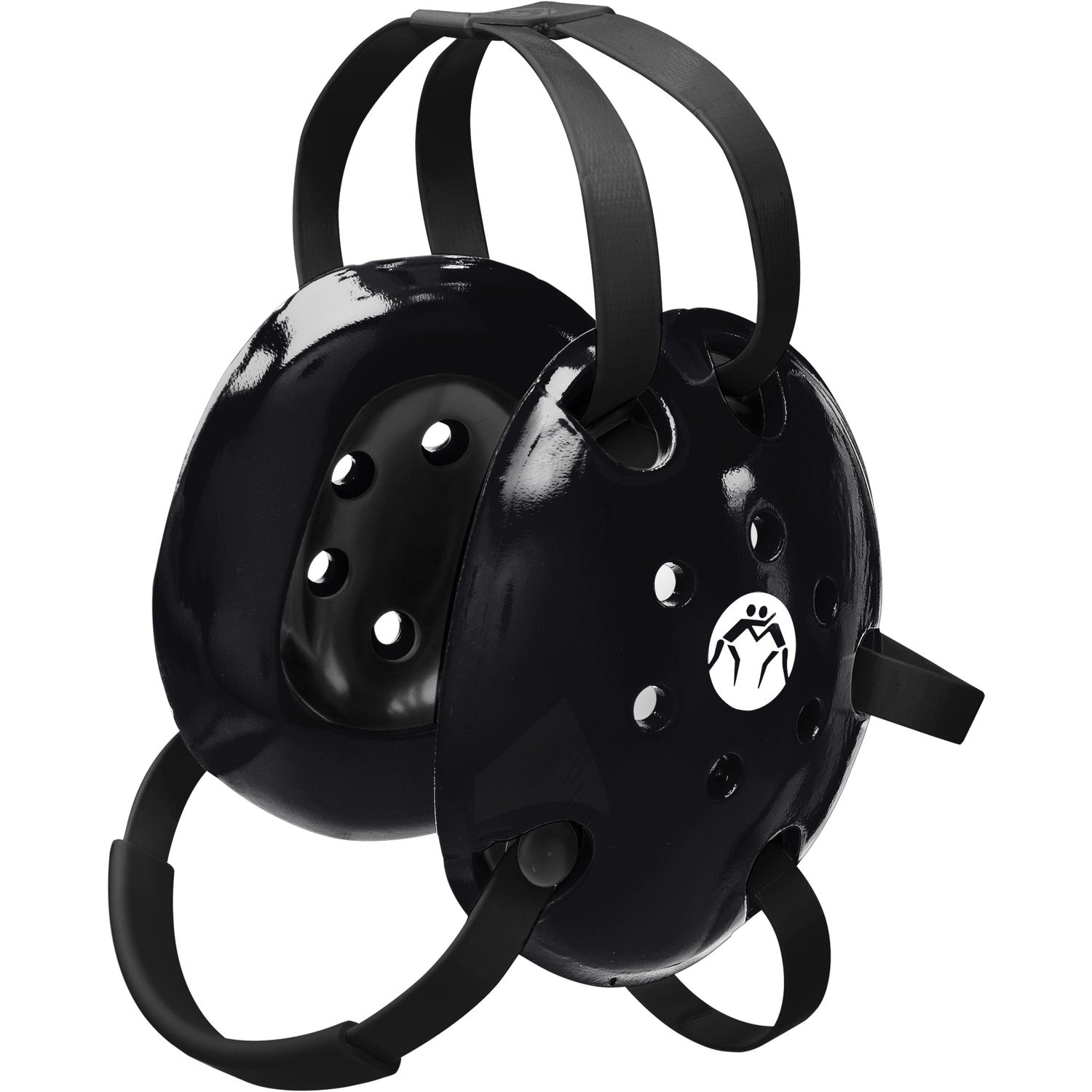
A well-fitted ear guard does three things. First, it creates a physical barrier that absorbs and redistributes impact away from the outer ear. Second, it applies light compression that keeps the perichondrium in contact with the cartilage, reducing the space where a hematoma can form. Third, it reduces the direct friction that builds up during extended ground work. None of these effects are absolute — a hard enough impact or sustained enough pressure will still cause damage through the guard — but across a full training session, the cumulative reduction in trauma is significant enough to matter over a career.
The design feature that matters most for no-gi grappling is cup depth. A deeper cup fully encases the ear, giving better impact protection but adding bulk that can make head-to-body positions awkward and gives training partners a surface to grab during headlock attempts. A shallower profile cup sits closer to the head, reduces that snagging risk, and still provides compression and friction protection. For no-gi specifically — where the goal is fluid movement and where grips on the head are part of the game — the lower-profile design tends to perform better in practice even if the deep cup looks more protective on paper. Competition grappling events increasingly see grapplers using low-profile guards for exactly this reason.
Fit Is the Variable That Changes Everything
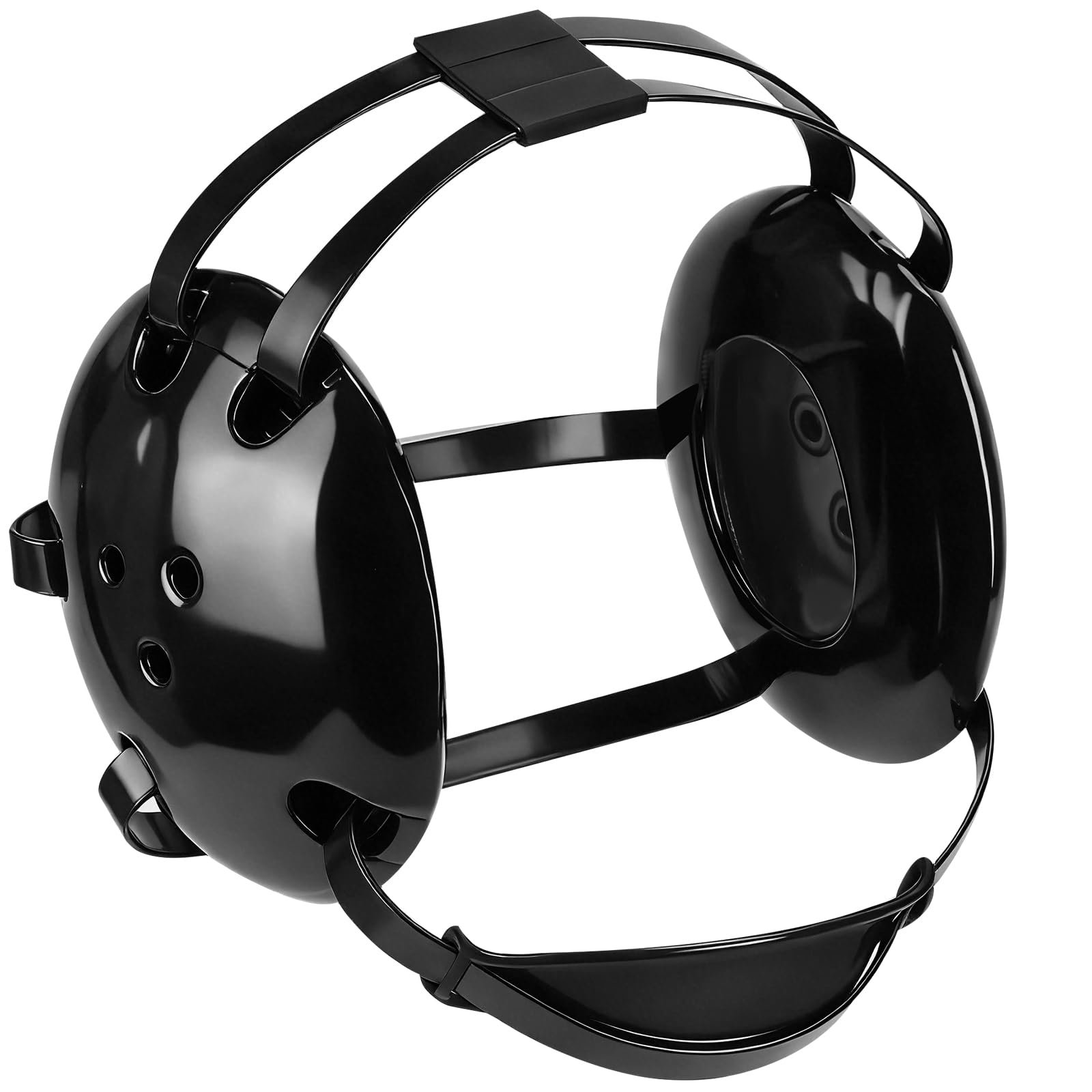
An ear guard that shifts position during a roll provides almost no protection. If the cups slide off the ears under head pressure, you are wearing gear that creates a false sense of security while doing nothing in the moments that count. The chin strap system is the most important mechanical component of any ear guard, and it is also the part most likely to fail or wear out first. Look for a chin strap that stays snug without cutting off circulation, and that can be adjusted while the guard is already on — mid-session adjustments are common, especially during the first few weeks as you dial in your fit.
The strap architecture varies between designs. Some use a single-strap system that runs under the chin only. Others add a top strap that goes over the crown of the head, creating a two-point anchor that is significantly more stable during scrambles and takedown attempts. The double-strap setup is almost always more secure, though it adds a small amount of bulk. For training where you are going hard regularly, the extra stability is worth the tradeoff. For lighter rounds or drilling, the single-strap is usually sufficient and more comfortable over a long session.
Material matters at the cup level too. Hard plastic shells offer better impact resistance but can feel rigid during tight positions and can dig into your head during long rounds. Padded foam cups compress more naturally against the ear and tend to feel less intrusive during ground work. Many designs use a combination — a hard outer shell to deflect impact and a soft inner lining to maintain fit and reduce pressure points. For full training sessions, that inner comfort layer makes a real difference in whether you keep the guard on for the entire class or pull it off midway because it is cutting in.
When to Start Wearing One
The short answer: before you think you need to. Cauliflower ear develops under the surface before it becomes visible, and by the time you notice swelling, some damage has already occurred. The hematoma window — where draining is still a viable option — is short, typically 48 to 72 hours after the initial injury. After that, organization of the clot begins and the fluid becomes difficult or impossible to aspirate. Repeated small hematomas, even ones that seem to resolve on their own, leave behind scar tissue that accumulates over months until the ear changes shape permanently.
Beginners often assume ear guards are for advanced grapplers or competitors. In practice, it is the opposite. Advanced grapplers have either already developed cauliflower ear and accepted it, or they have been wearing protection from early in their training career and avoided it. The early years — when positional control is still developing and scrambles are frequent and often uncontrolled — are when ears take the most sustained damage. Starting protection in month one is far easier than managing an active hematoma in month six and far cheaper than surgical correction years down the line.
Training With an Ear Guard On
The first two or three sessions with an ear guard feel awkward. The cups change how you hear during close contact — voices are slightly muffled, and you will notice pressure in the sealed space during certain positions. This normalizes quickly. Most grapplers stop registering the guard after about a week of consistent wear.
What takes longer to adjust is the chin strap tension. A correctly fitted strap should be snug enough to stay put through a hard scramble but not so tight that it becomes uncomfortable over the course of an hour-long session. Expect to fine-tune it several times in your first week. Straps also tend to slip less as they break in, similar to how new shorts stop shifting after a few washes. Give it time before concluding the fit is fundamentally wrong for your head shape.
The social adjustment is the one most grapplers underestimate. Ear guards are standard in wrestling and increasingly accepted in submission grappling and BJJ, but if you train in a gym where almost nobody wears one, expect some initial friction from training partners who are not used to the plastic cups. In practice, most partners stop noticing within a few rounds. If the strap chafes against someone’s face during close ground work, moving to a lower-profile guard typically resolves it without giving up meaningful protection.

After Cauliflower Ear Has Already Developed
Grapplers who already have some degree of cauliflower ear sometimes conclude that further protection is pointless — the damage is done, so why bother. This gets it backwards. Already-compromised ear cartilage is more vulnerable to new trauma, not less. The fibrous tissue that forms from previous hematomas has reduced elasticity and disrupted blood supply, meaning new impacts are more likely to cause significant damage to adjacent healthy areas of the ear. An ear guard after cauliflower ear develops does not reverse what happened, but it meaningfully slows further progression — particularly relevant for anyone with decades of training still ahead of them.
There is also a secondary benefit for grapplers with existing cauliflower ear: even mild compression from a well-fitted guard helps prevent small re-bleeds in the affected area. The fibrous cartilage that forms after a hematoma is not fully inert — it can still be damaged by repeated friction and impact, and each new injury on top of existing scar tissue tends to be more disfiguring and harder to manage medically than the original. Wearing protection after the fact is not about reversing history. It is about controlling where the story goes from here.
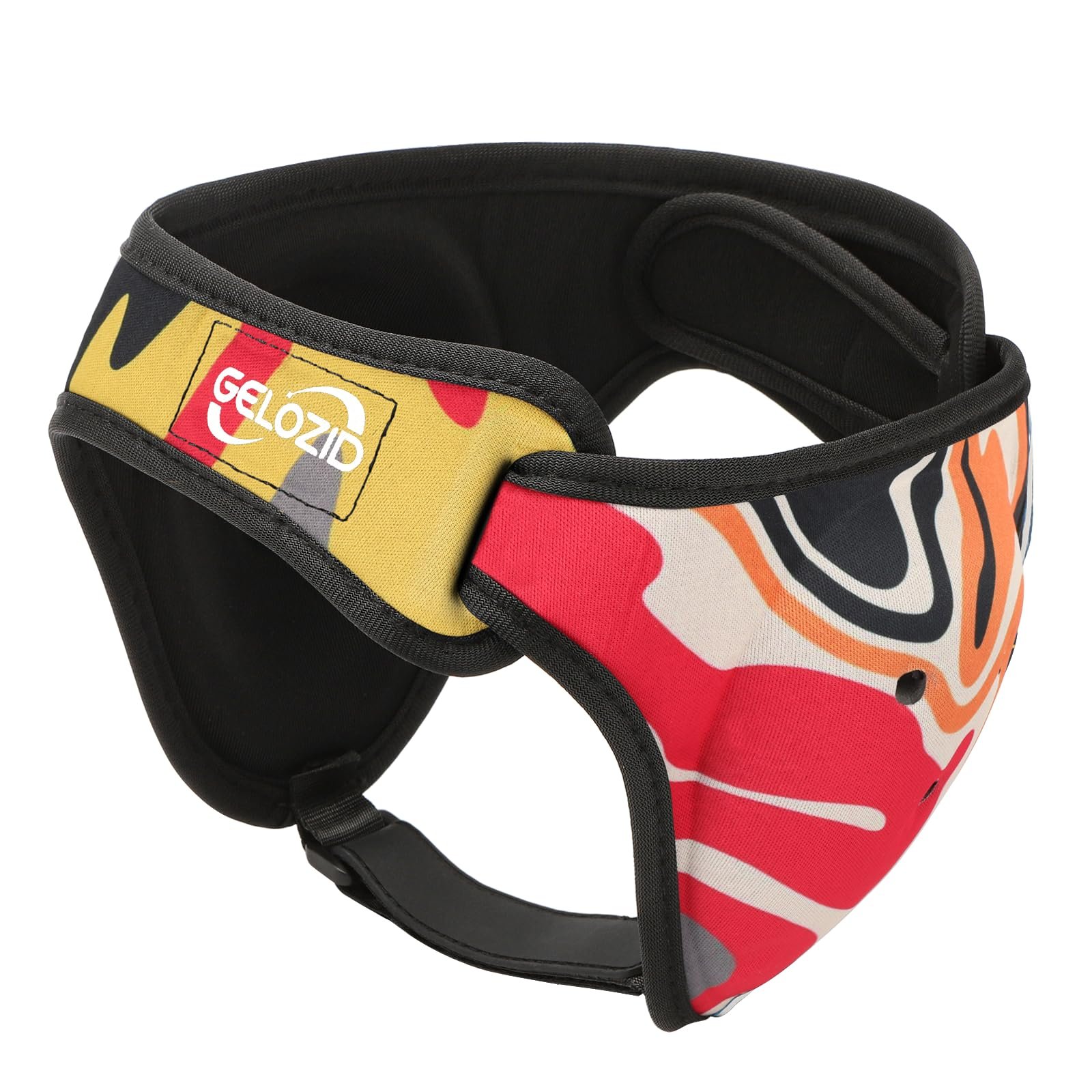
Ear protection in no-gi grappling is one of those decisions that looks obvious in hindsight and unnecessary before the damage appears. Grapplers who wear one consistently from early in their training do not think much about it — it becomes as routine as the rashguard, shorts, and mouthguard. The ones who skip it often spend years managing active hematomas or accepting a permanent ear shape they cannot undo. The equipment is simple, the risk without it is concrete, and unlike most gear debates in no-gi grappling, there is no meaningful counterargument worth weighing on the other side.