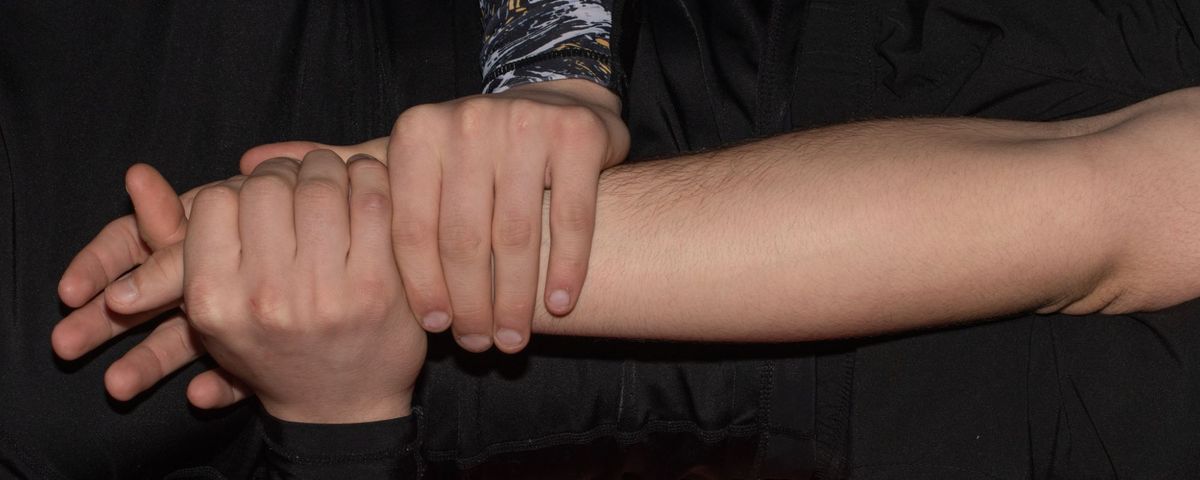
Wrist Lock BJJ: 6 No-Gi Submissions Nobody Defends
The wrist is the smallest joint anyone regularly submits, and it taps faster than almost anything else on the body. A tight armbar might take five seconds of steady pressure. A clean wrist lock ends the round before your partner even realizes their hand is trapped. That speed is exactly why the technique is underused — it feels too easy to be “real” jiu-jitsu, so most grapplers skip it. That is a mistake, and this guide fixes it.
What Is a Wrist Lock in BJJ?
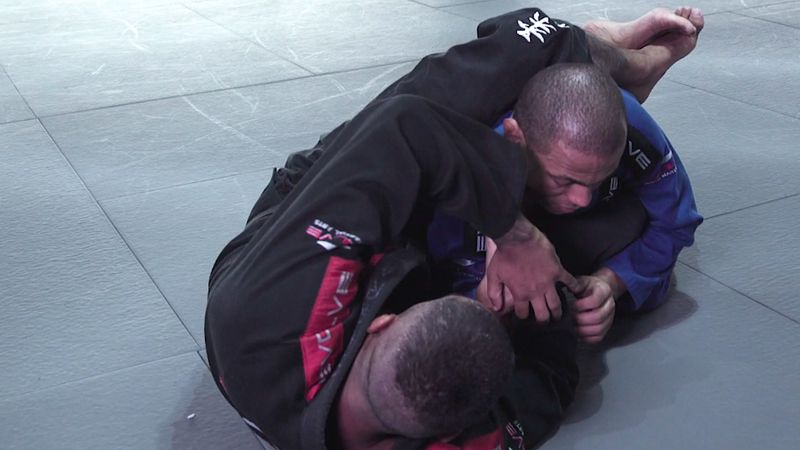
A wrist lock is a joint lock that forces the wrist into flexion, extension, or rotation beyond what the ligaments allow. There are three main families: flexion locks that fold the palm toward the inner forearm, extension locks that bend the fingers back toward the top of the forearm, and rotational locks that twist the hand against the radius and ulna. Each one attacks the same small joint from a different angle, and each one taps for the same reason — there is almost no muscle around the wrist to defend it.
Because the joint is so small, the margin between “controlled” and “injured” is thin. A well-applied wrist lock bjj submission needs almost no speed. You isolate the hand, remove the slack, and apply pressure at a crawl. If your training partner isn’t tapping, you don’t crank harder — you check your angle.
Why the Wrist Lock Works So Well in No-Gi
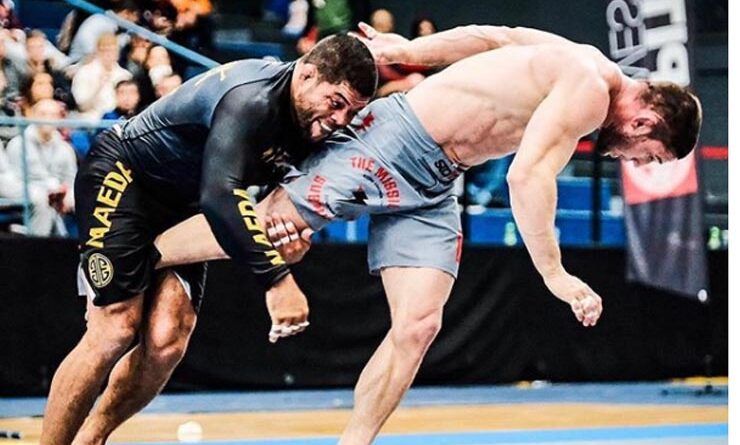
Here is the counterintuitive part: most people assume wrist locks are a gi technique because judo and aikido built their reputations on them. The truth is the opposite for modern grappling. In the gi, your opponent’s grips are anchored to fabric, which actually gives you leverage — but in no-gi, hands are constantly grabbing, framing, and posting on the mat with the palm flat and the fingers spread. Every one of those postures is a wrist lock waiting to happen.
Think about how often someone posts a straight arm on the canvas to stop a sweep, or grips your wrist to control a scramble. In no-gi that exposed hand is currency. Sweaty skin makes grips slip, so people over-grip and lock their wrists rigid, which is precisely when the joint has no give left. The wrist lock rewards grapplers who pay attention to hands instead of just chasing the big submissions.
Wrist Lock BJJ Setups from Guard
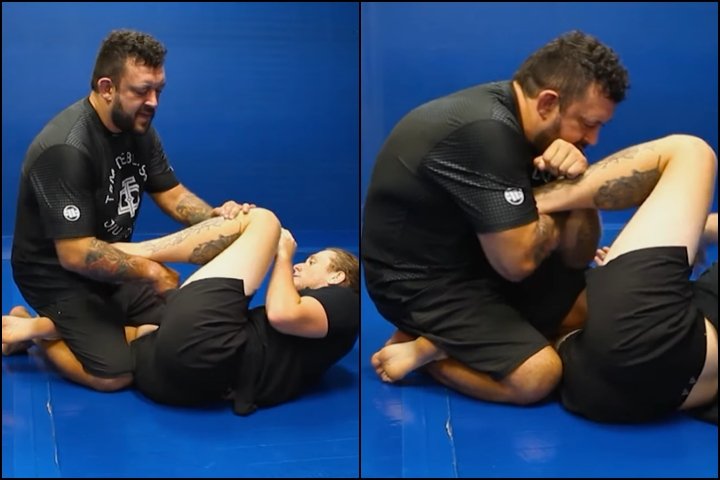
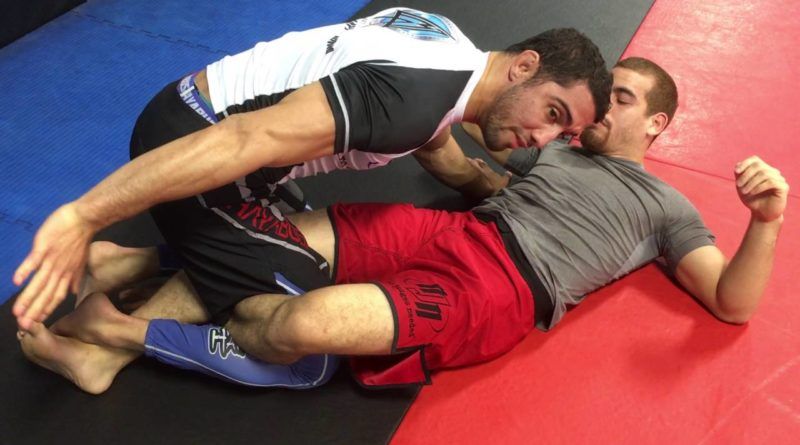
Closed guard is the classroom for wrist locks because your opponent’s hands are right in front of you and usually planted on your chest or hips to posture up. The moment a hand presses flat against your sternum, trap it there with both of your hands stacked over their knuckles. Curl your body forward slightly and their own posture drives their palm into their forearm. They tap not because you pushed hard, but because they pushed into you.
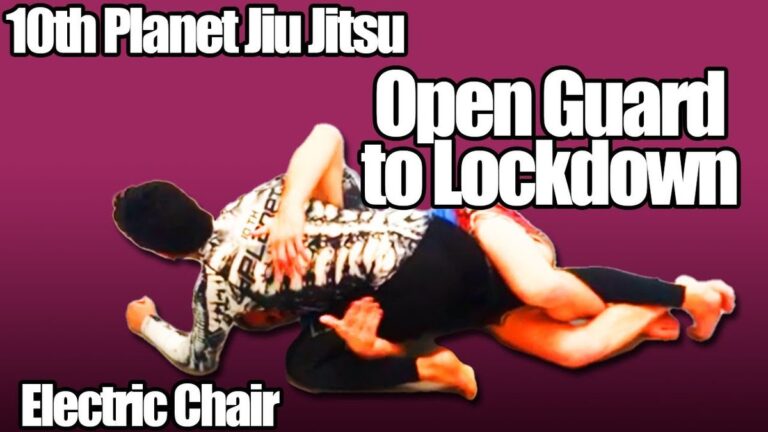
A second high-percentage entry comes off the overhook. When you control an arm with an overhook and they try to pull it free, their wrist bends naturally — add a small rotation and the lock finishes itself. This chains beautifully with the no-gi kimura, since defenders who straighten their arm to escape the kimura hand you the wrist instead. Attacking two joints on the same limb means one of them gives.
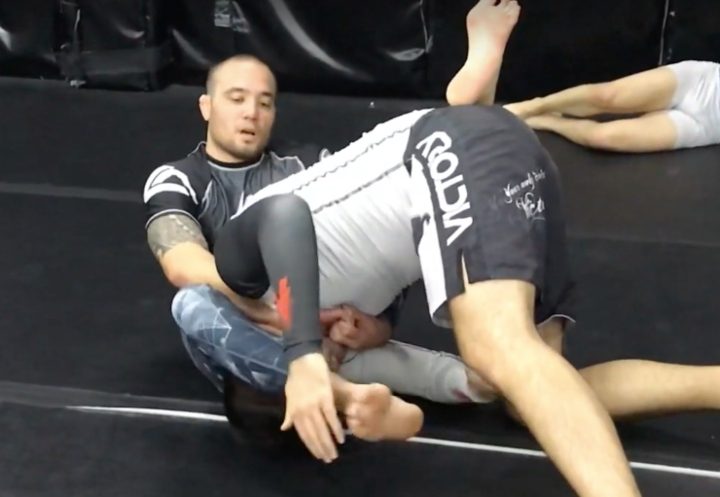
The sit-up scenario is a third reliable path. When your opponent stands to break your closed guard and plants a hand on your hip or thigh to base out, that posting hand is loaded with their weight and locked straight. Sit up into them, cup their planted hand with both of yours, and drop back down. Their own body weight closes the joint for you before they can pull the hand off the mat. Beginners love this entry because it requires zero strength — just timing and a willingness to attack the hand the second it commits.
Catching Wrist Locks While Passing Guard
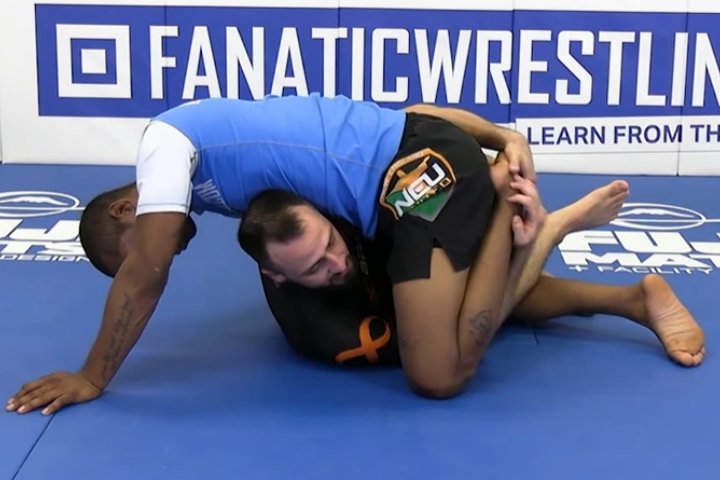
Guard passing is the most overlooked wrist lock hunting ground in no-gi. When you pass and your opponent frames a hand into your hip or shoulder to slow you down, that frame is a rigid, straight arm ending in a locked wrist. Instead of fighting the frame, pin their hand against your body and drive forward. Their arm bends, their wrist folds, and the pass becomes the submission.
Reactionary wrist locks like these are what separate hobbyists from finishers. You are not setting up a technique from scratch — you are punishing a defensive habit. The same principle applies when someone shoots a lazy underhook or reaches to control your ankle during a leg entanglement. Any time a hand commits to a straight, weight-bearing posture, the wrist is available.
The Wrist Lock from Mount and Back Control
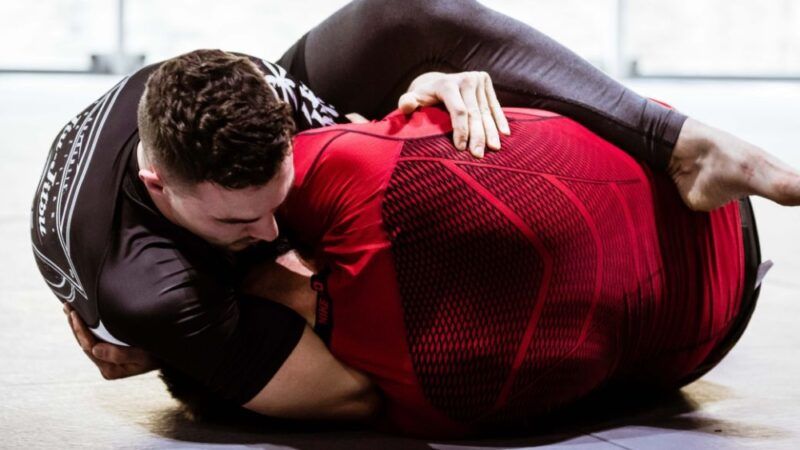
Top positions turn the wrist lock into a trap you can spring without giving anything up. From mount, when your opponent frames or pushes on your chest, you can pin their hand flat to their own torso and lean, folding the wrist against their body. It is a low-risk attack — if they defend, you have not surrendered the mount.
Back control offers a similar gift. As you hunt the rear naked choke, defenders peel at your grip with an exposed hand. Trap that hand against their neck or jaw and rotate. Many high-level grapplers use the threat of the wrist lock to open the choke, and the threat of the choke to open the wrist — the same two-way pressure that makes the arm-triangle from side control so hard to defend. Give your opponent two problems and they can only solve one.
Is the Wrist Lock Legal in No-Gi Competition?
Yes — wrist locks are legal for adults in almost every major ruleset. Under IBJJF rules they are permitted from blue belt up in both gi and no-gi. ADCC allows them at all levels, which is part of why ADCC’s permissive submission ruleset produces so many sneaky finishes that other tournaments never see. EBI and most sub-only promotions allow them as well.
The main exceptions live at the bottom of the ladder: IBJJF bans wrist locks for white belts, and youth divisions restrict them entirely because growing joints are fragile. If you compete, read your event’s ruleset before you rely on the technique — a legal submission at one tournament can be a disqualification at another.

The reason the ADCC ruleset matters is that it shapes the meta of the whole sport. When the biggest no-gi event on the calendar allows wrist locks at every stage, the athletes who podium there start hunting them, and the technique trickles down to every academy watching. Wrist locks used to be treated as a cheap-shot novelty. Now you’ll see them close out matches on the sport’s largest stages, which is the clearest signal there is that the submission deserves a real place in your no-gi game.

Common Wrist Lock Mistakes That Cost You the Tap
The number one error is chasing the finish with muscle instead of angle. If you find yourself cranking, the position is wrong — reset the trap so their palm is truly stuck and their forearm can’t rotate away. A wrist lock that requires force is a wrist lock that is about to slip.
The second mistake is leaving slack. Any space between their hand and the anchor point — your chest, their body, the mat — lets them spin the wrist out and escape. Kill the slack first, then apply pressure. The third mistake is telegraphing. Grab the hand too early and a savvy opponent balls up a fist and hides the wrist. Attack in the middle of their movement, when they are posting or framing and their attention is somewhere else, and the joint is yours before they can protect it.
How to Defend and Drill the Wrist Lock Safely
Defending starts with awareness. Stop posting on flat, straight arms when you scramble, keep a slight bend in the wrist, and make a fist the instant you feel your hand isolated — a closed fist shortens the lever your opponent needs. If you feel the lock coming and can’t hide the hand, follow the pressure by rolling your whole body in the direction the wrist wants to fold, buying time to pull the arm free.
Drilling requires trust. Because the wrist taps early and can tweak, go slow and communicate. Have your partner tap on pressure, not on pain, and rotate through the flexion, extension, and rotational versions so you learn the angles without hurting anyone. The right shoulder-lock chains like the omoplata pair naturally with wrist attacks, so drill them as a series rather than in isolation.

Wrist Lock Video Breakdown
Reading about angles only gets you so far — watch the joint move. This no-gi wrist lock breakdown walks through several variations you can drill this week:
Add the wrist lock to your game and you gain a submission that costs nothing to attempt and finishes in seconds when it lands. Start by watching hands — every flat palm and rigid frame on the mat is an invitation. The grapplers who tap people with wrist locks aren’t stronger; they just notice the opening everyone else ignores. For the gear that keeps your grips and your training consistent, check our guide to the best no-gi BJJ rashguards and get back on the mat.
Sources
- Grapplearts — Wristlocks in BJJ: What Makes Them Work — mechanics and leverage principles behind the wrist lock.
- ADCC News — ADCC Rules & Regulations — official submission ruleset confirming wrist locks are legal at all levels.
- BJJEE — Most Effective Submissions Used in No-Gi BJJ — context on how joint locks perform without the gi.