The Anatomy of a No-Gi Grappling Short: Fabric, Flatlock, and Fit
Most grapplers buy their first pair of no-gi shorts the way they buy socks — grab a size, check the color, done. Then a training partner posts up on a knee slice, the outer layer catches, and there’s a two-inch tear along the seam that wasn’t there ninety seconds ago. The truth about finding the best no-gi shorts for BJJ is that almost none of the decision lives on the front of the packaging. It lives in the closure system, the crotch gusset, the stitch type, and the way the fabric behaves when it’s soaked in sweat and pinned under a body. This is a look at the short from the seams outward, so you can read a pair with your hands before you ever roll in it.
Why Grappling Shorts Are a Different Animal
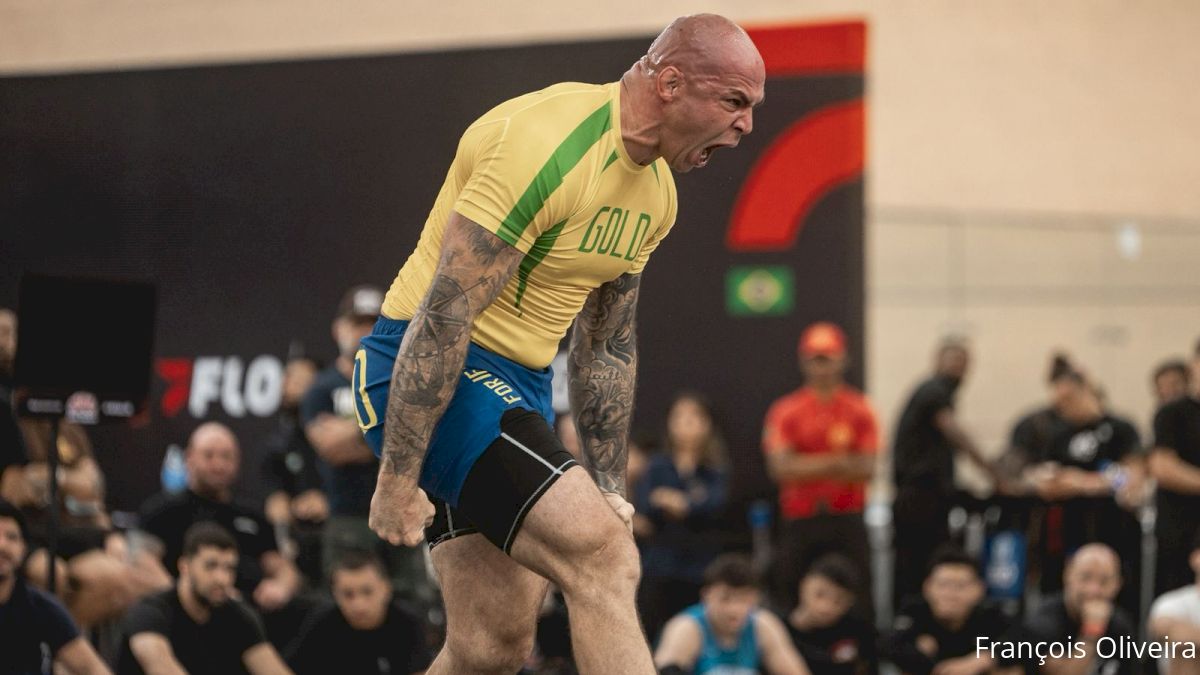
It’s worth separating two things that get lumped together. Compression shorts are the base layer — the tight underlayer that manages sweat and keeps everything in place. Grappling shorts, sometimes called fight shorts or vale tudo shorts depending on cut, are the outer garment. They take the abrasion. They’re the ones your opponent grips, the ones that drag across the mat during a shrimp, the ones that have to survive a full-guard triangle without the waistband rolling down. Confusing the two leads people to judge an outer short by base-layer standards, and that’s how you end up with a pair that feels great standing in the mirror and fails the moment there’s a load on it.
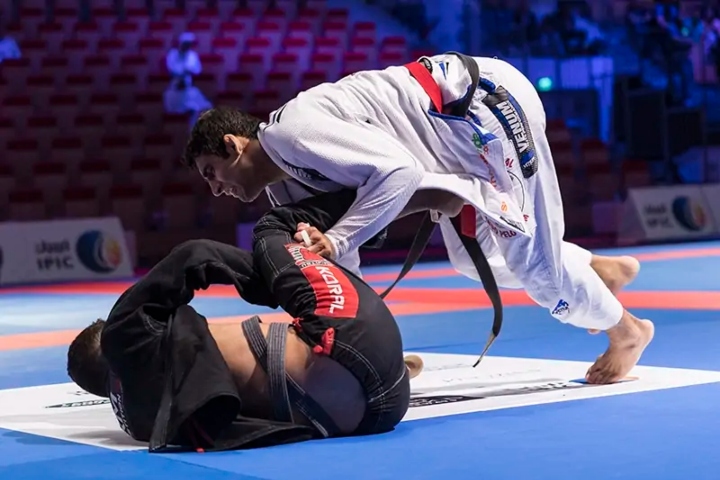
No-gi is uniquely hard on shorts because there’s no jacket absorbing the friction. In the gi, the kimono takes a lot of the grip and drag. Strip that away and every scramble puts the load directly onto your legwear. That’s why a short built for casual training or the beach behaves so differently from one built for grappling — the forces are the same forces that decide whether a takedown lands, just applied to cloth.
The Closure System Is the Whole Game
If you only inspect one thing before buying, make it the waistband. A grappling short lives or dies on whether it stays where you put it, because nothing kills your focus faster than hiking your shorts up between exchanges. There are three closure families you’ll run into, and each has a personality.
Drawcord Only
The simplest system: an internal drawstring you cinch and tie. Cheap to make, comfortable, and completely dependent on the knot holding. On a long round the cord works loose, and a wet knot is a slippery knot. Fine for a relaxed drilling session, frustrating in live rolls where you can’t stop to re-tie.
Hook-and-Loop with Drawcord
The MMA-style approach — a wide Velcro flap across the front, backed up by a drawcord underneath. This is the most secure setup you’ll find, and it’s why fight shorts use it. The tradeoff is the hook side of the Velcro. If the flap ever peels mid-roll, that exposed hook can scratch a training partner or snag their rashguard. Good pairs bury the hook material so it can’t make contact when closed; cheap ones leave it near the edge.
Elastic Waistband
The most comfortable and the most variable. A wide, dense elastic band with a supporting drawcord can be excellent — no hardware to fail, nothing to scratch. A thin, cheap elastic band rolls down under pressure and stretches out after a few months of washing. When you’re evaluating an elastic-waist pair, the band width tells you almost everything. Anything under an inch and a half is going to migrate.
The Gusset: The Part You Can’t See From the Outside
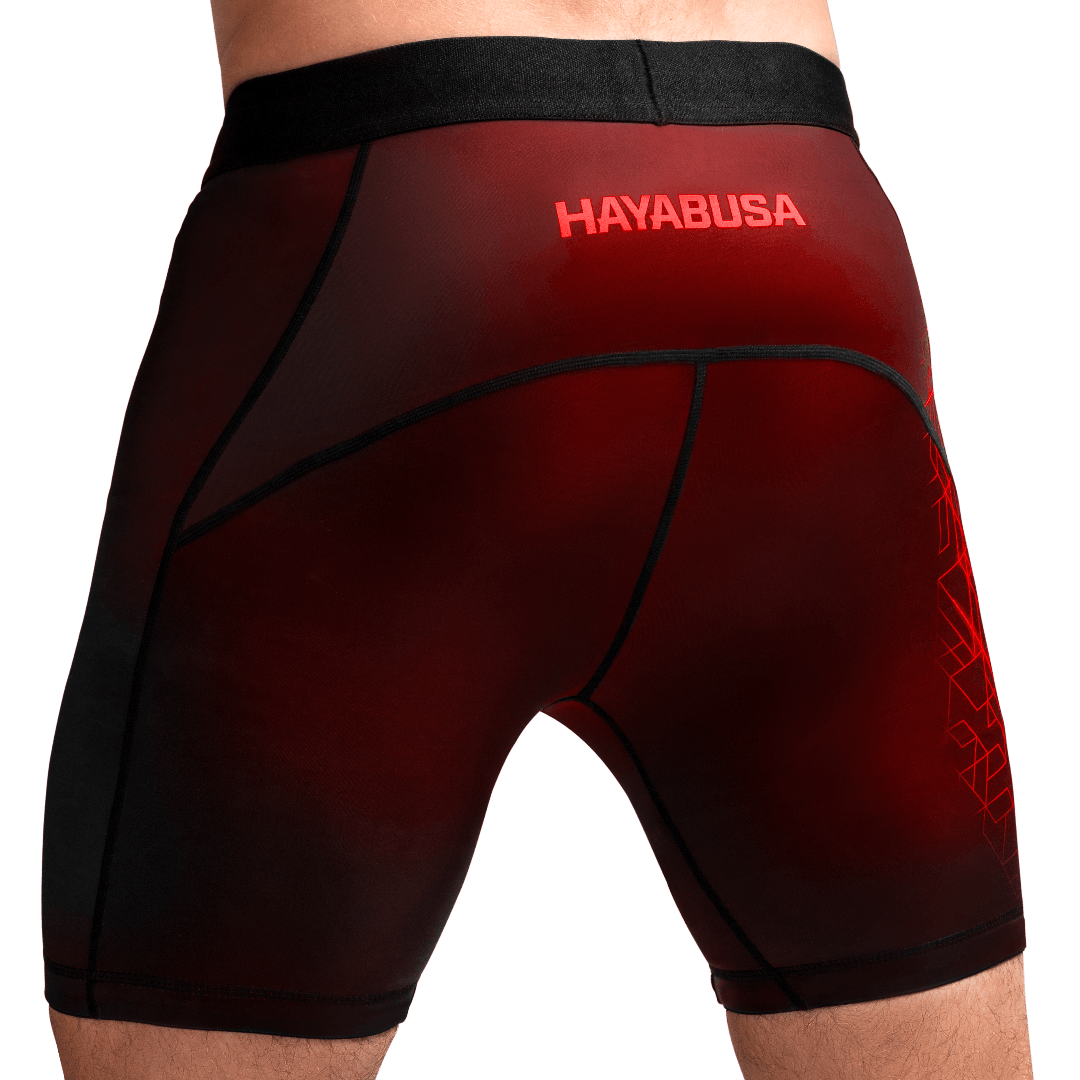
Turn a pair of grappling shorts inside out and look at the crotch. On a good pair you’ll find a diamond-shaped or triangular panel of extra fabric sewn in — the gusset. On a bad pair you’ll find a single seam where the two inner leg panels meet at a point. That point is a stress concentrator, and it’s where most catastrophic short failures start. When you throw a high kick, sprawl on a shot, or pull an open guard with your knees flared wide, all of that stretch load funnels into the crotch seam. A gusset spreads it across a panel instead of a single junction.
This single feature is one of the clearest dividing lines between shorts built for grappling and shorts built to look like they’re for grappling. It costs a manufacturer more fabric and an extra sewing operation, so it’s exactly the thing that gets cut to hit a price point. If you’re shopping and a listing doesn’t mention a gusset and doesn’t show the inside, assume there isn’t one.
Stitching: Flatlock Versus Overlock
Run your fingertips along the inner seams. If the seam is flat and wide — the two fabric edges laid side by side and stitched across — that’s a flatlock seam. If it’s a raised ridge where the fabric folds over on itself, that’s an overlock seam. Flatlock does two things that matter on the mat: it sits flush so it doesn’t chafe the inside of your thigh over a long session, and it distributes stress across a wider band of stitching so it resists popping. Overlock is faster and cheaper to sew, and it’s perfectly fine on a casual garment, but on a grappling short it’s the seam most likely to be the first thing to give.
Bar tacks are the other detail worth a glance. These are the dense clusters of stitching at high-stress points — the base of the fly, the corners of the side slits, the ends of the waistband. They’re small and easy to overlook, but they’re the reinforcement that keeps a seam from unzipping once the first stitch fails. A pair with clean bar tacks at every stress point was designed by someone who understood how the garment would be abused.
Fabric: The Stretch-and-Recover Test
No-gi shorts have to do two contradictory things. They have to stretch — a rigid short restricts your guard and rips the first time you throw a knee-high round kick — and they have to recover, snapping back to shape instead of bagging out. The magic is in a small percentage of elastane (spandex) woven into a polyester shell. Too little and the short fights your range of motion. Too much and it clings, holds water, and loses its shape over a season.
You can test recovery in the store or the moment the package arrives. Grab a section of the leg fabric, stretch it firmly, and let go. Good fabric snaps back flat with no memory. Cheap fabric stays slightly deformed for a second, or shows a faint stretched patch. That lag is exactly what happens to the whole garment after a few months — it’s telling you the short will bag out at the knees and seat. Weight matters too. A featherweight beach short breathes beautifully but tears easily; a heavier woven shell survives grip-and-drag but runs hot. For most rooms, a mid-weight four-way stretch shell is the sweet spot.
Inseam, Slits, and the Fit That Doesn’t Ride
Inseam length is more than a style choice. A very short inseam maximizes hip mobility but exposes more thigh to mat burn and rides up during scrambles. A longer inseam covers the knee area and stays put, but too long and it binds when you shoot for a takedown or fold into deep half guard. Most grapplers settle somewhere in the mid-thigh to just-above-knee range, and the right answer depends on your game — a leg-lock-heavy player who lives in tangled positions usually wants more coverage than a stand-up scrambler.
The side slits — those vents at the outer thigh — exist to let the leg splay open without the fabric acting like a tether. Without them, a wide-knee open guard tugs the whole short sideways. With them, the leg moves freely. Check that the slit is bar-tacked at the top so it can’t tear open into a full split under load.
Fit-wise, the honest test is to squat deep and shoot an imaginary double while wearing them. If the waistband stays put, the crotch doesn’t bind, and nothing rides up, you’ve found your cut. If you’re between sizes, size to the waist and let the stretch handle the thighs — a waistband that needs a death-grip drawcord to stay up will fail you first.
Competition Legality: Read the Ruleset First
If you compete, the best short in the world is useless if it gets you turned away at bracket check-in. Rulesets vary, and the differences are specific. Many no-gi organizations prohibit pockets and any exposed metal or plastic — zippers, snaps, D-rings — because they can catch fingers or scratch an opponent. Some require the short to cover a minimum amount of thigh; others regulate whether you can wear board shorts at all versus requiring a fitted grappling short. Certain federations even restrict shorts entirely for some divisions in favor of spats.
The practical move is to check the exact organization’s current uniform rules before you buy competition-specific gear, not the week of the tournament. A pair marketed as “competition legal” is only legal for the events whose rules it was built around. When in doubt, a pocketless, hardware-free grappling short with a secure closure clears the most brackets.
Care: How to Not Kill a Good Pair Early
A well-built short still dies young if you launder it like cotton. Heat is the enemy — a hot dryer breaks down elastane, which is exactly the fiber giving you stretch and recovery. Wash cold, hang to dry, and you’ll often double the lifespan. Skip fabric softener, which coats technical fabric and kills its moisture-wicking. And close the Velcro flap before it goes in the machine; an open hook side will shred everything it tumbles against, including your rashguards. Treat the short like the technical garment it is and a good pair will outlast three cheap ones.
Putting It Together at the Point of Purchase
Strip all the marketing away and a strong pair of no-gi shorts is a short list of physical features you can verify by hand: a secure closure with the band width or Velcro backing to stay put, a real gusset in the crotch, flatlock seams with bar tacks at the stress points, a four-way stretch shell that recovers cleanly, and side slits that let the leg open. Everything else — the graphics, the fighter endorsement, the name on the waistband — is a preference, not a performance factor.
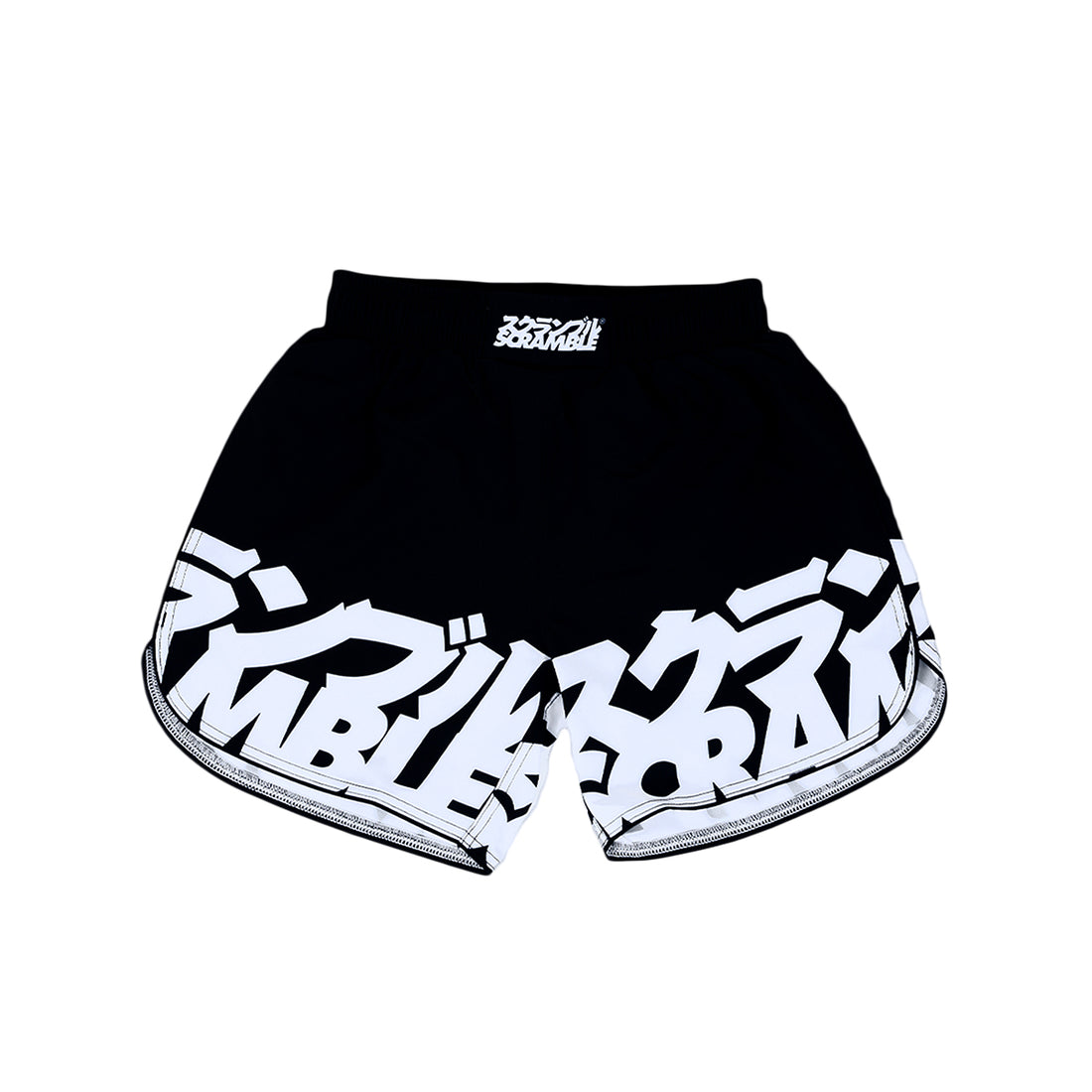
That’s genuinely good news for your wallet. Once you know what to feel for, you stop paying for the logo and start paying for the construction, and those two prices are not the same. If you want to compare options, a straightforward search for no-gi grappling shorts or dedicated BJJ fight shorts will surface plenty of pairs — and now you can read the listing photos for gussets and flatlock seams instead of trusting the headline.
The Bottom Line
The best no-gi shorts for BJJ aren’t a single brand or a single model — they’re the pair whose construction matches how you actually roll and holds together while doing it. A leg locker wants coverage and a bombproof gusset; a stand-up scrambler wants a locked-down waistband and freedom at the hip. Learn to read the seams, test the fabric’s recovery, respect the ruleset if you compete, and wash the thing like it’s technical gear. Do that and the question stops being “which pair is best” and becomes “which pair is built for me” — which is the only version of the question that actually has an answer.
Sources
- International Brazilian Jiu-Jitsu Federation (IBJJF) — official uniform and competition rules
- Wikipedia — Brazilian Jiu-Jitsu
- FloGrappling — no-gi grappling events and competition coverage
Browse our top-rated rashguards and no-gi gear at the RashguardGuy shop →
Shop on Amazon
Fight Shorts on Amazon →
As an Amazon Associate we earn from qualifying purchases.