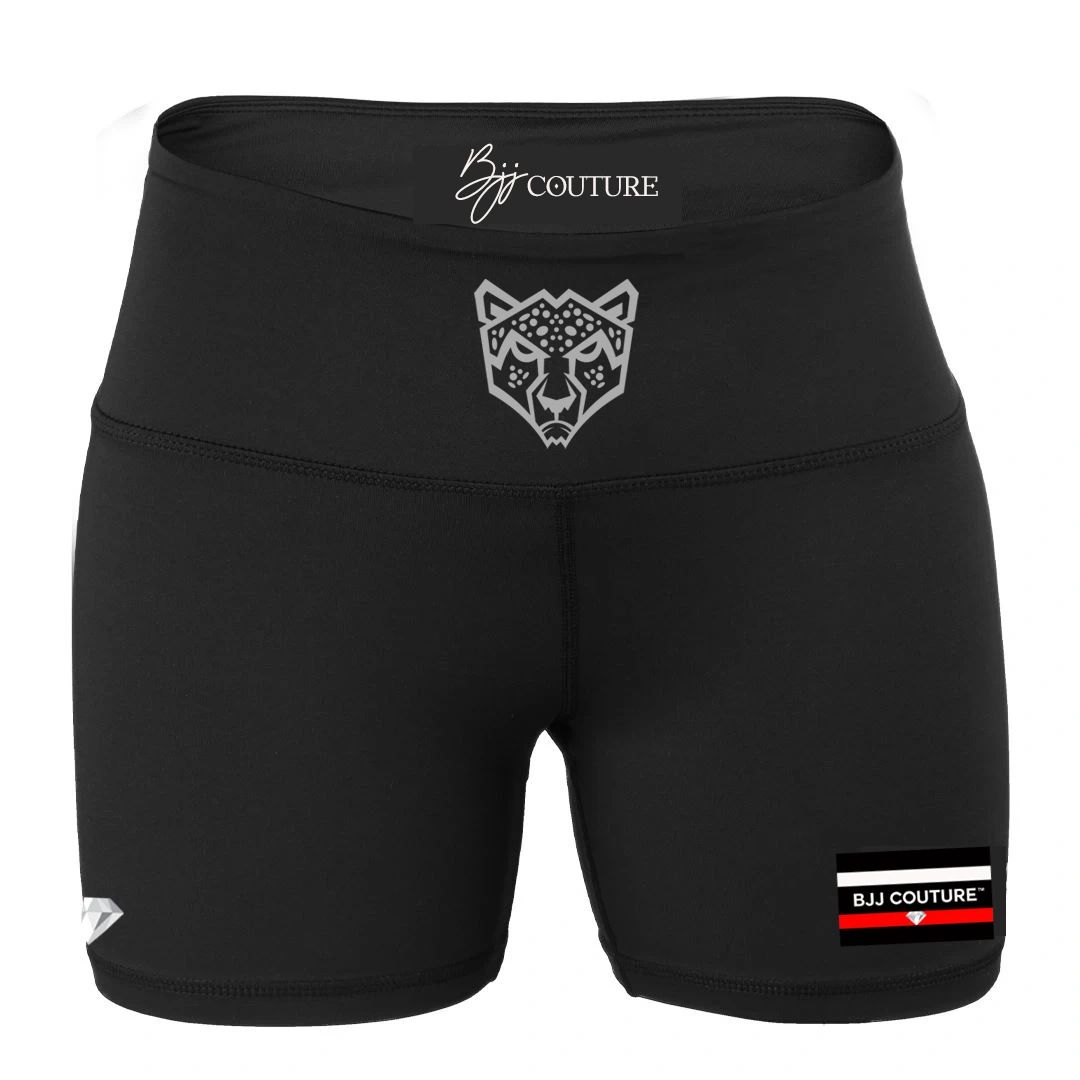
Compression Shorts Buying Guide: How Grapplers Pick a Pair That Survives No-Gi
Most grapplers spend weeks agonizing over which rashguard to buy and then grab the nearest pair of gym shorts for the bottom half. Then the first hard roll happens: a knee slides through a baggy leg opening, a pocket seam grinds against the inside of a thigh, or an errant grip yanks a waistband down mid-scramble. Compression shorts are the quietest piece of no-gi gear you own, right up until they fail — and when they fail, they fail in the middle of a live exchange where you can least afford the distraction. This buying guide walks through what actually matters when you choose a pair, and why so much of the marketing language is noise.
Compression shorts sit against the skin under fight shorts, spats, or on their own for training. Their job is friction management, muscle support, and keeping everything held in place while you invert, shrimp, and scramble. Get them right and you never think about them again. Get them wrong and you’ll be adjusting your waistband instead of defending a guard pass.
Why Grappling Compression Shorts Are Not Gym Compression Shorts
The compression shorts sold for running and weightlifting look identical to grappling shorts on a hanger. On the mat they behave completely differently. A running short is engineered for repetitive linear motion — your legs move forward and back, the fabric flexes in one plane, and nobody is grabbing the hem. Grappling loads fabric in every direction at once. Someone is pulling your leg into a lock, your own knee is folding to your chest in a deep guard, and your hips are rotating hard against the mat. The seams and stitch patterns that survive a marathon can shred under that kind of multi-axial stress.
There’s also the friction problem. Standard gym shorts often use flat, slick faces designed to reduce chafing while running. On the mat you sometimes want a little of that slickness — it helps you slip a knee through on a pass — but you also need the waistband to stay locked. Grappling-specific shorts tend to use wider, silicone-gripped waistbands and gusseted crotches precisely because they’re built for a body that spends half its time upside down.
The short version: a dedicated grappling or MMA compression short is worth the small premium over a generic fitness pair. You’re paying for reinforced stitching, a real gusset, and a waistband that won’t migrate. If you already own quality gym compression shorts, they’ll survive light drilling — but treat them as a stopgap, not a competition piece.
Fit: The Squeeze Has to Be Right, Not Just Tight
Compression only works if the garment is genuinely snug against the muscle. A loose “compression” short is just a short — it bunches, rides, and does nothing for circulation or support. But there’s a ceiling. Shorts tight enough to leave deep marks or restrict a deep squat will fight you every time you shoot for a takedown or fold into a stacked position. You want the fabric to feel like a firm second skin that disappears once you’re warm.
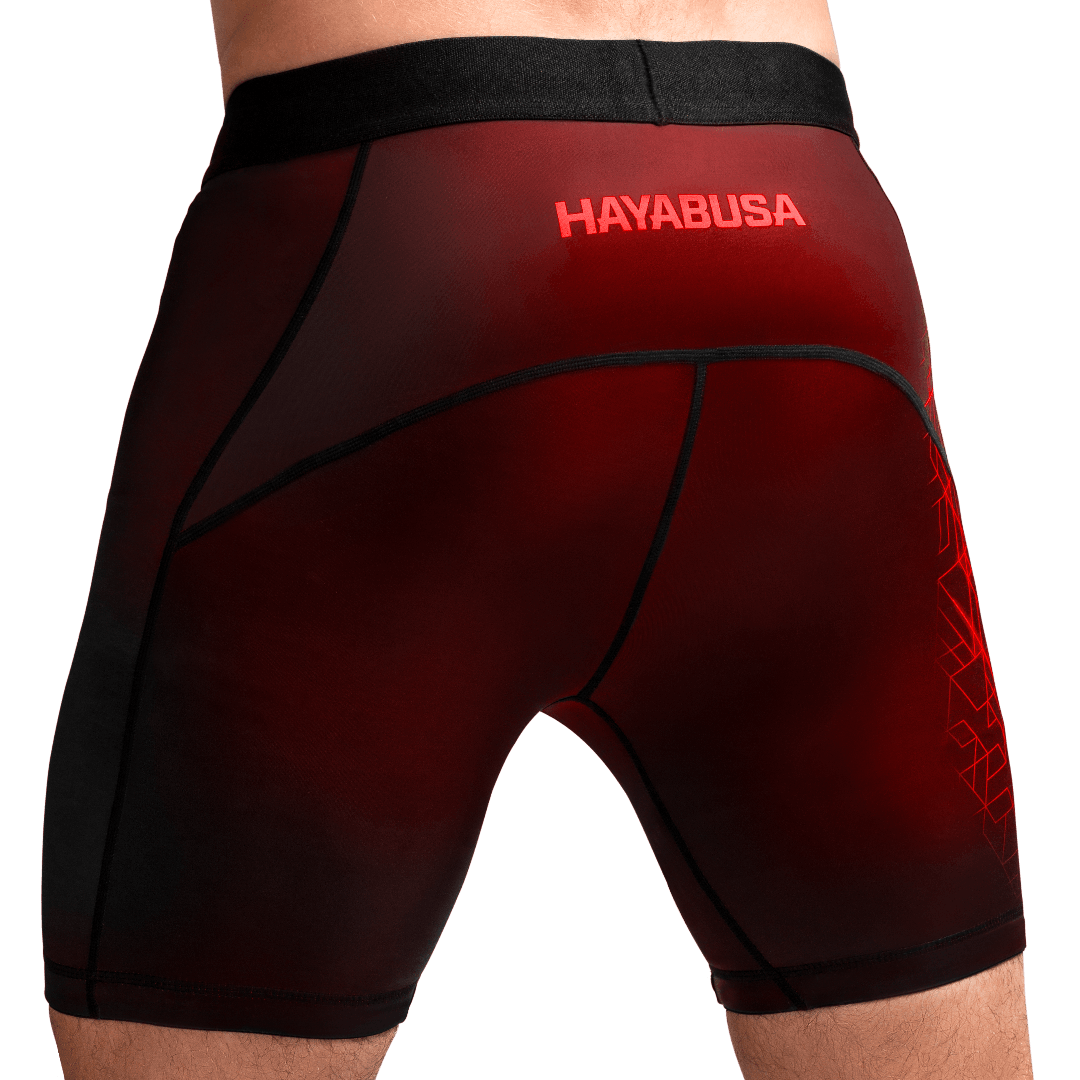
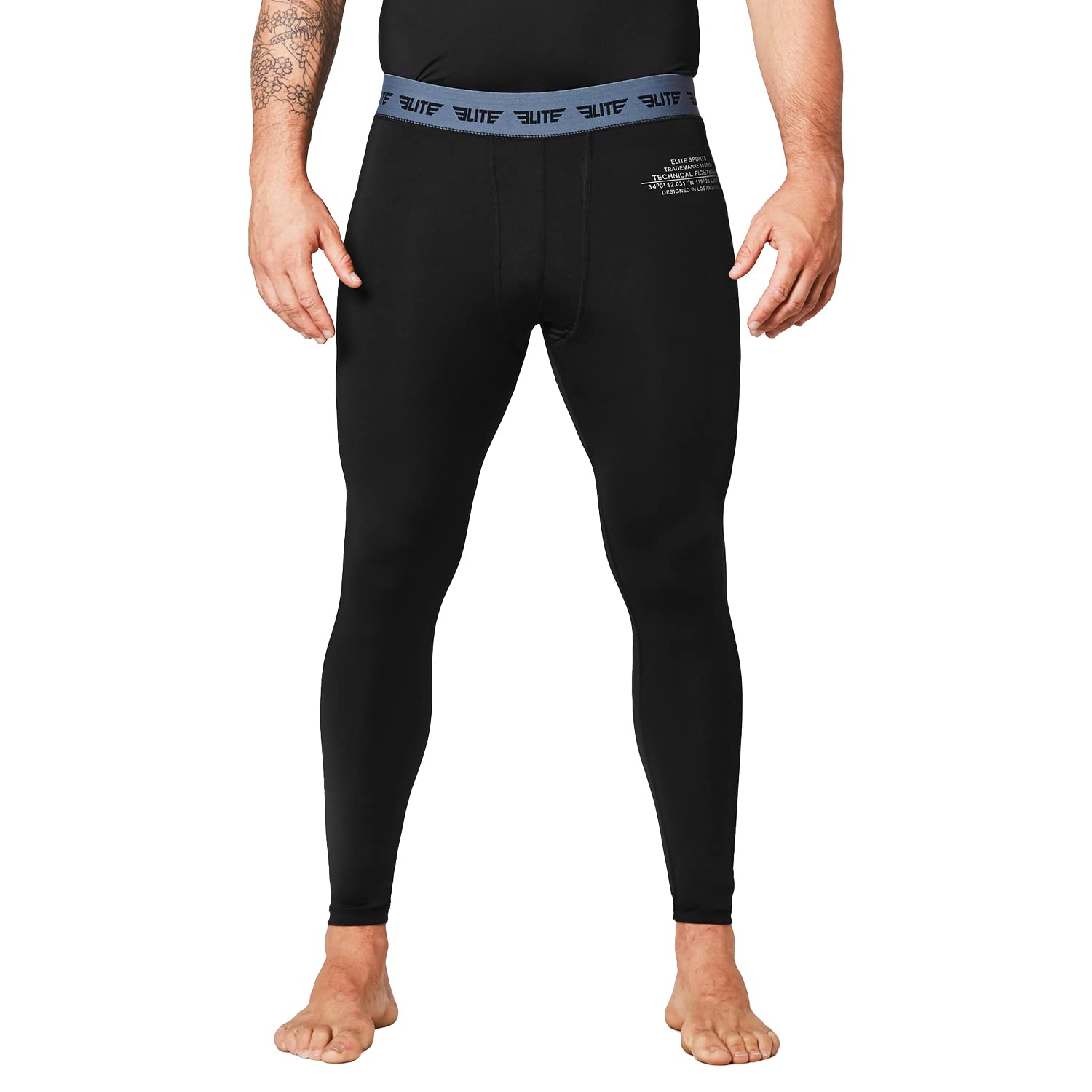
Length is the fit decision most people get wrong. Short-cut compression shorts that end high on the thigh look sleek but expose bare skin to the mat, which means more friction burns and more skin-to-skin contact you may not want in a communal training room. A mid-thigh to just-above-the-knee length is the sweet spot for most grapplers — enough coverage to reduce mat burn without so much length that it bunches behind the knee when you fold your leg. If you run cold or train on rougher mats, longer spat-style leggings solve the coverage problem entirely.
The Waistband Test
Before you buy, understand what holds the shorts up. A thin elastic waistband will roll and dig once you start moving. A wide, flat waistband — ideally with an internal silicone grip strip — distributes pressure and stays put through inversions. If you’re shopping in person, put the shorts on and do a few deep squats and a shrimp on the floor. If the waistband creeps down even slightly during that test, it will slide clean off your hips during a scramble. If you’re shopping online, read reviews specifically for the word “rolls” or “slides.” It comes up fast when a waistband is bad.
Fabric and Weight: Reading the Blend That Matters
Almost every compression short is some ratio of polyester or nylon to spandex (elastane). The spandex percentage is the number worth checking. Somewhere around 15 to 20 percent elastane gives you the stretch-and-recovery a grappler needs — the fabric snaps back to shape after being stretched into a lock or a deep lunge. Below roughly 10 percent, the shorts feel more like tight-fitting cloth than true compression, and they’ll bag out over a season of hard use.
Fabric weight is the trade-off nobody explains at the point of sale. Heavier fabric lasts longer and resists snags from grips and mat texture, but it holds heat and dries slowly. Lighter fabric breathes and wicks fast — a real advantage if you train in a humid room or sweat heavily — but it’s more prone to thinning and the dreaded see-through stretch when you bend over. If you train in a hot climate, prioritize a lighter, moisture-wicking blend and accept that you’ll replace them a little sooner. If your gym runs cold or your mats are abrasive, a heavier weave is the smarter long-term buy.
One quick check most buyers skip: the bend-over test. Pull the shorts tight across your thigh with both hands and hold them up to the light. If you can see through the stretched fabric, everyone in your guard will too. Cheap shorts fail this test constantly, and no amount of “four-way stretch” marketing fixes thin fabric.
Seams and Stitching: Where Cheap Shorts Die
Turn a pair of compression shorts inside out before you commit. The seams are where price differences become obvious and where most failures start. Flatlock stitching — where two edges are butted together and stitched flat rather than folded over — lies smooth against the skin and won’t saw at your inner thigh during forty minutes of rolling. Standard overlock seams create a raised ridge that becomes a chafe point exactly where your legs rub together in guard.
The crotch is the single most important junction. Cheap shorts meet four seams at a single point between the legs, and that point is under maximum stress every time you open your hips. A gusset — a diamond or triangle of extra fabric sewn into the crotch — spreads that load across more seam length and dramatically extends the life of the garment. If a pair of shorts has a proper gusset and flatlock seams, it will outlast three pairs that don’t, and the price gap between them is usually small.
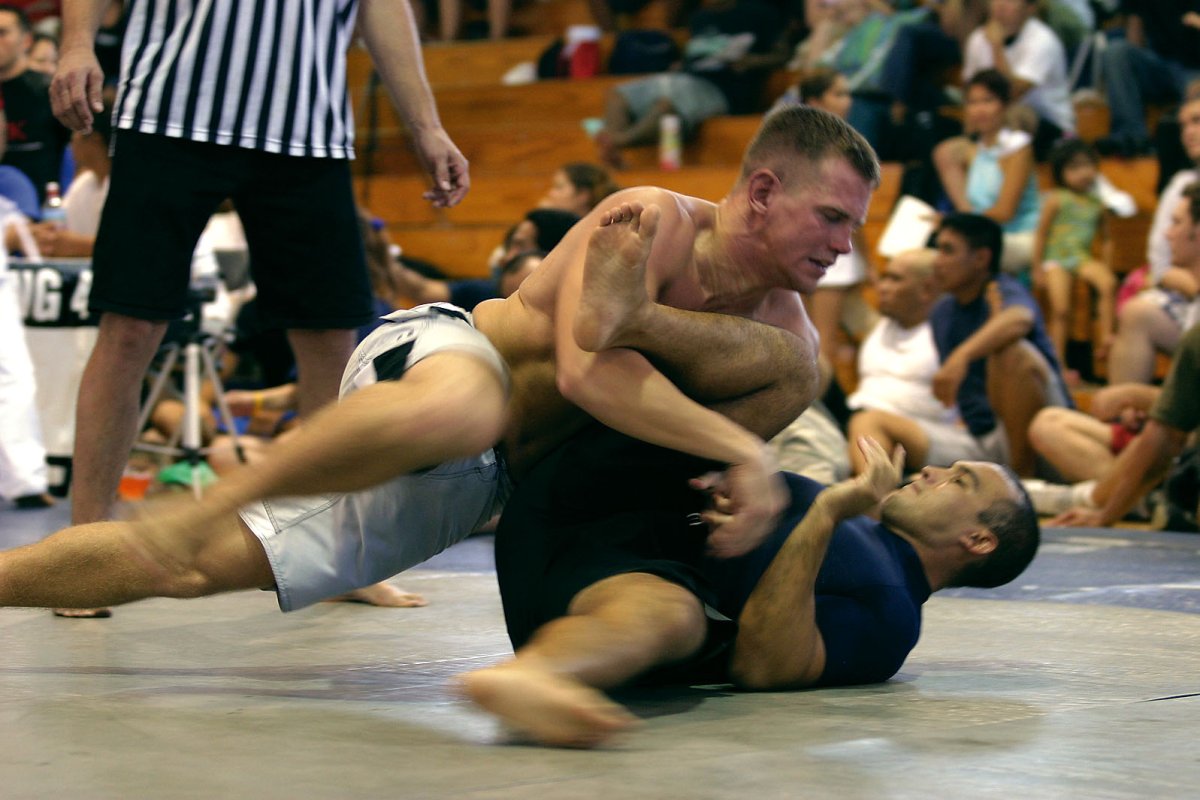
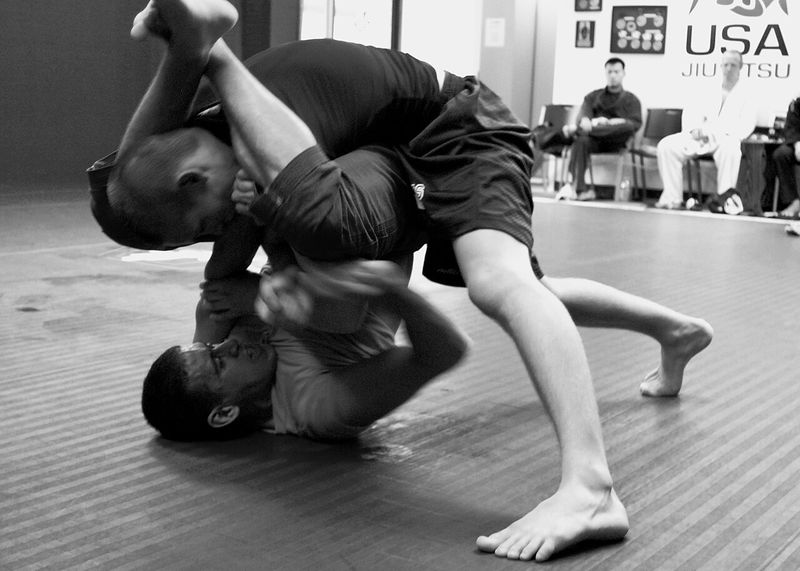
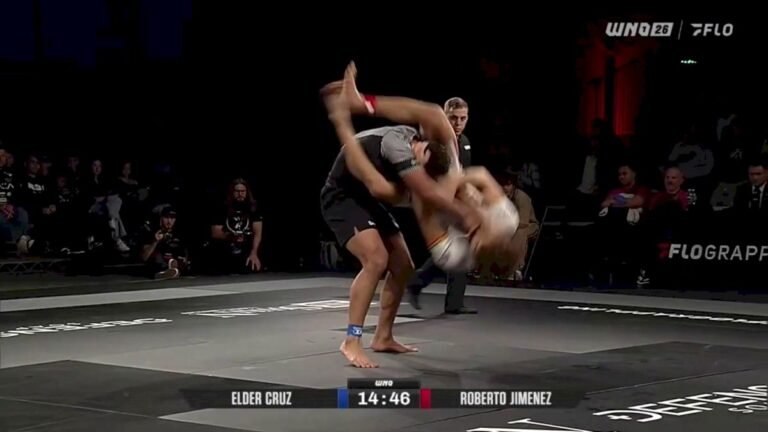
No-gi scrambles put compression shorts under load the gym never will.
The Cup Question and the Vale Tudo Option
Pure grappling generates far fewer accidental strikes than striking arts, but knees and elbows still find their way into bad places during scrambles. Most no-gi grapplers train without a cup because a rigid cup is uncomfortable on the ground and can dig into a training partner. If you want protection, look at compression shorts with a built-in soft-cup pocket that accepts a flexible insert, rather than trying to wear a hard athletic cup under standard shorts.
Vale tudo shorts are the specialized cousin worth knowing about. These are compression-length shorts originally designed for MMA — tighter, longer, and often reinforced — that many pure grapplers wear because they stay locked down and resist grip-pulling better than standard compression shorts. They tend to cost more and run hotter, but if you compete and want one bombproof pair, a quality vale tudo short is a defensible splurge.
Board Shorts and Fight Shorts Over the Top
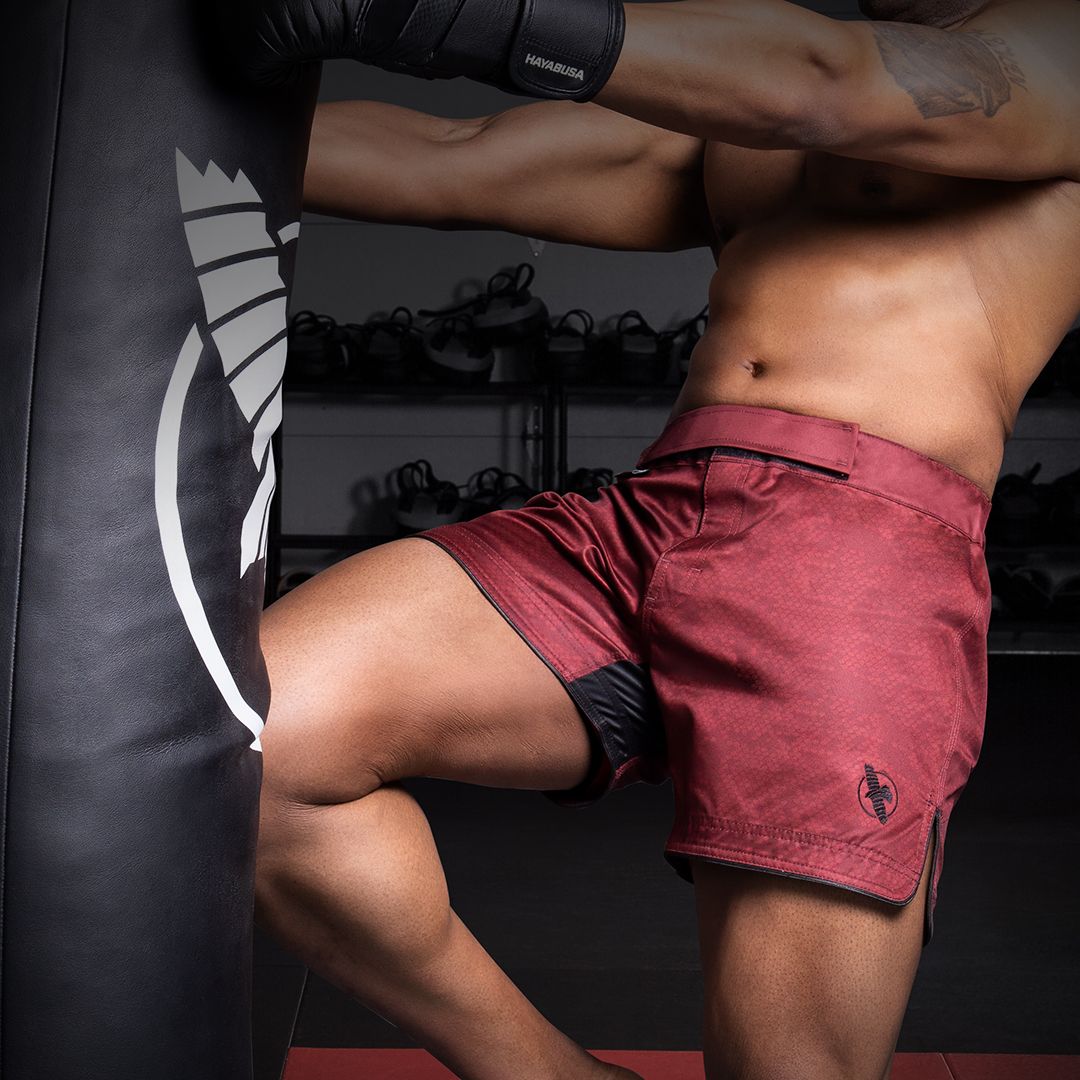
Plenty of gyms require or prefer that you wear fight shorts or board shorts over your compression layer, both for modesty and to keep grips off bare skin. If that’s your setup, buy the compression short as a base layer and don’t overthink its outer appearance — prioritize the waistband and seams, since the outer short handles coverage. Just confirm the compression short’s leg length is shorter than your outer short so it doesn’t peek out awkwardly and bunch at the hem.
Care: The Buying Decision Doesn’t End at Checkout
Compression shorts are an elastane garment, and elastane is fragile in ways cotton isn’t. Heat is the enemy. Hot water and a hot dryer break down the elastic fibers, which is why compression gear that started snug turns into a sagging bag after a summer of careless laundry. Wash cold, hang dry, and skip the fabric softener — softener coats synthetic fibers and kills their wicking ability, which is the whole point of the fabric. Treat a good pair this way and it’ll hold its compression for a year or more of regular training.
Buy at least two pairs from the start. No-gi training is sweat-soaked, and a single pair means either washing after every session or rolling in yesterday’s funk — a fast route to skin infections in a sport already fighting ringworm and staph. Two or three pairs in rotation dry properly between sessions and each pair lasts longer for the lighter individual load.

Putting It Together: A Simple Buying Decision
Strip away the marketing and the decision comes down to a short mental checklist you can run in a store or against a product page. Does it use a high-elastane blend that snaps back? Is the waistband wide and gripped so it won’t migrate? Are the seams flatlock with a real gusset in the crotch? Does the fabric pass the stretch-to-the-light test? And is the length right for your climate and your gym’s coverage rules? A pair that clears all five is worth buying even at a mid-tier price, because it’ll survive the abuse that destroys cheaper shorts in weeks.
Everything else — the colorways, the brand hype, the “proprietary compression technology” language — is secondary. The grapplers who never think about their shorts aren’t the ones who spent the most. They’re the ones who bought for fit, fabric, and seams, washed them right, and kept a spare in the bag. Get those fundamentals sorted and your compression shorts go back to being invisible, which is exactly what they’re supposed to be.
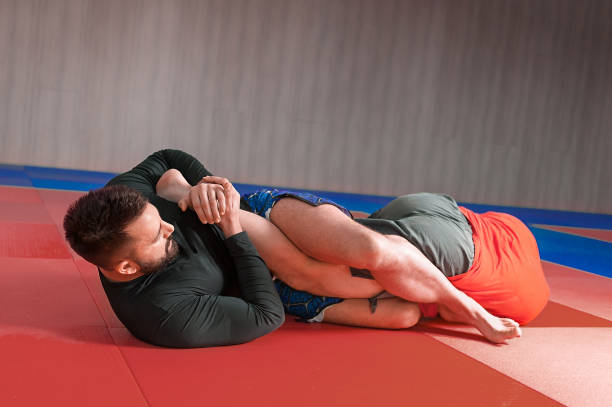
Ready to shop with the checklist in hand? Compare a few grappling-specific pairs side by side and put each one through the waistband and stretch tests before your next session. Browse no-gi compression shorts here and start with two pairs so you always have a dry set ready.
Sources
- Spandex (elastane) fabric properties — Wikipedia
- Compression garments and athletic use — Wikipedia
- No-gi submission grappling overview — Wikipedia
Browse our top-rated rashguards and no-gi gear at the RashguardGuy shop →
Shop on Amazon
Fight Shorts on Amazon →
As an Amazon Associate we earn from qualifying purchases.