Kimura No-Gi: 7 Essential Setups for the Shoulder Lock
Masahiko Kimura broke Hélio Gracie’s arm with this exact lock in 1951, and seventy-five years later it is still finishing world-class grapplers on the biggest no-gi stages. Gordon Ryan, Craig Jones, and the Ruotolo brothers all use the kimura grip constantly — not just as a tap, but as a steering wheel for the whole match. If you train no-gi and you are not threatening the kimura, you are leaving one of the highest-percentage control positions in the sport on the table.
The grip is simple to learn and brutally hard to escape once it is locked. What separates a beginner’s kimura from a black belt’s is not the grip itself — it is the angle, the timing, and knowing that the finish is often the least important part of the attack.
What Is a Kimura in No-Gi Grappling?
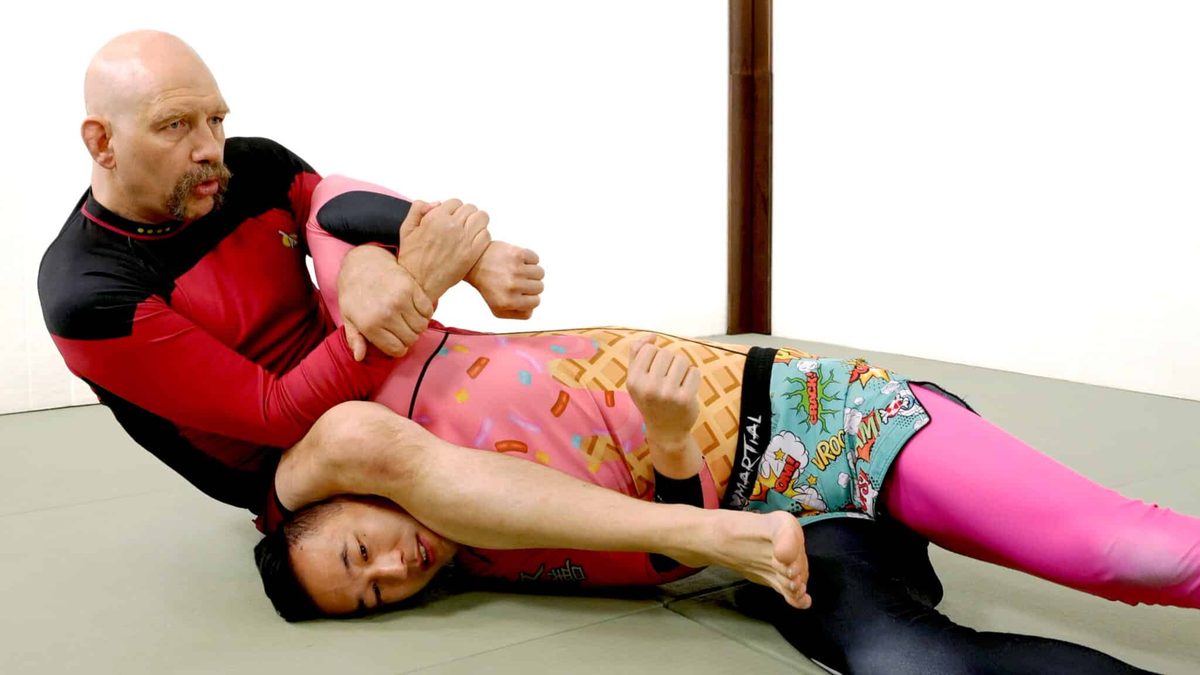
A kimura is a shoulder lock that uses a figure-four grip to rotate your opponent’s arm backward and internally, past the shoulder joint’s normal range. You control their wrist with one hand and grip your own wrist with the other, forming the “figure four.” From there, driving their hand toward their own head or behind their back torques the shoulder until they tap.
In the gi, grip fighting slows everything down. In no-gi there is nothing to hold but skin and rashguard, so the kimura’s wrist-to-wrist lock becomes one of the few grips that does not slip. That reliability is exactly why it shows up so often in submission grappling — the grip holds even when both athletes are drenched in sweat.
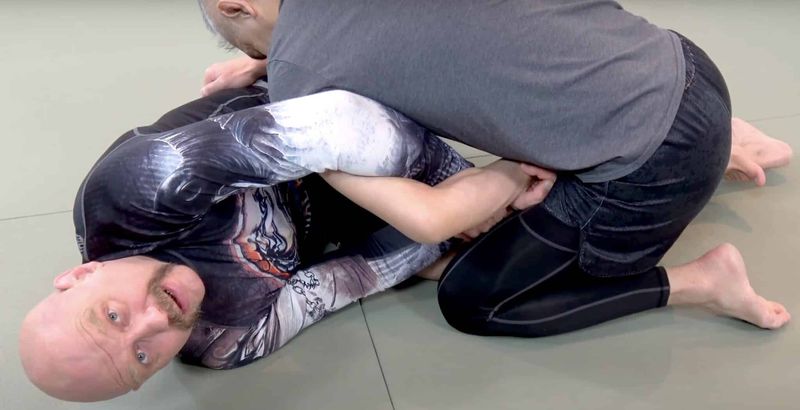
Why the Kimura Is So Dangerous Without the Gi
Here is the honest take: the kimura is the single best “gateway” attack in no-gi, and most hobbyists undervalue it because they treat it as a one-move finish instead of a system. A locked kimura grip gives you control of an entire side of your opponent’s body. From that grip you can sweep, take the back, or transition to an armbar if the shoulder itself does not give.
Without a gi, your opponent cannot post on your sleeve or grab a collar to stall. The scramble happens faster, and a tight figure four travels through those scrambles cleanly. That is why athletes like Gordon Ryan build entire sequences off the kimura grip — it survives the chaos that a gi grip would not.
The Figure-Four Grip: Where Every Kimura Starts
Everything runs through the grip. Grab your opponent’s wrist with one hand, thread your other hand over their arm and behind, then grip your own wrist. Use a thumbless “monkey grip” so your hand behaves like a hook instead of a clamp — it is stronger and it will not pop open when they rip the arm.
Two details separate a grip that holds from one that fails. First, keep their arm bent at roughly ninety degrees; a straight arm slides out. Second, glue your elbows to your ribs to kill the slack. The finish comes from rotating your whole body, not from curling your arms — think of the “motorcycle grip” wrist turn drivers use, not a bicep curl.
7 No-Gi Kimura Setups That Actually Land
The kimura is attackable from nearly every position in grappling. These seven are the ones that hit at a high rate in live no-gi rounds, roughly in the order most people should learn them.
1. From Closed Guard
When your opponent posts a hand on the mat next to your hip, sit up, snake your arm around their wrist, and lock the figure four. The moment they place a hand down to base, they hand you the grip. This is the first kimura most people ever hit, and it never stops working.
2. From Half Guard
Half guard is a kimura goldmine because your opponent’s near arm is constantly reaching for underhooks. When they dive that arm in, trap it, sit up to your elbow, and lock the figure four before they can re-pummel. From here you can finish, sweep them over the top, or come up to the back.
3. From Side Control
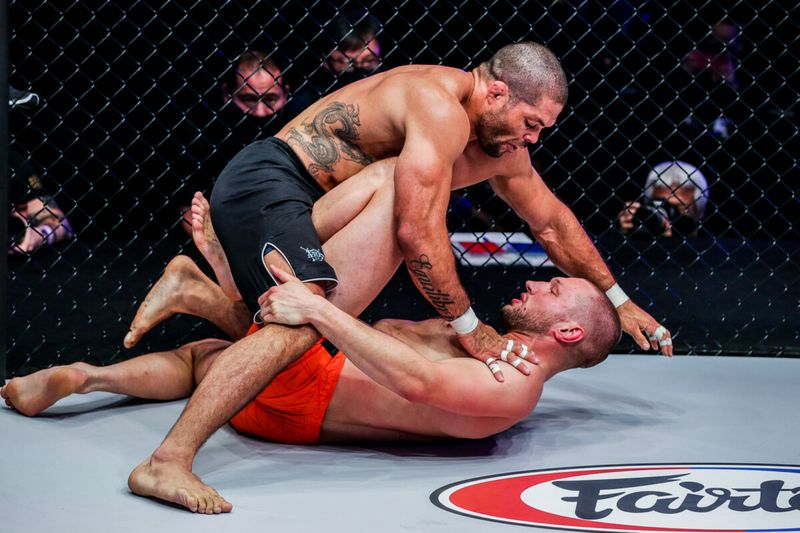
When you are on top in side control and your opponent frames or reaches across, staple that wrist to the mat, step over their head, and figure-four the arm. Keeping your chest heavy stops them from rolling out before you cinch it.
4. From North-South
North-south hides the kimura beautifully. From the top, reach back, isolate the arm bent behind them, and lock the grip while your weight pins their upper body. Because they cannot see your hands, they often do not realize the grip is set until it is too late.
5. From the Front Headlock and Sprawl
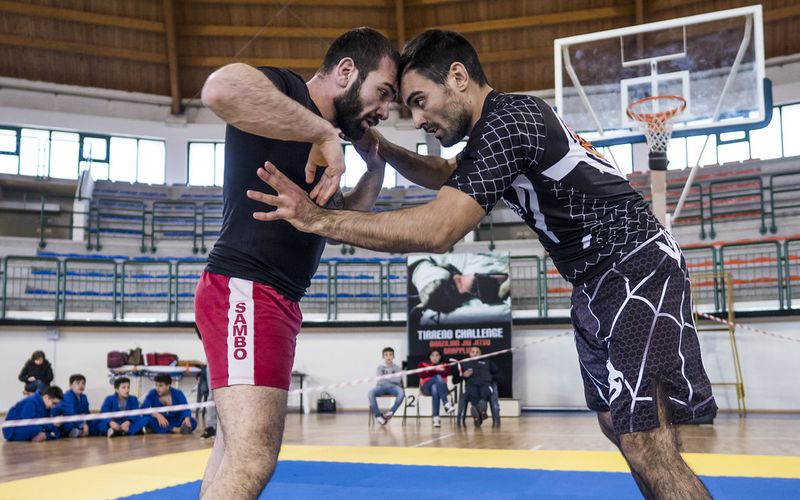
This is the wrestler’s kimura. When you sprawl on a shot and your opponent’s arm is extended underneath you, peel it, spin to the figure four, and finish or use it to take the back. In no-gi, where takedowns lead to scrambles, front-headlock kimuras punish every sloppy shot.
6. From Turtle and Back Control
When your opponent turtles, the far arm is exposed. Reach under, lock the figure four, and either finish or use the grip to flatten them out and climb to the back. The kimura and the rear-naked choke feed each other constantly.
7. From Standing
In the clinch, a whizzer or an overhook can turn into a standing kimura. It is lower percentage as a finish, but as a way to break posture and drag someone to the mat, the standing kimura grip is a legitimate takedown entry.
How to Finish the Kimura in No-Gi
Most failed kimuras die for the same reason: the attacker tries to muscle it straight up instead of creating an angle. To finish, get perpendicular to your opponent’s body, pin their elbow tight to yours, and drive their hand toward the back of their own head. Their palm should end up climbing up their spine.
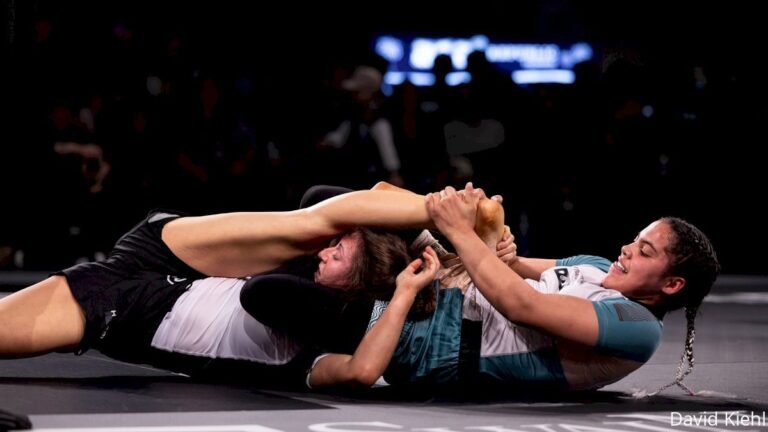
If the shoulder is flexible and will not give, do not force it — switch to the armbar that is almost always available, or use the grip to take the back. The best no-gi grapplers treat a stubborn kimura as a fork in the road, not a dead end. The video below breaks down nine of the cleanest kimura finishes in ADCC history.
The Kimura Trap: A Position, Not Just a Submission
The biggest mindset shift in modern no-gi is treating the kimura as a control position. Once your grip is locked, your opponent’s options collapse. They cannot roll toward the trapped arm without feeding you the back, and they cannot roll away without exposing the shoulder. That fork is the whole point.
David Avellan popularized the “Kimura Trap System” for exactly this reason, and it went on to influence how top-level grapplers chain sweeps, back takes, and finishes off a single grip. Learn to see the kimura as a hub — sub, sweep, or back — and your no-gi game gets a lot scarier.

Kimura vs Americana: What’s the Difference?
People mix these up constantly. Both are figure-four shoulder locks, but they rotate the arm in opposite directions. In a kimura, the hand rotates backward — toward the feet and behind the back. In an americana (or “keylock”), the hand rotates forward — toward the head, like a stop-sign. Same grip, opposite twist. The kimura is far more common in no-gi because it flows straight into back takes and sweeps, while the americana is mostly a top-position finish.
How to Defend and Escape the Kimura
The first rule of kimura defense is to never let your arm bend behind you. The instant you feel the figure four forming, grab your own belt line or your opposite thigh with the trapped hand — a straight or anchored arm cannot be rotated. Hide your hand before the grip locks and the attack dies.
If the grip is already set, your escape is to spin toward the trapped arm and follow the pressure rather than fight it, working to straighten the elbow as you turn. Stalling and hoping rarely works against a good grip; movement does. Defending the kimura well also sharpens your back-defense, since so many kimura attacks are just back takes in disguise.
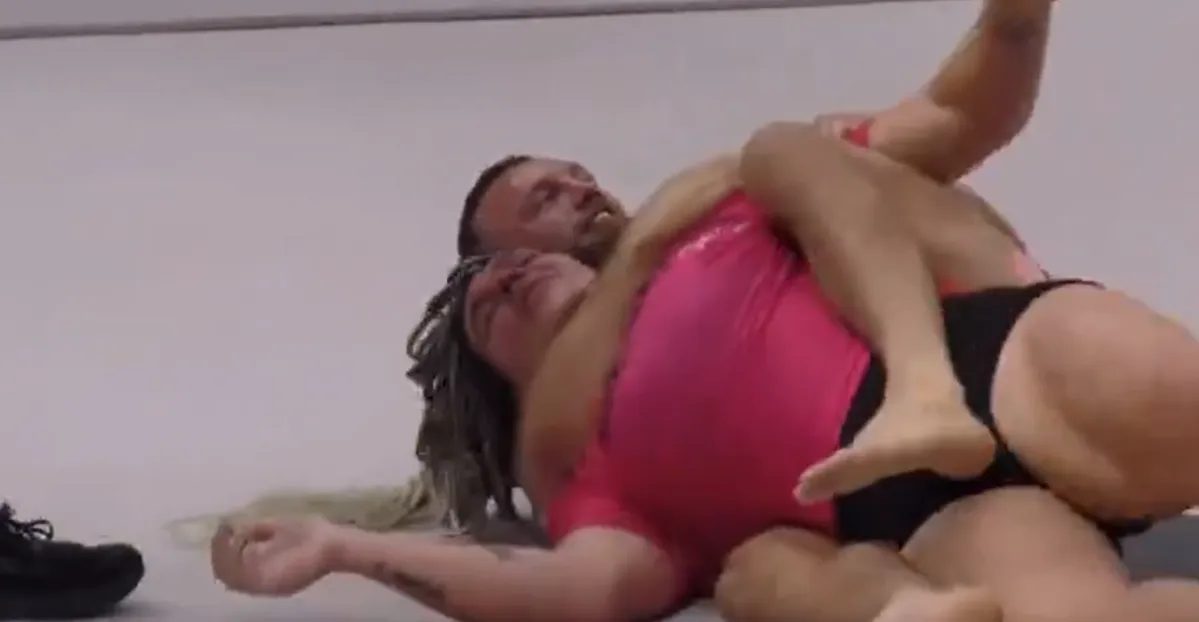
Conditioning and Gear for a Kimura-Heavy Game
A kimura game lives and dies on grip endurance and forearm strength — you are clamping a figure four through sweaty scrambles, sometimes for a full minute. Dead hangs, thick-bar holds, and simple wrist curls pay off more than most people expect. So does rolling in gear that does not slip.
A snug, flatlock-seam rashguard keeps your grips clean and stops fabric from bunching when an opponent tries to strip the lock. Loose cotton is the enemy of a tight figure four. If you are dialing in a no-gi kit, our complete no-gi gear guide covers what actually holds up under this kind of grip-heavy pressure.

Start Hunting the Grip Tomorrow
Pick one setup from this list — closed guard is the easiest — and chase the figure-four grip every single round this week. Do not even worry about finishing at first. Get the grip, feel how it steers your opponent, and let the sweeps and back takes reveal themselves. The tap will come once you stop chasing it. Master the kimura and you do not just add a submission; you add a control position that makes your entire no-gi game harder to deal with.
Sources
- The Kimura Roadmap — Grapplearts — Stephan Kesting’s breakdown of kimura entries and control concepts.
- FloGrappling — 9 Of The Best Kimuras In ADCC History — Video reference of elite no-gi kimura finishes.
- The Complete Guide to the BJJ Kimura — Kingz — Grip mechanics and finishing details.
- Baiting the Kimura From Half Guard — ADCC News — Half-guard kimura setup walkthrough.
Browse our top-rated rashguards and no-gi gear at the RashguardGuy shop →