What Actually Makes a Men’s No-Gi Rashguard Worth Buying: Fit, Build, and the Mistakes Most Grapplers Make
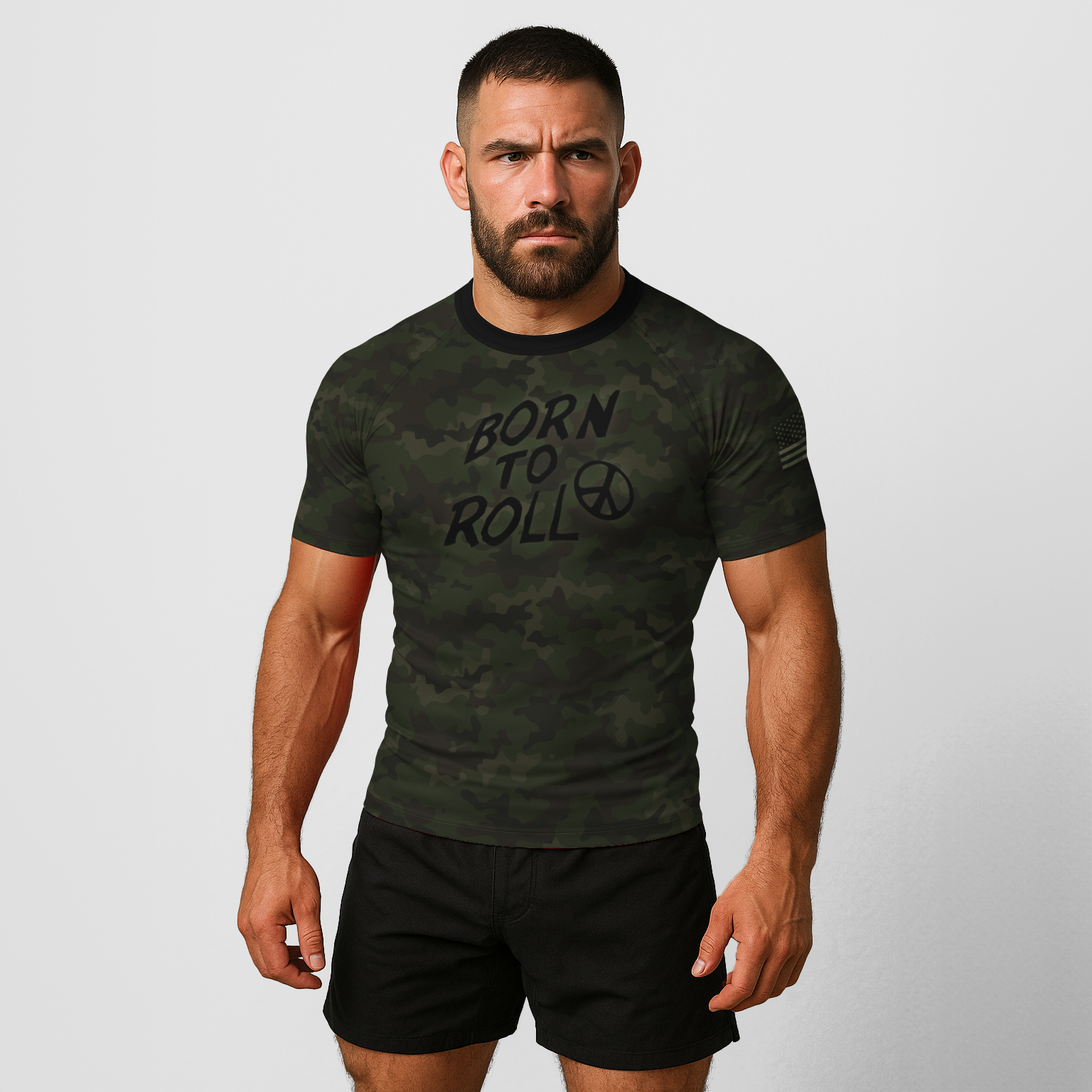
Ask ten grapplers what the best rashguard for men is and you will get ten brand names and almost no useful information. The truth is that “best” is not a label you can buy off a peg. The same rashguard that turns one man into a second-skin compression machine will ride up, bunch at the armpits, and chafe another man raw inside a single hard round. Body build, training volume, fabric weight, and seam construction matter far more than the logo on the chest. This guide walks through how a men’s no-gi rashguard actually performs under live rolling, and how to match one to your frame instead of guessing.
Why “Best” Depends on Your Build, Not the Brand
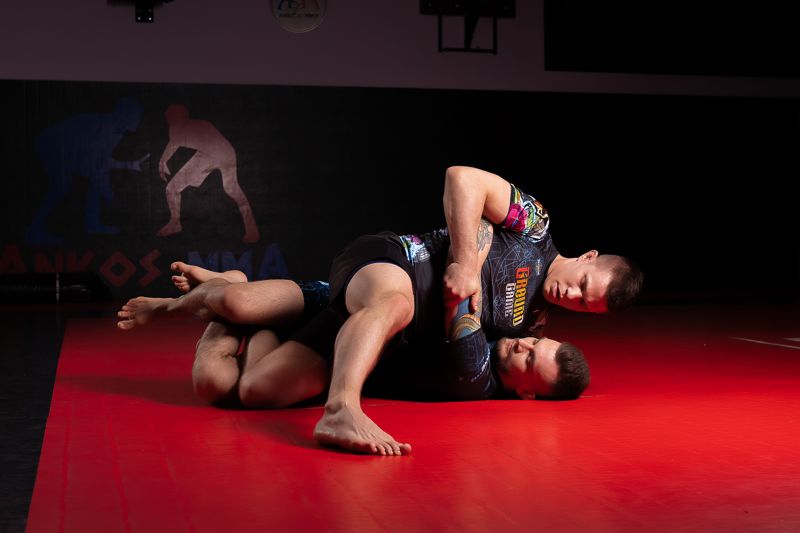
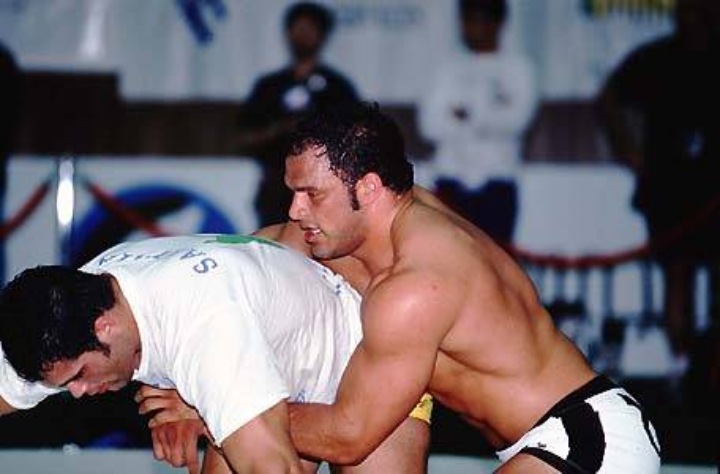
A rashguard is a compression garment first and a piece of apparel second. Its whole job is to sit tight enough against the skin that it cannot be gripped, cannot slide, and cannot trap a forearm during a scramble. That tightness is what keeps sweat off the mat, reduces friction burns, and denies your opponent a handful of loose fabric to pummel into. The problem is that compression is relative to the body underneath it, and men’s bodies are not built to one template.
A lean, long-torsoed lightweight needs a garment cut for length so it does not creep up over the navel every time he shoots. A barrel-chested heavyweight needs panels with enough four-way stretch across the chest and lats that the shoulders are not pinned back. A wrestler-built middleweight with a thick neck and sloping traps will choke on a high collar that a swimmer-shouldered training partner never even notices. There is no single “best rashguard for men” because the men are the variable. What you are really shopping for is the best match between a specific cut and your specific frame.
This is why the most common buying mistake is ordering by chest measurement alone. Chest size tells you whether the fabric will close around you. It tells you nothing about torso length, sleeve length, or how the garment behaves when you fold forward into a stack-pass and the back panel has to stretch across a curved spine. Always check torso length and sleeve length against a brand’s size chart, not just the headline chest range.
Reading Fabric Weight the Way a Grappler Should
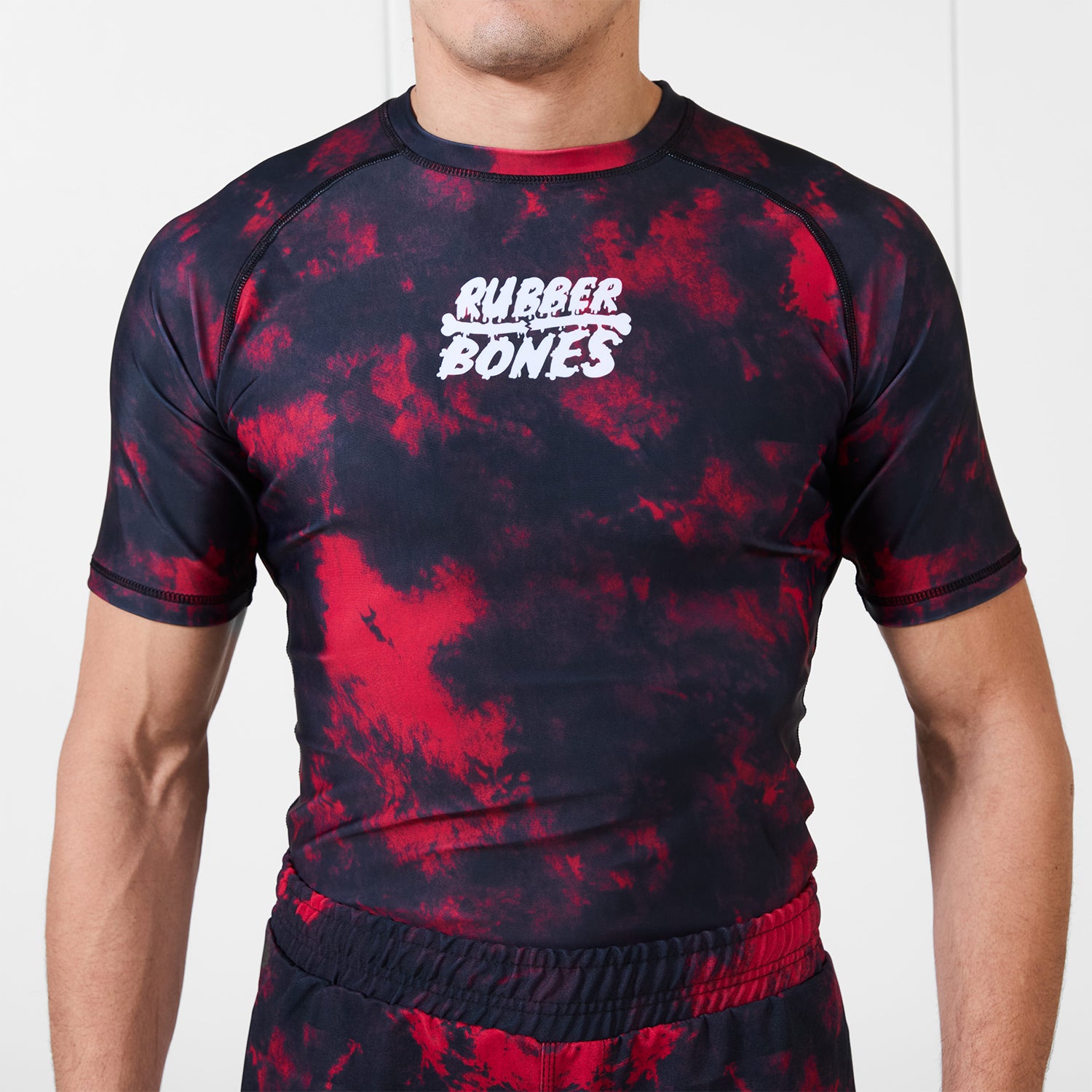
Rashguard fabric is usually a blend of polyester and elastane (spandex), and the spec sheet will quote a weight in grams per square meter, or GSM. This number is the single most predictive figure on the entire listing, and most buyers ignore it. A lighter fabric in the 180 to 220 GSM range breathes well, dries fast, and feels barely there in a hot room — ideal for high-volume training and for grapplers who run warm. The trade-off is durability: thin fabric pills faster, thins out at high-friction points like the elbows, and offers less protection against mat burn.
Heavier fabric, roughly 240 GSM and up, feels more substantial, holds compression longer over the life of the garment, and shrugs off the abrasion of repeated takedowns and guard retention. The cost is heat and dry time. In a humid gym, a heavy rashguard becomes a sodden weight by the second round. Neither weight is “better” in the abstract. A competitor cutting weight in a sauna of a training room wants the lighter end; a hobbyist who drills takedowns on a thin mat wants the armor of the heavier end.
Pay attention to the elastane percentage too. More elastane means more stretch and a tighter rebound, which is what you want for true compression, but very high elastane content can feel restrictive across the chest for thicker-built men and tends to break down faster in chlorinated water if you cross-train your rashguard into the pool. A blend around 15 to 20 percent elastane is the workhorse range for most no-gi training.
Seams: Where Cheap Rashguards Die
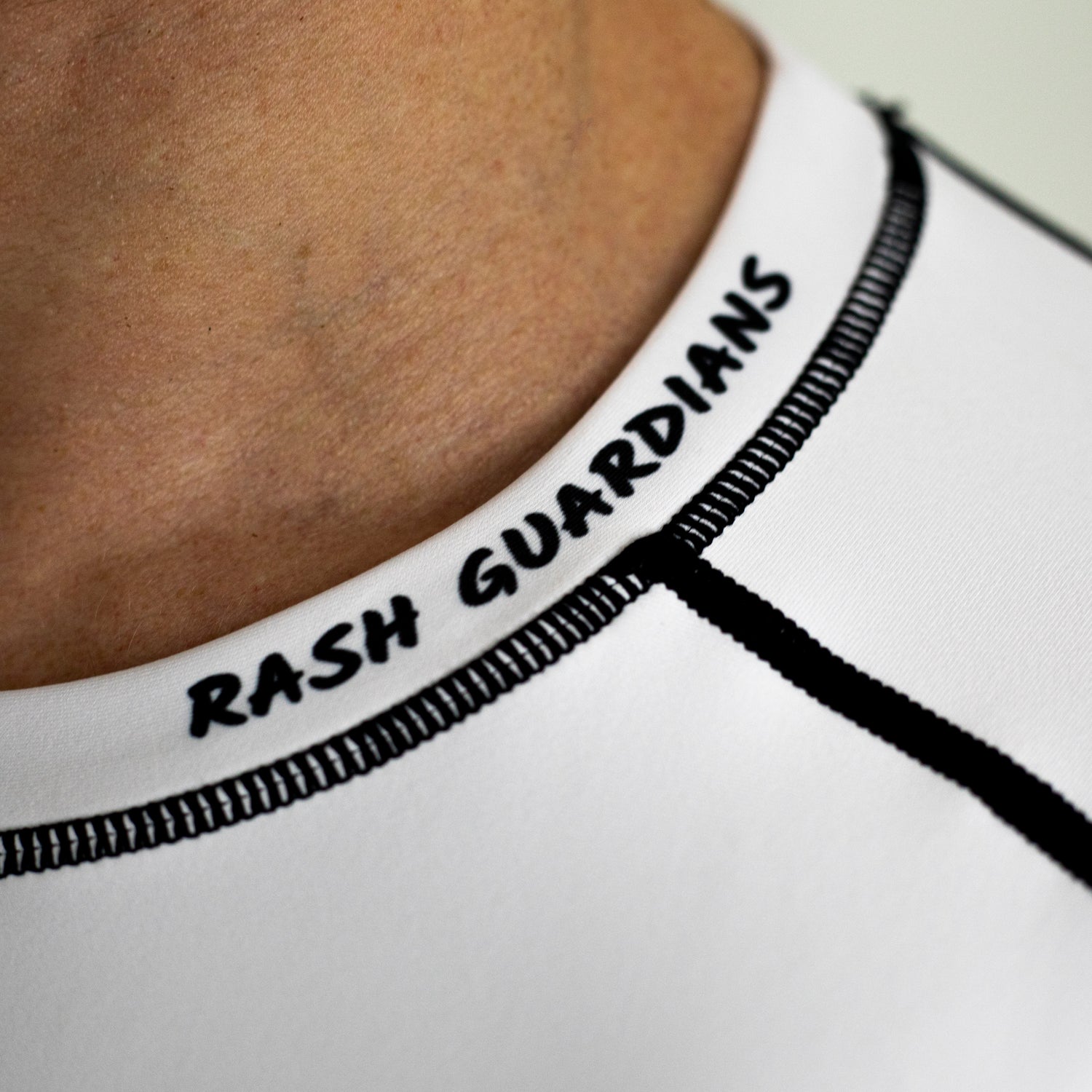
If you want to predict which rashguard will still be wearable in a year, look at the seams before anything else. A rashguard lives or dies at its joins because grappling loads every seam in shear: the armpit seam gets stretched on every overhook, the side seams take the strain of every guard retention battle, and the shoulder seams absorb every collar tie and snap-down. A garment can have flawless fabric and still fall apart in a month if it was sewn with a flat overlock stitch that sits proud against the skin.
Flatlock vs. Overlock
Flatlock stitching joins two pieces of fabric edge to edge so the seam lies flat against the skin. This is the standard you want in a serious no-gi rashguard. It resists chafing during long rounds, distributes load across a wider band of thread, and does not create the raised ridge that overlock seams leave behind. Overlock seams are cheaper and faster to produce, but the raised ridge becomes a hot spot under a tight gi-free clinch and is the first place a worn garment splits.
Some higher-end men’s rashguards go a step further and bond or tape critical seams, eliminating thread at the highest-stress joins entirely. You do not strictly need bonded seams for hobbyist training, but if you compete and your garment regularly takes the strain of explosive scrambles, taped or reinforced seams are the difference between a rashguard that lasts two seasons and one that gaps at the armpit mid-match.
Long Sleeve, Short Sleeve, and What the Sleeve Length Actually Does
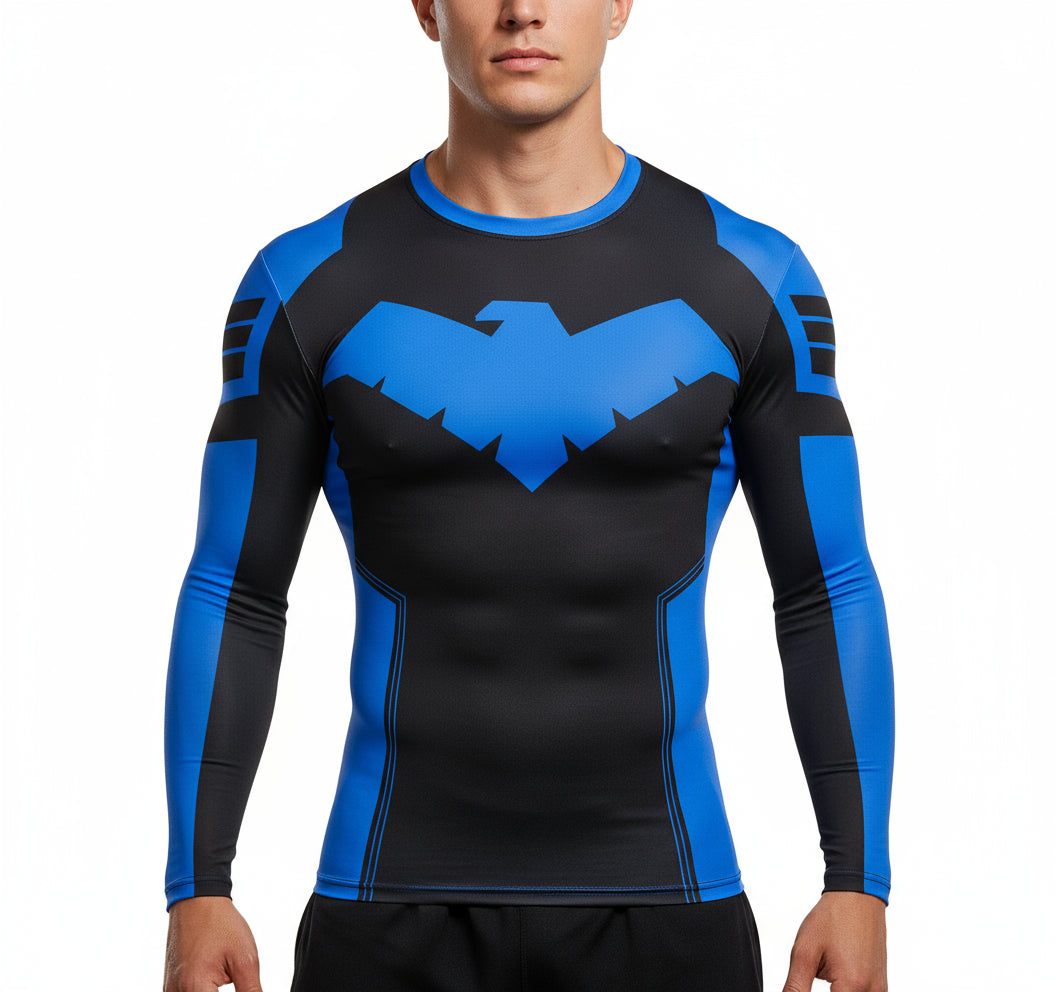
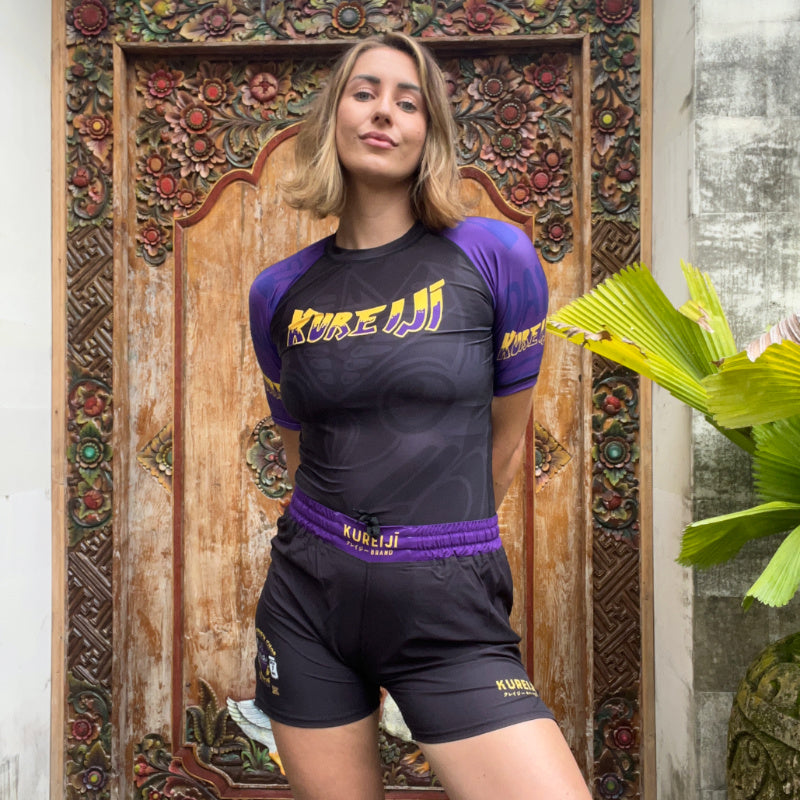
The sleeve decision is not just style. A long-sleeve rashguard covers more skin, which means fewer mat-contact points for ringworm, staph, and the general grime of a shared training floor. That coverage is the strongest hygiene argument for the long sleeve, and for grapplers who train in busy gyms it is reason enough. Long sleeves also keep the forearms warm during cold-room warm-ups and protect the skin from the friction of repeated grip fighting on bare arms.
The short sleeve trades some of that coverage for cooler, freer arms and is the obvious pick for hot climates and high-tempo training. The one thing to watch on short sleeves is the sleeve hem: a poorly cut hem rides up over the bicep and rolls into a tight band that an opponent can actually grip. A good short-sleeve men’s rashguard keeps the hem snug and flat at mid-bicep. Whichever you choose, the sleeve should end where the brand intends it to and stay there through a full round — a sleeve that migrates is a sleeve cut wrong for your arm length.
The Fit Test: How to Know Before the First Roll
You can diagnose most fit problems in your bedroom before the garment ever touches a mat. Put the rashguard on and run through a few simple checks. Raise both arms straight overhead: the hem should stay below your navel, not climb to your ribs. If it exposes your stomach with your arms up, the torso is cut too short for you and it will ride up the instant you post on a hand.
Next, reach across your body as if framing against a cross-face. The fabric across the back and the opposite shoulder should stretch and rebound without pinning your shoulder forward. If you feel the garment fighting the movement, the chest or back panels lack the four-way stretch your build needs. Finally, run a finger under the collar. It should sit flat against the base of the neck without gapping and without choking. A collar that gaps will fill with sweat and roll; a collar that chokes will distract you all round.
- Arms overhead: hem stays below the navel.
- Cross-body reach: shoulders move freely, fabric rebounds.
- Collar: flat at the neck, neither gapping nor choking.
- Sleeves: end where intended and stay there through movement.
If a garment passes all four, it will almost certainly behave on the mat. If it fails even one, no brand reputation will save you — send it back and size differently.
Care Is Part of the Purchase
The best rashguard for men is also the one you keep alive. Compression fabric hates heat: a single trip through a hot dryer can permanently degrade the elastane, leaving the garment loose and useless no matter how good it started. Wash cold, hang dry, and wash promptly after every session — bacteria thrive in a damp rashguard balled up in a gym bag, and a garment that smells is a garment you stop wearing. Avoid fabric softener, which coats the fibers and kills both the wicking and the stretch.
Treated this way, a quality men’s rashguard pays for itself across hundreds of rounds. Treated carelessly, even an excellent one becomes a baggy, smelly liability within a few months. The garment and the habit are a package deal.
Putting It Together
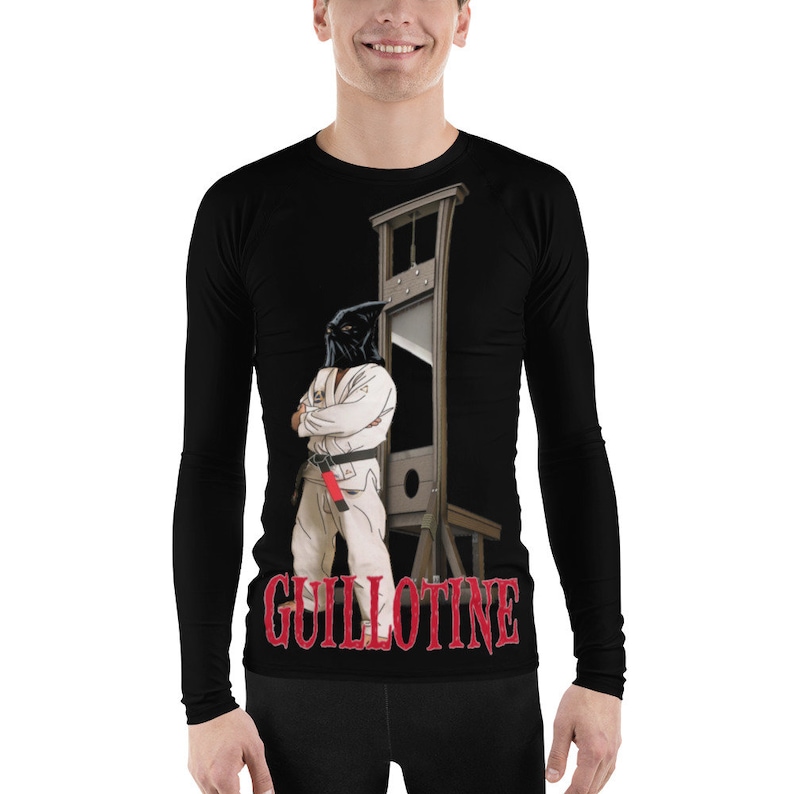
The best rashguard for men is not a single product you can rank on a list — it is the intersection of the right cut for your torso and arm length, a fabric weight matched to your room and training volume, flatlock or bonded seams that survive the shear of live rolling, a sleeve length chosen for your hygiene and climate priorities, and care habits that protect the compression you paid for. Get those five things right and a mid-priced rashguard will outperform a premium one bought on hype. Get them wrong and the most expensive garment on the shelf will still ride up, chafe, and quit on you mid-round.
Shop the spec sheet, run the fit test, and treat the garment well. That is how you end up with the rashguard that is genuinely best for you.
Ready to compare options? Browse current men’s no-gi BJJ rashguards and check the fabric weight and seam details before you commit.
Sources
- Rash guard — Wikipedia
- Spandex (elastane) — Wikipedia
- Brazilian jiu-jitsu — Wikipedia
- Ringworm — U.S. Centers for Disease Control and Prevention
Browse our top-rated rashguards and no-gi gear at the RashguardGuy shop →
Shop on Amazon
BJJ Rashguards on Amazon →
As an Amazon Associate we earn from qualifying purchases.