How to Choose No-Gi BJJ Gear: A Function-First Guide for Grapplers
Walk into a no-gi room for the first time and the gear looks deceptively simple. There is no kimono to tie, no belt to wrap, no collar grips to learn. Just a tight shirt and a pair of shorts. But that apparent simplicity hides a lot of engineering decisions, and the wrong call shows up fast — a seam that splits during a scramble, shorts that snag a finger and stop a pass, a rashguard that rides up and turns a triangle setup into a wardrobe problem. This guide takes a function-first approach: instead of listing brands, it walks through what each piece of gear actually has to do when someone is trying to strangle you, and how to choose for that job.
Why No-Gi Gear Is Its Own Category
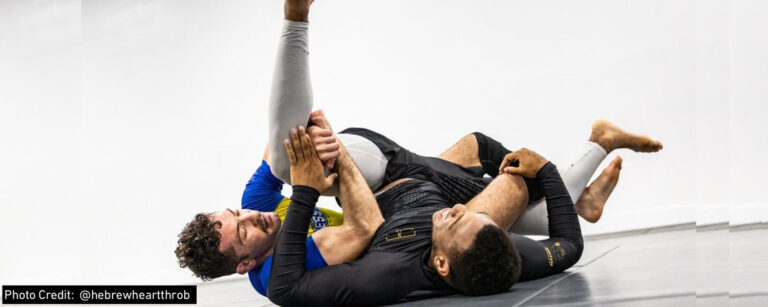
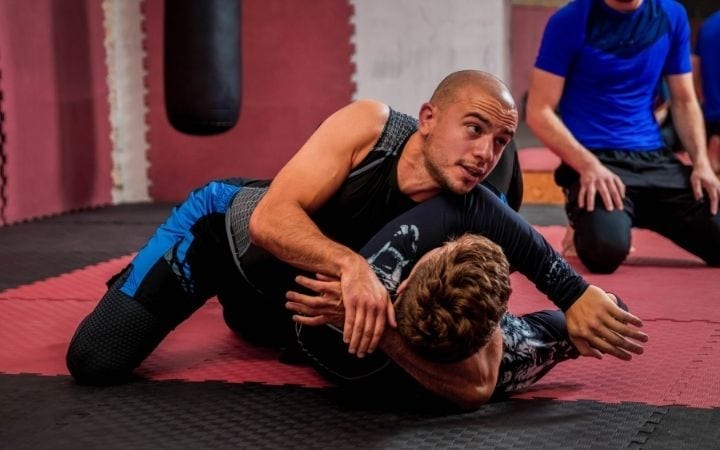
The defining feature of no-gi grappling is the absence of fabric handles. In the gi, your opponent grips cloth; in no-gi, they grip skin, wrists, necks, and the underhooks they can dig. That single difference reshapes every piece of gear. Loose clothing is no longer a stylistic choice, it is a liability — a baggy shirt becomes a substitute lapel, and a flapping short leg becomes something to hook. Everything you wear has to stay close to the body, move with you, and refuse to become a grip your opponent can exploit.
That is why compression is the governing principle of no-gi apparel. The gear is not trying to be comfortable in the lounge-wear sense; it is trying to disappear. When it works, you stop noticing it. When it fails, you notice nothing else.

The Rashguard: Your Foundation Layer
The rashguard does more jobs than any other item in the kit, which is why it deserves the most attention. Its first task is a barrier one: it sits between your skin and the mat, between your skin and your training partner, and between your skin and the friction of dozens of live exchanges. That barrier is what stops mat burn on your back from a scramble, and — more importantly — it is your first line of defense against the skin infections that circulate in any grappling room. A rashguard that covers the torso completely is reducing the surface area where ringworm and staph can transfer.
Compression and Friction
A good rashguard is built from a blended fabric — typically polyester with a meaningful percentage of spandex or elastane — so it stretches in every direction and snaps back to the body. The compression keeps the shirt from bunching when an opponent pulls on it, and it provides mild muscular support over a long session. Fabric weight matters here: lighter fabrics breathe better and dry faster, which is what you want for hard rounds in a hot room, while slightly heavier weaves trade some breathability for durability. Neither is universally correct; the right answer depends on how often and how hard you roll.
Seams, Sleeves, and Survival
The seams are where cheap rashguards die. Live rolling puts shear stress on every join in the fabric, and a standard overlock seam will eventually let go right when you are bridging out of side control. Flatlock and offset stitching distribute that stress and lie flatter against the skin, so they chafe less and last longer. When you are evaluating a rashguard, turn it inside out and look at the seams before you look at the graphics.
Sleeve length is partly preference and partly rules. Long sleeves add coverage and infection protection but trap more heat; short sleeves run cooler but expose the forearms to mat burn. As you will see below, competition rulesets remove some of this choice for you, so if you plan to compete, buy with the rulebook in mind rather than building a drawer full of non-compliant shirts.
Shorts and Spats: The Lower-Body System
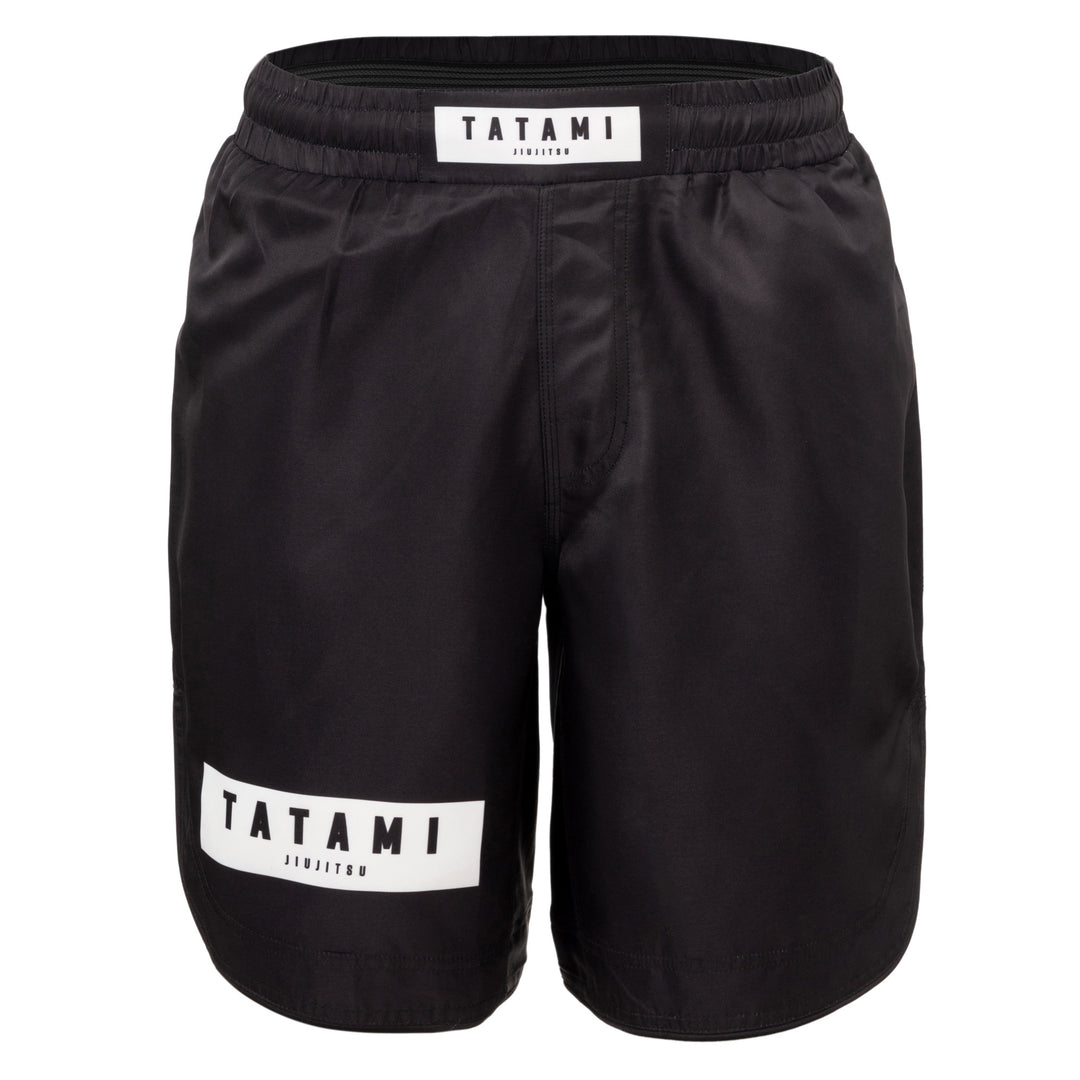
Below the waist, the priority shifts from friction management to freedom of movement and snag prevention. No-gi shorts have to let you shoot a deep underhook, invert, and throw your hips into a sweep without binding at the seams. That means a gusseted crotch, a four-way stretch panel, and a length that clears the knee on the way up but is not so long that it bunches behind the knee when you fold into guard.
The detail that separates grappling shorts from gym shorts is what is missing: no pockets, no zippers, no exposed metal, no loose drawstrings. Every one of those features is a finger trap or a cut waiting to happen, both to you and your partner. Grappling-specific shorts use a flat internal drawcord or an elastic-and-velcro closure precisely so there is nothing for a hand to catch. If your shorts have an external tie that can come loose, you will spend half your rounds re-knotting it.
Spats — full-length compression leggings — are the lower-body equivalent of the rashguard, and they do the same barrier work for your legs. They cut down on skin-to-mat contact, keep your legs warmer in a cold room, and add a layer between your skin and a partner’s. Many grapplers wear spats under their shorts for hygiene and warmth; women may wear spats or compression pants in place of bare legs under shorts, which most rulesets explicitly allow. The trade-off is heat, so spats earn their place more in winter training and infection-conscious rooms than in a sweltering summer open mat.
The Protection You Do Not Notice Until You Need It
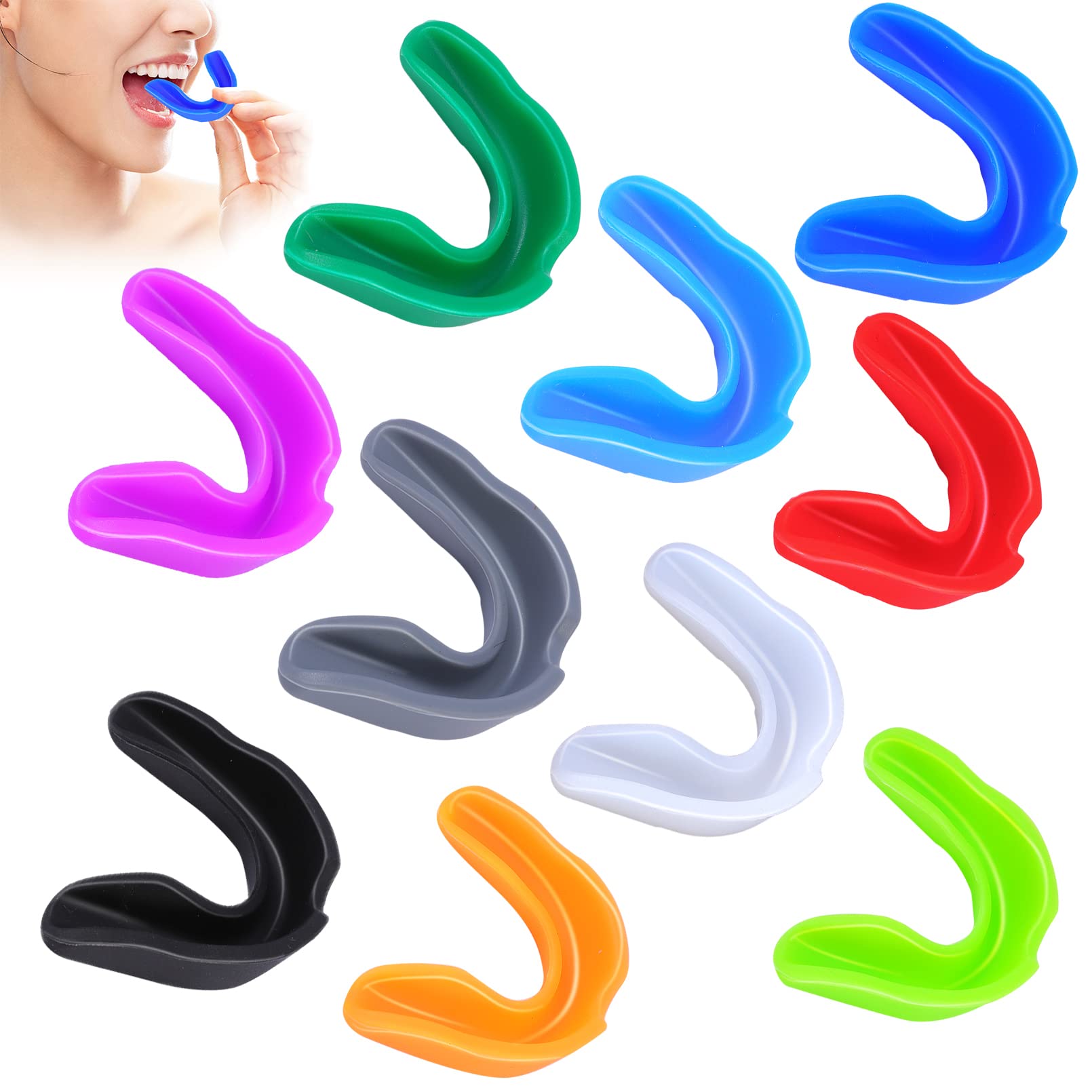
The apparel keeps you on the mat; the protective gear keeps you out of the dentist’s chair and the urgent care. A mouthguard is the single highest-value item in the entire kit relative to its cost. Grappling is full of accidental headbutts, stray knees during scrambles, and the occasional clash of skulls in a takedown exchange. A boil-and-bite guard costs a few dollars and protects teeth that cost thousands; a custom-fit guard from a dentist is the upgrade once you know you are sticking with the sport. There is no good reason to roll without one.
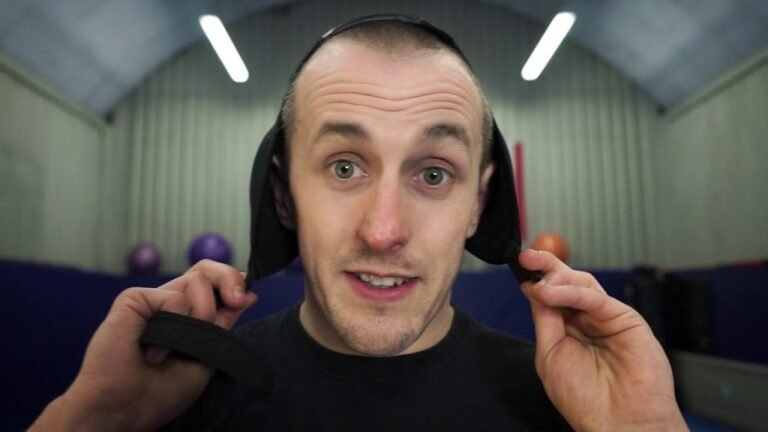
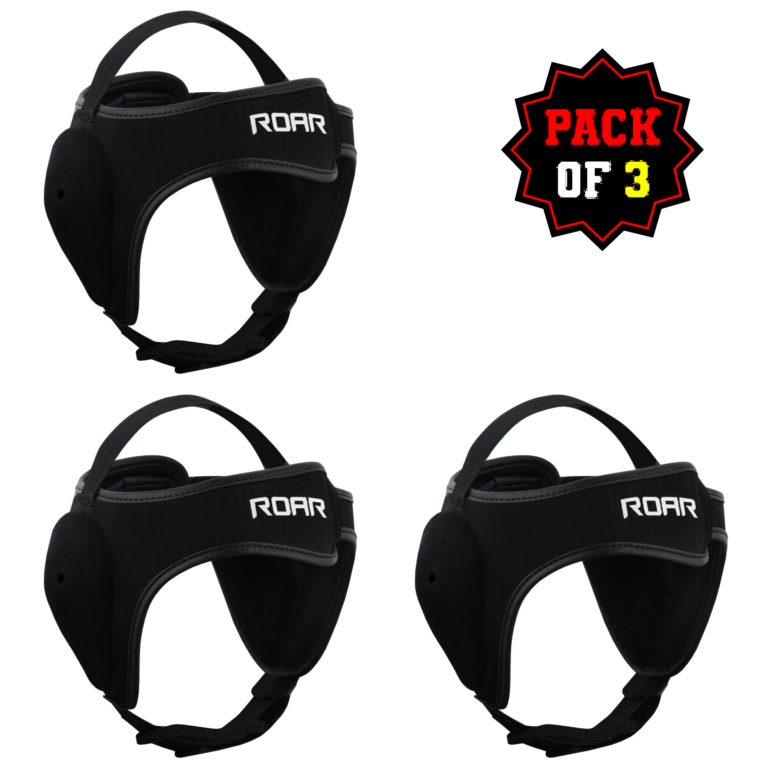
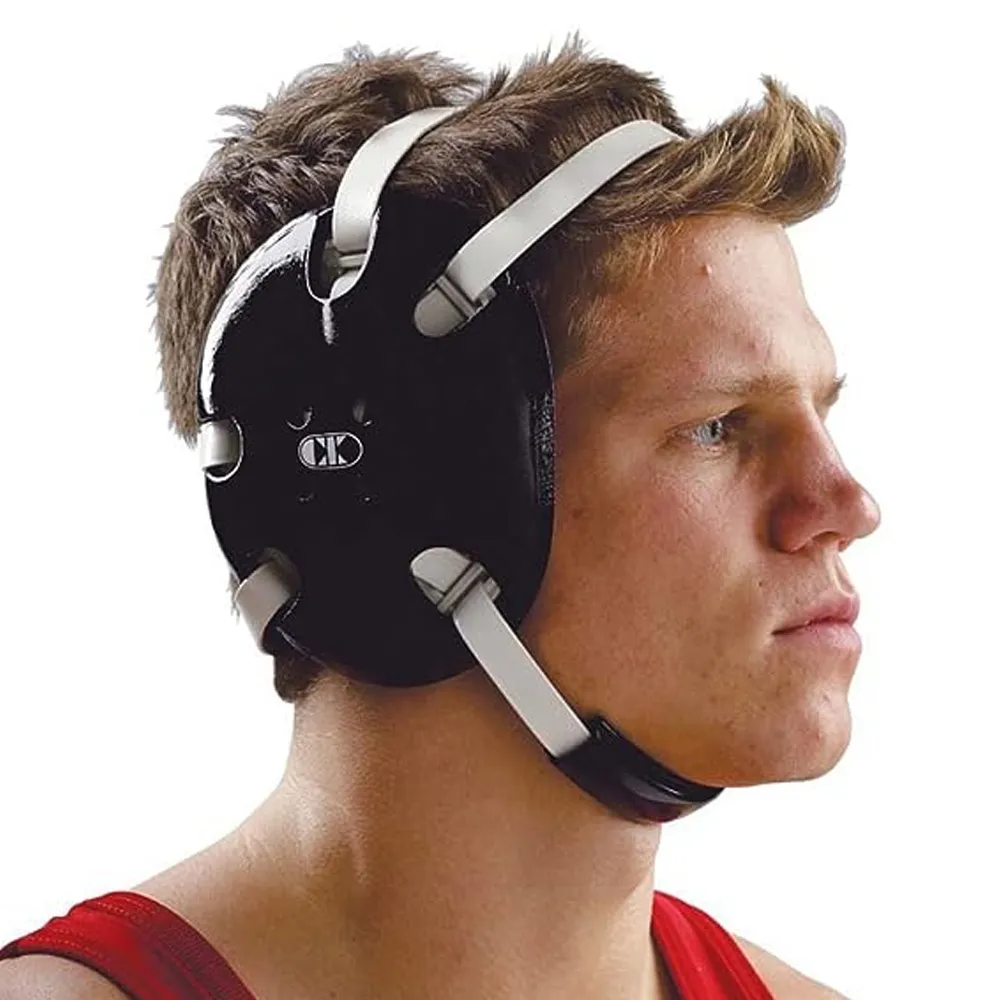
For men, a groin protector is a personal call, but no-gi shorts are not designed around a hard cup the way some other combat sports are, and many rulesets restrict hard protectors during competition because they can injure an opponent. Check your event’s rules before assuming a cup is allowed. Far more universally useful are ear guards. Cauliflower ear is not a badge so much as a slow, permanent deformation caused by repeated friction and impact to the ear cartilage, and once it sets, the only fix is a needle or surgery. Soft headgear designed for grappling is low-profile enough to wear during live rounds and is the only reliable way to prevent it.
Traction, Grip, and the Small Stuff
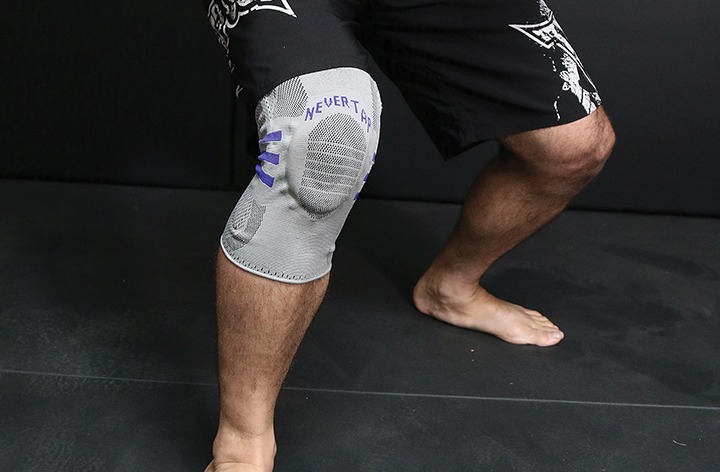
A few smaller items round out a serious kit, and they all relate to managing your own joints and skin. Knee pads are the most common addition. The knee takes a beating in no-gi — dragging across the mat on knee cuts, posting hard during scrambles, absorbing the impact of repeated takedown entries — and a thin compression sleeve with a gel or foam pad spreads that load and adds a little warmth to a joint that does not like the cold. They are not armor, but they meaningfully reduce the small repetitive insults that add up over months.
Finger tape is the unglamorous workhorse of grappling. Wrists, thumbs, and especially fingers absorb enormous load when you frame, grip, and control, and athletic tape provides support and protects the skin over the knuckles. Learning to tape your fingers properly extends your training life more than almost any piece of equipment. Finally, a pair of slip-on sandals for walking off the mat is not optional — it is the difference between keeping the mat clean and tracking the bacteria of the bathroom floor back onto the surface everyone trains on.
Hygiene Is Equipment, Not an Afterthought
The most underrated piece of no-gi gear is the system you use to keep it clean. Grappling apparel is in constant contact with sweat and other people’s skin, which makes it a vector for the exact infections that sideline grapplers for weeks. The rashguard that protects you on the mat becomes a hazard if it sits damp in a gym bag overnight. Wash everything after every session, dry it completely, and never re-wear a rashguard to save a load of laundry. Owning enough rashguards and shorts to rotate through a training week is not a luxury — it is part of the hygiene equipment, the same way the gear itself is.
This is why beginners are usually steered toward owning at least three or four of each layer. A single set forces you to either wash daily or wear something dirty, and the second option is how skin infections spread through a room. Think of the second and third rashguard not as duplicates but as the rest of one complete piece of equipment.
What the Rulebook Demands
If you ever plan to compete, the rules turn some of your gear preferences into requirements, and buying in ignorance means buying twice. Under IBJJF no-gi rules, the rashguard must be skin-tight and long enough to reach the waistband of the shorts. It must be black, white, black-and-white, or display at least ten percent of your belt rank color — and sleeveless rashguards are banned outright, so your shirt needs either short sleeves above the elbow or long sleeves to the wrist.
The shorts face their own rules: black, white, black-and-white, or your rank color, long enough to cover halfway down the thigh but no longer than the knee, and with no pockets, buttons, exposed drawstrings, zippers, or any plastic or metal hardware. Women are permitted to wear compliant compression pants or spats beneath their shorts. ADCC and other organizations run slightly different specifications, so the single best habit is to read the specific ruleset for the event you have entered rather than assuming all no-gi rules are identical. The function-first gear that survives hard training usually satisfies the rulebook anyway — the rules are mostly codifying the same snag-free, tight-fitting principles that make gear work in the first place.
Building Your Kit Without Wasting Money
A sensible build order saves both money and frustration. Your first purchases should be a mouthguard, two rashguards, and two pairs of grappling shorts — enough to train several times a week while one set dries. That is the entire minimum viable kit, and it will get a beginner through their first several months without compromise. The mouthguard is non-negotiable from day one; the apparel can start cheap and get upgraded as you learn what fits your body and your room’s climate.
Add protective and support gear as your training reveals the need for it. If your ears start to feel hot and swollen after rounds, headgear becomes urgent. If your knees ache after knee-heavy weeks, pads earn their cost. Spats arrive when winter does, or when you decide to take infection control seriously. The mistake beginners make is buying a closet of graphic rashguards before owning a single mouthguard or learning to tape their fingers — spending on identity before spending on function. Buy for the job first; the cool designs will still be there once your kit actually works.
When to Retire a Piece
Gear does not last forever, and worn-out equipment quietly stops doing its job. A rashguard that has lost its compression — the fabric feels slack, the cuffs no longer grip, the seams are pilling or pulling — has stopped functioning as a tight barrier and is now just a shirt. Shorts whose stretch panels have gone stiff or whose closures no longer hold are a snag risk. A mouthguard that has been chewed loose no longer protects the teeth it is supposed to guard, and boil-and-bite guards should be re-fitted or replaced once they no longer seat firmly.
The throughline of every choice in this guide is the same: no-gi gear is a system designed to keep you safe, clean, and unencumbered while someone tries to control your body. Judge each piece by what it does under live pressure, not by how it looks on a hanger, and the kit you end up with will be the one that quietly disappears when the round starts — which is exactly what good gear is supposed to do.
Sources
- IBJJF — Official Uniform Rules
- Wikipedia — Brazilian Jiu-Jitsu
- Wikipedia — Cauliflower Ear
- Shop no-gi rashguards on Amazon
- Shop grappling mouthguards on Amazon
Browse our top-rated rashguards and no-gi gear at the RashguardGuy shop →
Shop on Amazon
BJJ Gi on Amazon →
As an Amazon Associate we earn from qualifying purchases.