Heel Hook: 7 Essential No-Gi Setups and Safety Rules
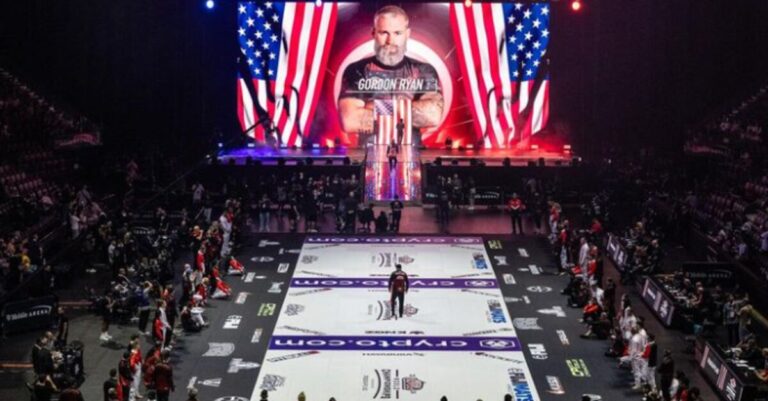
In 2022, Gordon Ryan needed eleven seconds to submit Roosevelt Sousa with an inside heel hook. That single clip explains both the appeal and the danger of this submission: it ends matches before anyone in the building realizes the position was dangerous. The heel hook rewards precision over muscle, which is how a 77-kilo grappler taps a heavyweight with it — and also why it shreds knees that never had time to send a pain signal. Below are seven no-gi setups, the control-first way to finish without injuring a partner, and the defenses that keep your own knee in one piece.
What Is a Heel Hook?
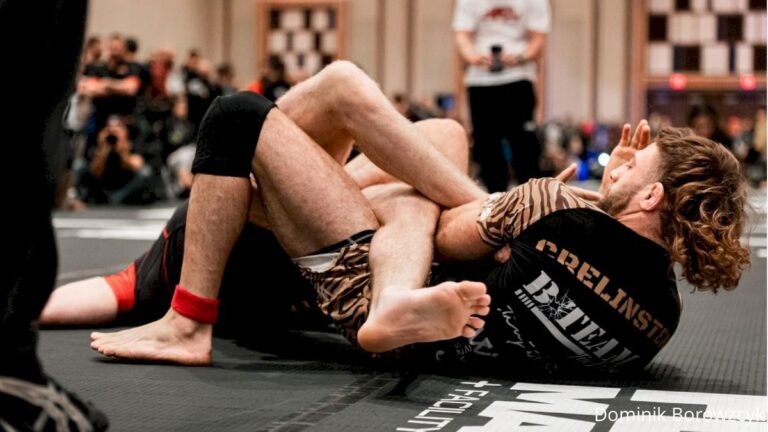
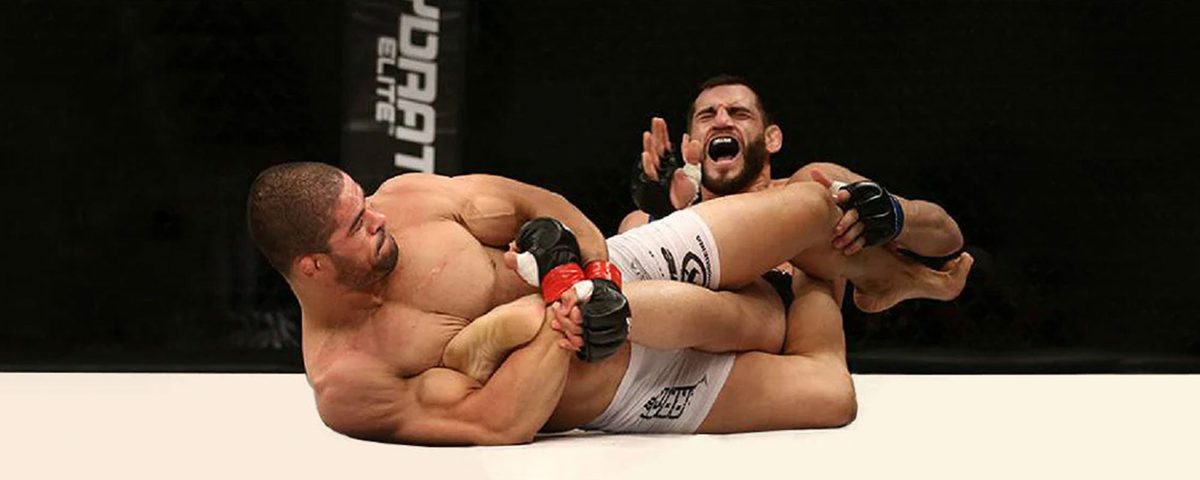
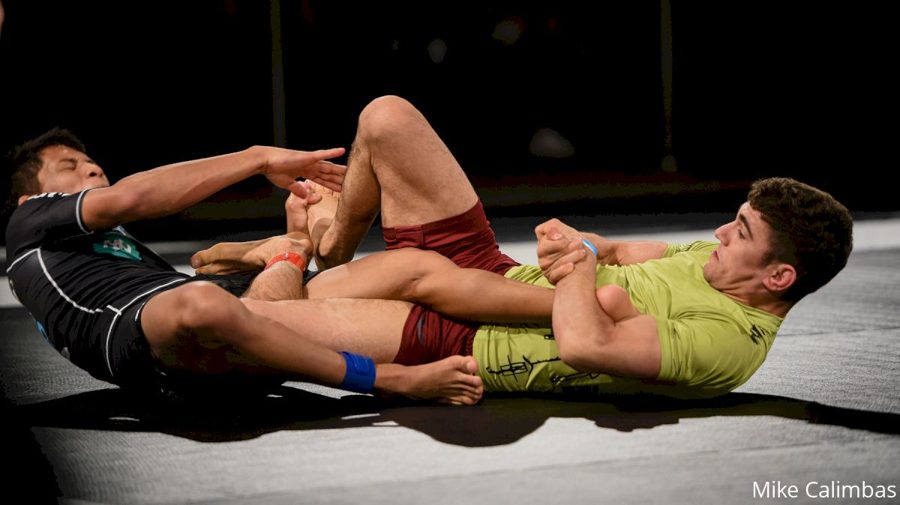
A heel hook is a leg lock that traps your opponent’s foot against your torso and rotates the heel, sending torque straight into the knee. The ankle barely moves. The damage lands on the ligaments above it — the ACL, the LCL, and the meniscus — because the lower leg acts as a lever against a knee that cannot rotate. That mechanical detail is the entire reason the move is so respected.
Most submissions give you a warning. An armbar aches at the elbow, a kimura bites the shoulder, a choke fades you out slowly. The heel hook does not. It feels like mild pressure right up until something tears, which is why the standing advice is to tap early and tap to position, not to pain. The truth is, the heel hook is the most misunderstood submission in jiu-jitsu — people blame the move for injuries that actually come from late taps and ego.
Inside Heel Hook vs Outside Heel Hook
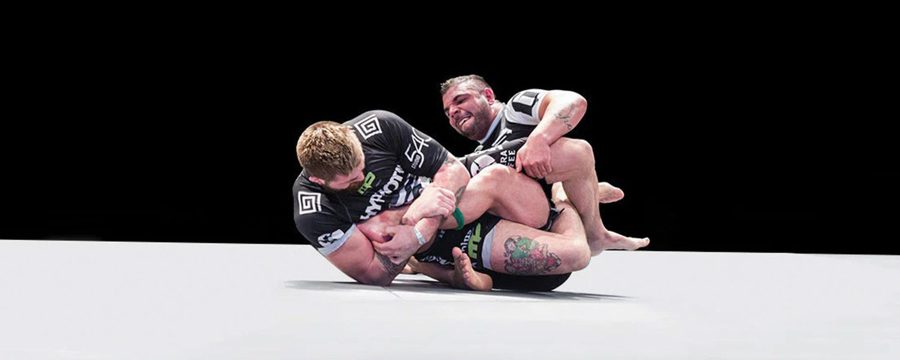
There are two families, and they behave very differently. The inside heel hook attacks the heel from the inside of the leg and rotates it medially (toward the body’s midline). It is the faster, tighter, and more dangerous of the two, and it is the version that dominates elite competition. Most inside heel hooks are finished from the saddle.
The outside heel hook comes from positions like single-leg X, ashi garami, and 50/50, rotating the heel laterally. It is generally considered a touch safer and is the version newer grapplers usually learn first. Neither is “easy” — both end the match — but if you only drill one path for the next six months, drill the inside heel hook from a controlled saddle. It has the highest finishing rate in no-gi for a reason.
The Saddle, the Honey Hole, and Other Leg Entanglements
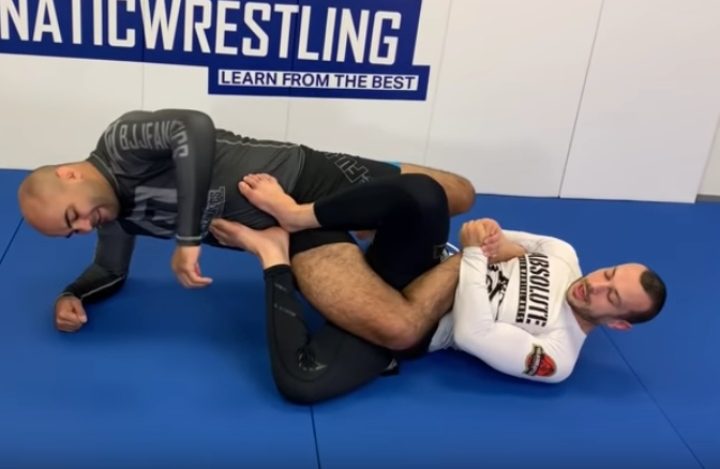
Leg locks live or die on control, and the saddle is the king position. You will hear it called several names — the saddle, the honey hole, the 4/11, or inside sankaku — but they all describe the same thing: your legs triangled around one of your opponent’s legs, pinning their hip and knee line so the leg cannot escape or rotate free.
The other entanglements each have a role. Single-leg X is the great entry point and a takedown threat. Ashi garami (the “straight ashi”) is where most beginners start because the outside heel hook and straight ankle lock both live there. 50/50 is the symmetrical battleground where two skilled leg lockers fight for the inside position. The lesson across all of them is the same one good back attackers preach: secure the control first, hunt the finish second. Rushing the heel before the knee line is pinned is how you get scrambled — or reversed into the same submission.
7 No-Gi Heel Hook Setups That Force the Tap
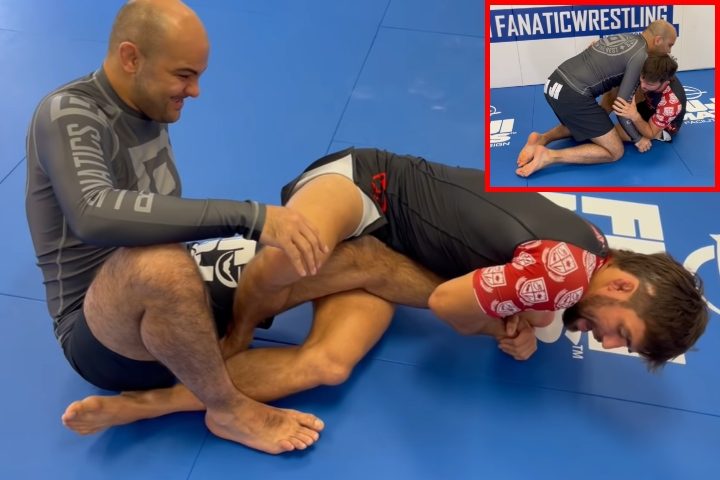
Every entry below funnels toward the same goal: a pinned leg in a controlled entanglement with the heel exposed. Drill them in this order, slowly, with a partner who taps honestly.
1. Single-Leg X to Inside Heel Hook
From single-leg X, elevate your opponent and rotate underneath as they post or step. As their leg crosses your center, lock the saddle and expose the inside heel. This is the bread-and-butter elite entry because the takedown threat forces a reaction that opens the leg.
2. Butterfly Guard Entry to the Saddle
Off a butterfly hook, scoot your hips toward your opponent’s knee, grab the far foot to kill the sprawl, and roll them into inside sankaku. This is the entry Craig Jones built half his career on, and it works because the underhook and toe grip remove their two best defenses at once.
3. The Backside 50/50
When you and your opponent both settle into 50/50, the grappler who reaches the backside 50/50 (rotating to face their hip) wins the inside heel. Off-balance them backward, clear your knee line, and the heel is yours.
4. Ashi Garami off a Failed Takedown
Stuffed shot? Sprawled position? Drop to ashi garami as they try to stand back up. The outside heel hook here is one of the most natural transitions in no-gi, turning a defensive scramble into an attack.
5. Reverse De La Riva to K-Guard
From reverse De La Riva, dive your inside elbow past their thigh into K-guard, then off-balance them into the saddle. Lachlan Giles popularized this exact chain, and it travels beautifully against bigger, heavier opponents who like to stay tall.
6. Leg Drag Counter
When an opponent tries to leg-drag past your guard, follow the momentum and trap the dragging leg into ashi. They expect to pass; instead they hand you the entanglement. It is one of the highest-percentage counters in modern no-gi.
7. Front Headlock Spillover
Threaten the front headlock or guillotine, force the sprawl, then attack the near leg as your opponent drives forward. The same overcommitment that beats a darce choke attempt opens the door to the legs.
How to Finish a Heel Hook Without Hurting Your Partner
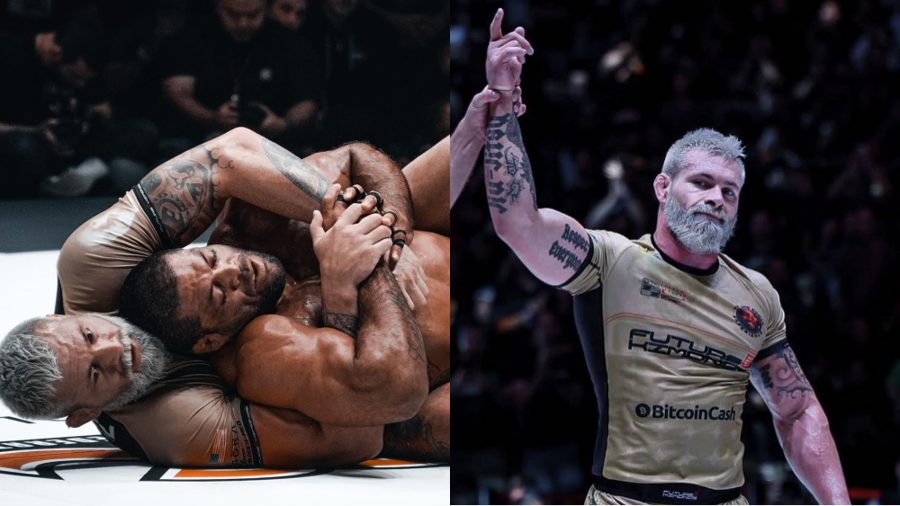
The finish is rotation, never a yank. With the saddle locked and the heel trapped in the crook of your elbow, you rotate your whole torso — not just your arm — turning the heel slowly toward the ceiling. Done right, your partner feels the knee load up with plenty of warning to tap. Done wrong, with a fast jerk, there is no warning at all.
Two habits keep training rooms healthy. First, finish slowly in practice; speed is for competition, not for your teammate’s ACL. Second, if you are the one caught, tap the instant you feel rotation — do not test whether you can escape mid-twist. Good leg lockers protect their partners, because a cranked knee costs a training partner months and costs you a reputation.
Heel Hook Defense and Escapes
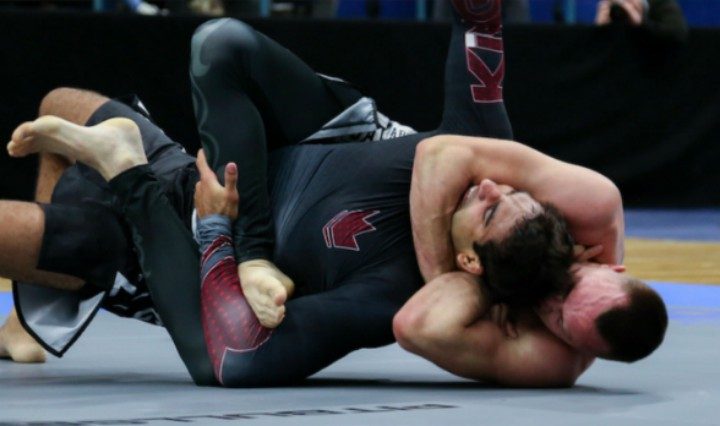
Defense starts before the heel is ever exposed. The golden rule is to hide your heel — keep it tucked and your toes pointed at your opponent so they cannot get the rotational grip. The moment you feel an entanglement forming, “boot” the trapped foot by flexing hard and clearing your knee line away from their hips.
If the position is already deep, hand-fight the heel-exposing grip and rotate in the same direction as the finish to relieve pressure while you spin free. The classic Giles-style escape is to clear the knee line and come up on top into your opponent’s guard. But understand the honest math: against a skilled inside heel hook from a tight saddle, prevention beats escape every time. Once a good grappler owns your heel, your best option is often to defend the grip and tap before the rotation, not gamble your knee on a scramble.
Are Heel Hooks Legal? IBJJF, ADCC, and No-Gi Rulesets
It depends entirely on the ruleset, and this is where a lot of new grapplers get it wrong. ADCC has allowed heel hooks for decades, and they are the signature submission of the event. EBI, WNO, Polaris, and most modern submission-only promotions allow them too, which is exactly why leg locking exploded over the last ten years.
The IBJJF held out the longest. In 2021 it finally changed course and began allowing heel hooks and knee reaping in no-gi divisions for adult brown and black belts. Gi competition under IBJJF rules still bans them outright, and most lower belts remain restricted regardless of ruleset. The takeaway is simple: know your event’s rulebook before you compete, because a reaped knee that scores a finish at ADCC is a disqualification at a gi tournament.
Why Heel Hooks Wreck Knees, Not Ankles

The name is almost a misdirection. You grab the heel, but you break the knee. Because the ankle is a relatively stable hinge, rotational force passes through it and concentrates on the knee’s connective tissue. That is why heel hook injuries tend to be serious — torn ACLs and damaged menisci — rather than the sprains you see from a straight ankle lock.
Innovators keep finding new angles on the same mechanic. Mikey Musumeci’s “Mikey lock,” for example, uses the head as a fulcrum and can attack the heel and the achilles at once, removing the usual rotational escape entirely. The technical arms race is genuinely impressive, but it raises the stakes: the faster and tighter the variation, the smaller your window to tap. Respect that window. A quality grippy rashguard and a clean training environment matter, but nothing protects your knees like an honest, early tap.
The Grapplers Who Built the Modern Heel Hook
The leg lock revolution had architects. John Danaher’s “Death Squad” at the Renzo Gracie Academy — Eddie Cummings first, then Garry Tonon and Gordon Ryan — turned heel hooks from a dirty backyard trick into a systematized, dominant game. Tonon alone has won most of his 41 submissions by leg lock and is a five-time EBI champion.
Then came the moment that converted the doubters. At ADCC 2019, Lachlan Giles, one of the lightest men in the absolute division, submitted three world-class heavyweights — Kaynan Duarte, Patrick Gaudio, and Mahamed Aly — all by inside heel hook, on his way to a bronze medal. No single performance did more to prove that leg locks scale against size. If you want to study the move seriously, start with their footage, then drill the same way you would any high-percentage finish like the buggy choke: slow reps, honest taps, control before submission.
The heel hook is not going anywhere — if anything, the next generation is entering the saddle earlier and finishing faster than the grapplers who pioneered it. Learn the control, respect the tap, and check your ruleset before you compete. Then put in the mat hours, because the saddle is the single highest-leverage position you can add to a no-gi game. Ready to build the rest of your arsenal? Browse our full library of no-gi training breakdowns and keep stacking finishes.
Sources
- FloGrappling — The New IBJJF Rules For Heel Hooks And Leg Reaping in 2021 — ruleset changes allowing heel hooks in no-gi.
- FloGrappling — The History of Heel Hooks — origin and evolution of the submission.
- BJJ Heroes — Garry Tonon — competition record and leg lock pedigree.
- Wikipedia — Mikey Musumeci — ONE Championship titles and the Mikey lock.
Browse our top-rated rashguards and no-gi gear at the RashguardGuy shop →