
Mat Hygiene Starts With Your Rashguard: Beating Ringworm and Staph in No-Gi
Every no-gi grappler obsesses over the right rashguard for the wrong reasons. Compression, panel design, whether the sleeves ride up during a scramble — those matter, but they’re not what sends people to a dermatologist. The real job your rashguard does happens at the skin’s surface, in the thin layer of fabric standing between your body and a mat that hundreds of sweaty bodies have rolled across. In 2026, the best rashguards for BJJ and grappling aren’t just the ones that fit best. They’re the ones that keep ringworm, staph, and the slow creep of bacterial funk off your skin.
This is the part of gear selection nobody markets to you, because “won’t give you a fungal infection” doesn’t look good on a hang tag. But if you train more than twice a week, the hygiene performance of your rashguard is the single most underrated spec on the sheet. Let’s break down what actually protects you — and what’s just clever stitching.
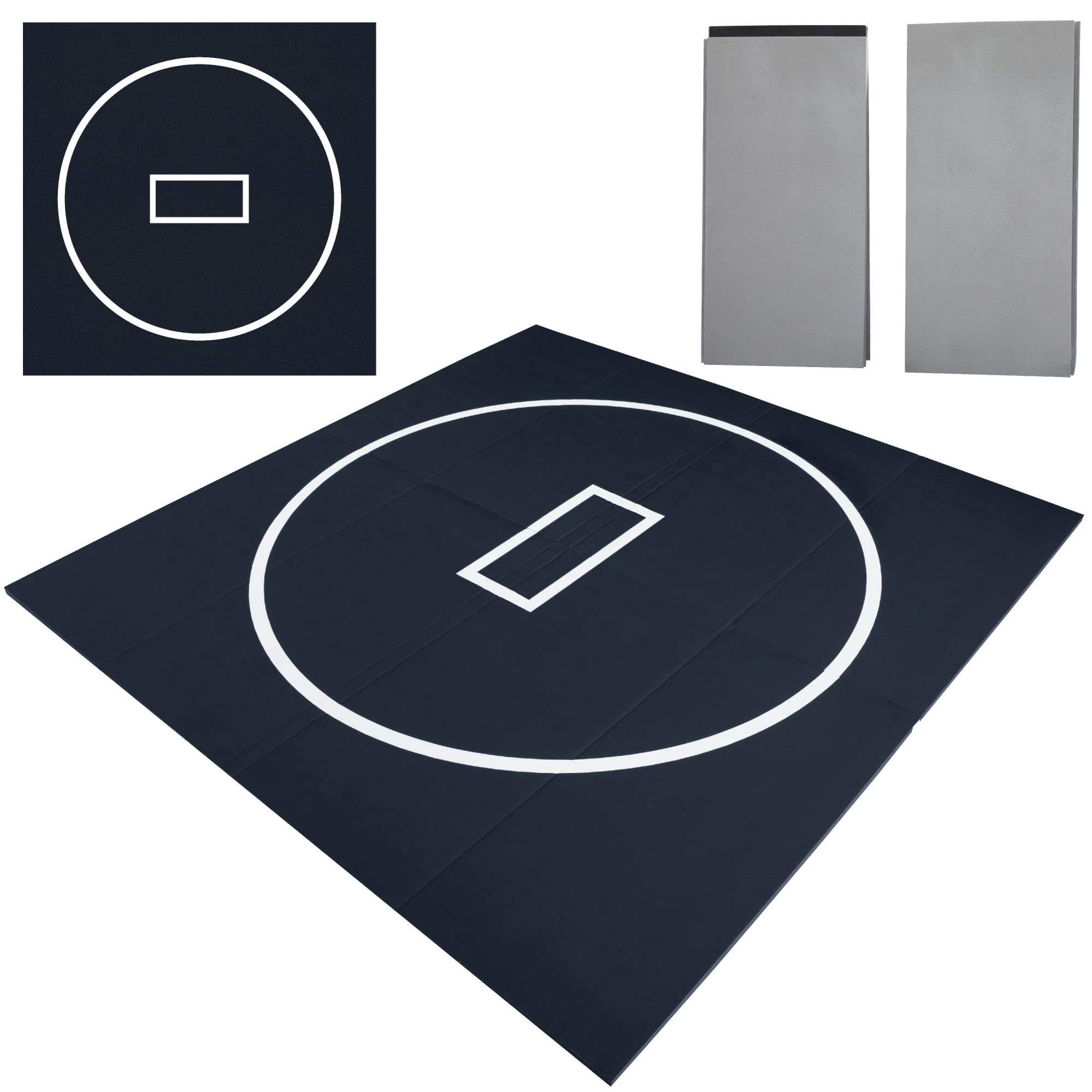
The Mat Is a Petri Dish, and Your Rashguard Is the Lid
No-gi grappling is skin-on-skin, skin-on-vinyl, and skin-on-other-people’s-sweat for the entire session. That’s the sport. It’s also the perfect transmission environment for the three things that plague grappling gyms: ringworm (a fungal infection, despite the name), staph (bacterial, and occasionally the antibiotic-resistant MRSA strain), and the general bacterial load that makes a gym bag smell like a crime scene.
A rashguard’s first hygiene function is mechanical: it physically reduces how much of your bare skin contacts the mat and your training partners. Less exposed surface area means fewer entry points for spores and bacteria. This is why long-sleeve rashguards earn their keep in busy gyms — they cover the forearms and elbows that spend the most time grinding into the canvas during guard passes and scrambles.
But coverage is only half the equation. The other half is what the fabric does once it’s soaked with your sweat and pressed against your skin for an hour.
Why Polyester Beats Cotton — and Why That’s Also the Problem
Nearly every serious rashguard is built from a polyester-spandex blend, usually somewhere around 80/20 or 88/12. The polyester is the structural workhorse and the spandex (elastane) is what gives it compression and stretch. This matters for hygiene in a way that’s genuinely counterintuitive.
Polyester is hydrophobic — it doesn’t absorb water, it moves it. Sweat gets wicked off your skin and pushed to the fabric’s outer surface where it can evaporate. Cotton does the opposite: it drinks sweat and holds it against you like a warm compress, which is exactly the moist, body-temperature environment fungus and bacteria want. That’s why nobody serious wears a cotton t-shirt to roll. The dryness polyester maintains at the skin surface is a real, measurable defense against fungal growth.
Here’s the catch the brochures skip: polyester’s hydrophobic surface is also where odor-causing bacteria love to colonize. The same chemistry that keeps you dry makes synthetic fabric notoriously good at trapping smell. A cotton shirt that’s been sweated in washes clean; a polyester rashguard that’s been sweated in and tossed damp into a bag develops a permanent funk that survives normal washing. That funk isn’t just unpleasant — it’s a living bacterial population. Understanding this trade-off is the whole game.
The Antimicrobial Treatment Question
Walk through any 2026 rashguard catalog and you’ll see “antimicrobial,” “silver-ion treated,” or “odor-resistant finish” stamped on the premium tier. These treatments — usually silver or zinc compounds bonded to the fibers — do inhibit bacterial growth, and the silver-ion claim has real science behind it. Silver ions disrupt bacterial cell function, which is why they’ve been used in medical dressings for decades.
The honest assessment for grapplers: antimicrobial finishes help with odor and bacterial load, but treat them as a supplement, not a shield. Most topical treatments degrade with repeated washing — the very thing you need to do constantly. And critically, antimicrobial finishes are far better at slowing bacteria than stopping fungus. Ringworm is a fungal problem, and no rashguard finish on the market reliably prevents it. The treatment buys you a fresher-smelling garment and a marginal bacterial edge. It does not replace washing your gear and your body.
What “antimicrobial” actually buys you
- Slower bacterial colonization, meaning less odor between washes
- A modest reduction in the bacterial load transferred skin-to-fabric
- Diminishing returns — the finish wears off, often within a season of hard use
- Effectively zero protection against the fungal spores that cause ringworm
Fit and Seams: The Quiet Hygiene Variables
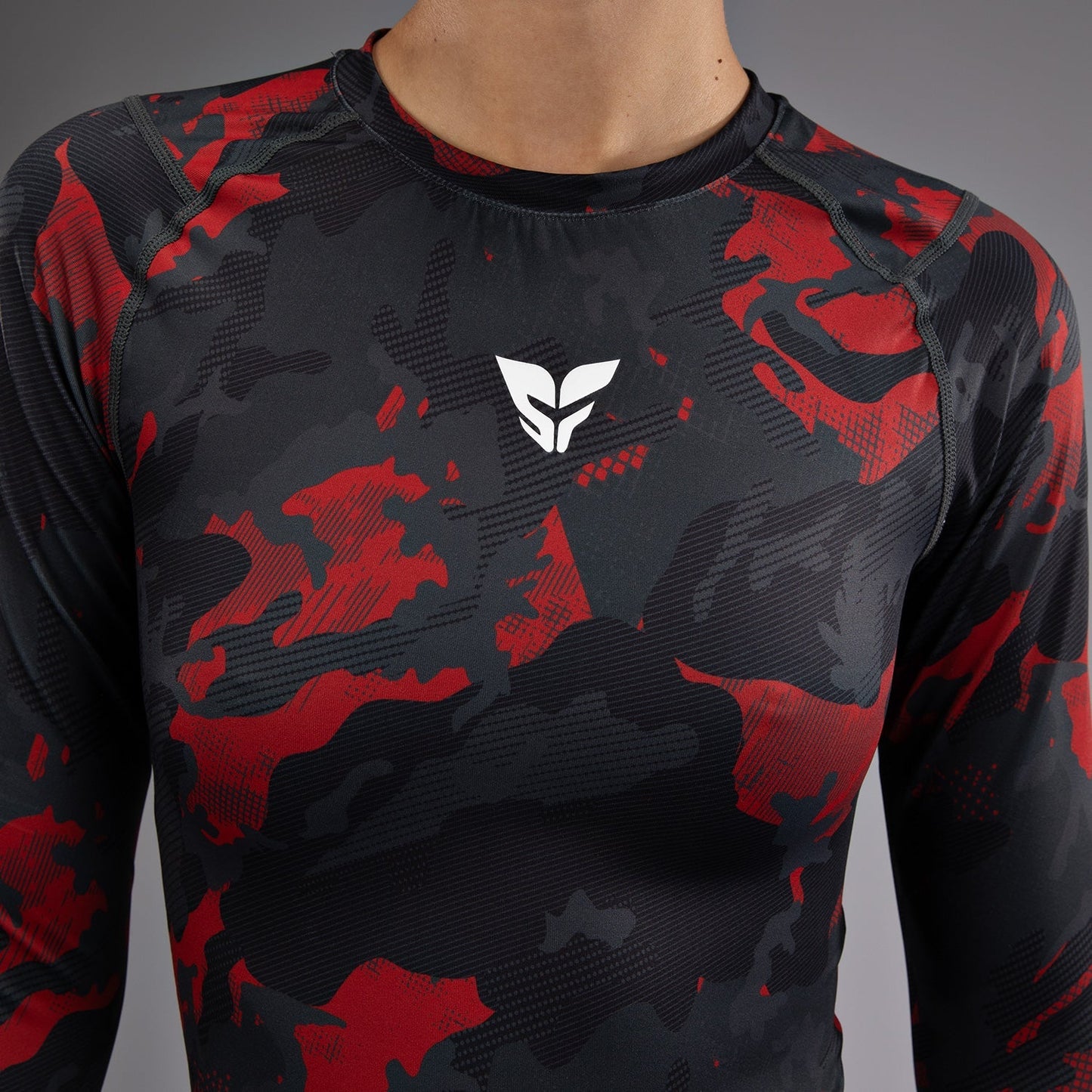
A loose rashguard is a hygiene liability, not just a performance one. When fabric bunches, it creates pockets where sweat pools and where a training partner’s skin can slip underneath to make direct contact — defeating the entire barrier purpose. Compression fit isn’t vanity. A rashguard that stays sealed to your skin keeps the barrier intact through scrambles, inversions, and back-takes.
Seam construction matters here too. Flatlock seams — the flat, wide stitching you’ll feel on a quality rashguard — lie smooth against the skin and don’t create the raised friction ridges that cause chafing. Chafed, broken skin is an open door for staph. The cheaper overlock seam stands up off the fabric, rubs during long sessions, and the micro-abrasions it leaves are precisely where a bacterial infection gets its foothold. When people say flatlock seams “prevent rashguard rash,” what they’re really preventing is the skin damage that turns a sweaty roll into an infection.
Washing Is Where Rashguards Live or Die
You can buy the best-engineered rashguard on the planet and undo all of it with bad laundry habits. The number one hygiene mistake in grappling isn’t gear choice — it’s leaving wet gear in a gym bag. A damp rashguard in a closed bag at room temperature is an incubator. Within hours you’ve cultured exactly the bacterial and fungal load you spent the session trying to avoid.
The non-negotiable routine: wash after every single session, no exceptions, no “it doesn’t smell that bad.” Spores and bacteria don’t announce themselves. Hang or air the rashguard the moment you finish — never let it sit balled up. Wash in cold or warm water, because the high heat of a hot wash and a hot dryer breaks down the spandex and destroys the compression that keeps your barrier sealed. Air-dry rather than tumble-dry for the same reason; heat is the enemy of elastane’s lifespan.
Skip the fabric softener entirely. Softener coats synthetic fibers in a waxy residue that clogs the moisture-wicking channels — the exact mechanism keeping you dry — and traps odor-causing bacteria in place. For stubborn funk that survives normal detergent, a pre-soak in a vinegar-and-water solution or a dedicated sport-wash detergent strips the bacterial residue that ordinary soap leaves behind. This is also why owning more than one rashguard isn’t a luxury: it’s what makes wash-after-every-session actually possible when you train back-to-back days.
A washing rhythm that actually protects you
- Air the rashguard out of the bag immediately after class — wet gear never sits sealed
- Wash after every session in cold or warm water, never hot
- Air-dry; tumble-dry heat kills the spandex and your compression
- No fabric softener — it clogs wicking and locks in bacteria
- Own at least two so the wash cycle never forces you to re-wear damp gear
The Rashguard Can’t Do It Alone
Worth saying plainly: a rashguard is one layer of a hygiene system, not a force field. It reduces exposure and keeps you dry, but it doesn’t cover your hands, face, neck, or feet — the areas most exposed in no-gi. The garment buys you a real reduction in risk; your habits cash that reduction in or throw it away.
Shower as soon as possible after training, ideally with an antibacterial or antifungal soap, and don’t lounge around in sweaty gear afterward. Keep fingernails and toenails trimmed, because mat scratches are infection entry points. Cover any open cut before you step on the mat, and stay home when you have an active skin infection — the etiquette that protects your training partners is the same etiquette that, when everyone follows it, protects you. The rashguard does its job. The rest is on you.
What to Prioritize When You Buy in 2026
If hygiene is your lens — and for anyone training serious volume it should be — the priority order is clear. Start with a true compression fit in a polyester-spandex blend, because dryness and a sealed barrier do the heaviest lifting. Demand flatlock seams to protect the skin from the abrasion that invites infection. Treat antimicrobial finishes as a pleasant bonus that fights odor, not as a reason to wash less. And own enough rashguards that you never have to choose between training tomorrow and wearing something that’s truly clean.
The best rashguards for BJJ and grappling in 2026 are the ones that disappear during the roll and protect you after it. Get the fabric and fit right, build the washing habit, and the gear becomes what it should be: the lid on the petri dish, keeping the worst of the mat off your skin so you can keep showing up.
Ready to build a rotation? Browse long-sleeve no-gi rashguards on Amazon and pick up at least two so your wash cycle never leaves you short.
Sources
- Centers for Disease Control and Prevention (CDC) — guidance on staph, MRSA, and skin infections in contact athletes
- Wikipedia: Dermatophytosis (Ringworm) — transmission and fungal infection basics
- Wikipedia: Staphylococcus aureus — bacterial infection and MRSA background
- American Academy of Dermatology — skin care and infection prevention resources
- Wikipedia: Polyester — hydrophobic fiber properties and moisture behavior
Browse our top-rated rashguards and no-gi gear at the RashguardGuy shop →