When to Retire a Rashguard: How No-Gi Fit Breaks Down Over Time
A rashguard that fits perfectly on day one won’t fit that way forever. Here’s how compression dies, how to read the warning signs, and when to pull a piece from your no-gi rotation.
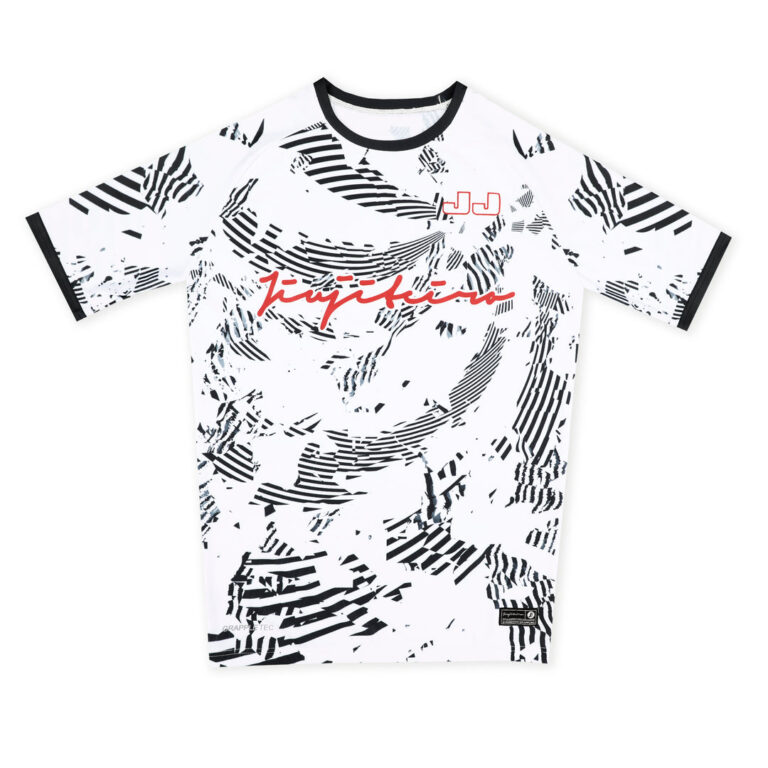
A rashguard that fits perfectly on day one won’t fit that way forever. Here’s how compression dies, how to read the warning signs, and when to pull a piece from your no-gi rotation.
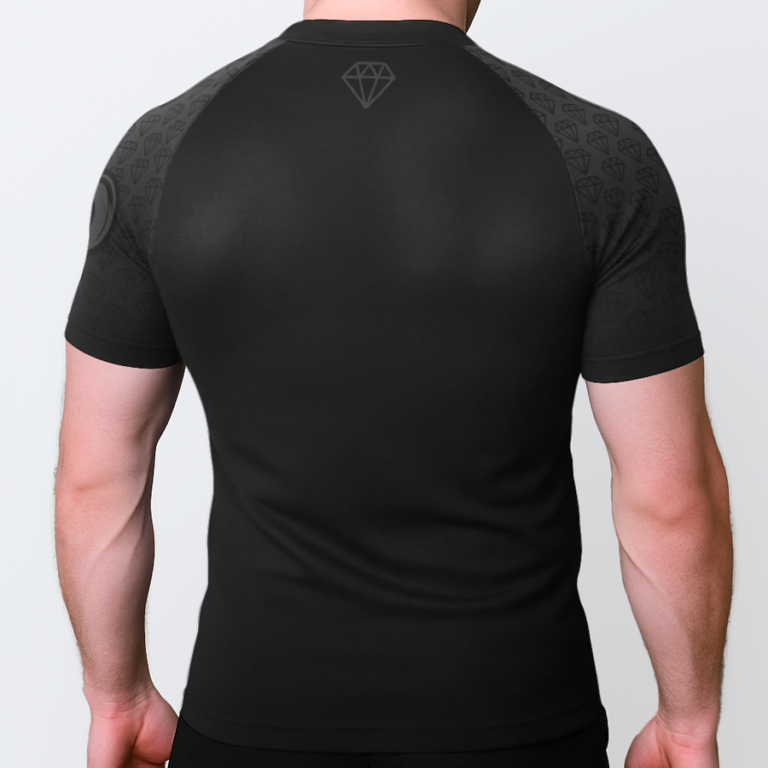
Most grapplers blame the washing machine when a rashguard goes dull. But the real damage often happens between sessions — in your trunk, your gym bag, and your tap water. Here’s what’s quietly cooking the color out of your no-gi gear.
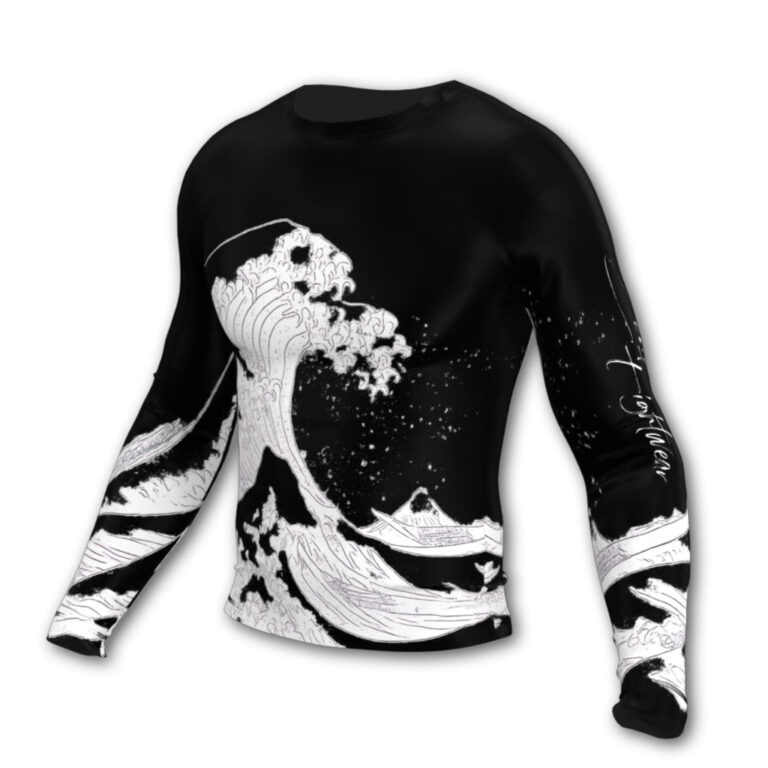
Most rashguards don’t die on the mat — they die in the laundry. Here’s how hot water, the dryer, and the wrong detergent quietly gut your no-gi gear, and the wash routine that stops it.

Two rashguards can look identical on the rack and age completely differently. The reason is buried in how the color got onto the fabric — sublimation dyes the fiber, screen print sits on top. Here’s how to read a listing and buy the one that keeps its color.

Rashguards don’t fade by accident. Here’s the materials science of how sweat, pool chemicals, sunlight, and dryer heat attack sublimation dye — and how to slow it down.
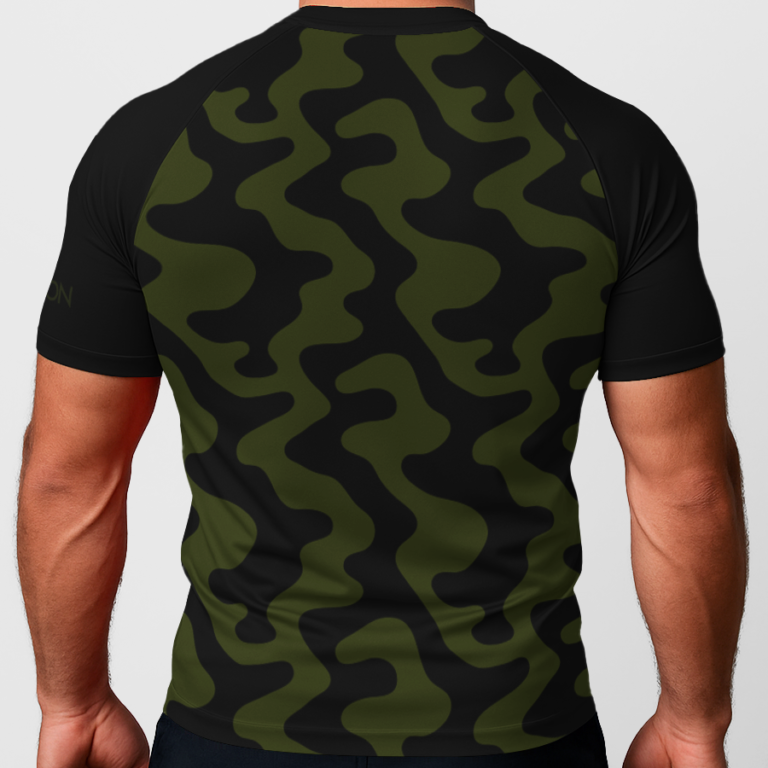
Faded, dull, and pilled after a few months? Here’s the real science behind why rashguards lose their color — and the simple washing and drying habits that keep sublimated prints sharp for years.

UV protection in rashguards isn’t permanent — chlorine, sweat, and sunlight strip UPF over time. Here’s the degradation curve outdoor no-gi grapplers need to track.
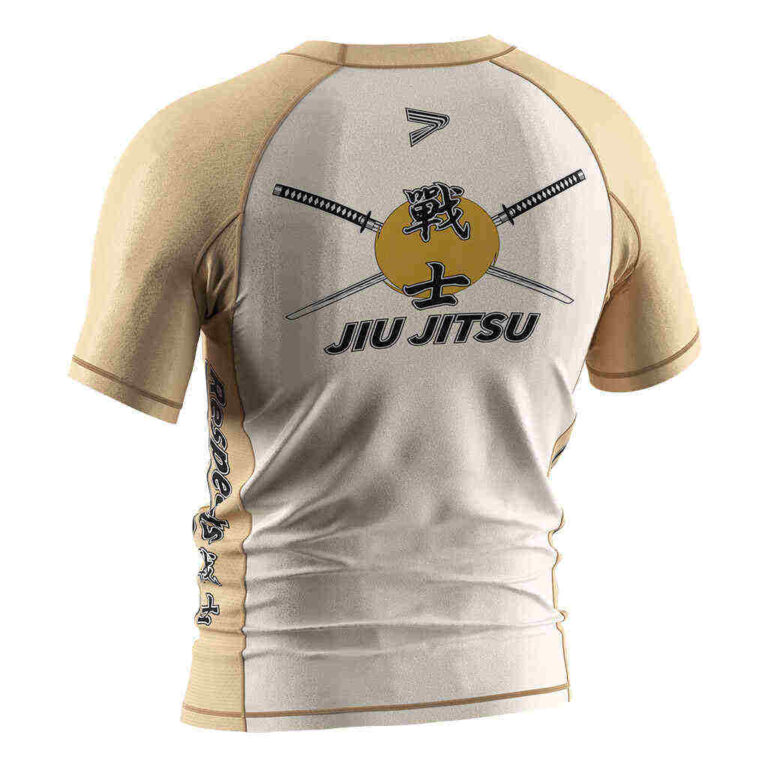
Print method, UV exposure, chlorine, and dryer heat all attack rashguard color. Here is how each one breaks the fabric down and the no-gi-specific routine that keeps your print sharp through hundreds of rolls.
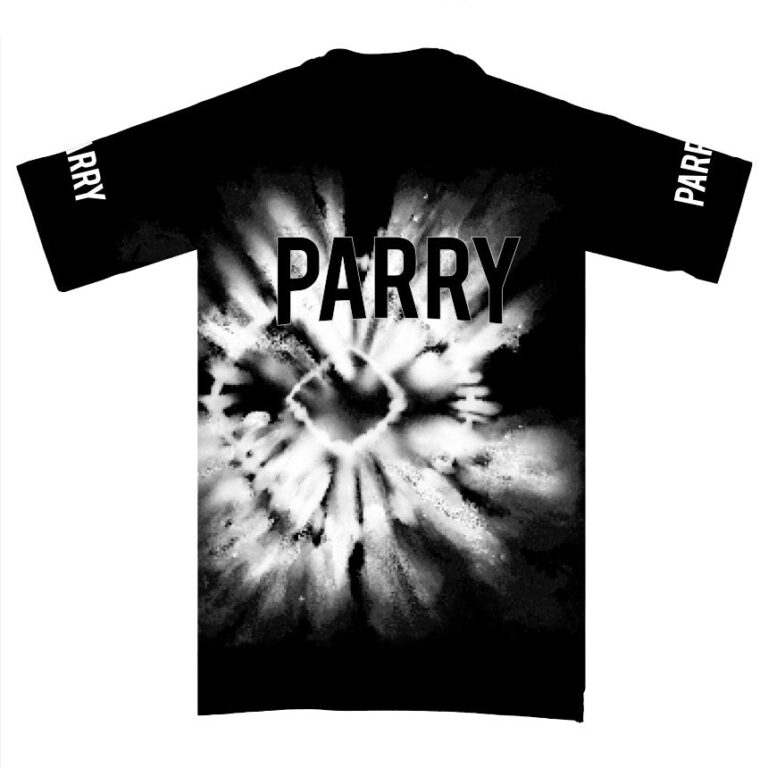
Cold water, mesh bags, and the fabric softener trap. A no-gi grappler’s guide to washing rashguards so they last past the first six months.

Cheap no-gi rashguards smell within months. Here’s what survived a 90-day stink test under $50 — and the wash routine that doubles their useful life.

Polyester, spandex, and nylon each play a different role in your rashguard. Here’s how the three materials actually compare for no-gi BJJ training and competition.
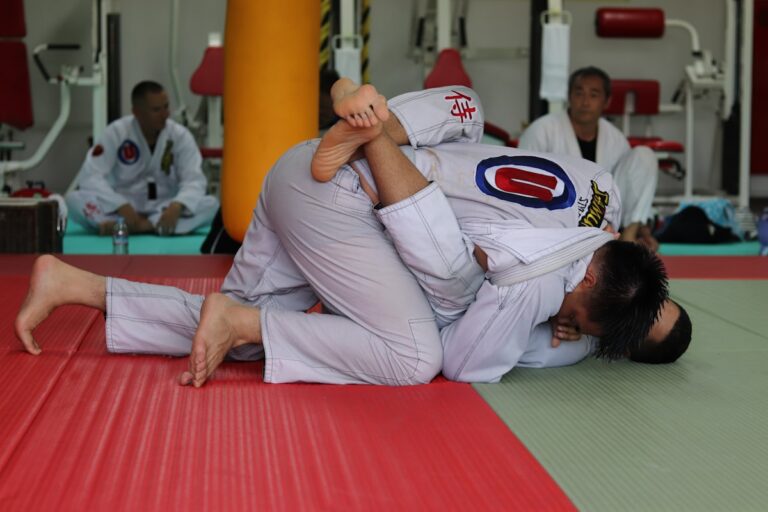
If you’ve ever rolled no-gi in a cotton t-shirt, you already know the problem. It bunches, rides up, soaks through in minutes, and gives your training partner something to grab. A proper BJJ rashguard fixes all of that — and the right one can genuinely improve your training experience. But with dozens of brands flooding…