Matching Compression Shorts to Your No-Gi Grappling Game
Most compression shorts guides start with materials. The better starting point is your grappling game. Here is how to match compression shorts to the way you actually train and compete.

Most compression shorts guides start with materials. The better starting point is your grappling game. Here is how to match compression shorts to the way you actually train and compete.
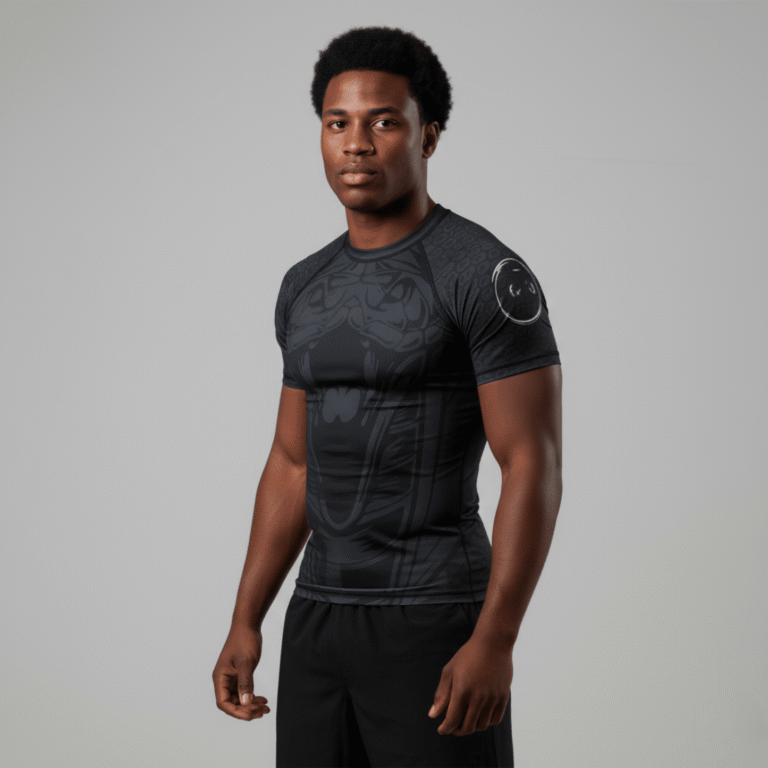
Most compression shorts buying guides miss what grappling specifically requires. Here’s how waistband design, seam placement, fabric blend, and fit decide whether your shorts survive the mat.
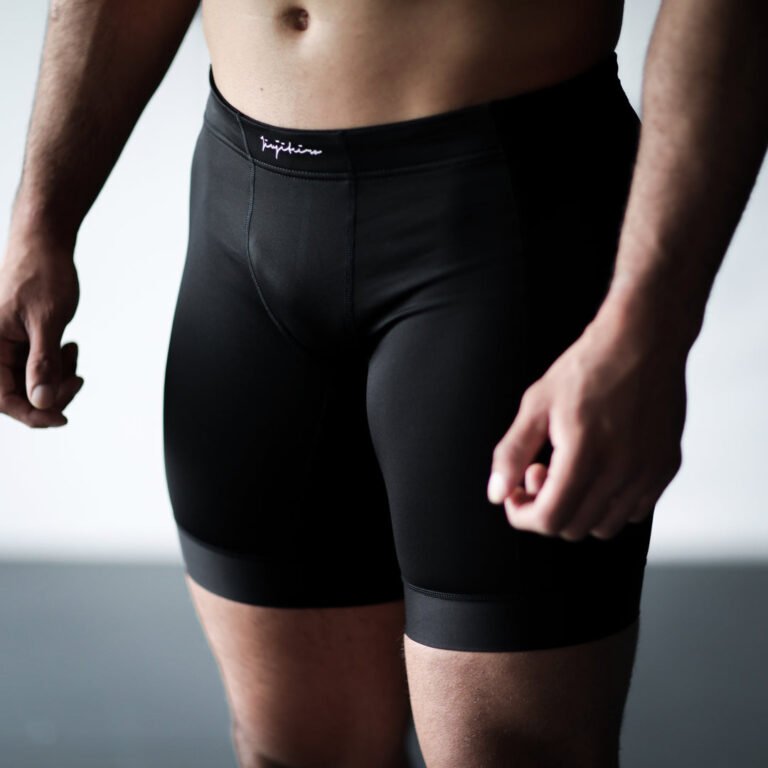
Not all compression shorts survive the mat. Here is how to evaluate waistband design, seam placement, leg length, and fabric before you spend.

Rashguard fit is not shirt fit. Here is how to diagnose the right compression level, identify the signs of bad fit, and test any rashguard before you commit to it on the mat.
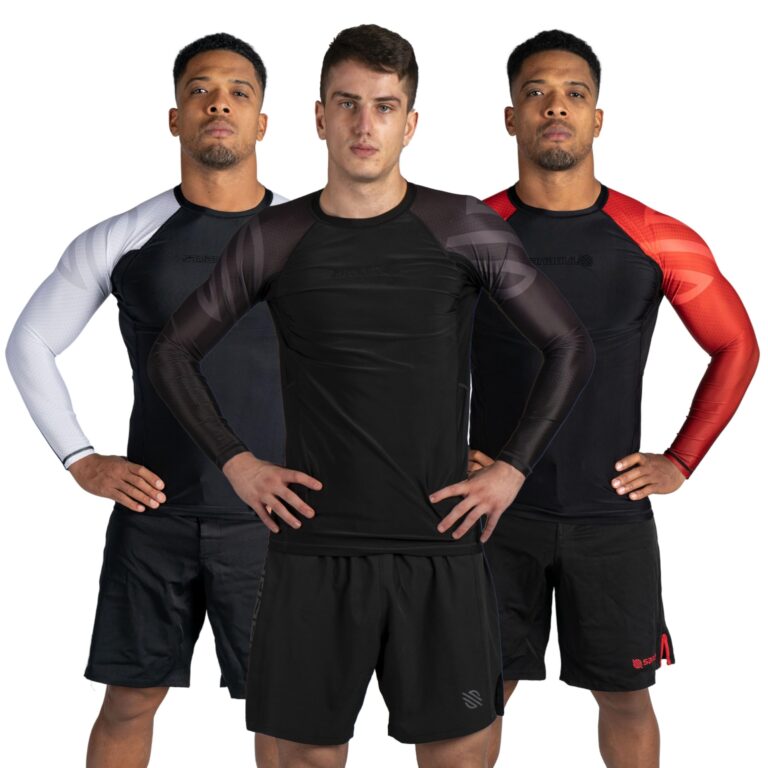
Product pages cannot tell you how a rashguard performs after six months of hard training. Here is the framework for identifying—and keeping—the best rashguards for BJJ and grappling in 2026.

Shoyoroll’s ROAN TVT campaign showed a loose, braless rashguard — the opposite of what a no-gi rashguard needs to do on the mat. Here’s the functional case practitioners are making, and why the brand still hasn’t responded.
A rashguard can look flawless standing still and betray you the second you shoot a takedown. Here is a movement-first way to judge no-gi fit — through the reaches, bridges, and sprawls you actually make on the mat.

Most grapplers judge a rashguard by the torso, but fit actually lives up top. Here’s how the shoulders, yoke, and collar decide whether the whole garment stays put through a hard no-gi round.
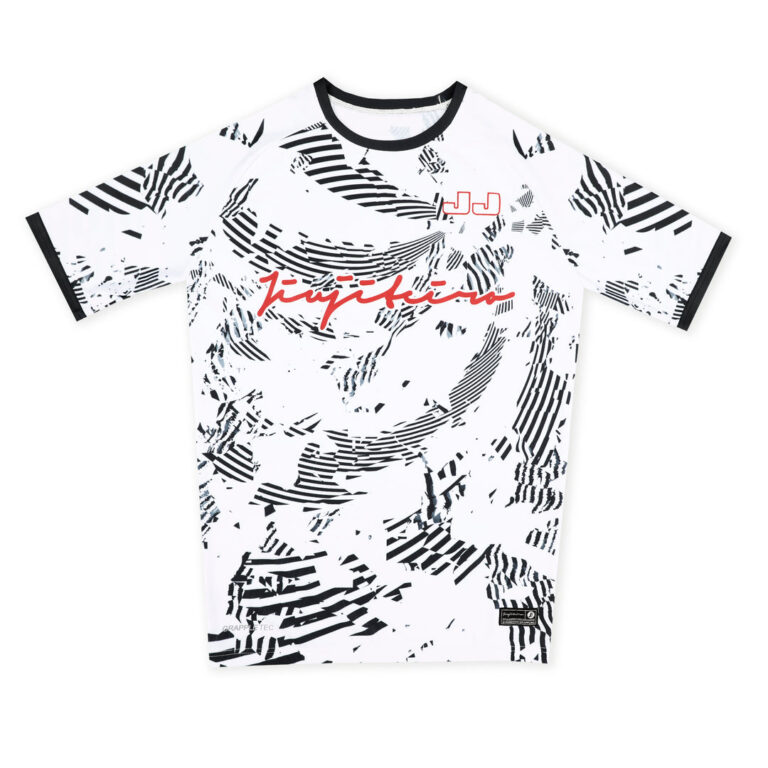
A rashguard that fits perfectly on day one won’t fit that way forever. Here’s how compression dies, how to read the warning signs, and when to pull a piece from your no-gi rotation.
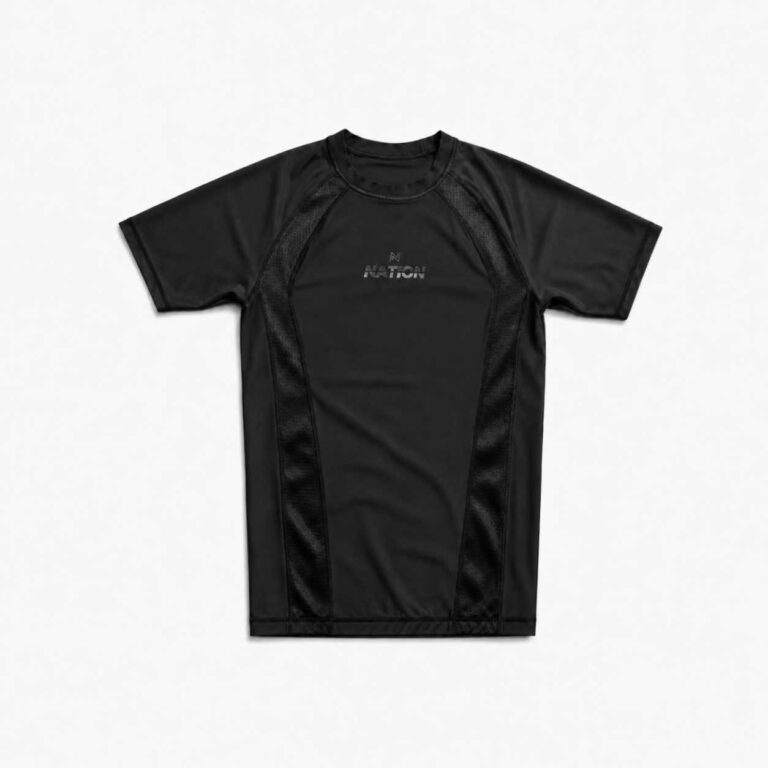
Most grapplers only discover a bad rashguard fit halfway through a hard round. Here’s how to read compression, sleeves, seams, and the collar gap in front of a mirror—before you ever slap hands.

Forget the size chart for a second. The real proof of how a rashguard should fit shows up in the first hard round — here’s a movement-by-movement fit test you can run before the buzzer.
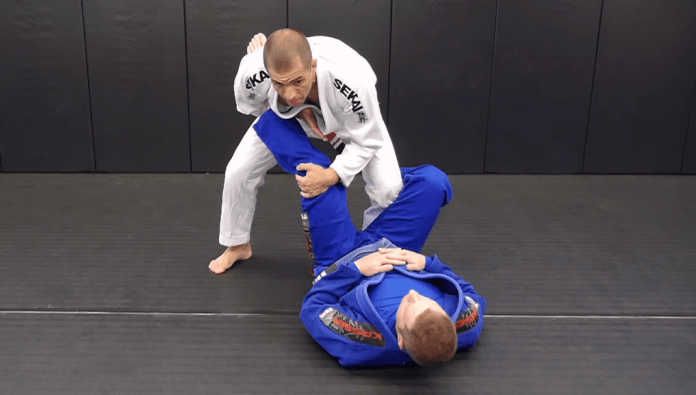
A rashguard that rides up, bunches at the elbows, or gaps at the neck isn’t broken — it’s the wrong fit for how you move. Here’s how to diagnose it on the mat.