No-Gi Ear Guards: What a Full Year of Consistent Protection Actually Teaches You
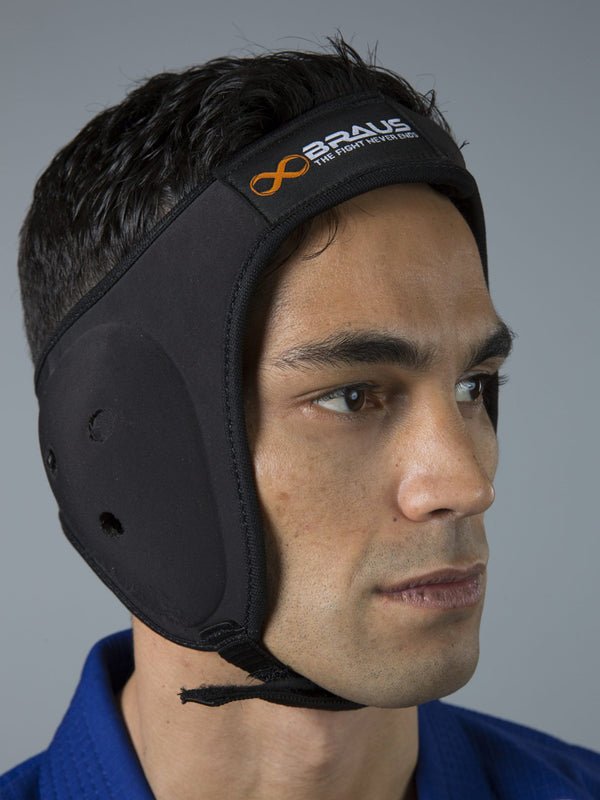
Most no-gi grapplers who try ear guards quit too early. Here’s what a full year of consistent protection actually teaches you about your game.
Most no-gi grapplers who try ear guards quit too early. Here’s what a full year of consistent protection actually teaches you about your game.

Quick Answer: The 7 submissions that consistently work from top mount in no-gi grappling are: the arm bar from S-mount, the kimura, the Americana, the Ezekiel choke (no-gi variation), the mounted triangle, the back take into a rear naked choke, and the arm triangle transition to north-south. The difference between finishing from mount and just…
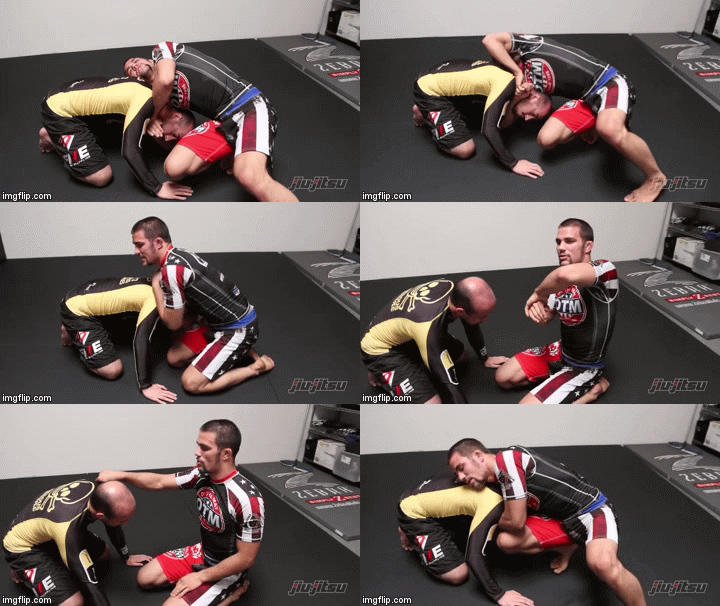
Quick Answer: The high elbow guillotine — the “Marcelotine” — is a no-gi choke where the choking arm’s elbow drives above the opponent’s shoulder line rather than tucking low. That single detail generates more carotid compression, eliminates the Von Flue counter, and explains why Marcelo Garcia submitted more ADCC opponents than anyone in the tournament’s…
Most no-gi grapplers don’t think about ear protection until damage has already started. Understanding how contact accumulates with training volume tells you exactly when ear guards stop being optional.

Quick Answer: The knee slice pass (also called the knee cut) works by driving your inside knee across your opponent’s thigh while controlling their far hip, creating enough pressure to flatten them and pass to side control. No-gi adjustments focus on wrist control and underhook battles instead of lapel grips — the pass actually becomes…
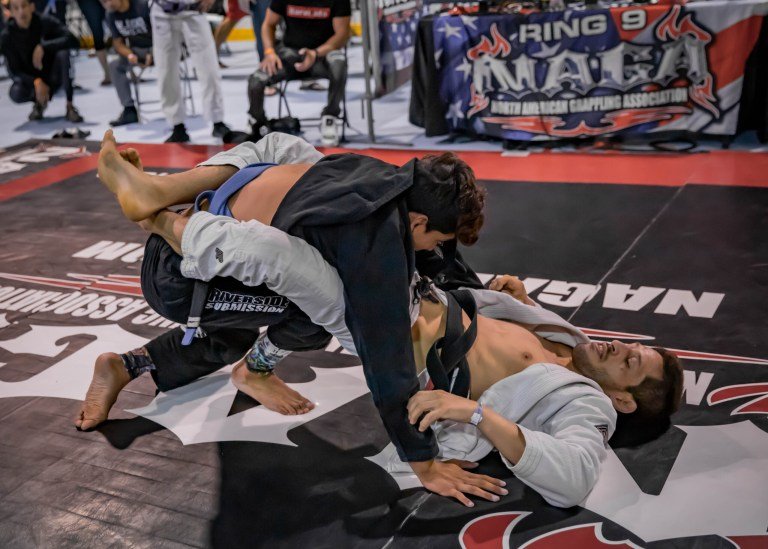
Quick Answer: Guard pulling in no-gi requires wrist control and frame-based entries rather than lapel grips. The three most reliable entries are the 2-on-1 to butterfly guard, the arm drag to x-guard, and the Russian tie to deep half guard. Without gi fabric to hold, timing and distance management matter far more than in gi…
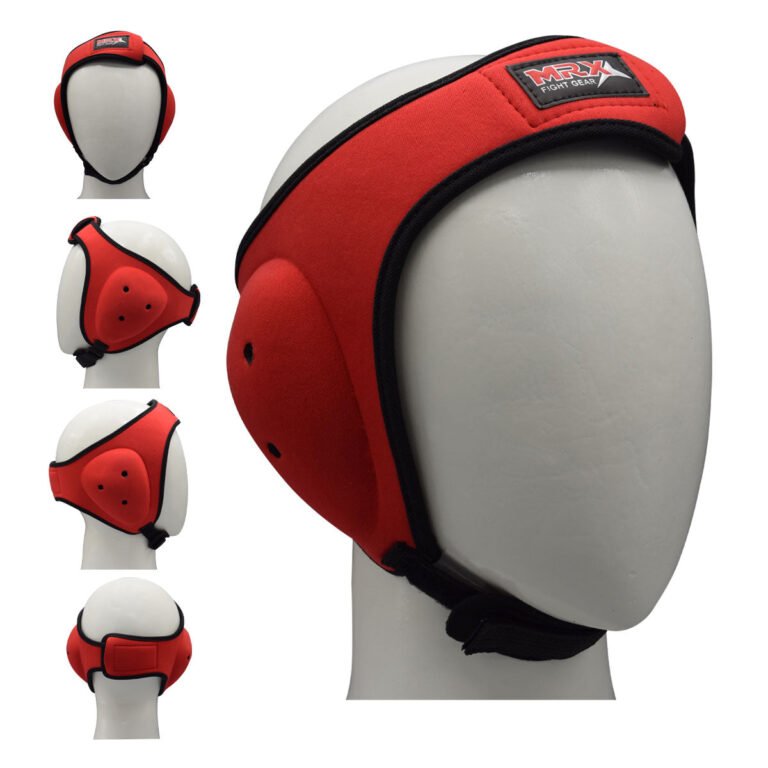
Most grapplers who come from wrestling already own headgear. Whether it works in no-gi depends on understanding where the two sports diverge in terms of ear exposure, contact patterns, and what your protection actually needs to do.
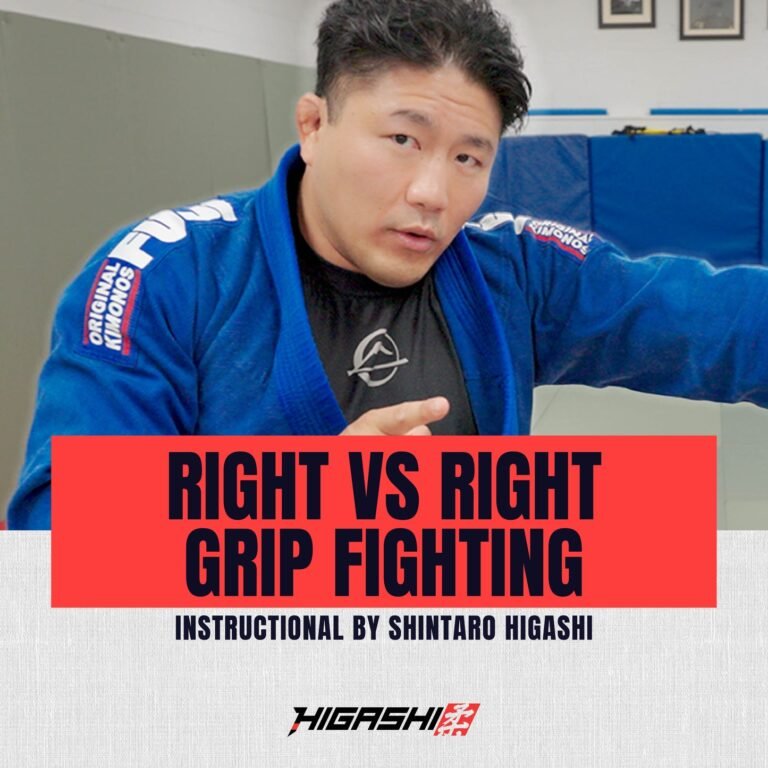
Quick Answer: No-gi grip fighting is the battle for dominant hand and body position before a takedown or guard pull is established. The key positions — underhook, collar tie, arm drag, and wrist control — each create a different attack pathway. Winning the grip exchange determines who dictates the match, not who has the better…
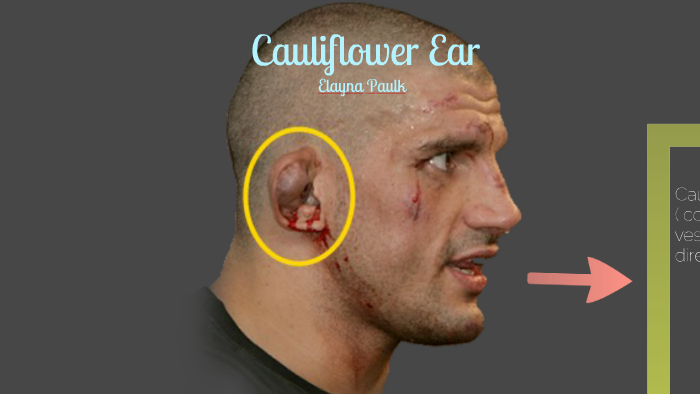
Not every no-gi position carries the same cauliflower ear risk. This guide breaks down where ear damage accumulates fastest, why certain grappling exchanges are more destructive than others, and how consistent ear guard use fits into a real prevention approach.
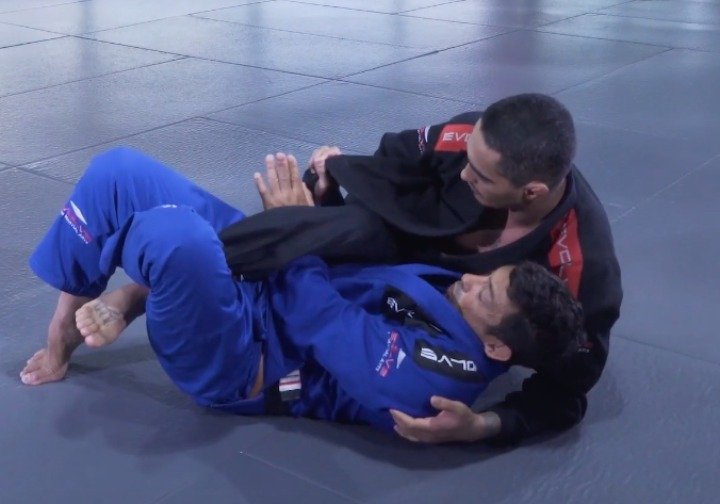
Quick Answer: Deep half guard in no-gi strips away the lapel and sleeve grips you rely on in the gi, making your underhook and wrist control the entire foundation of the position. The five highest-percentage no-gi sweeps are the Old School, the back take, the Homer Simpson, the roll-under to leg attack, and the deep…
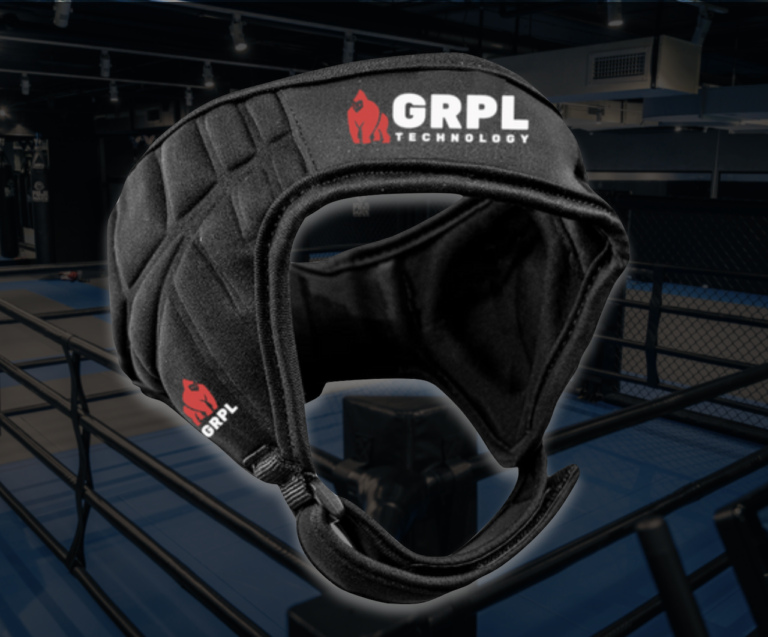
Different no-gi promotions handle ear protection differently. Here’s how to navigate gear rules across IBJJF, ADCC, and submission-only events — and why your training protocol matters as much as the rulebook.
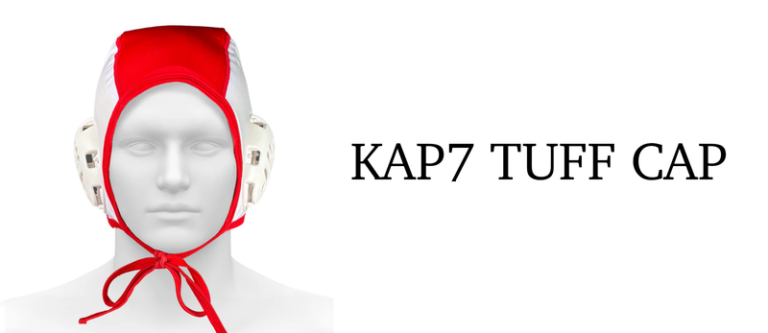
Ear guards don’t just protect you — they change how your head feels, how you read pressure, and how you move through scrambles. Here’s what the adaptation actually looks like.