Leg Lock Era: How Spats Hold Grip Where Compression Tights Slip
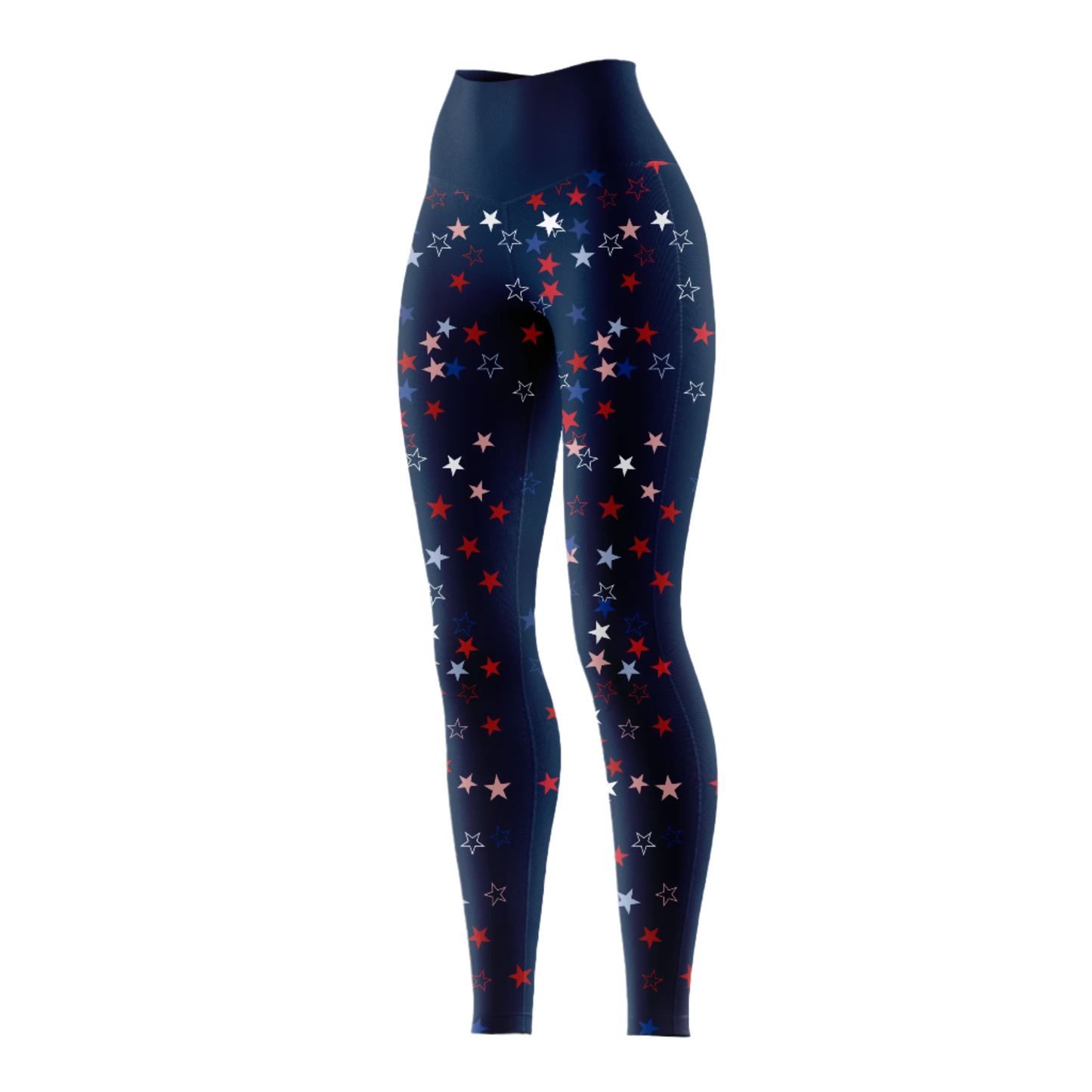
Walk into any no-gi gym in 2026 and you will see two layers under the shorts: dedicated grappling spats, or generic compression tights pulled from a department store rack. From a few mats away they look identical — same length, same hugging fit, similar branding language. The moment a heel hook entry starts and your partner squeezes a knee into your inner thigh, the difference becomes obvious within seconds. Spats vs compression tights stopped being a style question when leg locks took over the sport. It is now a grip and durability decision, and the wrong choice ends scrambles early.
The Leg Lock Era Changed What Grapplers Wear
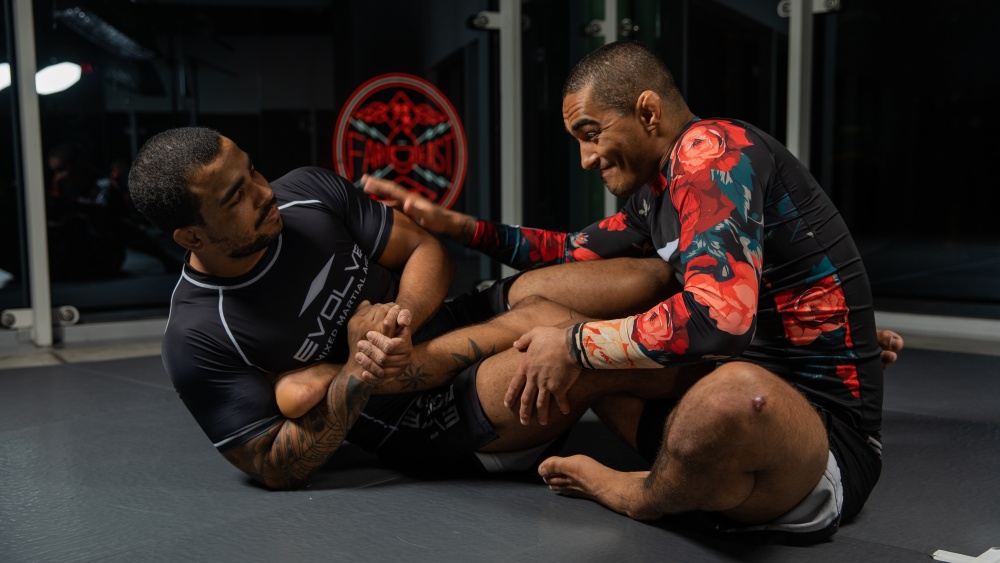
Five years ago the bottom-half kit conversation barely mattered. You rolled in board shorts and whatever long underwear was clean. Then the Danaher Death Squad and a generation of leg lock specialists changed the sport. Ankle locks, heel hooks, knee bars, and toe holds went from a niche specialty to half of every high-level no-gi exchange. The Ruotolo brothers built entire highlight reels around inside heel hook entries. Craig Jones turned leg lock defense into a brand. ADCC opened the heel hook rule across all weight classes in 2022, and the rest of the no-gi world followed.
Suddenly the inside of your leg was in continuous contact with another body for thirty straight seconds at a time. Whatever fabric was there became hardware, not sweat management. Spats stopped being an optional rashguard accessory and started being equipment that holds friction, prints, and seams in places that matter. The shift in what athletes wear under their shorts mirrors the shift in what the sport rewards.
Where Spats and Compression Tights Diverge
The difference between dedicated BJJ spats and gym compression tights shows up in three places: fabric blend, seam construction, and waistband engineering. Each of these is a deliberate choice for grappling, and largely absent from gym compression tights, which were built for the treadmill and the squat rack rather than the leg lock scramble.
Sublimated polyester vs nylon-spandex
BJJ spats are typically 80/20 or 85/15 polyester-spandex. Polyester takes sublimation dye into the fiber itself, which means the print becomes the fabric. There is no raised plastic logo to crack and no applique seam to peel. Gym compression tights are usually nylon-spandex blends. The hand-feel is softer, but the fabric is thinner and prints sit on top of the surface. Six weeks of guard pulls and the logos start flaking around the knee and inner thigh.
Flatlock seams vs overlock ridges
Flatlock seams sit flush against the leg. They do not dig into the inner thigh when someone clamps a knee triangle or settles into a body lock. Overlock seams — the standard on gym compression tights — create a raised ridge running down the inseam. Ninety seconds inside a 50/50 and that ridge prints a welt against the skin. By the third roll of the session it is chafed raw, and the next training day the burn is still there.
Silicone waistband vs plain elastic
The third hidden difference is the waistband itself. Dedicated grappling spats use a silicone-gripped band that bonds to the skin around the iliac crest. Gym compression tights almost always use plain elastic. Plain elastic feels comfortable for a run, but it migrates the moment a body triangle or a tight closed guard squeezes the hips. The silicone is not a comfort feature — it is anti-migration hardware.
Friction Inside a Heel Hook Battle
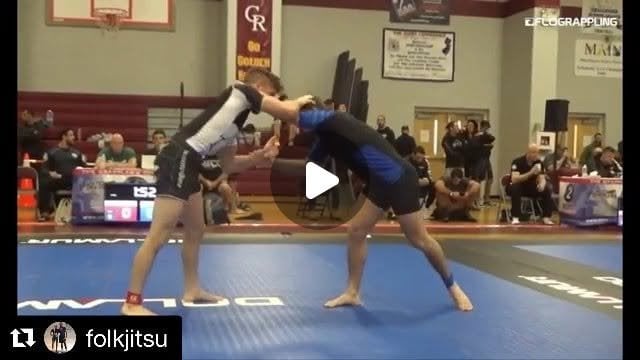
The inside heel hook entry forces your bottom leg through your opponent’s guard, your knee line caught between their hip and their squeezing thigh. Two compression layers are now in direct contact, and the friction map between them decides whether you can escape clean or whether the fabric grabs at the wrong angle.
Polyester-on-polyester slides predictably. The opponent can break the line with the right angle and you can recover and reposition. Mixed nylon-on-polyester contact behaves unpredictably — the slick fabric squeaks at low pressure and locks suddenly when the pressure builds. That inconsistency wrecks the timing reads that leg lock exchanges depend on. You think you are sliding out and then the fabric grabs and rotates your knee a quarter inch before you can untangle.
Pro athletes wear sublimated polyester spats for a reason. The fabric is engineered to do one thing predictably: slide when both surfaces are polyester, grip when there is direct skin contact. Mixed compression layers create unpredictable friction maps, and unpredictable friction in a heel hook is exactly how knees get hurt in training.
50/50 Guard and the Waistband Migration Problem
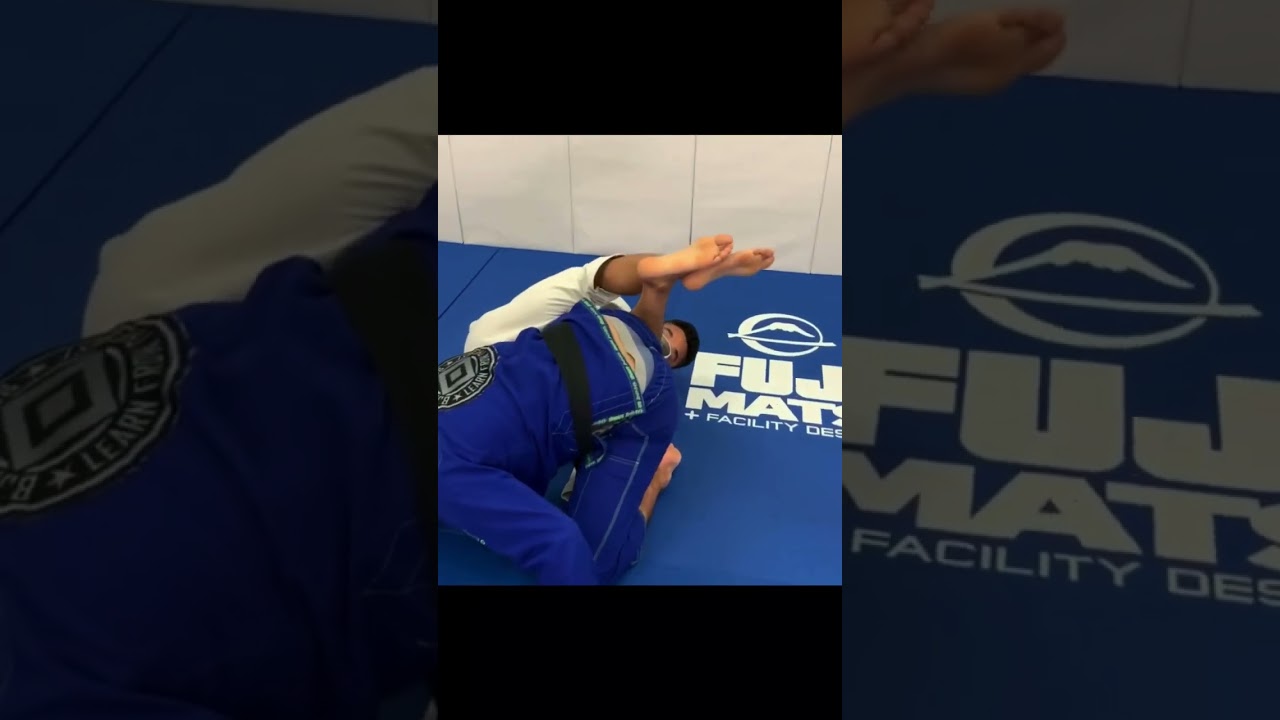
In 50/50, your knee crosses over your opponent’s ankle line and stays there for thirty to ninety seconds while both grapplers fight for the entry. The hips are squeezed, the body triangle threatens, and the waistband is under constant lateral pressure. Spats with a silicone-gripped band stay locked at the hip. Gym compression tights with elastic-only bands roll down when the iliac crest is compressed.
The first thing you notice in a long 50/50 exchange is not the leg attack — it is the waistband migrating down your hip. Once it shifts an inch, three things change at once:
- The inseam pulls into the wrong place, dragging the seam over the knee instead of beside it.
- Range of motion drops as the fabric bunches at the upper thigh.
- The next scramble starts at a structural disadvantage you did not have ninety seconds ago.
By the time you stand up after a long 50/50, gym compression tights are usually halfway down your hips. Dedicated spats are still where you put them on.
Sweat, Drag, and the Three-Hour Roll
Hot gym, three hours of open mat, six or seven different partners. Grappling-grade polyester absorbs sweat into the fiber matrix, releases it through evaporation, and stays structurally the same when soaked. The compression tension is unchanged in round seven from what it was in round one.
Gym compression tights are engineered for shorter sessions — a forty-five-minute run, an hour of squats. They soak through in forty minutes and then the fabric loses tension. Once compression drops, the cling stops, and now there is drag inside every scramble. Drag is what costs the third and fourth rolls of a long open mat. The reason you feel slow at the end of the session is not always your gas tank — sometimes it is gear that gave up an hour before you did, and the extra friction inside every transition is silently taxing your hip flexors.
Sublimation, Logos, and Six-Month Durability
Look at any ADCC athlete’s spats and you will see vivid full-coverage prints — the dye is the fabric. Six months of training, and the only thing that fades is the color, by maybe a half-shade. The print itself never cracks. Compression tights with applied logos start peeling at the first hot wash cycle, and by month two there are bare patches where the brand name used to be.
The sponsor visibility ADCC athletes are paid for requires sublimation, which is why pro spats are built this way. The same construction is now available off the rack from grappling brands at a hundred dollars a pair or less. Sublimation is no longer a luxury — it is the baseline for any spat worth buying.
![[BREAKING] Ruotolo Brothers Leave ADCC & Choose CJI Instead](https://rashguardguy.com/wp-content/uploads/2026/05/leg-lock-era-spats-compression-tights-grip-5.jpg)
When Compression Tights Still Make Sense
None of this means gym compression tights are junk. They are simply built for a different job. If you train no-gi twice a week, mostly drill positions, never roll past forty minutes, and never play 50/50 or hard leg lock exchanges, generic compression tights are fine. They are also a reasonable layer for a cold-gym warm-up before you change into proper spats for the live rolls.
The line is not gym tights versus spats — it is whether your training week includes the kind of contact that punishes the wrong fabric. If you live in heel hook scrambles, body triangles, and back takes, you need spats. If you are drilling guard retention with a willing partner, gym tights survive the session. Match the gear to the contact, not to the rashguard you already own.

Tournament-Day Decision Framework
Competition day is where the gear decision stops being theoretical. Three to five matches in a single day. Sweat-soaked between rounds. Referees checking for logos at IBJJF. ADCC and most major no-gi rule sets explicitly require compression layers under the shorts. Tournament-day spats need to do four things:
- Stay locked at the waist through every scramble.
- Hold sublimated prints under bright tournament lighting and camera angles.
- Dry between matches faster than the bracket can move you to the next mat.
- Avoid chafe across three hours of bagged-up sweat in a warm venue.
Generic gym compression tights fail at least two of those tests for most grapplers, which is the lesson a lot of first-time competitors learn the hard way during their semifinal. The pair you wear for cardio is not the pair that survives a no-gi bracket. Bring dedicated grappling spats. Pack a second pair if the bracket runs deep.

How to Buy Your First Pair of No-Gi Spats
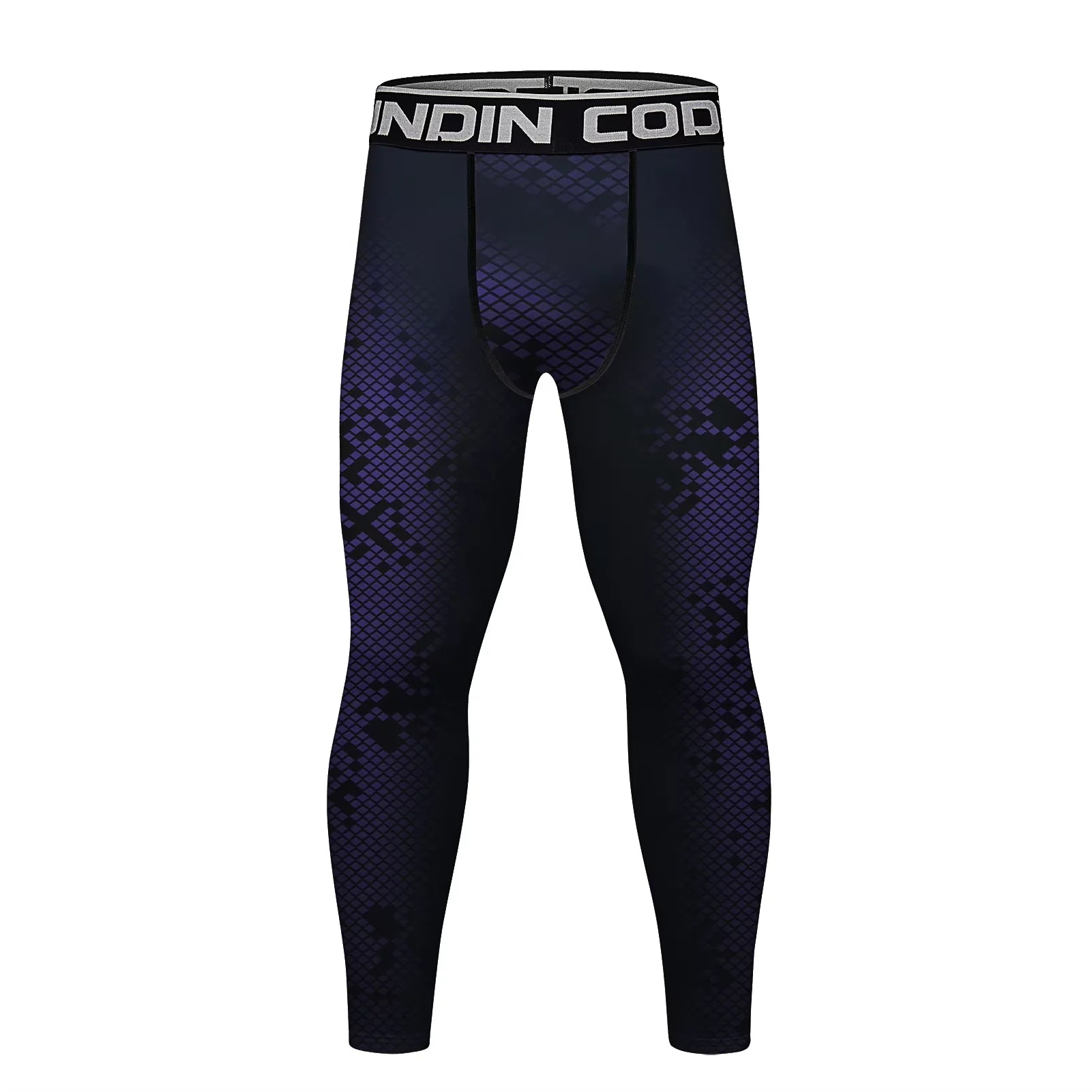
If you are new to no-gi and your current bottom layer is a pair of running tights, the upgrade order is simple. Start with one quality pair of grappling spats from a brand that publishes their fabric blend on the product page. Look for polyester-spandex in the 80/20 to 85/15 range, sublimated graphics rather than applique logos, flatlock seams, and a silicone-gripped waistband.
Try a seated guard pull in the dressing room if you can — sit down, pull both knees to your chest, and see whether the inseam migrates and whether the waistband stays at your hip. Expect to pay between forty and ninety dollars for a pair that survives a year of hard training. After six months of two-a-week rolling you will know whether you need a second pair. Most regular no-gi players settle into a rotation of three.
Sources
- FloGrappling — coverage of ADCC, leg lock specialists, and no-gi competition rule sets.
- Heel hook (Wikipedia) — overview of the submission and its place in modern no-gi.
- Brazilian jiu-jitsu (Wikipedia) — historical and rule-set context for no-gi grappling.
- Shop BJJ spats on Amazon — search results for dedicated grappling spats.
Need help ranking on Google? RankOnRepeat manages your entire blog — keyword research, writing, and publishing — so your business shows up when customers search. See how it works →
Browse our top-rated rashguards and no-gi gear at the RashguardGuy shop →