
Best Rashguards for BJJ and Grappling 2026: Fabric, Fit, and Tournament-Ready Picks
The rashguard market for no-gi BJJ and grappling has matured fast. With ADCC trials wrapping up, Submission Underground back on the calendar, and competition season heating up in 2026, athletes are getting pickier about what they wear under the cloth — and increasingly without it. The best rashguards for BJJ and grappling 2026 aren’t just about looks. They’re about fabric performance under live grip, durability through a season of hard rolls, and meeting tournament rules without compromise. Here’s what’s actually worth your money this year, broken down by how you train.
What Actually Changed in 2026 Rashguard Tech
A few years ago a rashguard was a rashguard. In 2026 the gap between a $35 entry-level tee and a $90 elite-tier compression top is larger than ever, and athletes feel it after thirty minutes of hard rolling.
The biggest shifts this year:
- Lighter fabrics: most premium rashguards now sit in the 200–260 GSM range — light enough to stay cool in tropical gyms, heavy enough to resist tearing under live underhooks.
- Bonded seam refinement: Hyperfly, Kingz, Gold BJJ, and Shoyoroll have moved to fully bonded seams in their flagship models, eliminating the chest rash that used to come from older cross-stitching.
- Compression that stays put: higher elastane content (typically 17–22%) means cuffs and waistbands no longer roll up mid-roll.
- Print durability: sublimated graphics on premium rashguards now survive 100+ commercial-wash cycles, finally addressing the dominant complaint of 2024–2025.
How to Pick a Rashguard for the Way You Actually Train
There’s no single best rashguard. The right one depends on what you’re doing on the mat, the climate of your room, and how often you compete.
Fabric Weight and Climate
For hot gyms or tropical climates, target 200–220 GSM with mesh side panels. For cold North American or European rooms in winter, 240–260 GSM delivers warmth without bulk. Beware sub-180 GSM ultralight tops — they tear at the armpit under live grappling and rarely last a full year.
Fit and Compression
True grappling fit is snug across the chest and shoulders without restricting overhead reach. If you can’t comfortably scratch your opposite shoulder blade, the rashguard is too tight. If the hem rides above your navel during a sit-up, it’s too short or too elastic-light. Test sit-outs in the changing room before buying.
Sleeve Length
Long sleeves grip slightly better against opposing forearms in collar ties and wrist control, and they protect against mat burn on takedowns. Short sleeves run cooler and weigh less. Most ADCC and IBJJF athletes default to long-sleeve in winter and short-sleeve in summer events.
Stitching and Reinforcement
Look for triple-stitched flatlock or fully bonded seams at the armpit, shoulder, and side panel — these are the failure points. Single-stitched budget rashguards typically give out within six months of three-times-a-week training.
Our Top Rashguard Picks for No-Gi in 2026
These picks are based on six months of real-mat use, durability testing, and feedback from athletes across North America, Brazil, and Asia.
Best All-Round Trainer — Hyperfly Procomp Supreme
Hyperfly’s flagship sits in the sweet spot: 230 GSM, 19% elastane, fully bonded seams, and a cut that flatters both lanky guard players and stocky wrestlers. Around $79 retail. Hyperfly’s print durability is the best in class right now — rashguards we tracked since early 2025 still show clean graphics after a year of commercial laundering.
Best for Competition Day — Shoyoroll Comp Rashguard
Shoyoroll runs slimmer than most, designed for athletes who want a clean visual at weigh-in. The 2026 release added a lower hem to reduce ride-up during scrambles, and the cuff elastic is the best on the market for keeping sleeves down through reverse Da Vinci and Kimura attempts.
Best Long-Sleeve for Cold Mats — Kingz Crown Rashguard
Kingz built the Crown for European and northern US rooms where mat temperature drops in winter. 250 GSM with brushed inner panels along the spine. Slightly heavier than the Hyperfly but noticeably warmer through hours of drilling.
Best Short-Sleeve — Gold BJJ Foundation S/S
Simple, well-cut, no oversized branding. 210 GSM, ideal for hot gyms or summer comp prep. The shoulder cut sits high enough that it doesn’t dig in during double underhooks — a complaint many athletes had with the 2025 generation of competitor short-sleeves.
Best Budget Under $40 — Sanabul Essential
Sanabul keeps the entry tier honest. The Essential isn’t the lightest or the prettiest, but it survives a year of three-day-a-week training and costs less than half of premium options. A solid first rashguard or a reliable backup for the gear bag.
Best MMA and No-Gi Crossover — Tatami Nova Absolute
Tatami’s MMA-leaning cut is roomier through the chest and built tougher in the side panels for cage and grappling crossover work. If you train both, this is the only pick that doesn’t feel like a compromise.
IBJJF and ADCC Rashguard Rules in 2026
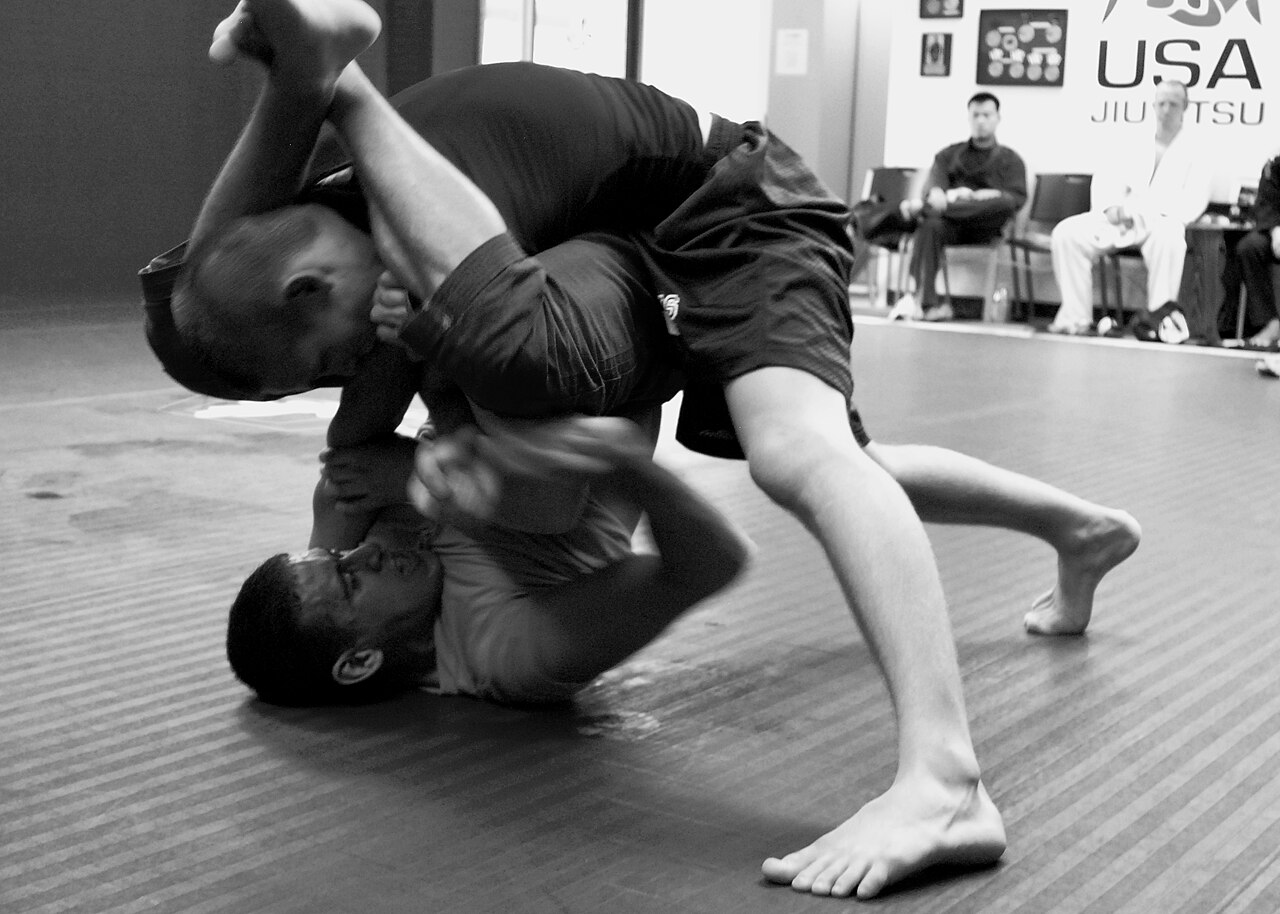
Rules matter if you compete. Both major federations have specific colour and fit requirements that disqualify entries every year.
IBJJF no-gi requirements:
- Rashguards must contain at least 10% of the athlete’s belt-rank colour.
- Black, white, or rank-coloured tops are accepted; alternative colours require organiser approval.
- Sleeves must reach at least to mid-bicep.
- Tight fit is required — loose MMA-cut tops are not permitted.
ADCC and most professional submission-only events run looser on colour, but still require a fitted no-gi top. No exposed metal, no zippers, and no oversized graphics that could rub or scratch the opponent. Some shows require a sponsor-approved kit — confirm before paying entry.
If you compete IBJJF regularly, owning at least one rank-coloured rashguard saves you scrambling for a replacement at weigh-in.
How to Make a Premium Rashguard Last Two Years
Rashguard lifespan depends almost entirely on washing habits, not training volume. The simple care routine below routinely doubles the lifespan of premium tops.
- Wash cold (30°C / 86°F max) — heat is the enemy of elastane.
- Turn inside out before washing; this protects the printed graphics.
- Skip fabric softener; it coats polyester fibres and reduces breathability.
- Air dry away from direct sun; UV destroys elastane faster than washing does.
- Never tumble dry on heat — this is the single biggest killer of rashguards.
Follow this routine and premium rashguards routinely last 18–24 months of three-times-a-week training. Cheap rashguards bought at $25 from generic Amazon stores typically fail at 4–6 months regardless of how well you wash them.
Watch: 2026 No-Gi Rashguard Field Test
What Pro Athletes Are Wearing in 2026
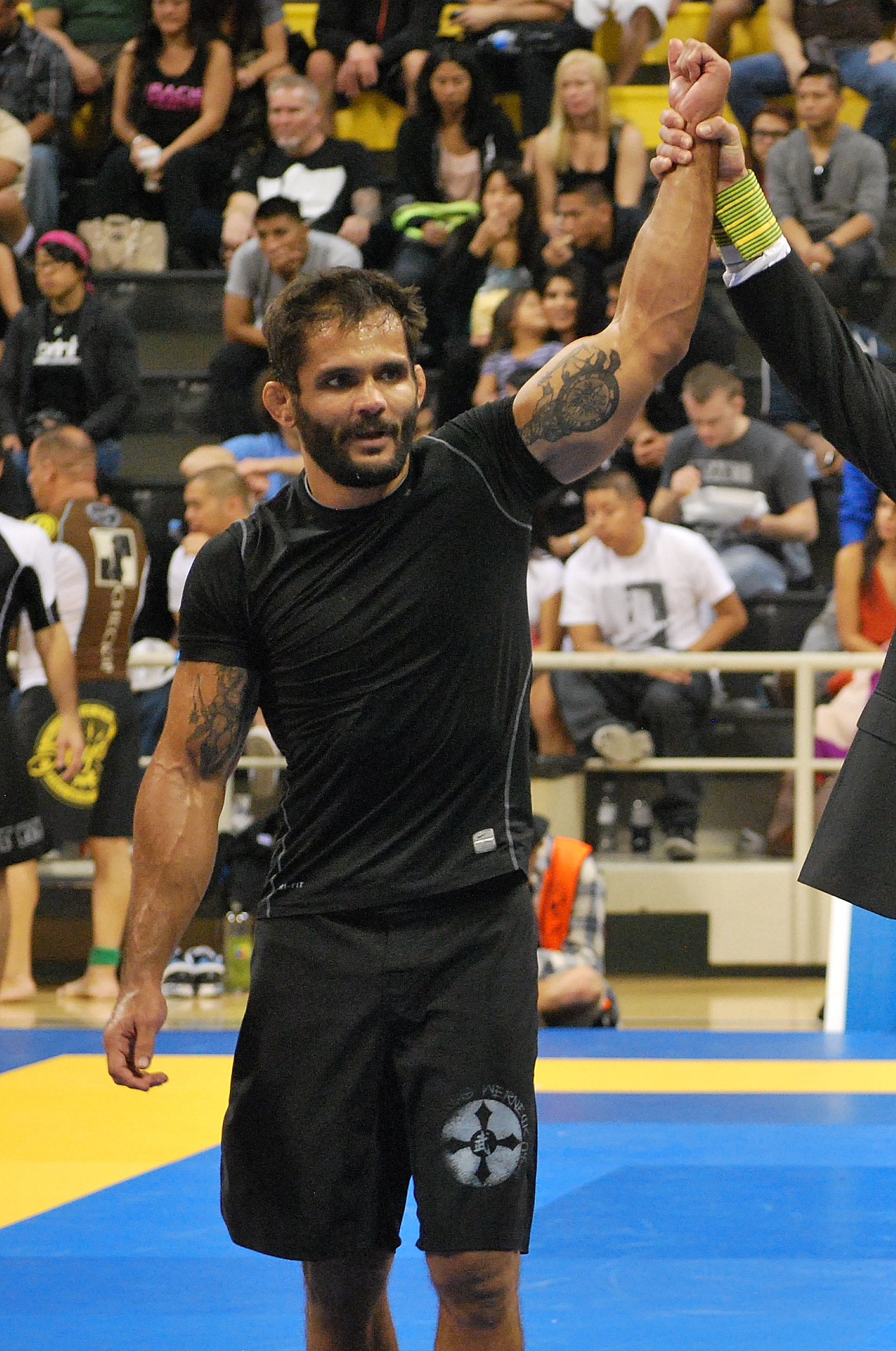
Tracking ADCC trials competitors and the Submission Underground roster across the first half of 2026, a few patterns are clear.
- Hyperfly and Shoyoroll dominate among Atos and B-Team athletes.
- Kingz remains popular with younger competitors transitioning out of gi-focused programs.
- Gordon Ryan-aligned athletes still favour their custom New Wave kits, though commercial availability remains limited.
- Sanabul’s surge through 2025 has plateaued at the budget tier; few elite athletes wear it for high-stakes matches but many keep it for daily training.
Common Mistakes When Buying a Grappling Rashguard
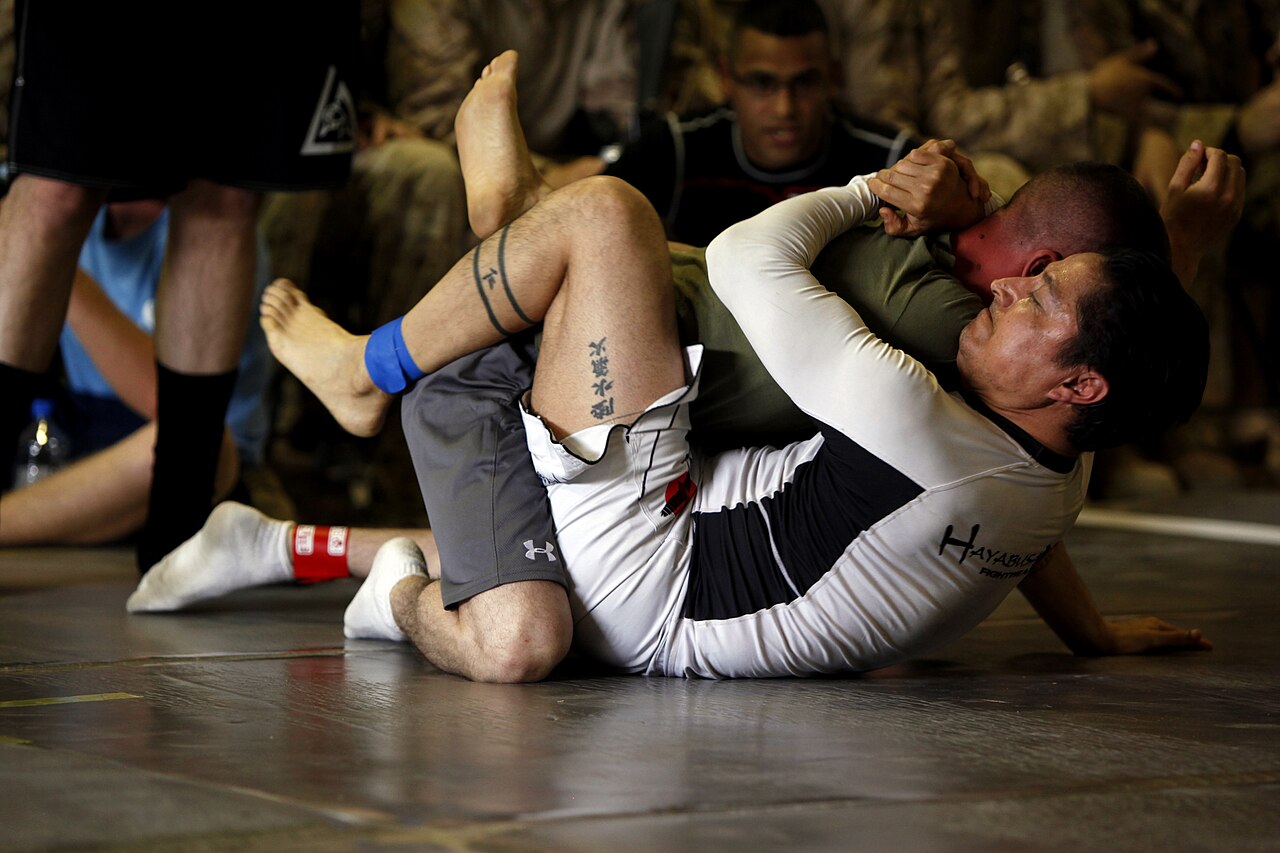
- Buying based on graphic, not fabric: sublimated graphics fade in months on cheap polyester.
- Ignoring sleeve length: short-sleeve in a cold gym leads to mat burn and shoulder tension; long-sleeve in tropical heat leads to overheating and rash.
- Skipping the size chart: brands run wildly differently. Shoyoroll runs slim, Tatami runs roomy, Hyperfly runs true.
- Confusing surf rashguards with grappling rashguards: surf cuts have looser armpits and shoulder seams that fail under live grappling tension.
Care, Lifespan, and When to Replace Your No-Gi Rashguard
A premium no-gi rashguard from any of the brands above will hold up to roughly 18 to 24 months of four-day-a-week training before the fabric tells you it’s done. The signs are predictable: pilling under the armpits where stress concentrates during underhooks, sublimation graphics that fade unevenly along the chest panel, and an elastic waist hem that no longer snaps back after a wash. None of these are warranty issues. They are the natural endpoint of a garment that gets crushed, stretched, and soaked in chlorine-treated tap water two hundred times a year.
Wash cold, hang dry, and you double the lifespan. Hot water breaks down the spandex blend that gives the fabric its compression. Dryer heat melts the polyester fibers and warps the seam tape. Skip fabric softener entirely — it coats the fibers and kills the moisture-wicking surface that keeps you dry during a long no-gi roll. Athletes who rotate four rashguards on a weekly cycle, instead of running the same two into the ground, see their gear last twice as long.
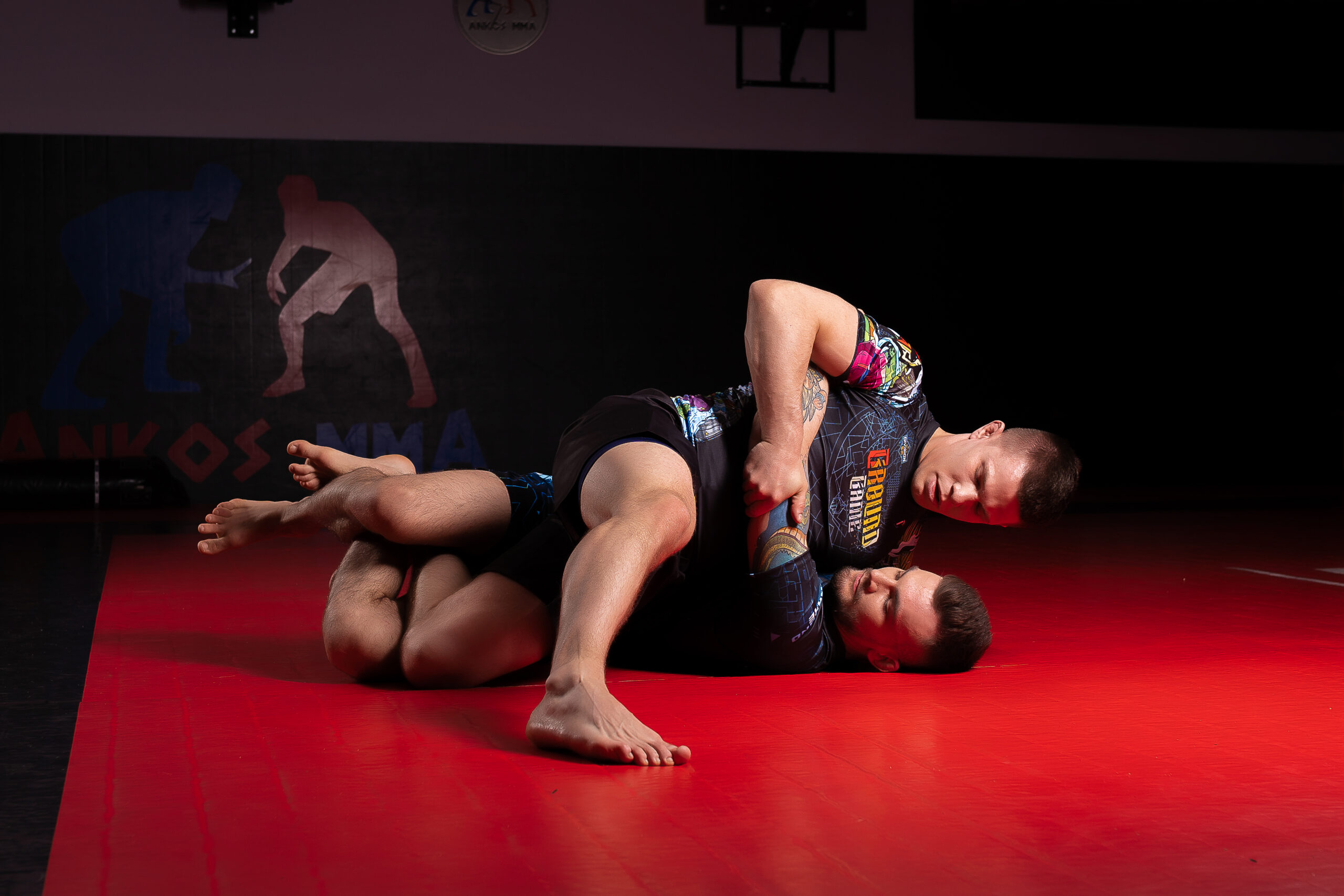
For tournament prep specifically, retire any rashguard that has visible thinning at the shoulder seams before competition day. IBJJF and ADCC both reserve the right to reject gear that looks worn through, and a referee call at weigh-in is the worst possible time to discover your gear failed inspection. Keep your newest rashguard in a sealed bag, washed once for fit, ready for tournament weekend only. The mat-burned veteran from open mats has no business on the competition floor.
The Verdict on the Best Rashguards for BJJ and Grappling 2026
For most no-gi BJJ and grappling athletes in 2026, the Hyperfly Procomp Supreme is the best balance of fabric, fit, durability, and price. Competition specialists should add a Shoyoroll Comp for tournament weekends. Athletes training in cold climates need a Kingz Crown for winter rolls. Anyone splitting time between MMA and no-gi grappling should look hard at the Tatami Nova Absolute.
The best rashguards for BJJ and grappling 2026 share one thing: they’re built for grappling specifically, by brands that test their gear on actual mats with actual athletes. Skip the surf-influenced fashion brands. Skip the unbranded Amazon listings. Pick gear that’s been on a podium this year.
Sources
- IBJJF Official Rules and No-Gi Uniform Requirements
- ADCC Submission Fighting World Federation
- FloGrappling — 2026 No-Gi Coverage
- Submission Underground
Browse our top-rated rashguards and no-gi gear at the RashguardGuy shop →