No Gi BJJ: Complete Guide to Training Without Kimono
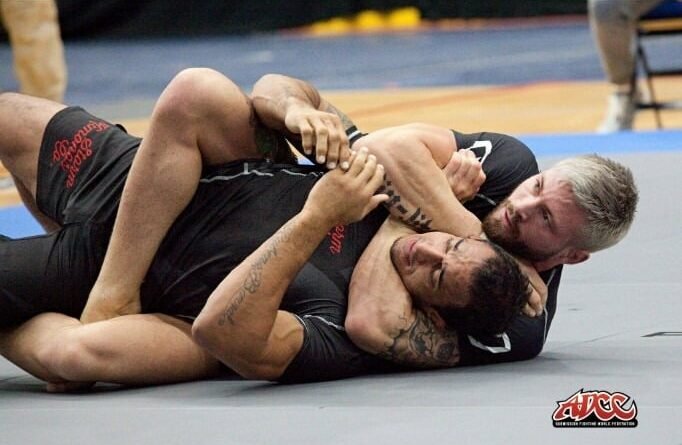
No gi BJJ has exploded in popularity over the past decade, transforming from a niche subset of Brazilian jiu-jitsu into one of the fastest-growing combat sports on the planet. Whether you train at a local academy or follow elite grapplers on social media, the shift toward submission grappling without the traditional kimono is impossible to ignore. Organizations like ADCC, the IBJJF No-Gi Worlds, and high-profile superfights have pushed no-gi jiu-jitsu into the mainstream, attracting fighters from MMA, wrestling, judo, and traditional BJJ backgrounds alike.
This guide breaks down everything you need to know about no-gi BJJ — from fundamental rule differences and gear requirements to grip fighting strategies, top competitors, and how to structure your training for maximum progress.
What Is No-Gi BJJ?
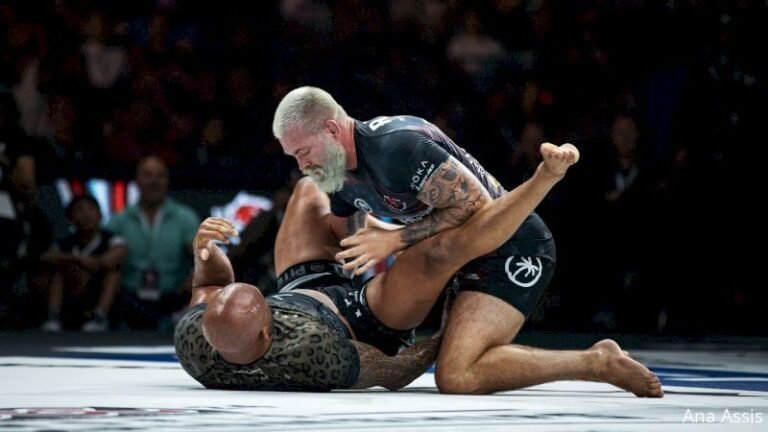
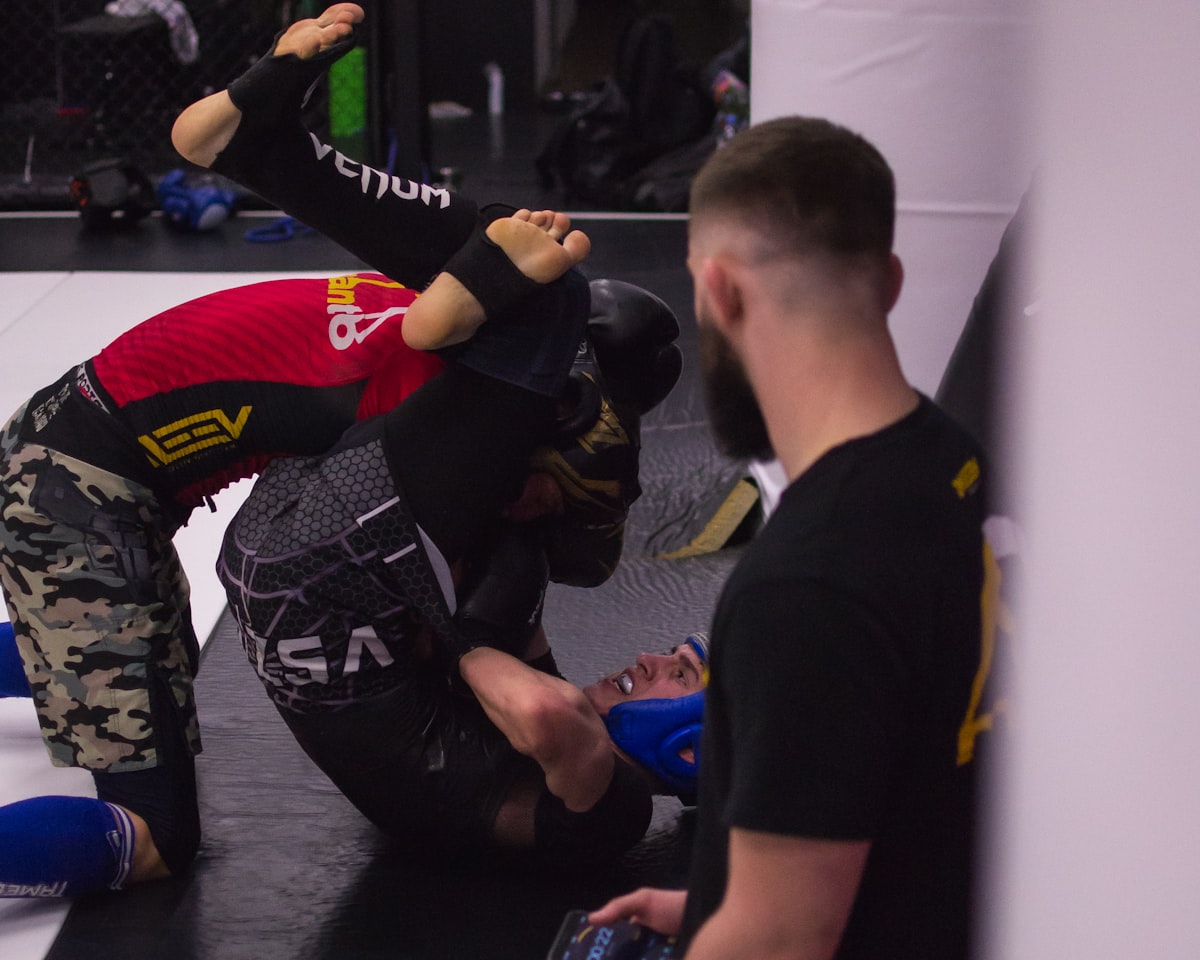
No-gi BJJ is a form of Brazilian jiu-jitsu performed without the traditional gi (kimono). Instead of the heavy cotton jacket, pants, and belt system used in gi training, no-gi practitioners wear rashguards, compression shorts or board shorts, and spats (compression tights). The absence of the gi fabric fundamentally changes the dynamics of grappling — grips shift from collar and sleeve control to underhooks, overhooks, wrist control, and body locks.
The roots of no-gi grappling stretch back to the early days of Brazilian jiu-jitsu, when the Gracie family regularly trained and fought without the kimono. However, no-gi BJJ truly began to carve its own identity in the late 1990s and early 2000s, fueled by the rise of mixed martial arts and the founding of organizations like the ADCC Submission Fighting World Championship.

Today, no-gi jiu-jitsu stands as a discipline in its own right, with dedicated rulesets, rankings, and a culture that emphasizes speed, athleticism, and technical innovation.
No-Gi vs Gi BJJ: The Core Differences
Understanding the distinction between gi and no-gi jiu-jitsu goes beyond just the uniform. The two disciplines have diverged significantly in strategy, technique, and competitive meta.
Grips and Control
In the gi, fighters rely heavily on gripping the lapel, collar, sleeves, and pants material. These grips create friction and slow the pace, enabling methodical guard passing, sweeps, and submissions like the cross-collar choke and loop choke. No-gi eliminates all of that. Without fabric to grab, athletes must rely on body-on-body contact — controlling wrists, using underhooks and overhooks, establishing seat-belt grips, and building frames with their forearms.
This difference alone changes the entire tempo of a match. No-gi rolls tend to be faster, more scramble-heavy, and more explosive. You cannot stall by gripping a collar and sitting back into guard the way you might in the gi.

Submissions
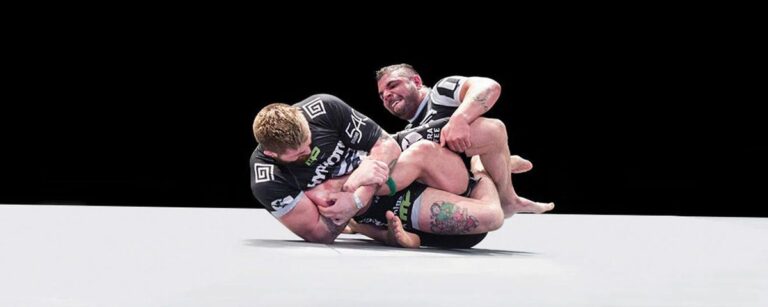
Certain submissions are unique to gi training — the ezekiel choke, baseball bat choke, and most collar-based attacks disappear without the kimono. No-gi jiu-jitsu gravitates toward guillotines, d’arce chokes, anaconda chokes, rear-naked chokes, leg locks (heel hooks, knee bars, toe holds), and arm triangles. The leg lock game, in particular, has become synonymous with modern no-gi BJJ, thanks in large part to the Danaher Death Squad’s systematic approach.
Guard Play
Guard systems differ substantially between the two disciplines. Gi players often favor spider guard, lasso guard, worm guard, and other lapel-based positions. No-gi athletes lean toward butterfly guard, half guard with underhooks, single-leg X guard, and the ashi garami leg entanglement system. Closed guard remains effective in both, though the attacks available from there shift dramatically.
Pace and Athleticism
No-gi matches typically move faster. The reduced friction from the absence of heavy cotton fabric means athletes can slip out of positions more easily. This places a premium on chain wrestling, scrambling ability, and cardiovascular conditioning. Many observers describe no-gi BJJ as a bridge between traditional jiu-jitsu and wrestling.

What to Wear for No-Gi BJJ Training
Gear selection in no-gi jiu-jitsu is straightforward, but choosing the right apparel matters for comfort, hygiene, and performance.
Rashguards
A quality rashguard is the foundation of your no-gi wardrobe — check out our complete guide to choosing the right rashguard for detailed recommendations. These tight-fitting compression tops protect your skin from mat burn, reduce the risk of skin infections like staph and ringworm, and wick away sweat during hard training. Look for rashguards made from a polyester-spandex blend with flatlock stitching. Both short-sleeve and long-sleeve options work — long sleeves offer more skin coverage and protection, while short sleeves provide better ventilation in hot academies.
Grappling Shorts and Board Shorts
No-gi shorts should fit snugly without restricting movement. Avoid shorts with pockets, zippers, or metal hardware that could scratch your training partners or catch on skin. Purpose-built grappling shorts (also called fight shorts) feature reinforced stitching, stretch fabric panels, and a secure waistband closure. Board shorts designed for combat sports work well too, as long as they lack any abrasive elements.

Spats (Compression Tights)
Spats serve the same function for your lower body that a rashguard does for your upper body. They protect against mat burn on the knees and shins, minimize skin-to-skin contact (reducing infection risk), and provide light compression that some athletes find supports muscle recovery. Many grapplers wear spats under their grappling shorts for full coverage.
Additional Gear
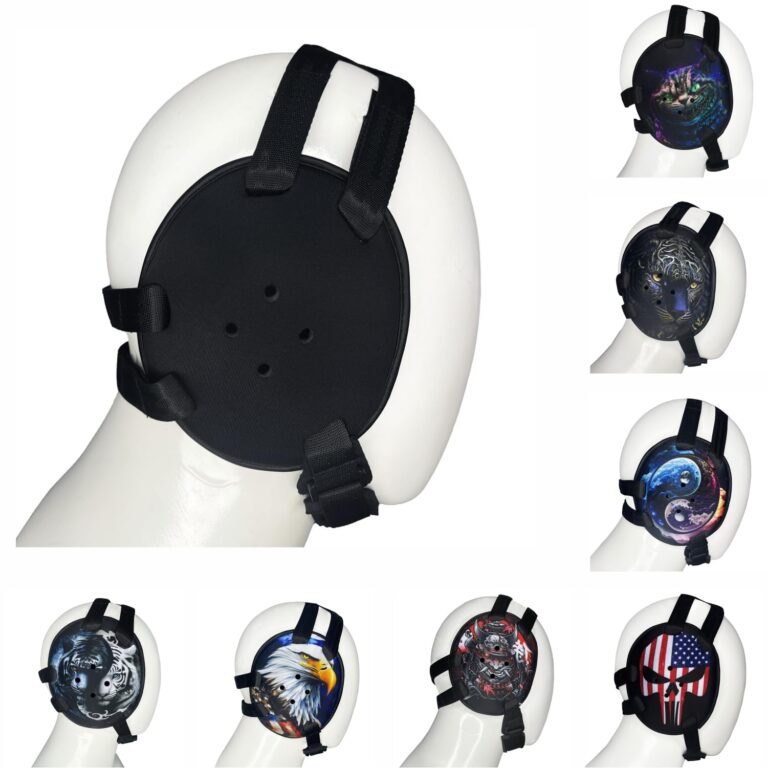
Mouth guards are highly recommended, especially if you roll hard or compete. Ear guards help prevent cauliflower ear, which is common among grapplers. Knee pads offer extra protection during guard retention and wrestling-heavy sessions. And of course, always bring a clean towel, flip-flops for walking off the mat, and antifungal soap for post-training showers.
ADCC and the Rise of Professional No-Gi Grappling
No discussion of no-gi BJJ is complete without covering the Abu Dhabi Combat Club Submission Fighting World Championship — better known as ADCC. Founded in 1998 by Sheikh Tahnoon Bin Zayed Al Nahyan of Abu Dhabi, ADCC is widely regarded as the most prestigious no-gi grappling tournament in the world. It runs on a biennial cycle, with athletes qualifying through continental trials or receiving invitations based on competitive merit.

ADCC rules are unique — points are only scored in the second half of each match, encouraging athletes to hunt for submissions during the first half. Heel hooks and most leg locks are legal at all levels, which has driven the evolution of lower body attack systems across the sport. The ruleset rewards action, penalizes stalling, and consistently produces some of the most exciting matches in grappling.
Beyond ADCC, other major no-gi organizations and events have shaped the landscape. The IBJJF No-Gi World Championships apply a more traditional points-based system, while events like the Craig Jones Invitational (CJI), Who’s Number One (WNO), and Polaris have created pro-level platforms for elite grapplers to compete for significant prize money.
Top No-Gi BJJ Competitors to Watch
The no-gi scene boasts some of the most dynamic and polarizing athletes in combat sports. Here are the names driving the sport forward right now.
Gordon Ryan is widely considered the greatest no-gi grappler of all time. A multiple-time ADCC champion in both his weight class and the absolute division, Ryan’s game revolves around systematic body lock passing, devastating mount attacks, and an iron-clad defensive game. Trained under John Danaher, he brought a level of systematization to jiu-jitsu that changed how the entire sport approaches technique.
Nicky Rodriguez (Nicky Rod) burst onto the scene at ADCC 2019 with only two years of jiu-jitsu training, defeating established veterans with wrestling-heavy attacks and raw athleticism. He has since become one of the most dangerous super-heavyweight competitors in the world.

Giancarlo Bodoni has emerged as one of the most well-rounded competitors, with ADCC gold medal performances that showcase elite wrestling, pressure passing, and a dangerous submission game from top position.
Ffion Davies represents the cutting edge of women’s no-gi grappling. The Welsh competitor has won ADCC gold and consistently beats opponents with sharp technique, aggressive guard play, and a relentless competitive drive.
Other athletes worth following include Mica Galvão, a young Brazilian prodigy with exceptional guard work; Kade Ruotolo, who won ADCC gold at just 19 years old; Beatriz Mesquita, a dominant force in both gi and no-gi; and Craig Jones, the Australian leg lock specialist and founder of CJI.
How to Structure Your No-Gi BJJ Training
Whether you are transitioning from gi training or starting jiu-jitsu for the first time, building a strong no-gi game requires a structured approach.
Prioritize Wrestling and Takedowns
No-gi jiu-jitsu starts on the feet. Without gi grips to pull guard safely, you need competent wrestling. Focus on single legs, double legs, snap-downs, and front headlock entries. Drilling basic wrestling tie-ups like collar ties, underhooks, and two-on-one control will immediately improve your standing game.

Build a Leg Lock Game
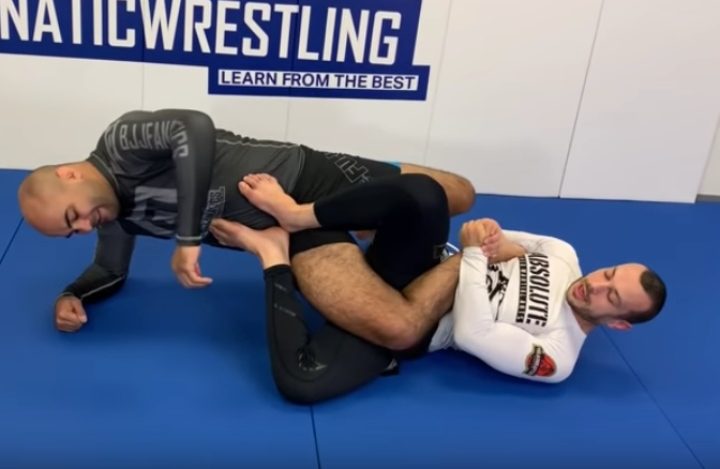
Leg locks are the defining weapon system of modern no-gi BJJ. Start by understanding the ashi garami positions — single leg X (SLX), outside ashi, 50/50, and inside sankaku (411/honey hole). Learn the straight ankle lock first, then progress to heel hooks (both inside and outside) as your control improves. The key to leg locks is not just the finish — it is the ability to enter, control, and transition between entanglements.
Develop Your Back Attack System
Taking the back and finishing with a rear-naked choke remains the highest-percentage path to victory in no-gi. Work on seat-belt control, body triangle positioning, and multiple choke variations from the back. Practice entries to the back from front headlock, turtle attacks, and guard passing sequences.
Drill Escapes and Scrambles
Because no-gi is slippery, scrambles happen constantly. Invest time in escaping side control, recovering guard, standing up from bottom, and chain wrestling from bad positions. The ability to turn a bad position into a neutral one — or better yet, a dominant one — separates competitive grapplers from hobbyists.
Roll with Purpose
Structured sparring beats aimless rolling every time. Dedicate rounds to specific positions — start in 50/50 and work your leg lock entries, or begin in bottom half guard and practice your sweeps. Positional sparring builds skills faster than free rolling alone.
No-Gi BJJ for Self-Defense and MMA
One of the strongest arguments for no-gi training is its direct applicability to real-world self-defense and mixed martial arts. In a street confrontation, nobody is wearing a gi. The grips, controls, and positions used in no-gi grappling translate almost perfectly to a scenario where your opponent wears a t-shirt, hoodie, or nothing at all.

For MMA fighters, no-gi BJJ is essential. Every successful UFC fighter with a grappling base — from Demian Maia to Charles Oliveira to Islam Makhachev — trains no-gi submission grappling extensively. The ability to control an opponent on the ground, advance position, and threaten submissions without relying on fabric grips is fundamental to cage fighting.
Watch: Gordon Ryan Career Jiu-Jitsu Highlight
Getting Started with No-Gi BJJ
If you have been training in the gi exclusively and want to explore no-gi, the transition is easier than you think. Start by attending no-gi classes at your academy (most schools offer both). Invest in a few quality rashguards and a pair of grappling shorts — our Best BJJ Rashguards 2026 | Tested and Ranked for Training and Competition guide has everything you need to get started. Be prepared for a faster pace, more wrestling, and a learning curve with grips and control that feels unfamiliar at first.
If you are brand new to jiu-jitsu, no-gi is a fantastic entry point. The gear is affordable, the learning curve is intuitive for people with any athletic background, and the skills you develop transfer directly to self-defense and MMA.
Find a reputable academy with experienced no-gi instructors, show up consistently, and trust the process. The mat will teach you everything else.
Browse our top-rated rashguards and no-gi gear at the RashguardGuy shop →
Shop on Amazon
BJJ Gi on Amazon →
As an Amazon Associate we earn from qualifying purchases.