Best Rashguards for BJJ and Grappling in 2026: What Sponsorship Deals Reveal
Every ADCC and PGF broadcast now doubles as a gear commercial. Cameras linger on the athlete walkout, sponsors’ logos stitched across the chest, and within hours the same rashguard is sold out on three continents. That shift — from unbranded compression shirt to walking billboard — has quietly rewritten who actually designs the rashguards elite no-gi grapplers wear, and it has consequences for anyone shopping for one in 2026. The best rashguards for BJJ and grappling this year aren’t necessarily the ones with the flashiest marketing copy. They’re the ones that survived a five-match day without the seams giving out, because a torn rashguard at regionals is embarrassing and a torn rashguard on the ADCC stream is a brand crisis.
The Rashguard Stopped Being an Afterthought
For most of grappling’s history, the rashguard was equipment, not gear. It kept mat funk off the skin, prevented forearm burns during scrambles, and that was the extent of the design brief. What changed it was money. As ADCC and the Professional Grappling Federation (PGF) built real broadcast audiences, apparel brands realized a rashguard is one of the only pieces of a grappler’s kit that’s visible for the entire match — unlike a belt or gi that gi-based promotions ban outright from no-gi divisions. A logo on a rashguard gets more screen time in one ADCC superfight than most sponsorships get in a year of gym photos.
That visibility turned rashguard design into a competitive category of its own, with brands racing to sign the athletes most likely to end up on a podium or a highlight reel.
Sponsorship Money Changed Who Designs What You Wear
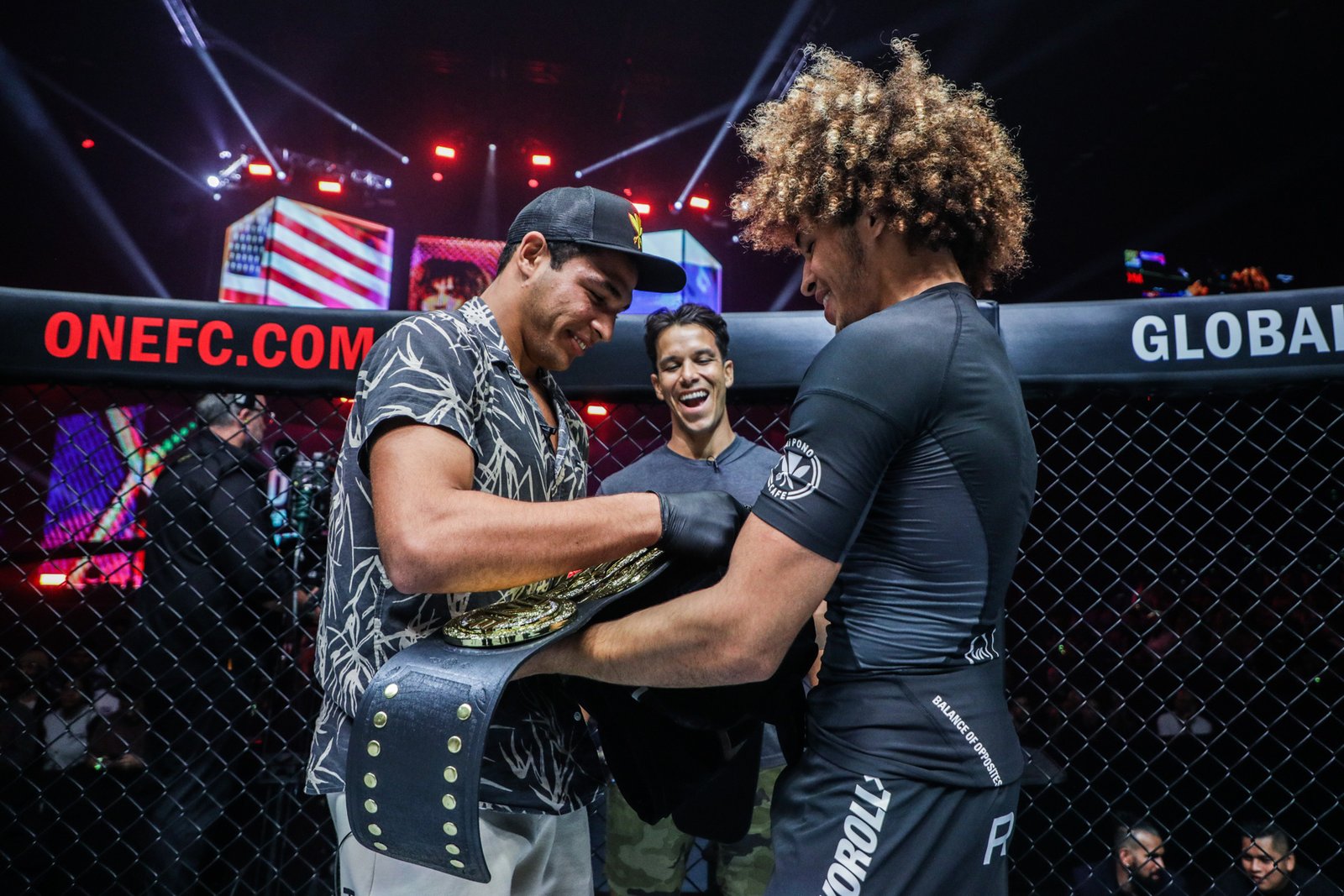
The clearest example is Gordon Ryan and the wider B-Team roster. When B-Team athletes compete, they’re rarely wearing a shirt from a faceless overseas manufacturer — they’re wearing gear tied to a brand built around their own following, tested in-house before it ever ships to a customer. The same pattern shows up with Kade Ruotolo and Tye Ruotolo, whose apparel deals put their own competition feedback directly into the next production run. When a fold in the fabric bunches up during a leg entanglement, that note goes to a designer, not into a customer-service inbox that never reaches anyone who makes decisions.
This is a real shift from a decade ago, when almost every rashguard on the market came from the same handful of overseas cut-and-sew factories with cosmetic branding slapped on top. Athlete-informed design means the rashguards worn by the top of the sport are functionally different products from what’s sold to the general public under the same brand name, and that gap is exactly what a smart buyer should be paying attention to.
It also explains why the biggest rashguard brands in the space now run something closer to a product lab than a print shop. Prototypes get tested in the room months before a competition cycle, not just approved from a swatch. A cut that looks fine on a mannequin can bind badly across the shoulders during a kimura grip, and the only way to catch that is to have someone who actually competes put it through a live round before it ever reaches a factory order.
What Happens When a Brand’s Rashguard Fails on the Biggest Stage
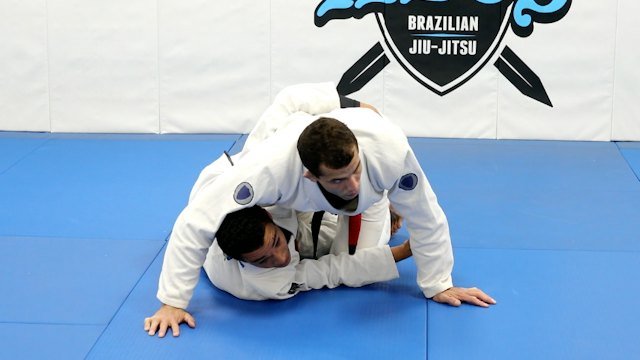
Gear failure is rare on camera, but when it happens it happens in the worst possible spot — mid-scramble, under a live feed, with no equipment timeout available in most no-gi rule sets. A seam that splits during a scramble at ADCC or PGF isn’t a minor wardrobe issue; it becomes a talking point on every grappling podcast that week, and it tells you more about a brand’s actual quality control than any product description ever will.
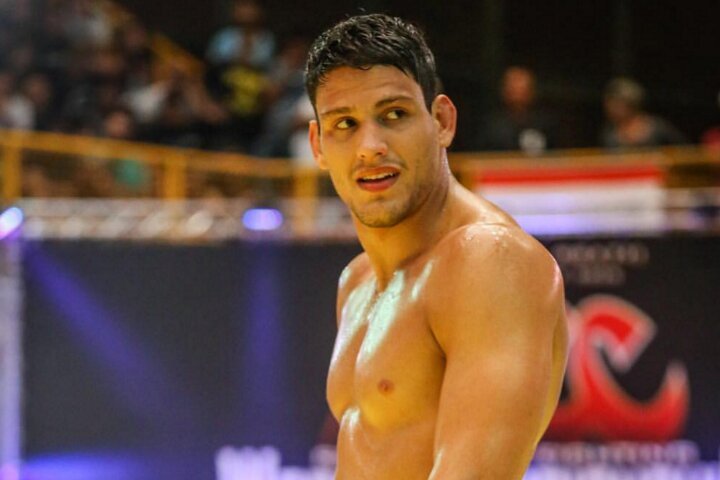
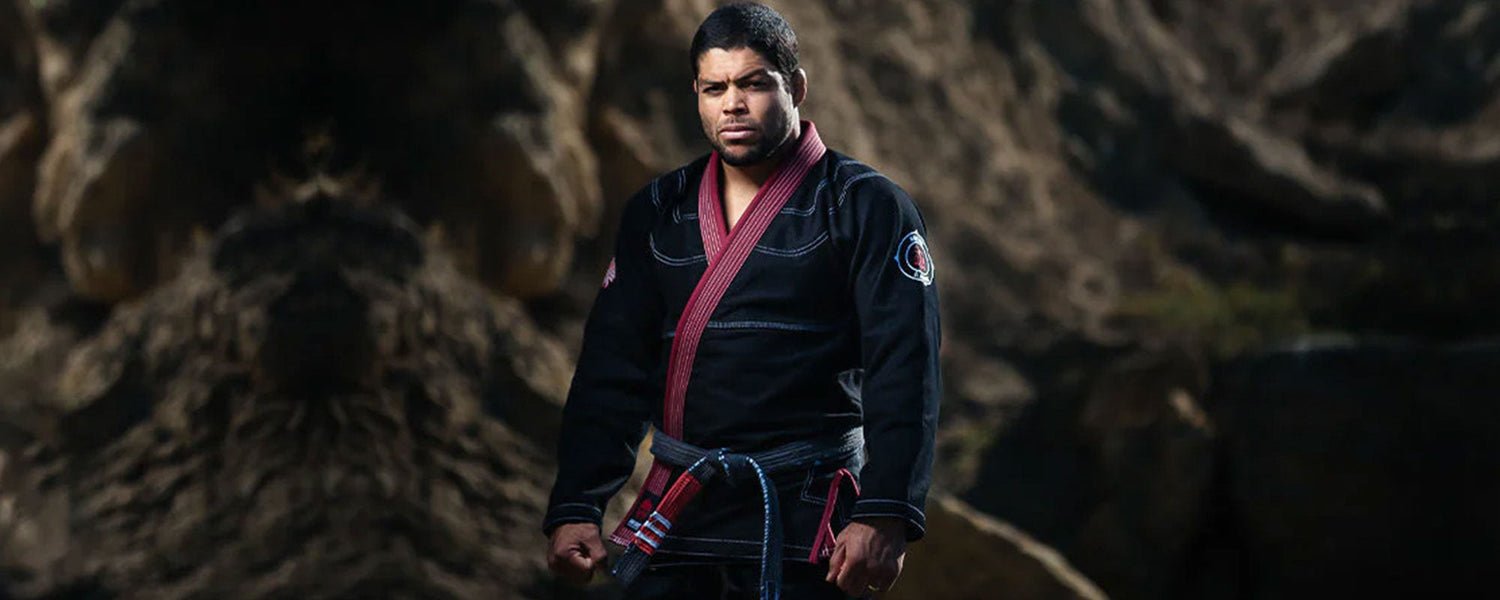
Competitors like Felipe Pena and Andre Galvao, both of whom have logged enormous mat time across ADCC cycles, have talked openly about switching sponsors after gear didn’t hold up to the pace of a full tournament day. That kind of athlete churn is a better quality signal than a star rating on a retail site, because these are people whose livelihood depends on the gear not failing them in front of a crowd.
The Metrics That Actually Separate Tournament Gear From Gym Gear
Talk to competitors who cut weight for divisions and the priorities are narrower than most marketing copy suggests. It comes down to three things: whether the compression holds its shape after repeated washing between matches on a multi-day tournament, whether the flatlock seams stay flat under grip pressure instead of rolling and chafing, and whether the fabric sheds sweat fast enough that a second match doesn’t start in a soaked shirt.
None of that shows up in a product photo. It shows up after the fourth match of the day, which is exactly why athlete feedback loops matter more in this category than they do in most apparel. A shirt that looks identical to a competitor’s sponsored gear in a catalog photo can behave completely differently by the third round of a superfight card.
Fit Matters More in No-Gi Than the Gi Ever Demanded
Because there’s no fabric layer to grip in no-gi, a loose rashguard becomes something an opponent can bunch and control almost like a collar. Competitors at the PGF level tend to size down from what feels comfortable standing in a store, favoring a genuinely tight compression fit that gives an opponent nothing to grab during scrambles. That’s a fit philosophy most recreational buyers get backwards, sizing for comfort on the walk to the gym rather than performance on the mat.
There’s also a durability question that rarely gets discussed outside competitor circles: how a rashguard holds up to the wash cycle a tournament weekend demands. A shirt might survive one hard roll fine and still degrade badly after being hand-washed and re-worn four times in two days, which is exactly the schedule a double-elimination bracket forces on anyone fighting more than once. Brands that skip real-world wash testing often ship a product that performs great in a single demo video and falls apart by day two of an actual event.
How the Podium Trickles Down to What You Should Actually Buy
The practical upside of all this sponsorship money is that it’s a genuine research and development pipeline, and most of it eventually reaches retail. When a brand fixes a seam problem after a Nicky Ryan or a Tye Ruotolo flags it in training, that fix ships in the next public production run, not just the athlete’s personal kit forever. That means the smartest way to shop in 2026 isn’t chasing the loudest marketing claim — it’s looking at which brands’ sponsored athletes are still wearing the same gear a full season later instead of quietly switching sponsors.
Brand loyalty that survives more than one tournament cycle is a stronger buying signal than any fabric-technology buzzword on a hangtag. If a competitor who depends on the gear for their income keeps re-signing with the same company, that’s a brand betting its own athletes’ comfort on the product holding up.
Reading Past the Marketing Claims
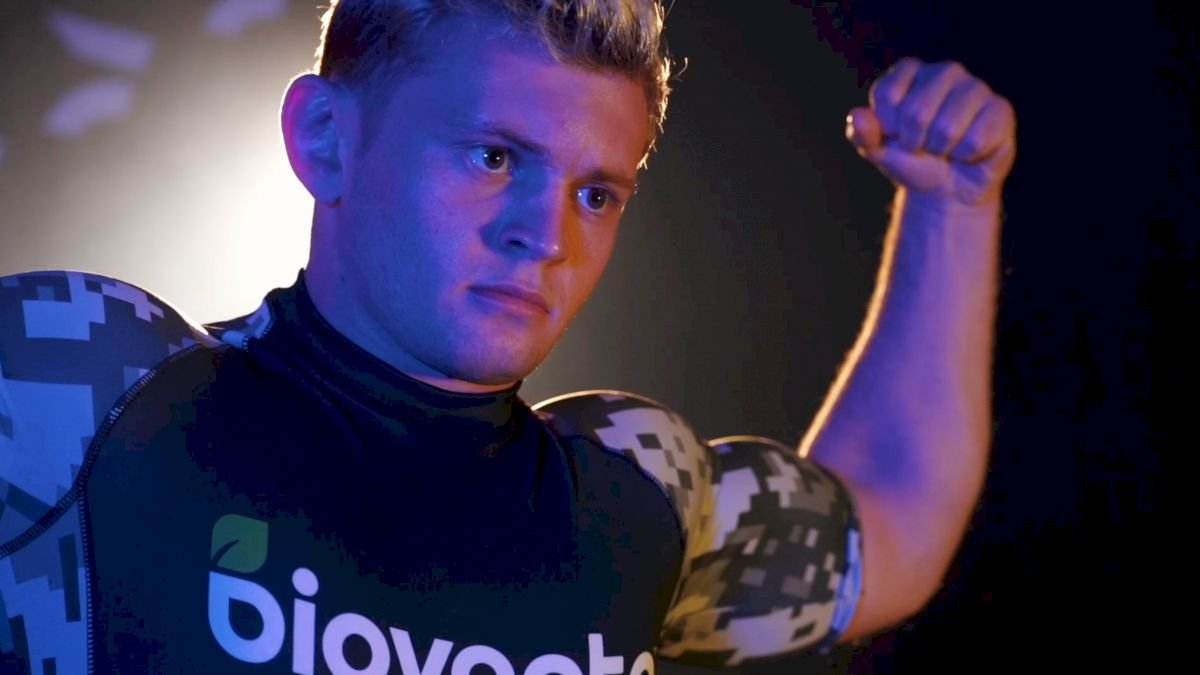
Every rashguard brand now claims “compression engineering” and “moisture-wicking technology” because those phrases sell, not because they’re differentiators anymore — they’re table stakes. The gap between brands in 2026 shows up in the details that don’t fit neatly on a product page: how the fabric performs on match five compared to match one, whether the print on a sublimated design cracks after a season of washing, and whether the size chart matches how the shirt actually behaves once an opponent is pulling on it.
The most reliable way to cut through that noise is still the oldest one: watch what the athletes who don’t get free gear are buying with their own money once their sponsorship ends. That’s the rashguard market’s version of a blind taste test, and it tends to point toward a handful of brands that have earned their reputation match by match rather than ad campaign by ad campaign.

What This Means Heading Into the Next Tournament Cycle
As ADCC and PGF continue to grow their broadcast reach, expect the sponsorship arms race to accelerate rather than slow down. More money flowing into athlete-designed gear is good news for anyone buying a rashguard off the rack, because the same feedback loops that keep a sponsored competitor’s gear from failing on camera eventually improve the product everyone else can order. The best rashguards for BJJ and grappling in 2026 are the byproduct of that pressure — shirts tested under conditions most buyers will never actually face, but that make the gear better for everyone who does step on a competition mat.
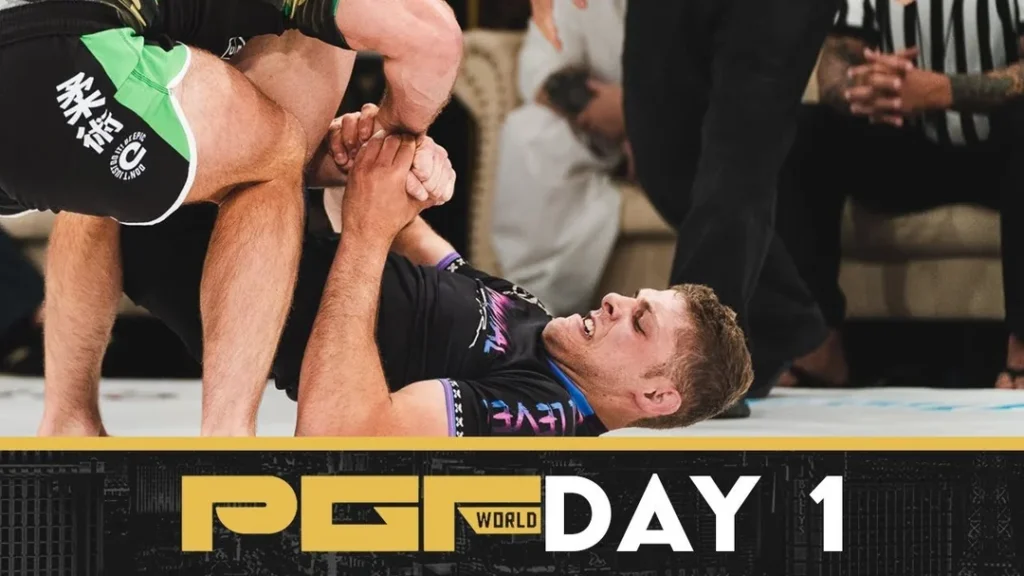
Shopping for a rashguard doesn’t require insider access to a sponsorship deal. It just requires the same skepticism a good grappler brings to a new position: test it before you trust it, and pay closer attention to what survives a hard roll than what looks good in a photo.
Sources
- ADCC Submission Wrestling World Championship — Wikipedia
- Brazilian Jiu-Jitsu — Wikipedia
- FloGrappling
- Shop no-gi rashguards on Amazon