No-Gi Ear Guards: Why Most Grapplers Quit Wearing Them
Walk into any no-gi gym on a Tuesday night and you’ll see the same pattern. A handful of white belts show up wearing brand-new ear guards, straps still stiff from the packaging. By the third or fourth week, half of those guards have disappeared from the gym bag entirely. Nobody decided to stop wearing them. They just quietly stopped, one skipped session at a time, until the habit was gone. This isn’t a story about bad gear. It’s a story about why protective habits collapse under the specific pressures of a no-gi room, and what actually keeps them alive past the first month.
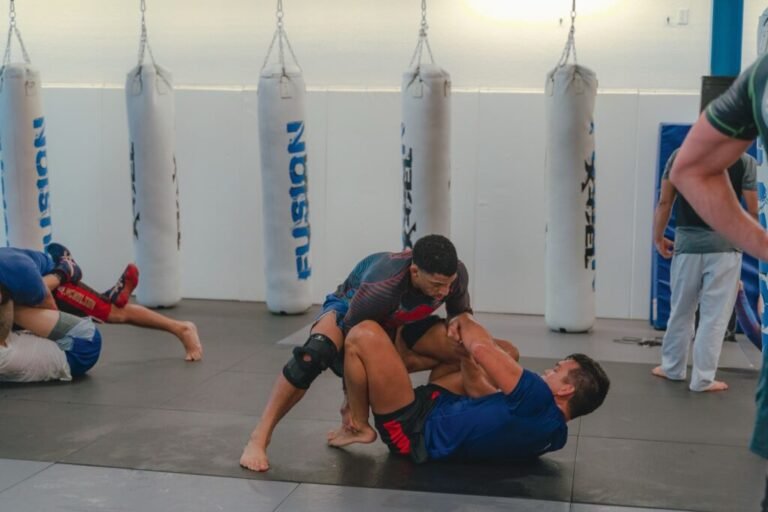
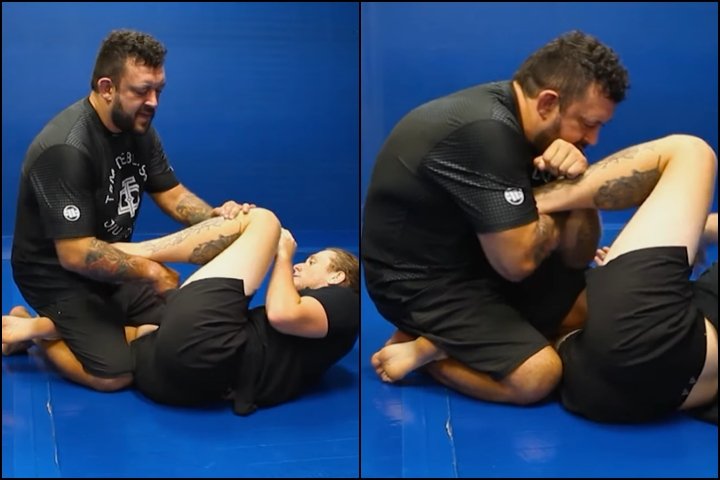
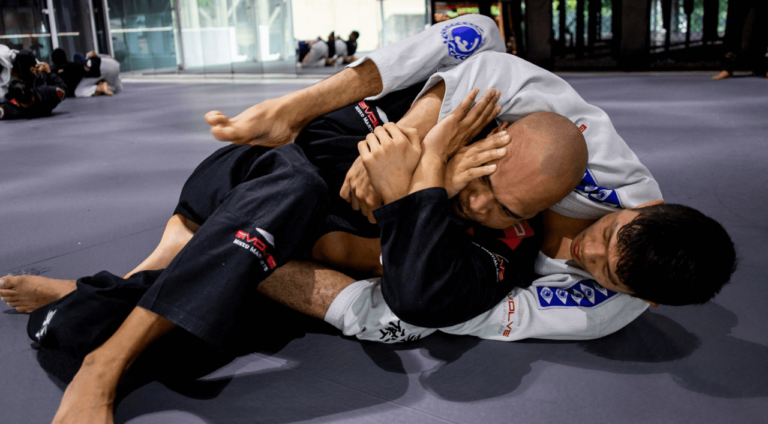
It matters more in no-gi than it does in the gi. Without a collar and sleeves to grip, no-gi grapplers spend a disproportionate amount of time in head-and-arm control, chest-to-chest pressure, and scrambles where the ear gets pinned directly against a forearm, mat, or an opponent’s skull. The friction that causes cauliflower ear isn’t rare in this style of grappling. It’s baked into nearly every dominant position. That makes the three-week drop-off a bigger problem here than in almost any other combat sport.
The Predictable Three-Week Drop-Off
Ask any coach who has run a no-gi program for more than a few years and they’ll describe the same curve without needing data to back it up. New students buy ear guards after an orientation talk, a scary photo, or a training partner’s swollen ear. Compliance is high in week one. By week three, it thins out. By month two, only the students who already have visible cauliflower damage, or who got burned once and don’t want it again, are still reaching for the guard before warm-ups.
That curve matters because cauliflower ear doesn’t happen on day one. It happens from repeated, low-grade friction and pressure on the ear cartilage over months of rolling. A guard that gets worn for three weeks and then abandoned protects almost nothing, because the cumulative damage that causes the deformity happens in exactly the stretch of training most guards get skipped.
What’s Actually Driving the Drop-Off
The reasons students give for ditching their ear guards sound like excuses, but they map onto real, fixable friction points in how the gear is introduced and used.
The Straps Feel Wrong for the First Ten Rolls
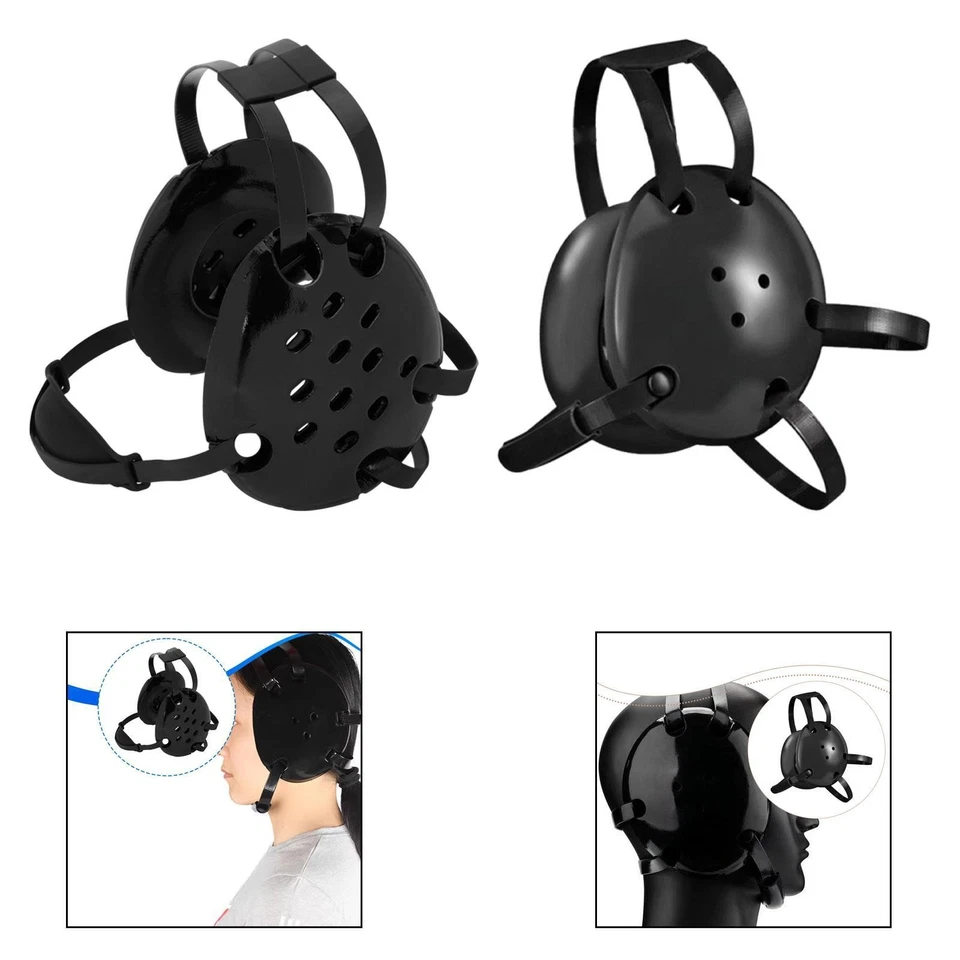
A new ear guard is stiff. The chin strap digs in, the ear cups pinch before they’ve broken in, and vision at the periphery feels slightly off during scrambles. None of that is dangerous, but it’s uncomfortable enough that a tired student, thirty seconds before a live round, will talk themselves out of putting it on. The discomfort is temporary and disappears after the padding compresses to the shape of the athlete’s head, but most people quit before they get there.
Nobody Else in the Room Is Wearing One
Protective gear compliance is social before it’s rational. In gyms where one or two upper belts wear ear guards every single class without exception, new students copy that behavior without being told to. In gyms where the guard is treated as optional gear for beginners only, it gets coded as a “new guy” signal, and nobody wants to be the only one wearing it once they’ve been training for six months. This single dynamic predicts long-term compliance better than any lecture on cartilage damage.
“I Already Have Some Damage, So What’s the Point”
Once an ear starts to thicken slightly, a lot of grapplers assume the window for prevention has closed and stop bothering with a guard altogether. That reasoning skips over the fact that cauliflower ear is a spectrum, not a binary. Early-stage thickening can still be managed and kept from progressing into the full, permanently calcified deformity if pressure and friction stop being applied. Giving up on protection at the first sign of change is exactly the point where a guard does the most good, not the least.
Fixing the Fit Problem Before Anything Else
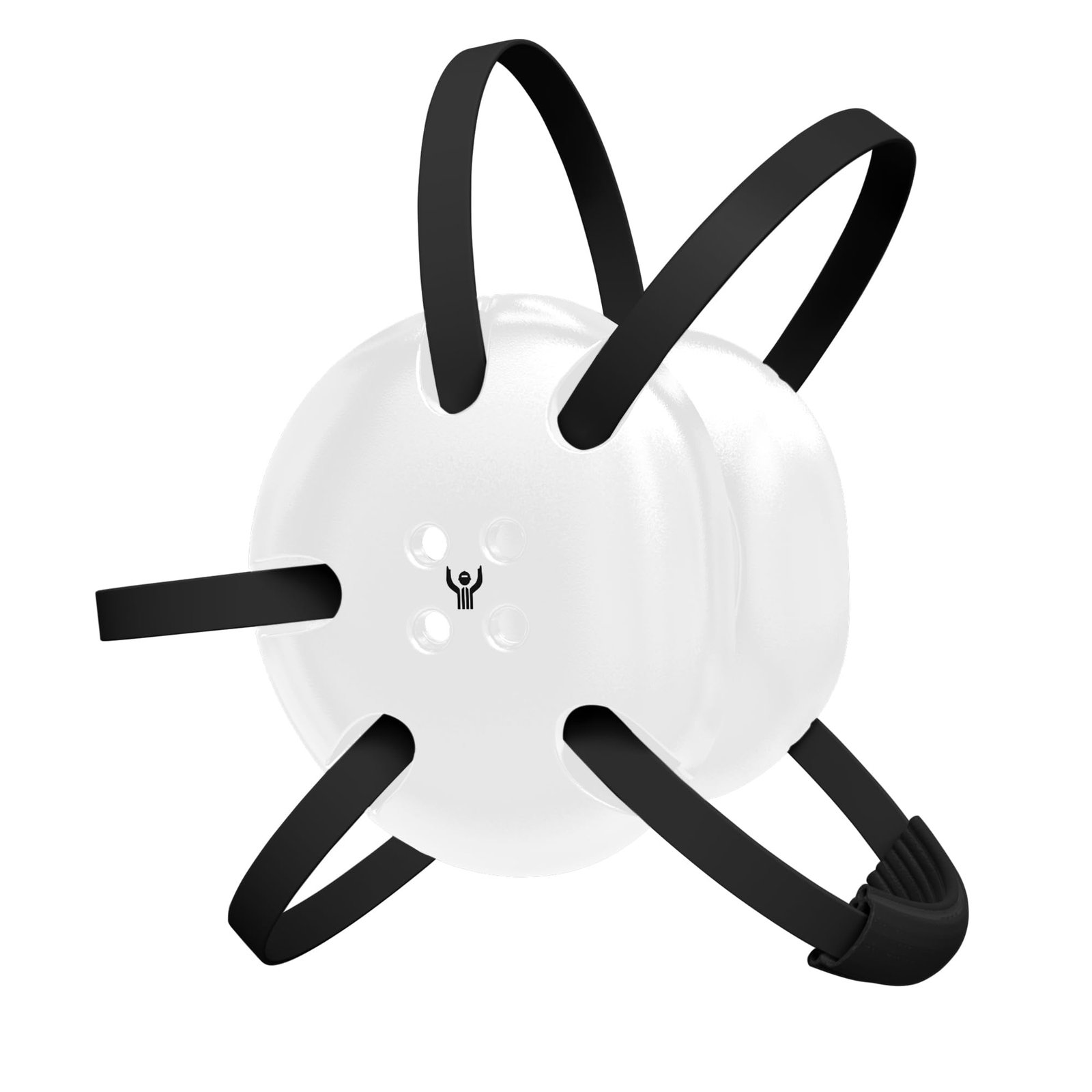
Most of the “it just doesn’t feel right” complaints trace back to sizing, not the concept of wearing ear protection at all. A guard that’s slightly too large will shift during scrambles and need constant readjustment, which is its own kind of annoying enough to make someone stop wearing it. A guard that’s too tight creates the pinching sensation that gets blamed on the whole product category. Trying a guard on with the chin strap adjusted, then doing a few minutes of live movement, drilling shots and shrimping, before deciding it doesn’t work, solves more compliance problems than any amount of encouragement from a coach.
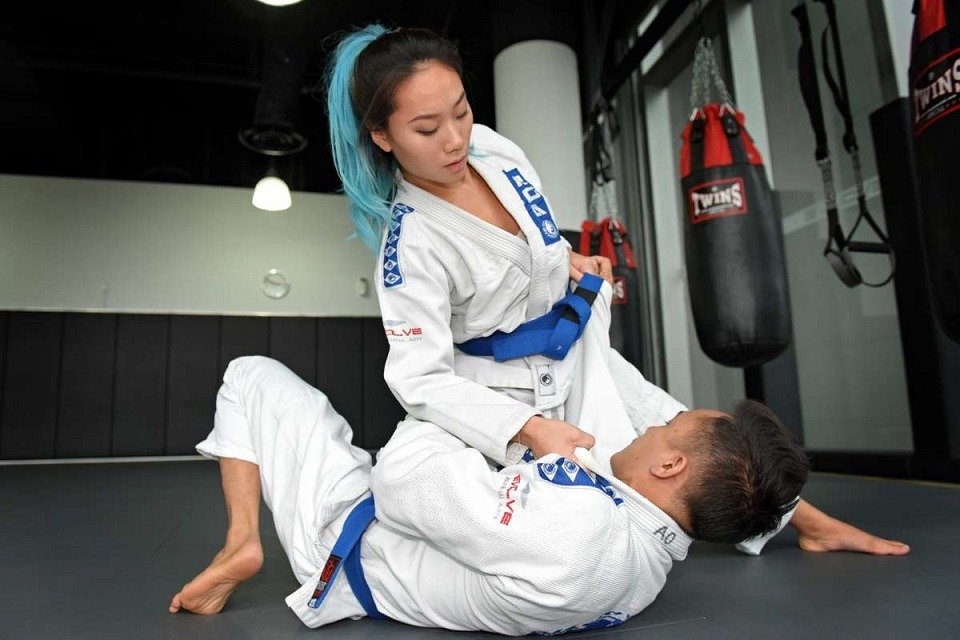
Break-in time matters too. Treating the first two weeks of ownership as a deliberate adjustment period, rather than a final verdict on the product, changes the outcome for a lot of athletes who would otherwise throw the guard in a bag and forget about it. Wearing it during warm-ups and light positional rounds before committing to it in hard live rolling lets the padding conform and the strap tension find its actual working position.
Building the Habit Into the Warm-Up, Not the Roll
The students who keep wearing ear guards past the first month almost never think of the decision as happening at roll time. They put the guard on with their warm-up gear, at the start of class, before drilling even begins. By the time live rounds start, the guard is already on and already forgotten about, the same way a mouthguard gets forgotten about once it’s in. The students who lose the habit are the ones making the decision fresh every single round, which means every single round is a chance to talk themselves out of it.
Anchoring the guard to a fixed point in the class routine, rather than to a specific drill or round, removes the decision fatigue that kills most protective habits over a training career. It’s the same principle that keeps a driver clicking a seatbelt automatically instead of weighing the odds of a crash every time they start the car.
What Coaches and Teams Actually Do Differently
Programs with genuinely high long-term ear guard compliance tend to share a small number of traits, and none of them involve mandatory rules. Upper belts and instructors wearing guards visibly and consistently does more than any policy. Keeping a small stock of loaner guards on hand for students whose gear is drying out or forgotten removes the “I didn’t bring it” excuse that quietly becomes permanent. And treating the guard as standard warm-up equipment, alongside a mouthguard, rather than as optional protective gear reserved for people who are already injured, resets the social signal entirely.
None of this requires new equipment or a bigger budget. It requires treating the first month of ownership as the actual test of whether a guard works, instead of judging it after two uncomfortable sessions and never touching it again.
Why Tracking the Habit Beats Trusting Memory
Athletes who lift weights or run mileage almost always log their sessions somewhere, even informally. Almost nobody logs whether they wore their ear guard. That gap matters, because memory is a bad judge of consistency. A grappler asked whether they wore their guard “most of the time” last month will almost always overestimate, because the sessions where they wore it feel unremarkable and forgettable, while the sessions where they forgot it stand out just as little. Without a record, the drop-off is invisible until the ear has already started to change shape.
A simple fix that several coaches have landed on independently is pairing ear guard compliance with something the athlete already tracks, like a training log or class attendance app. A single checkbox next to each logged session, “guard: yes or no,” takes seconds and turns a vague impression into an honest number. Seeing that number drop from ninety percent to forty percent over two months is a far more effective wake-up call than any warning about cartilage damage, because it’s the athlete’s own behavior reflected back at them instead of a hypothetical risk.
The Cost of Skipping “Just One Session”
The damage that produces cauliflower ear is cumulative, which is exactly why skipping the guard feels harmless in the moment. No single hard scramble, no single day of forgetting the bag at home, causes visible deformity on its own. It’s the accumulation of dozens of those small, individually harmless decisions across a training year that produces the outcome grapplers are trying to avoid in the first place. The guard that sits in a locker for three months after an enthusiastic first week protects nobody. The one that goes on automatically with the rest of the warm-up gear, week after week, is the one that actually changes the outcome.
For grapplers who train no-gi regularly, the honest question isn’t whether an ear guard works. The engineering behind modern shells and strap systems is well understood at this point. The real question is whether the habit of putting it on survives past the point where it stops feeling new, because that’s the only point at which it starts doing its job.
Sources
- Wikipedia: Cauliflower Ear
- National Center for Biotechnology Information (NCBI)
- USA Wrestling
- Shop no-gi ear guards on Amazon