What’s Growing Inside Your Ear Guard After Every Roll
The ear guard comes off after an hour of live rounds, and it’s warm, damp, and faintly sour in a way it wasn’t sixty minutes earlier. Most no-gi grapplers wipe it down, toss it in the bottom of a gym bag, and forget about it until the next session. That gap — between what an ear guard is built to stop from happening on the outside and what’s happening on the inside while it does that job — is where a second, quieter problem starts. Cauliflower ear prevention gets all the attention when people talk about ear guards. What actually lives inside the padding — the ear guard bacteria, fungus, and skin oils quietly building up with every session — gets almost none of that attention.
The Warm, Wet Environment You’re Strapping to Your Head
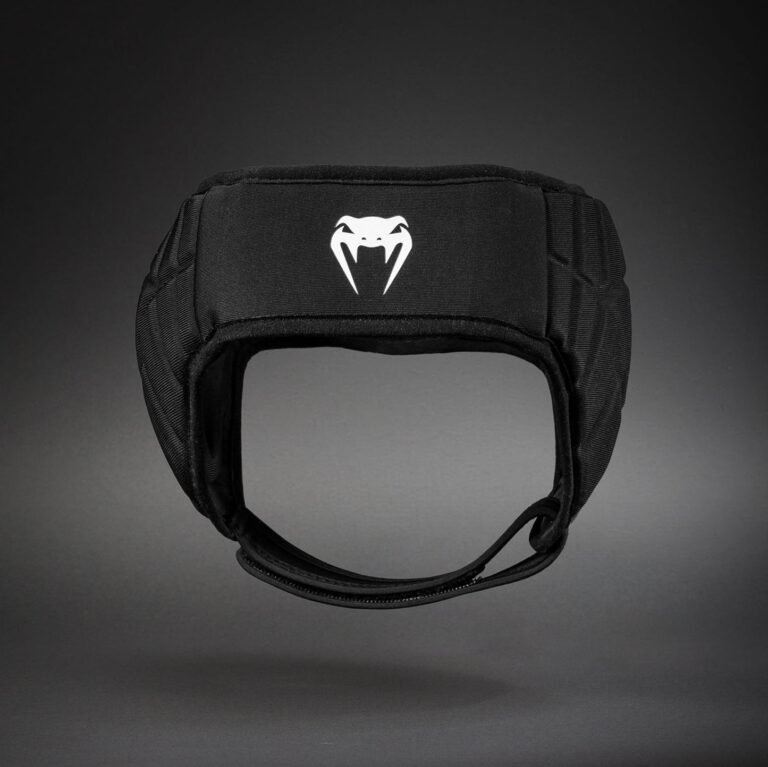
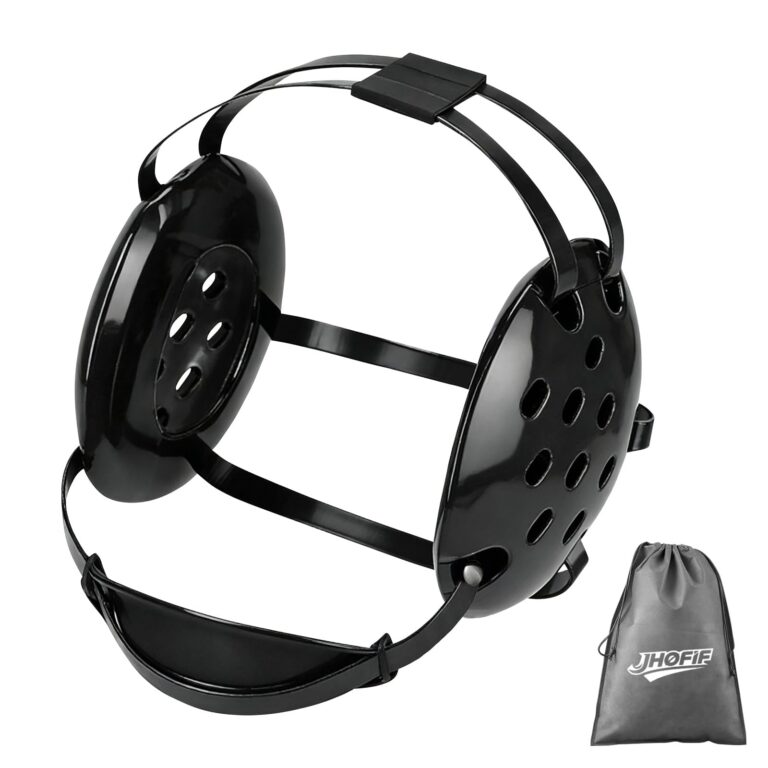
An ear guard is, mechanically, a sealed pocket of foam or gel pressed against skin for the entire length of a training session. Add body heat, sweat, and the friction of scrambles, and that pocket becomes close to ideal for microbial growth — the same reason wrestling headgear, football helmet padding, and boxing gear have all been studied separately for the same problem. None of that is a design flaw specific to any one brand of ear guard. It’s a property of anything that traps moisture against skin for an hour at a time, and no-gi grappling produces more sweat per minute than almost any other combat sport because there’s no fabric layer absorbing it before it reaches the gear.
The problem compounds because most grapplers train more than once a day during camp blocks, and the guard rarely gets a full dry-out between sessions. A guard that goes back into a gym bag damp at 7 a.m. and comes back out for an evening class hasn’t had time to dry — it’s had time to incubate.

What Actually Colonizes the Padding
Staph and MRSA Don’t Need an Open Cut
Staphylococcus aureus, including resistant strains, has been documented repeatedly in contact-sport settings — wrestling rooms in particular have been the subject of public health guidance for exactly this reason. Skin-to-skin contact during grappling is the primary transmission route, but shared or poorly maintained gear is the secondary one, and gear that sits directly against the ear canal and the skin behind it is a plausible vector. You don’t need a cut or a mat burn for this to matter. Intact skin under prolonged pressure and moisture is still a risk factor, which is part of why athletic programs that deal with contact sports publish hygiene guidance at all.
Ringworm Travels on Gear, Not Just Skin
Dermatophyte fungus — the organism behind what grapplers commonly call ringworm — survives well on damp fabric and foam surfaces, not just on mats. It’s common enough in wrestling and BJJ that some gyms require showering immediately after class and ban walking around barefoot outside the mat area. An ear guard that never fully dries between sessions is functionally similar to a rolled-up rashguard left in a bag: a surface where the fungus can persist for days, waiting for the next close contact with skin.
![Tye Ruotolo will compete at the 2024 ADCC World Championships [Photo via: ONE Championship]](https://rashguardguy.com/wp-content/uploads/2026/09/ear-guard-hygiene-bacteria-no-gi-3.jpg)

The Skin Reaction Nobody Warns You About
Bacteria and fungus aren’t the only issues. A meaningful number of grapplers develop contact dermatitis from the guard itself — an irritation or allergic response to the neoprene, silicone, or foam material, made worse by trapped sweat breaking down the skin’s natural barrier. It shows up as redness along the rim of the ear, sometimes small bumps or flaking skin, and it’s easy to mistake for early cauliflower ear or a fit problem when it’s actually a material sensitivity.
Pressure points add a second layer to this. Any spot where the guard presses harder than the rest of the shell — usually near the strap anchors or wherever the guard was compressed in a bag — turns into a hot spot after repeated sessions. Left alone, a hot spot becomes an abrasion, and an abrasion under a sweaty foam pad healing slowly between classes is its own infection risk, separate from anything already growing in the padding.

Why a Rinse Under the Locker Room Tap Doesn’t Cut It
Running water removes visible sweat and loose debris. It does very little to the bacterial and fungal load embedded in open-cell foam, which absorbs and holds organisms the way it absorbs and holds moisture. A guard that looks clean after a quick rinse can still carry the same load it had before, just redistributed. The gap between looking clean and being clean is exactly where most of this problem lives, because it’s invisible until someone develops a skin infection and starts working backward to figure out why.

Building a Routine That Actually Breaks the Cycle
The fix isn’t complicated, but it has to happen consistently, which is where most grapplers fall off. Wiping the inside of the guard with an antibacterial wipe or a mild soap-and-water solution immediately after training, before it goes back in the bag, does more than any deep clean done days later. Letting it air dry fully — outside the bag, not zipped inside it — matters as much as the cleaning itself, since moisture is the variable that lets everything else take hold. Grapplers training multiple sessions a day are better off owning two guards and rotating them than trying to force one to dry between an early class and an evening one.
A deeper clean once a week — an actual soak in a mild antibacterial solution, not just a wipe-down — catches what daily wiping misses inside the foam itself. And foam degrades. Once a guard starts holding a smell that a proper cleaning doesn’t remove, that’s the padding telling you it’s saturated past the point of being cleanable, not a sign to clean it harder. At that point it’s a replacement, not a laundry problem.

What Gear Discipline Looks Like at the Top of the Sport
Watch a full ADCC training camp up close and the gear rotation is one of the less visible but more consistent habits among the athletes at the top. Competitors like Gordon Ryan, Craig Jones, Tye Ruotolo, Kaynan Duarte, Andre Galvao, and Mica Galvao are training multiple sessions a day for months leading into an event, often at multiple gyms with multiple training partners cycling through. At that volume, a single ear guard that never fully dries isn’t a minor inconvenience — it’s a guaranteed skin problem within a couple of weeks. Camps built around that schedule tend to treat gear rotation and post-session cleaning the same way they treat diet or recovery: not optional, just part of the job.
That’s the piece that doesn’t make it into most conversations about ear guards. The fit matters, the shell material matters, and getting one on before the first live round matters most of all. But an ear guard that isn’t cleaned and dried between sessions is solving one problem while quietly creating another — and cauliflower ear prevention was never the only reason to take it seriously.
Choosing Gear That Fights Ear Guard Bacteria Instead of Feeding It
Not every ear guard is built the same way once you look past the shell. Cheaper models use closed-cell foam that barely absorbs moisture but also barely breathes, so sweat pools between the pad and the skin instead of soaking in — a different failure mode, but one that still feeds ear guard bacteria if the guard isn’t wiped and dried after every session. Higher-end guards often use a perforated or gel-hybrid lining specifically because it lets air move through the padding between classes, cutting the incubation window down from hours to something closer to twenty or thirty minutes.
Strap material matters more than most buyers expect. A guard that has to be cranked tight to stay on traps more heat and sweat against the ear than one with a snug, well-shaped fit, because over-tightening is usually a sign the shell doesn’t match the wearer’s head shape. That extra pressure doesn’t just risk pressure points — it also means less airflow reaching the padding during the round, which is exactly the condition bacteria and fungus need to establish themselves.
Replaceable or washable liners are worth paying for even though they add a few dollars to the price. A guard where the inner padding zips out or peels away for a separate wash cycle solves the open-cell-foam problem directly, instead of relying on wipe-downs that only ever clean the surface. For grapplers who train five or six days a week, that feature alone can be the difference between a guard that lasts a full season and one that needs replacing every few months because the smell never fully goes away.
None of this replaces the basics — wipe after every session, dry fully before the guard goes back in the bag, deep clean weekly, retire it when a proper cleaning stops fixing the smell. But buying a guard designed to resist ear guard bacteria in the first place means the daily routine has to fight less of an uphill battle. For anyone building a rotation of two or three guards to cycle through a heavy training week, it’s worth spending the extra few dollars on the version with better airflow and a washable liner rather than replacing a cheaper one twice as often.
Sources
- Cauliflower ear — Wikipedia
- MRSA — Wikipedia
- CDC — hygiene and skin infection guidance
- Shop no-gi ear guards