Breaking In Ear Guards: The No-Gi Adaptation Period Grapplers Abandon Too Early
Most no-gi grapplers who try ear guards quit within the first two weeks. Not because the guards do not fit, and not because they forgot them at home. They quit because rolling with ear protection feels fundamentally different from rolling without it — and that discomfort, the muffled pressure, the slight alteration in spatial awareness during tie-ups and scrambles, feels like a significant enough performance cost to justify leaving the guards in the bag. That decision is almost always made too soon, and made without understanding what is actually happening inside the nervous system during those first awkward sessions.
Why the First Few Sessions Feel Wrong
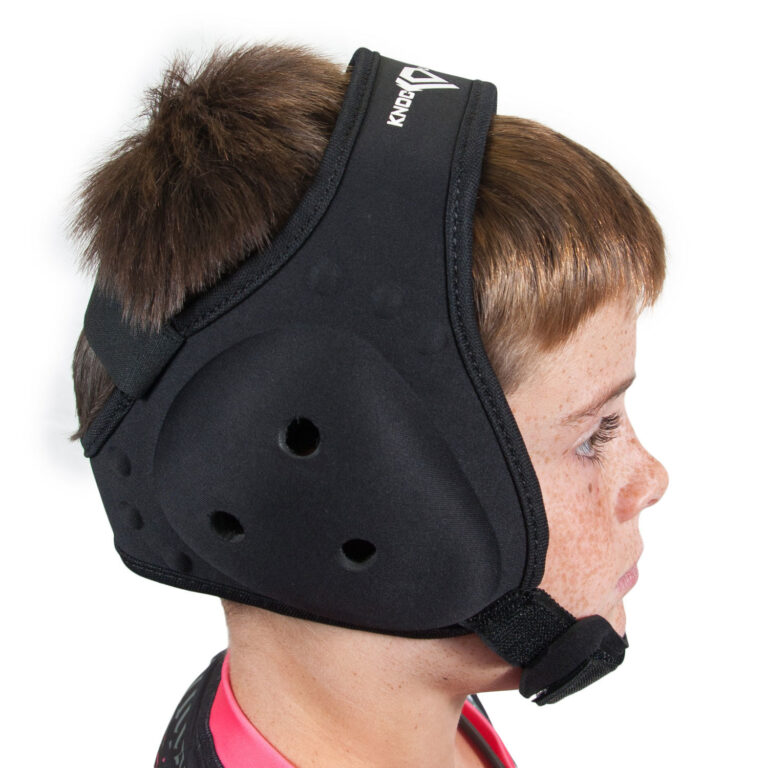
When you put ear guards on for the first time and start live rolling, the experience is immediately disorienting in ways that are hard to articulate. Your ears contribute more to your sense of position relative to an opponent than most grapplers consciously recognize — not in the formal inner-ear-balance sense, but in the way contact pressure at the head registers and informs your real-time spatial model during close-range grappling. The rigid shell of an ear guard changes how that pressure lands during tie-ups, front headlocks, and any position where an opponent’s arm wraps around or across your head. The tactile vocabulary you have built over years of training gets replaced with something slightly different, and your brain treats that discrepancy as a signal worth paying close attention to.
The mechanical adjustment compounds this. Ear guards add roughly thirty to fifty grams of material on each side of your head — negligible in isolation, but noticeable in positions where your head functions as a primary frame or where your neck muscles are compensating for sustained partner pressure. Those muscles have learned their neuromuscular patterns in rolling without that added mass. That pattern takes time to update, and during the update period, movement that used to be automatic starts requiring slightly more conscious attention.
The Clinch and Tie-Up Adjustment
The longest adjustment period for most no-gi grapplers happens in the clinch. Collar ties, underhook battles, and snap-down chains all involve direct contact at or near the ears. Ear guards slightly widen the profile of your head, which changes how your opponent’s arm wraps. Double collar ties land differently. Arm drags feel altered in the hand that reaches behind the head. Head position in a front headlock shifts when there is material between your ear and the crook of your opponent’s elbow. None of this geometry is permanent — your training partners calibrate to the new profile faster than you expect, and your own spatial sense of your head size normalizes within a few weeks — but in the early sessions, every clinch entry carries a slightly unfamiliar quality that demands attention you would rather be putting toward technique.
The mistake most grapplers make at this stage is interpreting the geometric awkwardness as evidence that ear guards fundamentally compromise their game. They do not. Wrestling and no-gi grappling at every level of competition include plenty of experienced ear guard wearers who execute high-level clinch sequences without visible mechanical limitation. What the early awkwardness actually represents is a temporary gap between your old internal head-position model and the updated one your nervous system is in the process of building.
What Typically Happens at the Two-Week Mark
Two weeks in is the hardest point in the adaptation curve. The initial novelty of wearing new equipment has worn off. The discomfort has not resolved. The performance disruption still feels measurable during rounds. This is the phase where most grapplers rationalize removing the guards: ears seem fine, the guards do not feel right during rolling, maybe a different model or brand would be better. These rationalizations arrive with remarkable consistency across grapplers in different gyms and different disciplines — they read almost like a script, and they cluster around the same window in the adaptation timeline.
What makes this particularly costly is that week two is also when the neurological adaptation is just beginning to consolidate. The brain’s remapping of sensory input from the ear and head region does not proceed linearly. It tends to plateau and then shift — grapplers who track their subjective experience frequently report that progress between session ten and session fifteen feels more dramatic than progress between session one and session ten. Abandoning the guards at two weeks means stopping at the steepest point of the learning curve, just before the payoff begins.
Retention Perception Versus Actual Movement
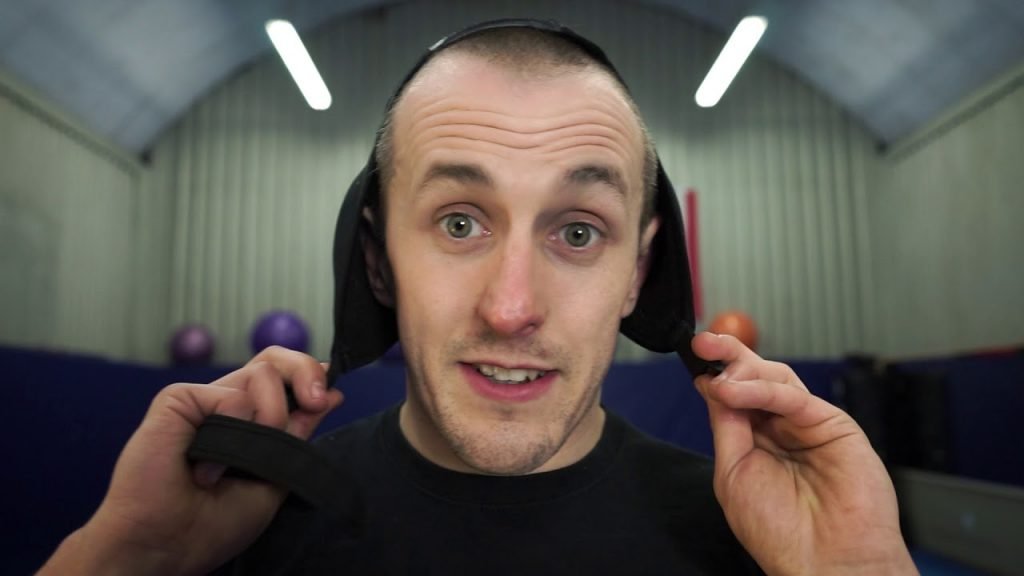
One consistent report from grapplers in the early break-in phase is that their guards feel like they are shifting constantly during live rolling. This creates a secondary problem: interrupting rounds to reset the headgear generates a psychological association between ear guards and disruption. If you stop two or three times per round to adjust your equipment, you are reinforcing the experience that wearing it is a management burden layered on top of everything else rolling demands. That association accumulates and becomes one more reason to leave the guards in the bag next session.
What is worth understanding is that new-gear awareness exaggerates perceived movement. When you wear unfamiliar equipment, your attention registers micro-shifts that you would never consciously notice in gear you have worn for months. As the break-in progresses and the cups conform slightly to your ear shape through use, actual retention typically improves even without any deliberate strap adjustment. The perceived instability decreases as the guards shift from foreground attention to background processing. Grapplers who track their experience tend to report that guards they nearly returned in week two feel completely secure by week five — not because anything changed about the product, but because their attention stopped prioritizing the sensation and the cups had conformed to their specific geometry.
The Bottom Game and Guard-Playing Positions
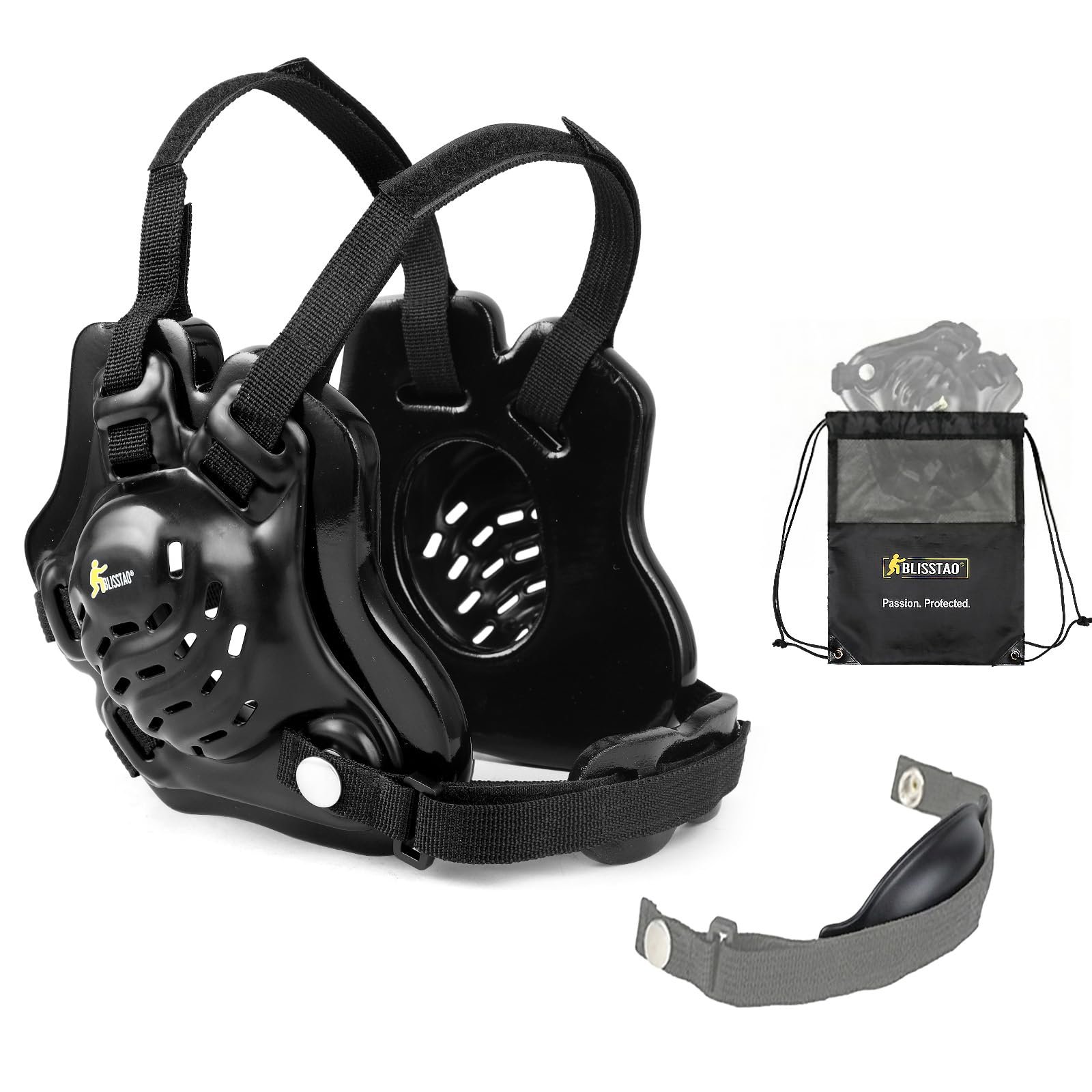
Guard-playing positions generate a different adaptation challenge than the clinch. In closed guard and half guard from the bottom, your opponent’s hip, knee, or inner thigh can make sustained compressed contact with the side of your head. Ear guards provide meaningful protection in these positions — often more consistent protection than in scrambles where contact is brief and unpredictable — but the sensory shift is significant. The pressure of a hip against guarded cartilage registers differently than skin-to-skin contact, and your internal model of how much space you have, where your opponent’s center of mass sits, and how much head-framing leverage you are working with needs to update around the new input.
Some no-gi grapplers who primarily play guard find the bottom-game adjustment harder than the clinch adjustment. The reason is positional: in the clinch you are upright and your legs absorb most of the movement management. In closed guard bottom, your head is often the most active frame in the position — it is cueing hip escapes, pushing against driving passes, and informing shrimping direction based on where pressure is coming from. Any unfamiliarity in how that pressure registers can create hesitation in positions where hesitation has immediate positional consequences. This is not a reason to avoid wearing guards in guard-playing positions. It is a reason to wear them consistently in those positions until the adaptation completes.
Why Drilling Does Not Accelerate the Live-Rolling Adaptation
One counterintuitive reality for grapplers tracking their break-in: wearing ear guards during drilling does not meaningfully accelerate the adaptation for live rolling. The intensity differential between drilling and live rolling is too large for the adaptations to transfer cleanly. At technical-drilling speed, pressure is controlled, timing is predetermined, and the adrenaline that sharpens and distorts sensory processing during live rounds is absent. You can drill a thousand front headlock entries wearing ear guards and still feel the familiar disorientation when someone locks up a real snap-down in a live round.
This does not mean drilling with ear guards is pointless — guards should be worn across all training contexts for maximum protection value, and technical repetition with the guards on builds muscle memory for adjusting to the altered geometry. But the adaptation to live-rolling conditions comes specifically from live rolling with the guards in place. The nervous system recalibration requires the physiological conditions of live rolling: elevated heart rate, compressed reaction time, the genuine uncertainty of an opponent acting autonomously. Drilling is a separate physiological state that produces real technical gains but does not substitute for the live-round exposure hours. Grapplers who wear guards only for drilling and remove them for live rounds reset the adaptation process each time they roll without protection, and the live-rolling recalibration never fully consolidates.
When the Guards Stop Feeling Like Guards
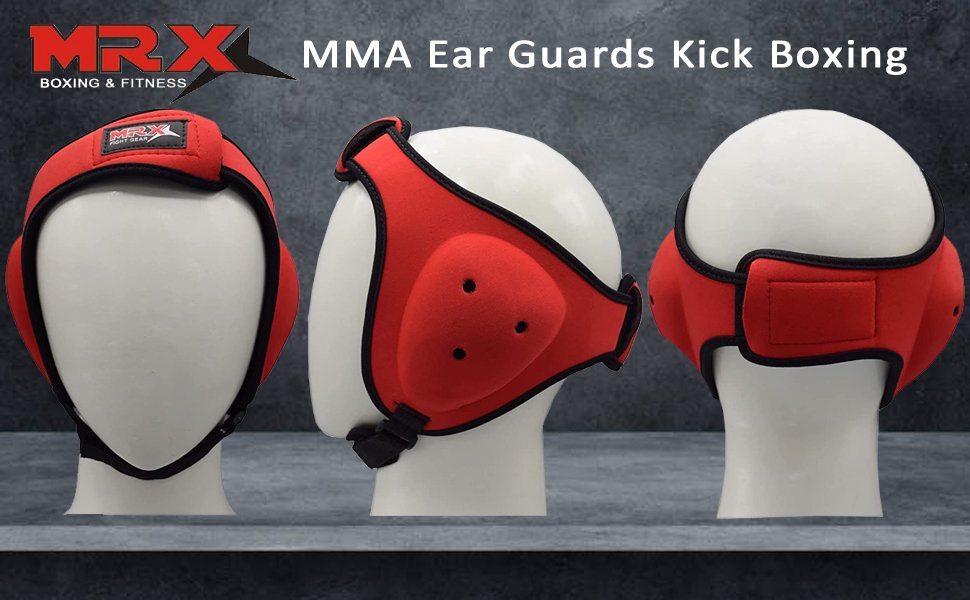
Grapplers who commit to ear guards through the full adaptation window describe the same subjective inflection point: somewhere around week four to six, they finish a session and realize they did not think about the guards at all during rolling. Not that the guards felt comfortable — comfort is a low standard that still allows for conscious awareness — but that the guards became irrelevant. They moved out of foreground attention and became part of the rolling context, as unremarkable as shorts or a rashguard. The head model updated and the old input is no longer missed.
Training frequency determines how quickly this happens, but not in the simple calendar-week sense. The adaptation is driven by total training hours in ear guards, not elapsed time on the calendar. Grapplers training five days per week reach the irrelevance point faster than those training twice per week — not because six weeks is a shorter span for them, but because they accumulate the necessary exposure hours much faster. For practical purposes, the adaptation timeline is better measured in total live-rolling sessions than in weeks: most grapplers who train consistently report the full adaptation completing somewhere between fifteen and twenty-five live sessions in guards, regardless of how many calendar weeks that takes.
The Broader Pattern the Break-In Period Reveals
The difficulty of the ear guard adaptation is worth taking seriously as a signal about how grappling bodies work more broadly. Every piece of protective equipment requires adaptation. Knee pads alter how you shoot. Ankle braces change footwork and stance patterns. Ear guards change how you process head contact information during live grappling. None of these adjustment phases represent permanent performance costs. They are temporary recalibrations that resolve with consistent exposure — and the resolution leaves you with the same movement capability you had before, plus the protection you added. The performance cost is real but it is time-limited. The injury risk that justifies the equipment is not.
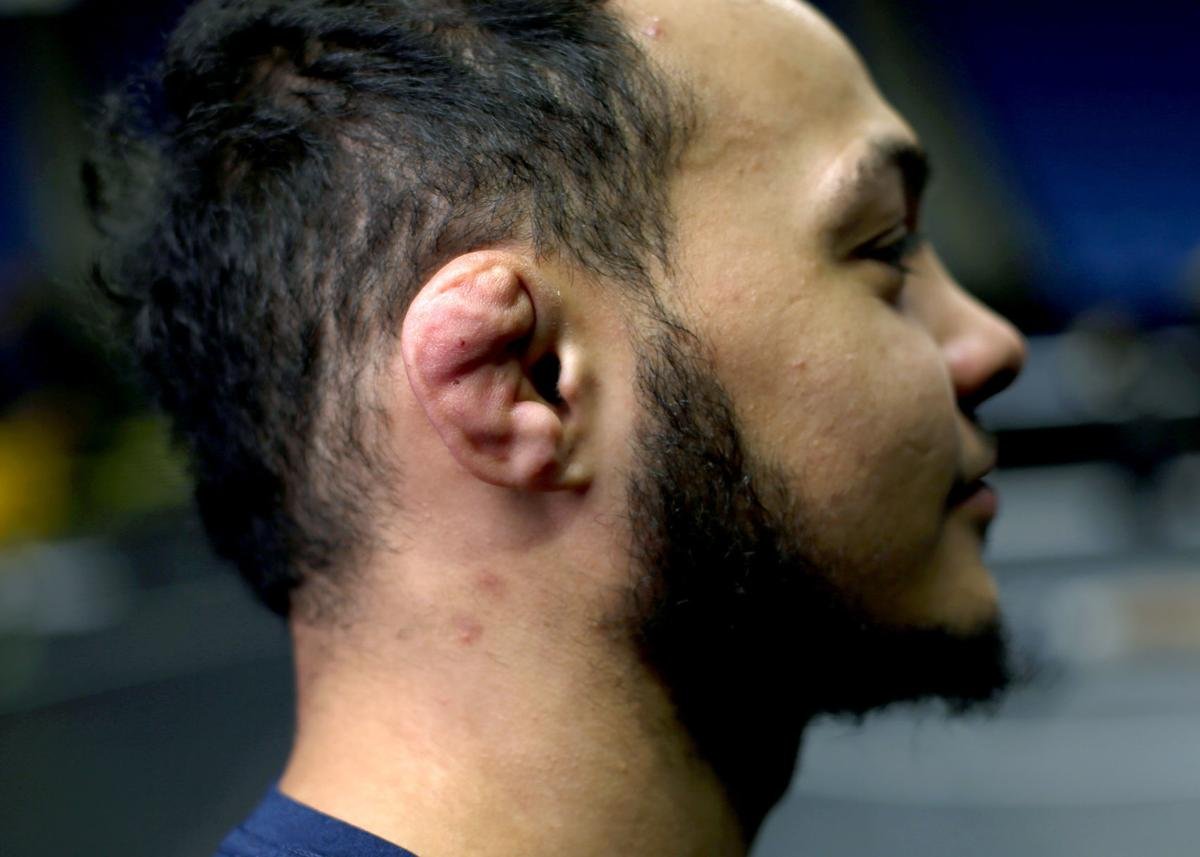
The grapplers who maintain the lowest rates of cauliflower ear damage over long training careers tend to be the ones who treated protection decisions with the same seriousness they applied to technique decisions. They did not evaluate gear by how it felt in session three. They evaluated it by whether it did its job over months and years. The break-in period is not the price of wearing ear guards in no-gi. It is the price of taking ear health seriously in a contact sport that compresses cartilage against itself routinely, without warning, in positions you do not always choose and cannot always anticipate. Fifteen to twenty-five uncomfortable sessions is a reasonable trade for ears that hold up over a decade of training.
Sources
- Cauliflower Ear — Wikipedia
- NCAA Wrestling Rules and Regulations — NCAA.org
- UFC Athlete Health and Performance — UFC.com