Guard Pulling BJJ: 5 No-Gi Strategies That Win Matches
Guard pulling in BJJ is one of the most debated tactics in no-gi grappling — and after Tye Ruotolo’s title defense against Pawel Jaworski at ONE Fight Night 41, the conversation has shifted from “is it legitimate?” to “how do you beat it?” Whether you compete in ADCC rules, ONE Championship submission grappling, or local no-gi tournaments, understanding guard pulling BJJ strategy is now essential for every serious competitor.
What Is Guard Pulling in No-Gi Grappling?
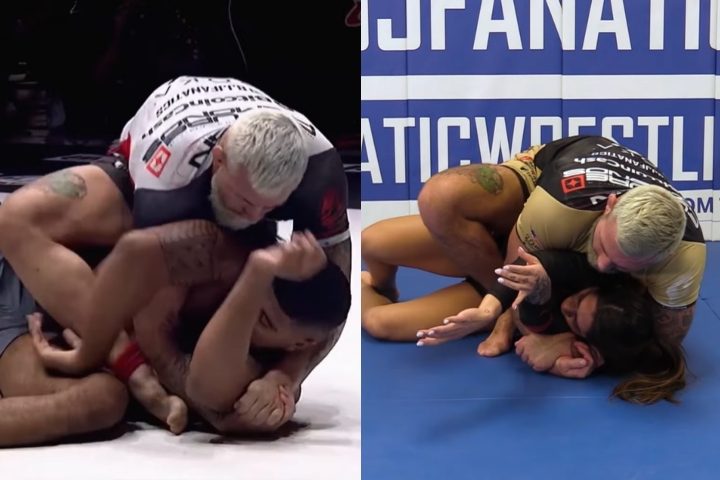
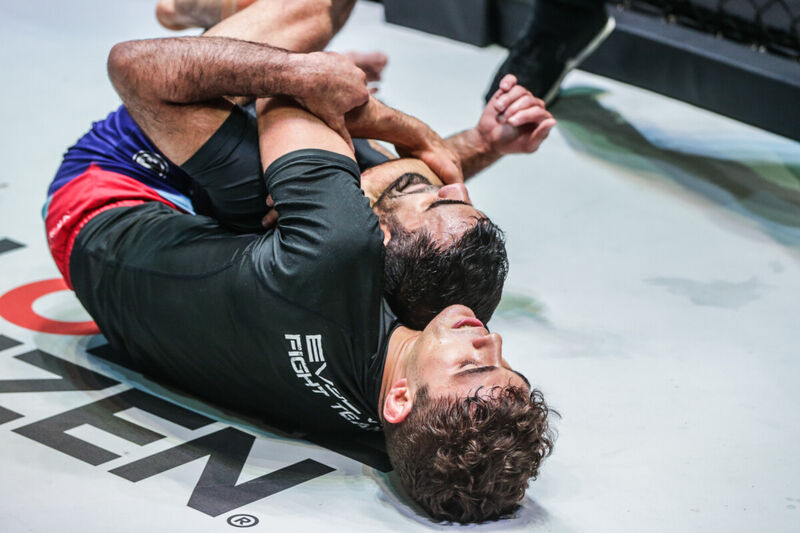
Guard pulling is the deliberate act of sitting down or jumping to a bottom position to establish a guard — bypassing the wrestling and takedown exchanges that traditionally open grappling matches. In no-gi competition, this means dropping to positions like butterfly guard, single leg X, or reverse De La Riva without attempting a conventional takedown.
The technique has roots stretching back decades, but it reached a tipping point in modern submission grappling when athletes realized that the risk-reward calculus of wrestling exchanges didn’t always favor the bottom player. Under many rulesets, a failed takedown attempt costs more than a calculated sit to guard. So athletes adapted.
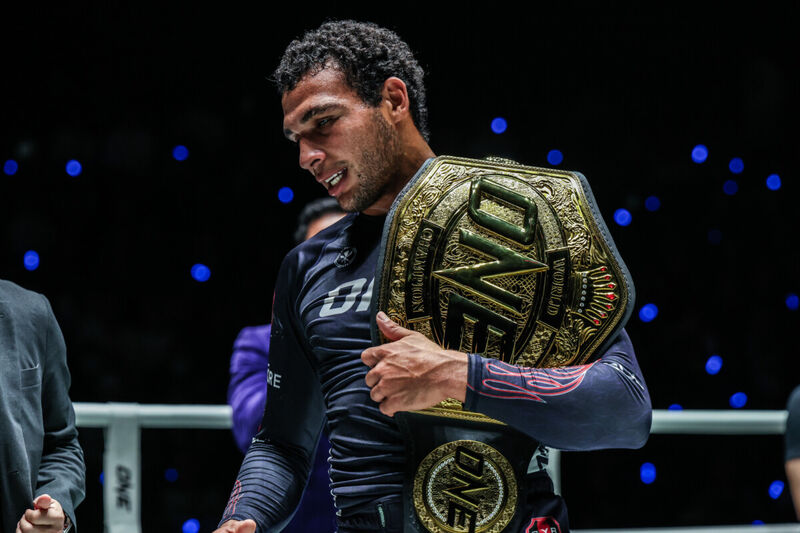
Ruotolo vs. Jaworski: Guard Pulling on the Biggest Stage
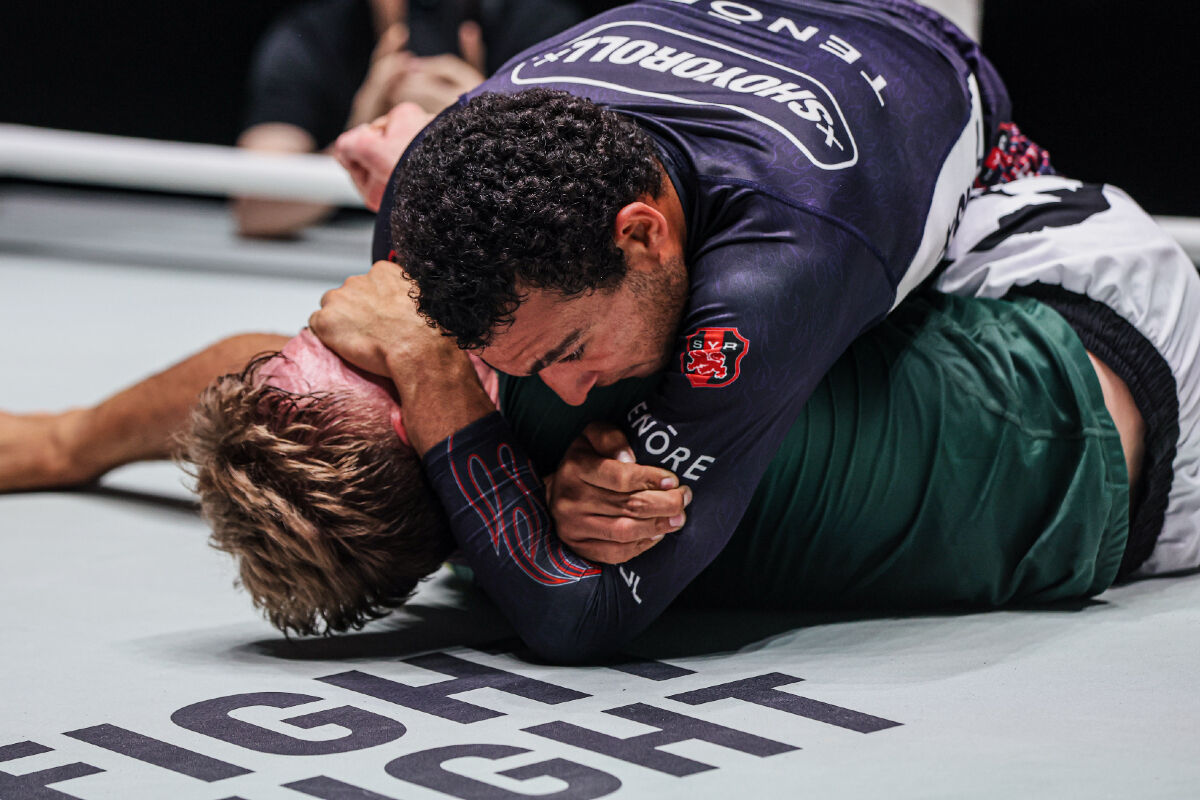
On March 13, 2026, Tye Ruotolo defended his ONE Welterweight Submission Grappling World Title against Pawel Jaworski at ONE Fight Night 41 in Bangkok. The matchup was a study in contrasting approaches to guard pulling.
Jaworski, the Polish phenom who earned his shot through devastating leg lock finishes, is an unapologetic guard puller. His strategy was transparent going in: pull to reverse De La Riva, hunt lower-body entanglements, and force Ruotolo to play his game on the mat. Ruotolo, meanwhile, wanted to pressure from the top and use his scrambling ability to stay out of danger.
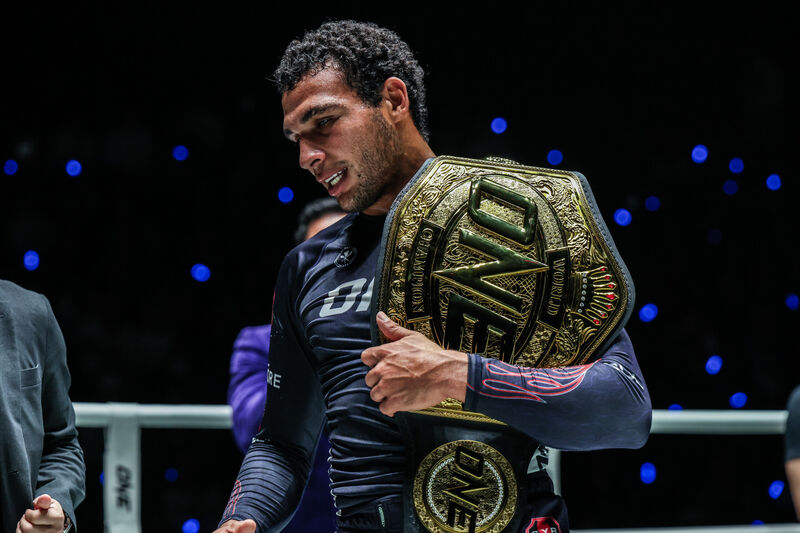
Ruotolo won by decision, but the match revealed something critical about guard pulling at the elite level: even when your opponent knows exactly what you’re going to do, a well-executed guard pull creates genuine threats. Jaworski was never in serious danger of being shut out — his guard entries created scrambles, near-submissions, and positional exchanges that kept the match competitive throughout.
5 Guard Pulling Strategies That Win No-Gi Matches
Guard pulling isn’t a single technique — it’s a family of entries and positions that require different skills depending on your game plan. Here are the approaches that dominate current no-gi competition.
1. The Collar Tie to Butterfly Sit
The most fundamental guard pull in no-gi. From standing, you establish a collar tie and wrist control, then drop your hips back to sit into butterfly guard. The collar tie prevents your opponent from sprawling away, while butterfly hooks immediately create elevation threats and sweep opportunities. This is the entry that most beginners should learn first.
2. Reverse De La Riva Pull
This was Jaworski’s weapon of choice against Ruotolo. From a standing exchange, you pull to seated guard while threading your outside leg into reverse De La Riva position. This immediately threatens the far-side leg and creates pathways to the leg lock game — heel hooks, knee bars, and calf slicers all open from here. It’s become the default guard pull for leg lock specialists in ADCC and ONE competition.
3. Single Leg X Entry
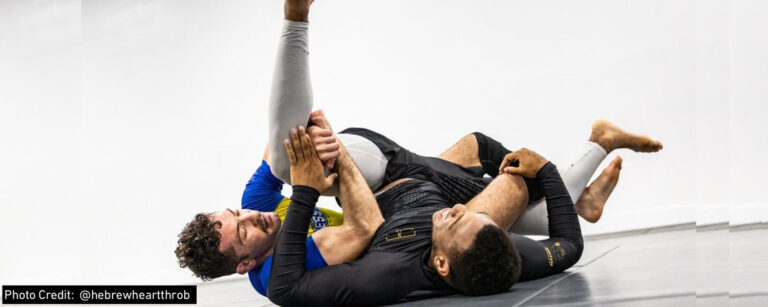
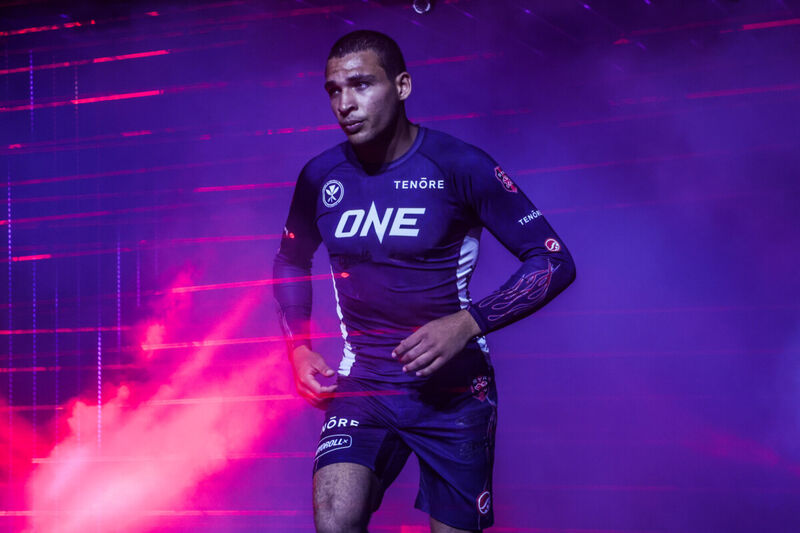
A more aggressive variant where you pull directly into single leg X guard (also called ashi garami). You grab a same-side underhook or collar tie, sit while elevating one of your opponent’s legs with your inside hook, and immediately threaten a sweep or heel hook. This is high-risk, high-reward — if your opponent defends, you can end up underneath side control. But when it lands, you’re already in a finishing position.
4. 50/50 Guard Pull
The 50/50 position deserves special mention because it’s become a defining feature of modern no-gi competition. Athletes pull directly into 50/50 from standing, accepting the entangled leg position to hunt inside heel hooks. The position gets criticism for producing stalling in some matches, but in the hands of specialists, it’s a submission machine.
5. Seated Guard (The Passive Pull)
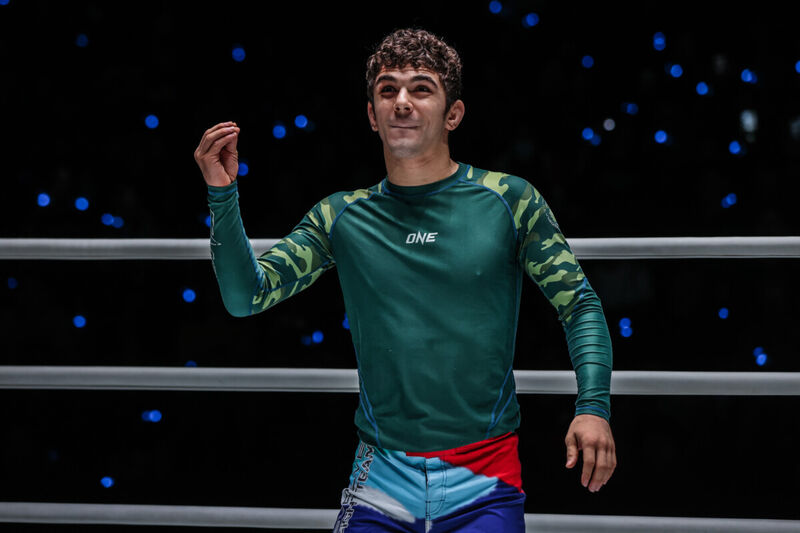
Simply sitting down at the start of a match and playing seated guard. This forces your opponent to engage on your terms — they have to come down to pass, giving you first-touch advantages on their legs and hips. While it looks passive, seated guard specialists like Mikey Musumeci have turned it into one of the most offensive positions in grappling.
Guard Pulling Rules Across Major No-Gi Rulesets
How guard pulling is treated varies significantly depending on where you compete. Understanding these differences is critical for game planning.
ADCC Rules
The ADCC ruleset has specific provisions to discourage guard pulling. If you pull guard, your opponent receives a penalty-free advantage. In the overtime/points period, pulling guard gives your opponent points. This creates tactical decisions — in the first half of a match (no points), pulling guard carries less risk. In the points period, it can cost you the match. ADCC’s approach has pushed competitors to develop wrestling alongside their guard games.
ONE Championship Submission Grappling
ONE’s submission grappling rules allow guard pulling without penalty, but matches are judged on overall activity and submission attempts when no finish occurs. This means pulling guard is viable, but you need to generate offense from the bottom to win a decision — exactly the scenario Jaworski faced against Ruotolo. The format rewards active guard pullers who create constant threats.
IBJJF No-Gi Rules
Under IBJJF no-gi rules, there’s a specific guard pull regulation: if both competitors pull guard simultaneously, a referee standup can occur. The athlete who establishes a sweep or comes on top first earns advantages. Pulling guard itself doesn’t score negatively, but it also doesn’t score positively — you need to generate sweeps or submissions from the bottom to win.
Why Elite Grapplers Pull Guard (The Strategic Case)
The criticism of guard pulling usually boils down to “stand up and wrestle.” But elite grapplers don’t pull guard because they’re afraid of wrestling — they pull guard because the math works.
Consider the energy equation. A wrestling scramble burns enormous energy. A failed shot can leave you in a sprawl or front headlock — defensive positions that drain your gas tank with no offensive return. Meanwhile, a guard pull costs almost nothing physically and immediately puts you in a position to attack.
Then there’s the injury factor. Wrestling takedowns carry legitimate injury risk — blown knees, cranked necks, impact injuries from slams. Guard pulling eliminates most of that risk while preserving your ability to compete multiple times in a tournament bracket.
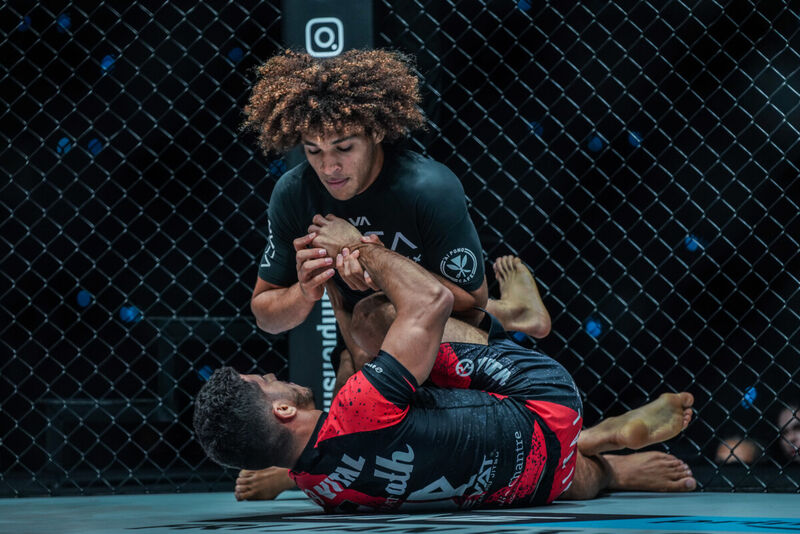
The Ruotolo brothers exemplify the hybrid approach. Both Tye and Kade are elite wrestlers who can take anyone down, but they strategically choose when to wrestle and when to pull. Against Jaworski, Tye stayed standing precisely because he knew Jaworski wanted the bottom. Against other opponents, Ruotolo has pulled guard himself when the matchup called for it.
How to Defend Against Guard Pulls
If guard pulling is the attack, what’s the defense? The top player’s toolkit has evolved significantly in response to the guard pulling meta.
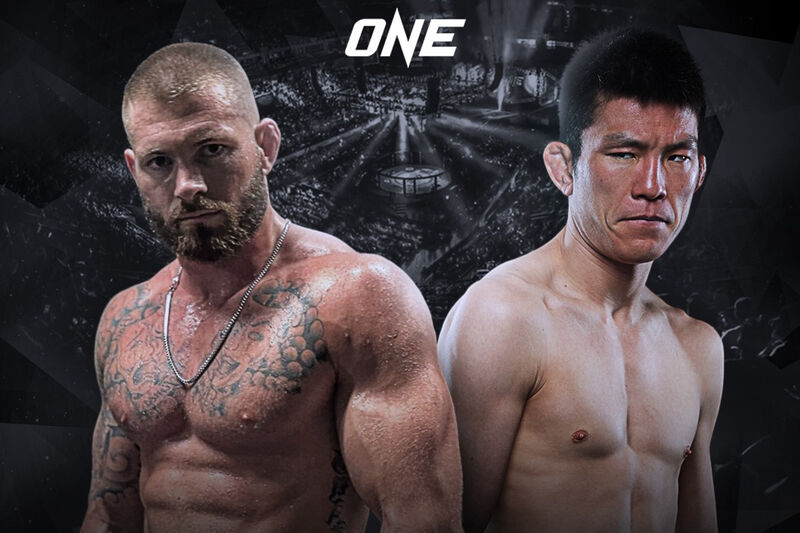
Immediate pressure passing. The moment someone pulls guard, the top player needs to close distance and establish a passing position before the guard player can set their hooks and grips. Gordon Ryan has mastered this — his response to guard pulls is instant hip pressure that denies the bottom player their preferred entanglements.
Leg pummeling. Against guard pulls that target your legs (reverse De La Riva, single leg X, 50/50 entries), the ability to pummel your legs free and reestablish a neutral passing position is essential. This is a skill that separates amateur from professional grapplers — the micro-adjustments in foot position and hip angle that prevent guard engagement.
Backstep passing. When someone pulls to butterfly or seated guard, the backstep — stepping your lead leg behind their guard hooks — can immediately put you past their primary defensive structure. From there, you can attack the back or establish side control before they can re-guard.
Guard retention awareness. Understanding guard retention principles from both perspectives makes you a better passer. When you know how the bottom player wants to retain, you can predict and counter their reactions to your passing attempts.
Guard Pulling in Training: Building Your Bottom Game
If you want to add guard pulling to your competition game, here’s how to structure your training.
Start every roll from standing. You can’t develop effective guard pulling if you always start from knees. The standing-to-guard transition is a specific skill that requires reps. Practice your pull entries against resisting partners who are trying to pass the moment you sit.
Pick one guard system first. Don’t try to pull to five different guards. Master one pathway — butterfly, reverse De La Riva, or seated guard — until it becomes automatic. Then layer additional entries on top of that foundation.
Drill the worst-case scenario. What happens when your guard pull fails? If you pull and your opponent immediately passes, you need a recovery plan. Train from bad positions — half guard, side control escape, turtle — so that a failed guard pull doesn’t end your match.
Study the competition footage. Watch how Jaworski enters his guards against Ruotolo. Watch how Mikey Musumeci sits to guard and immediately threatens. Watch how the Ruotolo brothers decide when to pull and when to wrestle. The details in their timing, grips, and hip positioning are what separate effective guard pulling from just sitting down.
The Future of Guard Pulling in No-Gi Competition
Guard pulling isn’t going anywhere. If anything, it’s becoming more sophisticated. The upcoming ADCC 2026 World Championships will feature athletes who have spent years refining their guard pull entries specifically to work within ADCC’s penalty framework. ONE Championship’s growing submission grappling card continues to showcase guard pulling as a viable strategy at the highest level.
The real evolution is happening in the gray area between wrestling and guard work. Athletes aren’t choosing one or the other — they’re blending. A failed takedown flows into a guard pull. A guard pull attempt can transition into a snap-down or front headlock. The lines between “wrestler” and “guard puller” are blurring, and the athletes who can operate in that space — like the Ruotolo brothers — are the ones winning world titles.
For recreational practitioners and competitors at every level, the takeaway is straightforward: guard pulling BJJ is a legitimate tactical choice that requires dedicated training, specific entries, and aggressive follow-up from the bottom. It’s not a shortcut. It’s a skill set. And after watching Jaworski push the champion to a decision using primarily guard-based attacks, it’s hard to argue that it doesn’t belong in the highest levels of the sport.
Sources
- ONE Championship — Tye Ruotolo vs. Pawel Jaworski: 4 Keys to Victory at ONE Fight Night 41
- Jits Magazine — Tye Ruotolo Wins Decision Over Pawel Jaworski at ONE Fight Night 41
- ADCC — Official Rules and Competition Information
- FloGrappling — Submission Grappling News and Coverage
Browse our top-rated rashguards and no-gi gear at the RashguardGuy shop →