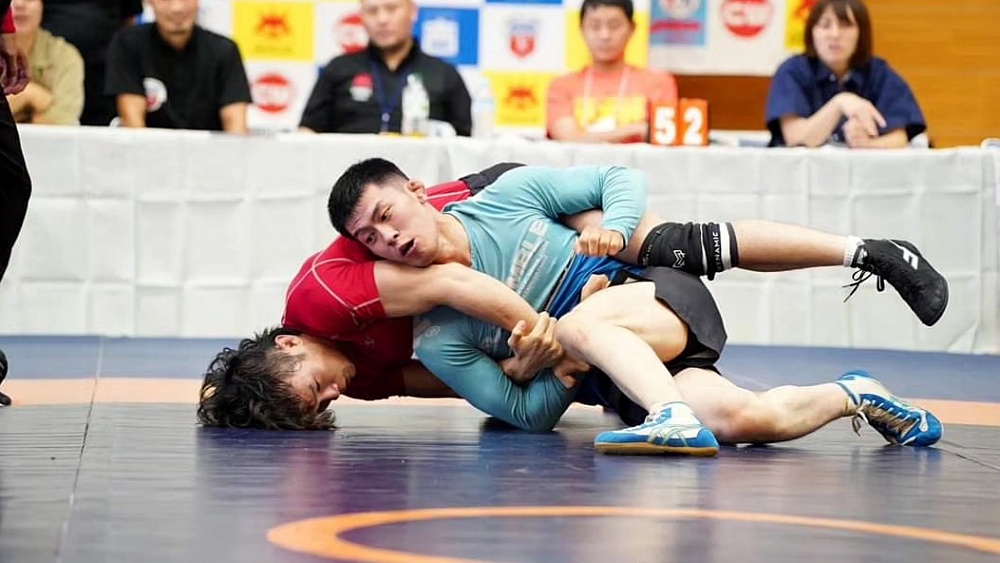
7 Deadly Wrestling Takedowns for BJJ That Win Matches
Wrestling takedowns for BJJ have become the single biggest differentiator between grapplers who consistently score points and those who spend entire rounds fighting for position on the ground. Whether you compete in ADCC, IBJJF No-Gi, or local submission-only events, a sharp takedown game puts you two points ahead before the real battle begins.
The best no-gi competitors in the world—Gordon Ryan, Giancarlo Bodoni, JT Torres—all built their games on wrestling fundamentals adapted for submission grappling. Below you will find seven proven wrestling takedowns for BJJ, complete with technical breakdowns, common mistakes, and advice on chaining them together for maximum effectiveness.
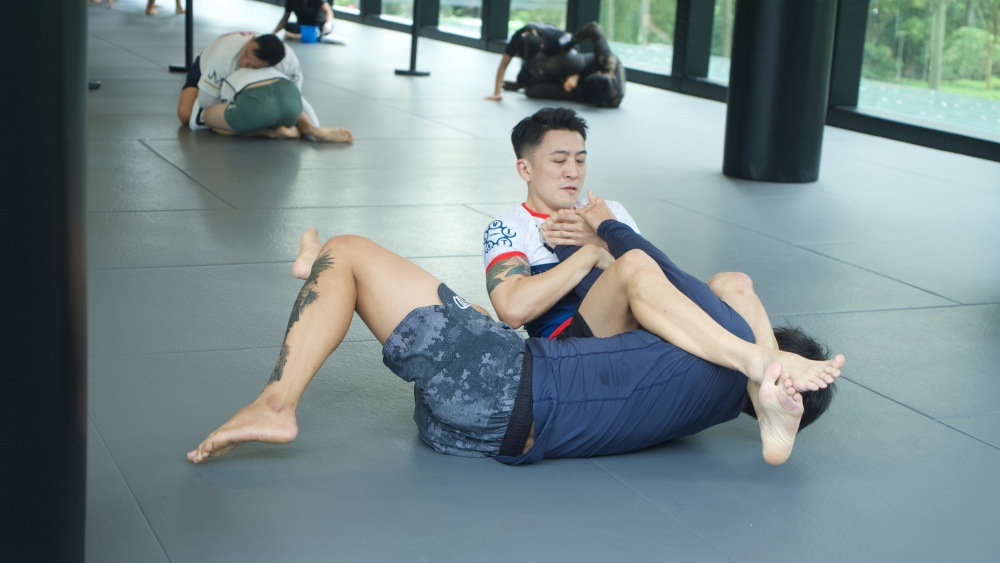
Why Wrestling Takedowns Matter in No-Gi BJJ
In gi jiu-jitsu, pulling guard is easy—you grab a collar and sit. In no-gi grappling, there are no lapels to grip, which makes guard pulling riskier and less efficient. That reality forces competitors to develop real takedown skills. Under ADCC rules, takedowns score 2 points in overtime, and under IBJJF No-Gi rules they score 2 points from the start. At every major no-gi BJJ competition, the athlete who controls where the fight takes place usually controls the outcome.
Wrestling takedowns also dictate the position you land in after the takedown. A well-executed double leg can land you directly in side control, while a sloppy shot drops you into your opponent’s closed guard. That positional advantage is worth far more than the 2 points on the scoreboard.
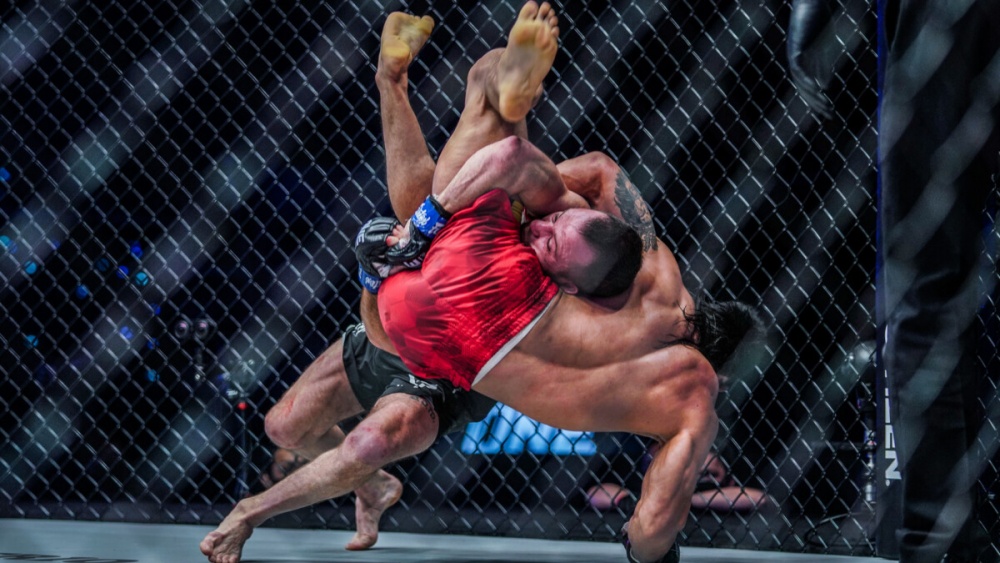
The Double Leg Takedown
The double leg is the king of wrestling takedowns for BJJ. It works across every weight class and every ruleset. The technique involves a level change, penetration step, and driving through both of your opponent’s legs to bring them to the mat.
How to execute it:
- Start from a staggered stance with your hands up, controlling distance
- Use a setup—a snap down, arm drag, or collar tie—to create an opening
- Drop your level by bending your knees, not your back
- Take a deep penetration step with your lead leg between your opponent’s feet
- Drive your shoulder into their hips while wrapping both arms behind their knees
- Finish by driving diagonally (“cutting the corner”) rather than pushing straight forward
BJJ-specific tip: Keep your head on the inside of your opponent’s hip. Putting your head on the outside exposes you to a guillotine choke—the biggest danger when shooting double legs in submission grappling.
The Single Leg Takedown
The single leg takedown is arguably the highest-percentage BJJ takedown at the competitive level. It requires less commitment than a double leg, gives you more options for finishing, and transitions seamlessly into leg entanglements if the finish stalls.
Key finishing variations:
- Run the pipe: Drive your shoulder into your opponent’s thigh while steering the captured leg across your body
- Lift and dump: Elevate the leg high and push your opponent backward
- Trip finish: Step behind their supporting leg while forcing the captured leg sideways
The single leg connects perfectly with the guard passing game. If your opponent defends by pulling you into half guard, you already have an underhook and a leg trapped—ideal conditions for a leg lock entry or a smash pass.
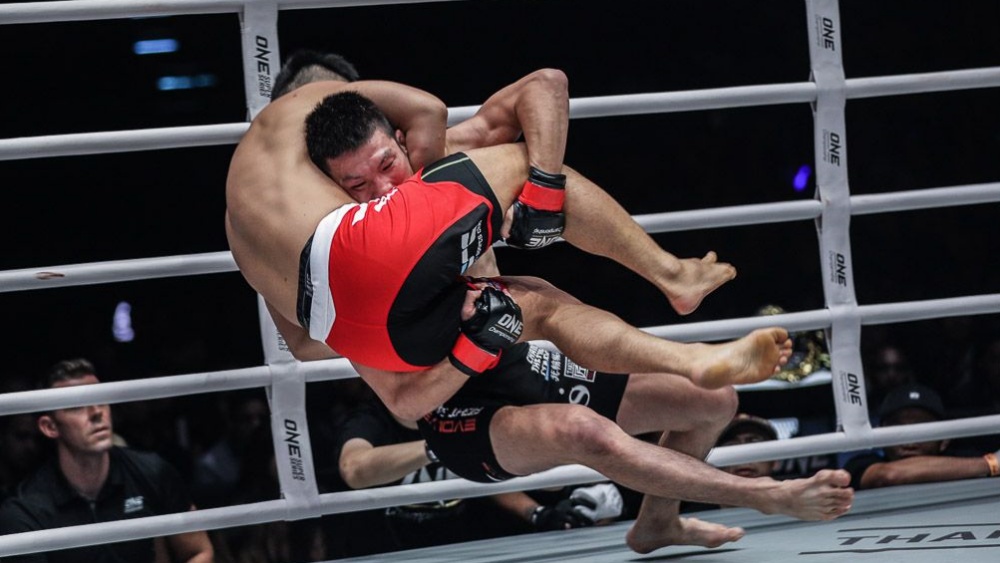
The Body Lock Takedown
The body lock takedown has exploded in popularity in no-gi grappling over the past five years, largely thanks to its effectiveness at the highest levels of ADCC competition. Bo Nickal, Gordon Ryan, and Giancarlo Bodoni all use body lock takedowns as primary weapons.
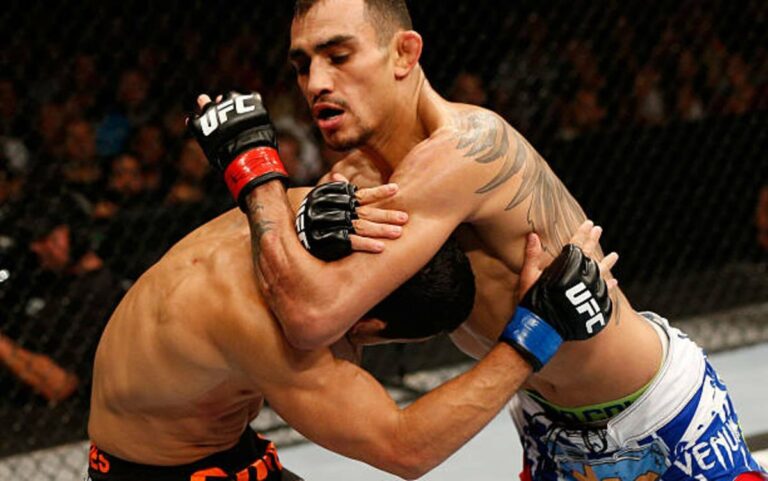
Unlike shooting for legs, the body lock works from the clinch. You secure a tight grip around your opponent’s torso—either an over-under position or double underhooks—and then use trips, lifts, or lateral pressure to bring them down.
Why it works so well in no-gi:
- No risk of guillotine choke (your head stays upright)
- You land directly in a dominant position, usually side control or mount
- It neutralizes longer, rangier opponents who are hard to shoot on
- The position translates directly to back takes if your opponent turns
If you only add one wrestling takedown to your no-gi game this year, make it the body lock.
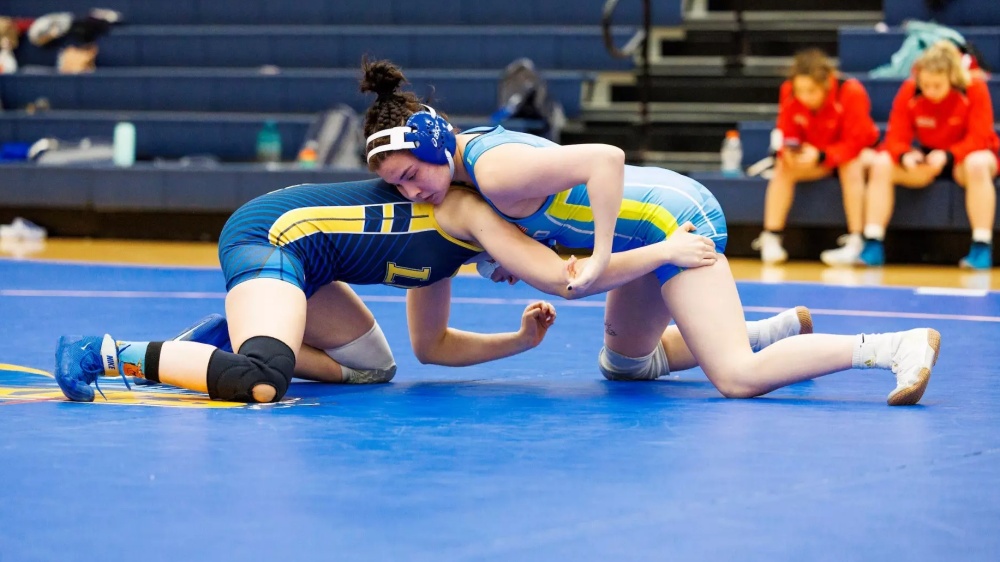
The Arm Drag to Back Take
The arm drag is not a takedown by itself, but it creates the angle and access needed to execute devastating wrestling takedowns for BJJ. When executed correctly, you pull your opponent’s arm across their body, clearing a path to their back or to a single/double leg entry.
The sequence:
- Grab your opponent’s wrist with your lead hand
- Pull their arm sharply across your body with your other hand gripping above their elbow
- Step to the outside as you drag, creating an angle behind them
- From here, choose your finish: back take, single leg, or mat return
Marcelo Garcia built his entire legendary career on the arm drag. In no-gi, where there are no sleeves or collars to grip, the wrist-and-elbow control of the arm drag gives you the leverage advantage you need to move your opponent.
The Snap Down
Sometimes the best wrestling takedown is actually pulling your opponent down rather than shooting in. The snap down uses a collar tie (hand behind the neck) combined with a sharp downward pull to force your opponent’s hands to the mat, exposing their back and neck.
What makes it dangerous in no-gi:
- Sets up front headlock position, which leads directly to guillotines, anacondas, and D’Arce chokes
- Forces scrambles where the aggressor usually wins
- Punishes opponents who stand too upright or fail to fight for head position
The snap down pairs perfectly with shot attempts. If your opponent expects a double leg and lowers their stance, snap them down instead. If they stand tall to defend the snap, shoot the double. This push-pull dynamic is the essence of chain wrestling.
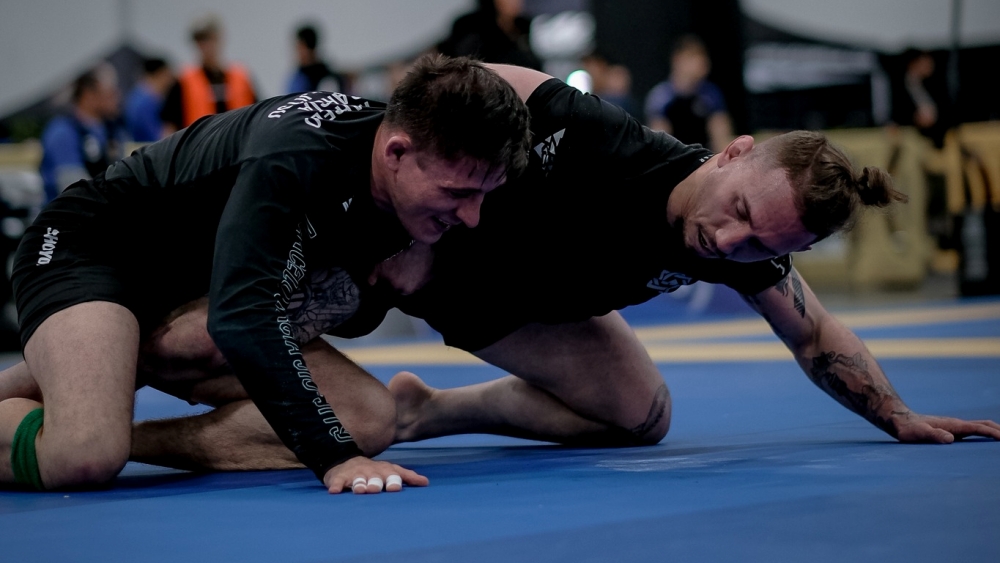
The Low Single Leg
The low single leg is a specialty takedown that has become increasingly popular in no-gi grappling. Instead of shooting at hip level, you drop extremely low and grab your opponent’s ankle or lower shin. The element of surprise makes it devastatingly effective.
Execution details:
- From a distance where your opponent feels safe, drop your level dramatically
- Reach for the far ankle with your lead hand
- Immediately lift the ankle and drive forward, forcing your opponent to hop on one leg
- Finish by running through or by tripping their supporting leg
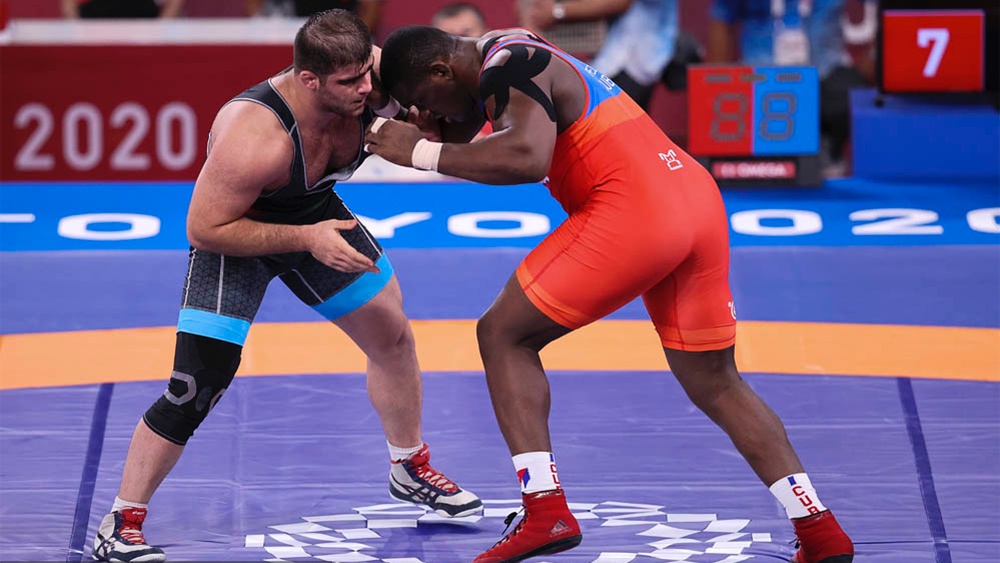
The low single works particularly well as a counter when your opponent is advancing forward or when they overcommit to a collar tie. Wrestlers like John Smith won Olympic gold medals with this technique, and it translates perfectly to no-gi BJJ where the lack of grips makes it even harder to defend.
The Knee Tap
The knee tap is the sneakiest wrestling takedown for BJJ practitioners to learn. It requires minimal energy, almost no shooting, and works beautifully from the collar tie or underhook position.
How it works:
- From a collar tie or overhook, create lateral pressure by pushing your opponent sideways
- When they step to recover their balance, reach down and tap the inside of their far knee
- Simultaneously drive your upper body weight through them
- They collapse sideways, and you land directly in side control
The knee tap is perfect for older grapplers, heavier competitors, or anyone whose knees protest against deep penetration steps. It is also exceptionally useful in submission grappling conditioning programs because it requires technique over athleticism.
How John Danaher Recommends Building Your Takedown Game
No discussion of wrestling takedowns for BJJ is complete without mentioning John Danaher’s approach. The legendary coach recommends that grapplers focus on mastering just two or three takedowns rather than collecting dozens of techniques they cannot execute under pressure.
Danaher’s recommended approach for no-gi competitors:
- Pick one shot-based takedown (single leg or double leg)
- Pick one clinch-based takedown (body lock or throw)
- Develop setups for each (arm drags, snap downs, collar ties)
- Chain them together so that defending one opens the door for the other
This minimalist philosophy works because real matches are chaotic. You need techniques drilled so deeply into muscle memory that they fire automatically when the opening appears.
Chain Wrestling: Connecting Your BJJ Takedowns
Individual takedowns are useful, but chain wrestling is what separates good grapplers from great ones. Chain wrestling means linking multiple takedown attempts in rapid succession, forcing your opponent to defend two, three, or four attacks before they can reset.
Here are three proven chains for no-gi BJJ:
Chain 1: Snap down → front headlock → go-behind → mat return
Chain 2: Double leg shot → opponent sprawls → switch to single leg → run the pipe
Chain 3: Arm drag → back take attempt → opponent turns in → knee tap
The key principle is that every defense your opponent uses opens a new attack. If they sprawl on your double, their legs are back but their weight is forward—switch to a single. If they whizzer your single, duck under for a back take. Wrestling takedowns for BJJ become unstoppable when you chain them into sequences rather than treating each one as an isolated attempt.
Essential Gear for Wrestling Takedown Training
Training wrestling takedowns puts serious wear on your body and your gear. You need equipment that can handle the friction, sweat, and constant mat contact that comes with drilling shots and sprawls hundreds of times per week.
A high-quality rashguard built for BJJ training protects your skin from mat burns during shots and scrambles. Look for flatlock stitching that won’t dig into your skin during takedown drills, and compression fit that prevents the fabric from bunching up when your training partner grabs you.
For the lower body, invest in grappling shorts or spats with reinforced inner thigh panels. Takedown drilling is brutal on cheap shorts—seams blow out within weeks. Premium no-gi shorts from brands like Hayabusa or Scramble are specifically engineered for the demands of wrestling-heavy training.
Knee pads are another must-have if you plan to drill penetration steps regularly. The repeated impact of dropping to your lead knee wears down cartilage over time. A simple sleeve-style knee pad makes a major difference in longevity.
Building a 12-Week Wrestling Takedown Program
Adding wrestling takedowns to your BJJ game does not happen overnight. Use this progressive framework to build your skills systematically:
Weeks 1–4 (Foundation): Drill stance, motion, and level changes. Practice the double leg and single leg against a non-resisting partner. Focus on the penetration step and head position. 15 minutes per training session.
Weeks 5–8 (Integration): Add setups—arm drags, snap downs, and collar ties. Begin positional sparring from standing. Practice finishing takedowns and landing in dominant positions rather than guard. Increase to 20 minutes per session.
Weeks 9–12 (Live Application): Chain wrestling drills with resistance. Full standup sparring rounds. Record your sessions and analyze which setups create the best openings for your body type and game style.
By the end of twelve weeks, you will have two to three reliable wrestling takedowns for BJJ that you can hit against resisting opponents. That foundation alone will transform your competitive results.
Final Thoughts
Wrestling takedowns for BJJ are not optional in modern no-gi competition. The sport has evolved past the era where pulling guard was a reliable strategy against everyone. Today’s top competitors combine wrestling fundamentals with submission grappling knowledge to create complete, dangerous standup games.
Start with the double leg and the body lock. Add the arm drag as your primary setup. Drill until these movements become reflexive, then begin chaining them together. The grapplers who dominate ADCC and major no-gi events are the ones who put in the standup work that their opponents skip.
Your no-gi game is only as strong as your weakest phase—and for most jiu-jitsu practitioners, that weak phase is the standup. Fix it with wrestling, and everything else gets easier.
Sources
- Wrestling Techniques Dominating No-Gi — FloGrappling analysis of wrestling’s impact on modern submission grappling
- Hayabusa Fight Shorts — Premium no-gi grappling shorts for training and competition
- Scramble Grappling Shorts — Competition-grade shorts designed for wrestling-heavy BJJ players
- Wrestling for BJJ — BJJ Heroes breakdown of essential wrestling fundamentals for grapplers
Browse our top-rated rashguards and no-gi gear at the RashguardGuy shop →