How to Read Compression Shorts Before You Buy Them for No-Gi Grappling
Compression shorts are the one piece of no-gi gear that almost every grappler buys in a hurry and regrets within two months. The waistband rolls. The inseam pulls. The leg panels stop at exactly the wrong point. By the time you’re three rounds deep on a humid mat, what should be a second skin becomes a distraction. The problem is rarely the brand — it’s that most grapplers are buying compression shorts built for running, cycling, or the weight room, then wondering why they fail the moment someone traps them in half guard for four minutes straight.
This guide is about learning to read a pair of compression shorts before you buy them — identifying the construction details, fabric specs, and fit cues that separate gear built for grappling from gear that looks like it belongs on the mat but breaks down under real pressure.
Why Grappling Exposes What Generic Compression Shorts Hide
Running shorts and grappling shorts share a name and a silhouette but they solve completely different mechanical problems. Running requires forward linear extension through the hip and knee — the range of motion is predictable and the only contact is with the ground beneath you. Grappling is rotational, ground-based, asymmetrical, and full-contact. Your hips open into planes that no stride pattern demands. Your legs get pulled, posted, and trapped in positions that load the seams from every direction at once.
Generic compression shorts fail grapplers in consistent ways. The crotch seam is positioned for upright movement, so when your hips open wide during guard retention or a single-leg scramble, the seam migrates inward in a way that forces adjustment. The waistband, designed to stay put during a jog, responds badly to a training partner gripping your hips from behind or a wrestler driving into your midsection on a double-leg. The leg length typically sits at a point that makes sense aesthetically but offers no functional benefit for mat work. These aren’t random flaws — they’re the predictable result of buying gear engineered for a different sport.
The Waistband Is the First Place to Look
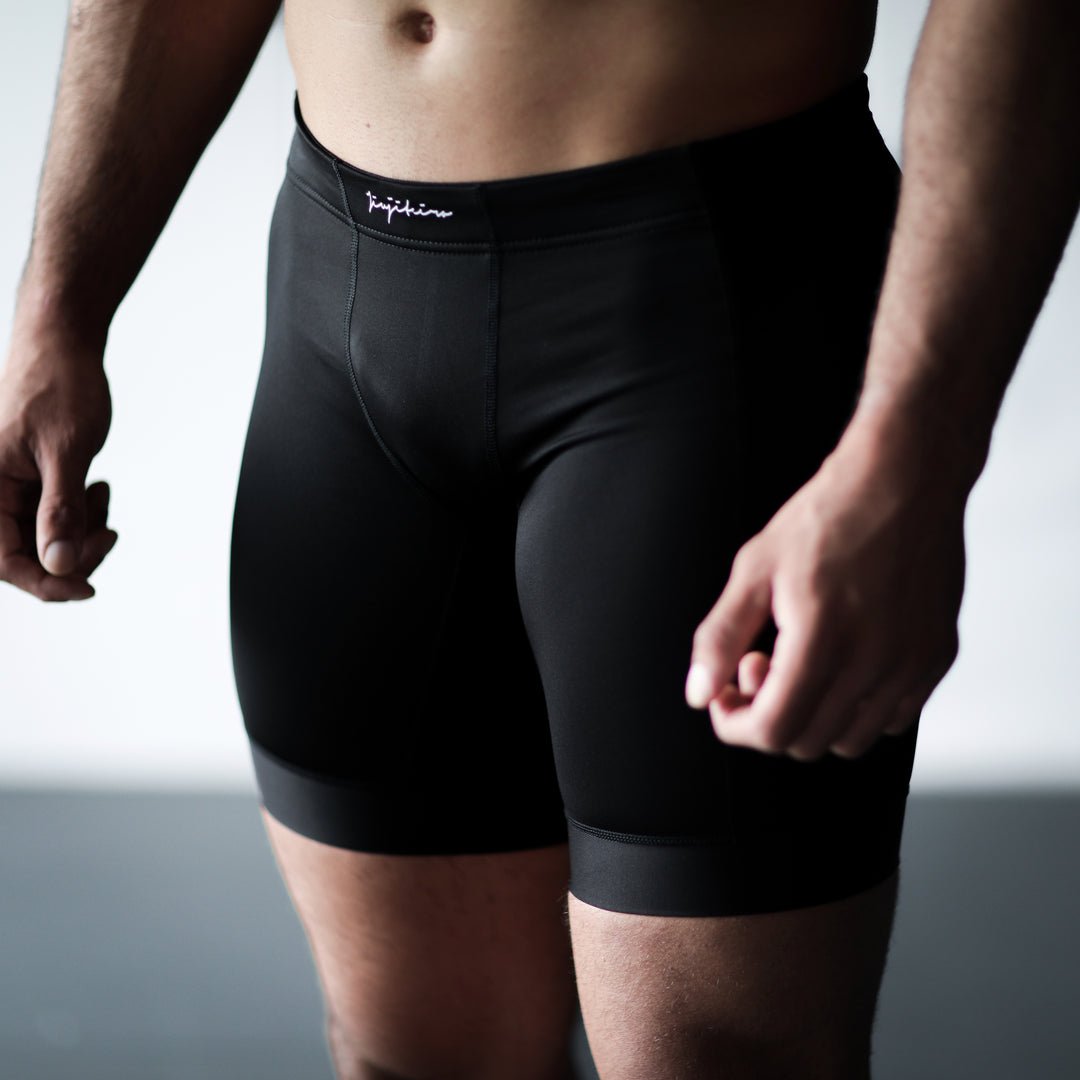
Before you check the fabric label, check the waistband. This is where most grappling compression shorts succeed or fail first. A wide, flat waistband — typically three to four inches — distributes pressure across the hip more evenly and resists rolling under contact better than a narrow band. Some grappling-specific brands add a silicone grip strip along the interior edge. That strip is doing real work: when someone drives a knee into your hips or you post hard on your feet in a scramble, the grip strip keeps the waistband anchored without requiring you to stop moving to adjust.
Drawstrings matter, but they shouldn’t be carrying the load alone. If a pair of compression shorts can only stay in place because the drawstring is cranked tight, the waistband is already failing. Look for a drawstring that supplements a structurally sound band rather than substituting for one. Flat internal drawstrings — the kind that don’t form a lump or knot at the front center — are preferable to external cords that can be grabbed accidentally in a clinch or dig into your abdomen when someone posts their forearm there in top side control.
The other waistband detail that matters for no-gi specifically is back coverage. Low-rise cuts that work fine for cycling expose the lower spine during sprawls, guard passing, and turtle defense. When you’re scrambling from bottom side control or defending a takedown at the edge of the mat, you don’t want to be managing coverage. A mid-rise waistband that sits just below the navel on the front and covers the top of the glutes on the back eliminates that problem entirely.
Seam Placement and What Playing Guard Actually Demands
The seam layout of a pair of compression shorts is a map of what the manufacturer assumed the wearer was going to do in them. Running shorts and generic compression shorts use a seam pattern that puts the primary stress lines through the inner thigh and crotch in a way that handles forward-and-back motion well. Guard work — closed guard, half guard, De La Riva, rubber guard — puts the hips into external rotation at angles those seam lines were never designed to handle.
Grappling-specific compression shorts tend to use either a gusseted crotch or a multi-panel construction that positions the inseam seam laterally rather than centrally. A diamond gusset at the crotch is the most common solution — it is a small rhombus of extra fabric that lets the panels spread in multiple directions without the seam pulling inward. When you’re evaluating a pair in a store, pull the legs apart laterally and check where the fabric hits resistance first. If it tightens before the hips are even fully open, the seam is going to find that same spot during a live round, usually at the worst possible moment.
Flatlock stitching is the standard for grappling gear because it eliminates the ridge that causes chafing during extended ground work. In conventional stitching, one seam edge folds over the other and creates a raised line. In flatlock construction, both edges lay flat. Check the inner thigh seam in particular — that’s the spot that contacts the mat and your opponent most consistently during bottom guard positions. A conventional folded seam at the inner thigh will raise a welt during a long drilling session before it wears in, and some never wear in at all.
Leg Length and Why It Matters More Than It Looks
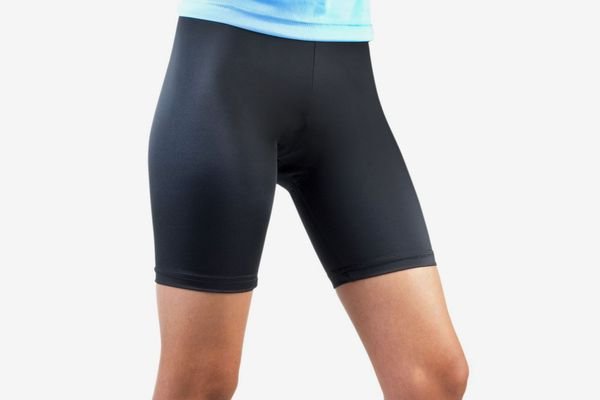
The functional case for longer compression short legs is straightforward: bare skin grips the mat and grips your opponent. If the leg panel ends mid-thigh, you’re giving up surface area to friction every time your thigh contacts the mat or your training partner grabs above the shorts line. Competition rulesets at IBJJF no-gi events and most submission wrestling tournaments require compression underlayers to extend below the outer shorts, which means the leg length of your compression shorts determines whether you’re legal or scrambling for a gear check at the registration table.
From a functional standpoint, most experienced no-gi grapplers settle on a leg length that ends just above the knee. This gives enough coverage to reduce friction and incidental skin grabs without restricting knee flexion or adding bulk under board shorts or fight shorts. The practical test is simple: move through a full closed guard position while wearing the shorts in question. If the leg panel rides up enough to bunch behind the knee or the hem cuts into your leg when you break someone’s posture, the leg length is wrong for your build regardless of what the size chart says.
Reading the Fabric Before You Buy
Compression shorts are typically made from a polyester-spandex blend. The spandex percentage drives the elasticity and recovery of the fabric — how quickly it springs back after being stretched. For grappling, the minimum functional spandex content is around fifteen percent, with most purpose-built grappling shorts sitting between fifteen and twenty-five percent. Below fifteen percent, the fabric tends to stretch out over a hard session and hold that stretch, which means the compression relaxes and the shorts start shifting. Above twenty-five percent, the fabric can feel restrictive in the wrong direction — too much recovery tension can actually limit range of motion in extreme hip positions, particularly during heel hook entries and outside leg attacks where the hips rotate well past a normal squat position.
Four-way stretch — fabric that extends both lengthwise and crosswise — is a baseline requirement for mat work. Two-way stretch only extends in one direction, which is sufficient for running but cuts off when the movement goes lateral. Check the label. If it only lists one stretch direction or doesn’t specify, treat it as two-way and shop accordingly.
Moisture management is the secondary fabric concern, and grappling is exceptionally wet work. Whatever blend you choose needs to wick sweat away from the skin rather than absorbing and holding it. Cotton compression shorts are a complete mismatch for the mat — they absorb moisture, get heavy, and lose their compression properties when wet. Polyester-dominant blends with a moisture-wicking finish are the baseline. Some fabrics include antimicrobial treatment to address the hygiene reality of repeated skin-to-mat contact across multiple sessions without washing in between — relevant for anyone training twice a day or traveling to tournaments.
Training Volume vs. Competition Use
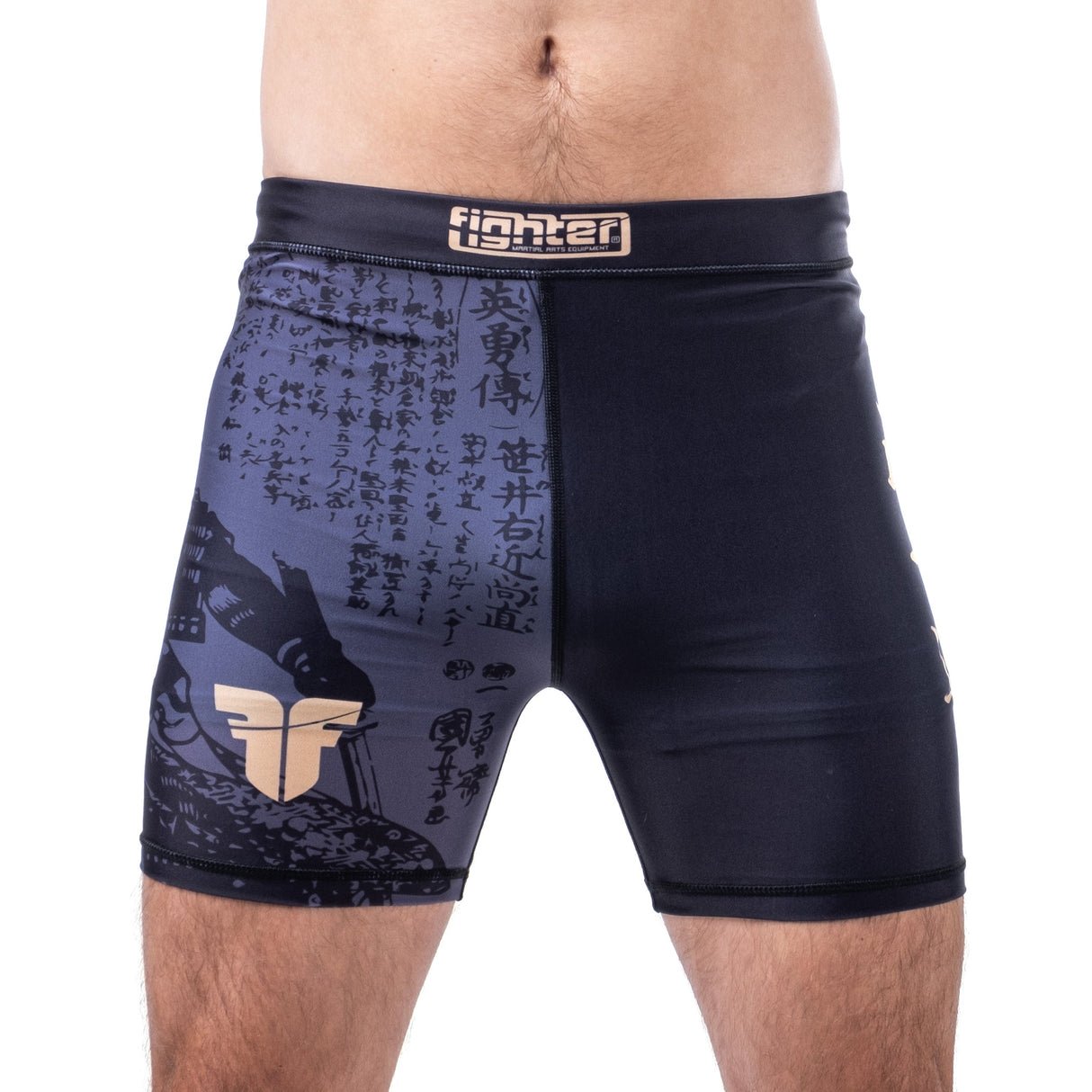
How you’re using the shorts should influence what you prioritize. If you’re training four or five days a week, durability and washability matter most. Grappling compression shorts absorb more mechanical stress in a single session than most athletic shorts see in a month, and they’re laundered constantly. Look for reinforced stitching at the high-stress points — the crotch, the waistband seam junction, and the hem — and check whether the care label confirms the garment handles repeated machine washes without breaking down the elastic in the waistband. Waistbands that lose tension after twenty washes are a training-volume problem that shows up quickly.
For competition the priorities shift. Fit becomes more critical because there’s no adjustment window between matches. Compression that’s tight enough to feel supportive without becoming a distraction is the goal. Some grapplers wear compression that’s one size tighter in competition than training on the basis that extra compression reduces muscle oscillation during explosive movements and translates to slightly less fatigue across multiple rounds — though the practical difference at the recreational and regional level is small. The more important competition-specific check is color: most submission wrestling and no-gi BJJ rulesets require the compression layer to match the outer shorts, or to be specifically white or black. Verify the ruleset before purchasing anything specifically for competition use.
Grapplers who get the most consistent performance from compression shorts tend to treat training and competition pairs as separate purchases on separate replacement schedules. Training pairs take the daily abuse and get replaced when the compression starts to go. Competition pairs are protected — reserved for events and hard rounds, not everyday drilling. It sounds like more gear to manage, but the gap in compression quality between a fresh pair and one with two hundred sessions on it is significant enough to notice in a match.
What to Check Before You Commit
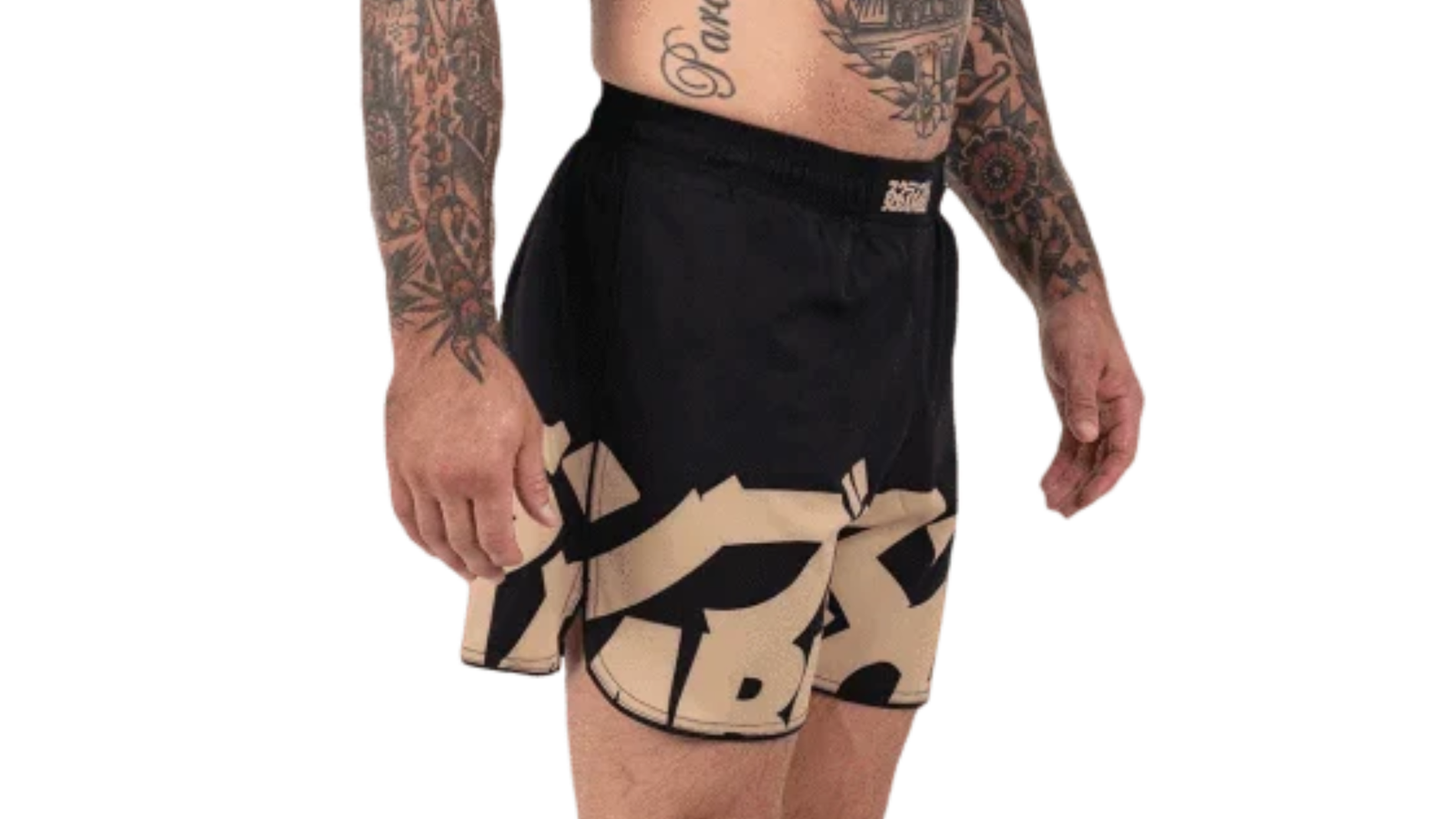
The evaluation framework when buying compression shorts for no-gi grappling reduces to five specific checks: the waistband width and whether it has an interior grip strip, the seam layout and presence of a gusseted crotch, the fabric spandex percentage and stretch direction, the leg length relative to your build and your competition ruleset, and the stitching quality at the crotch and waistband junction. None of those are things you can fully assess from a product photo or a marketing description.
Get the shorts in hand. Pull them through their range of motion before putting them on — stretch the leg panel laterally and check where fabric resistance appears. Tug the waistband sideways without holding the shorts stable and see whether the band rolls or stays flat. These are two-second tests that a product page will never run for you. The no-gi market now has genuine grappling compression shorts at most price points, so the choice between a purpose-built pair and a gym pair that looks similar is available at almost every budget level. The construction differences become obvious once you know what to look for.
Sources
- FloGrappling — No-Gi Competition Coverage
- IBJJF — Official Rulebook and Uniform Guidelines
- Wikipedia — Compression Garment