Best Gym Bags for BJJ: A No-Gi Grappler’s Guide to Hauling Wet Gear
Nobody warns you about the smell. You buy your first rashguard, a decent pair of shorts, and a mouthguard, and you show up to no-gi class ready to train. What nobody tells you is that within three weeks, the bag you tossed that gear into is going to become a small, damp ecosystem — a sealed nylon box holding a soaked rashguard, wet spats, and a towel that never fully dried from the session before. The best gym bags for BJJ are not the ones with the coolest branding or the most tactical webbing. They are the ones built to solve the single hardest problem in grappling: getting wet, sweaty gear home without turning your bag into a science experiment.
This guide is written for the no-gi grappler specifically. A gi player has different math — a heavy cotton kimono needs volume and structure, and it usually goes straight into the wash the moment they get home. No-gi gear is different. It is synthetic, it holds sweat and mat moisture like a sponge, and it lives in your bag between sessions far more often than it should. Choosing the right bag is less about capacity and more about airflow, materials, and how you separate the wet from the dry.

The Real Enemy Is Moisture, Not Capacity
Most beginners shop for a gym bag the way they’d shop for a suitcase: they look at how much it holds. That’s the wrong lens for grappling. A no-gi training kit is compact — a rashguard, shorts or spats, a towel, a water bottle, tape, a mouthguard case, and maybe a spare rashguard for a two-session day. All of that fits into a modest 25-to-35-liter bag with room to spare. Capacity is almost never the constraint.
Moisture is the constraint. A rashguard coming off after a hard round is saturated with sweat, and if you train no-gi you’re often rolling on mats that carry the moisture of everyone before you. Seal that gear inside an airtight nylon compartment for the drive home, leave it there overnight because you’re tired, and you’ve created the exact warm, damp, dark environment that bacteria and mildew love. That’s where the smell comes from — and it’s also how skin infections spread in grappling gyms. The best gym bags for BJJ are engineered around drying and separation, not around holding more stuff.
Ventilation: The Single Most Underrated Feature
Walk into any sporting goods store and you’ll see “vented” gym bags with a little mesh panel on one end. That mesh is usually a marketing gesture — a two-inch window that does almost nothing once the bag is packed. What actually matters is whether air can move through the main compartment while the gear sits inside it.
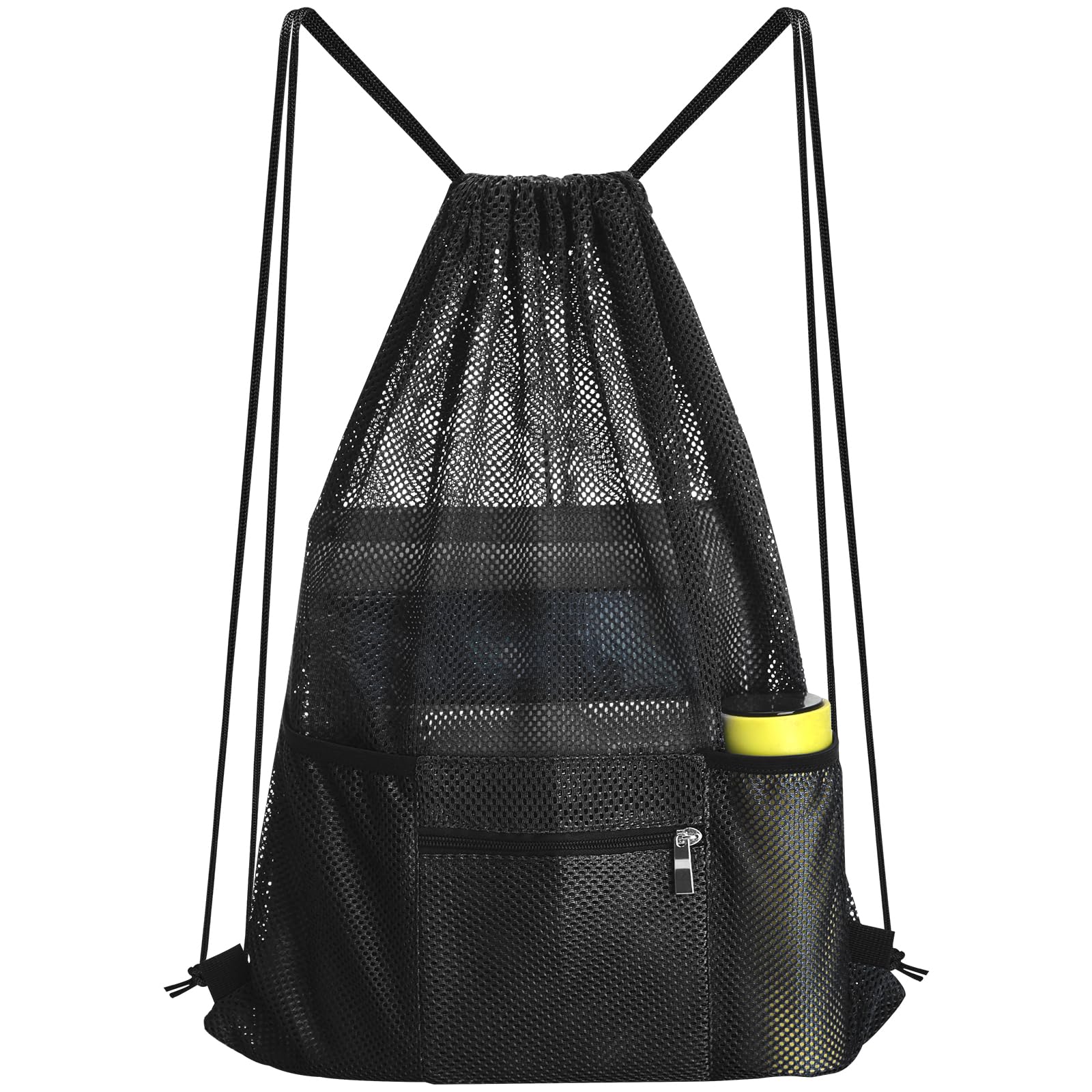
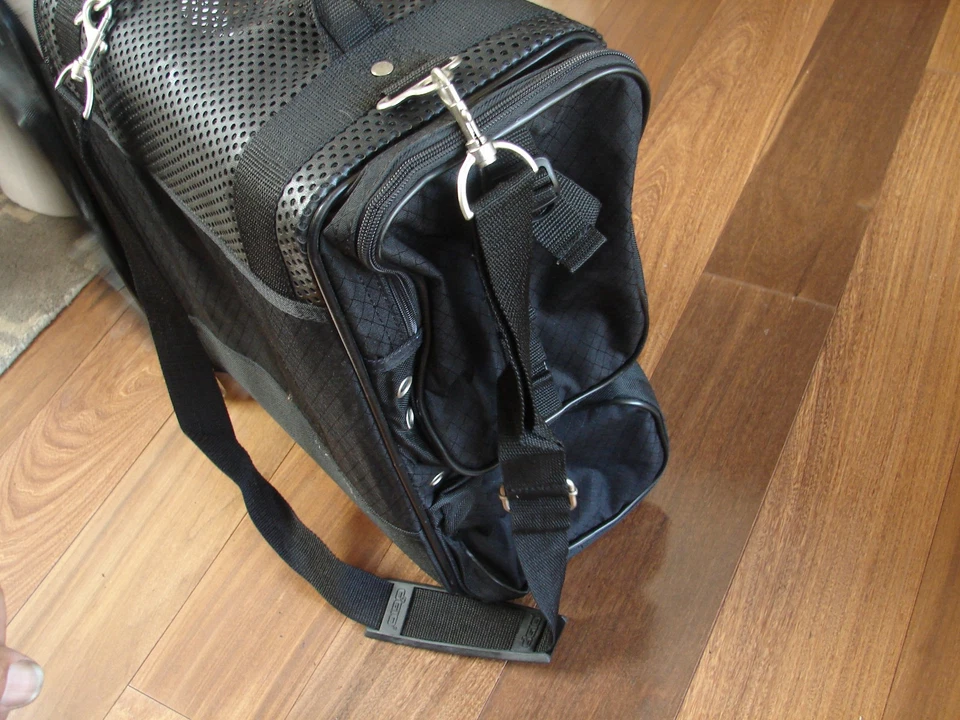
The most effective designs use large mesh side panels or a fully mesh-lined vented pocket that lets a wet rashguard breathe instead of steep in its own moisture. Some grappling-specific bags go further with grommet drainage holes in the base, so if you shove damp gear in, the water has somewhere to go besides your electronics pocket. When you’re evaluating a bag, do this test: imagine hanging it open on a hook overnight. Would air actually pass through the gear inside, or would it be trapped against solid nylon on all sides? If the answer is trapped, keep looking.
The Wet/Dry Compartment
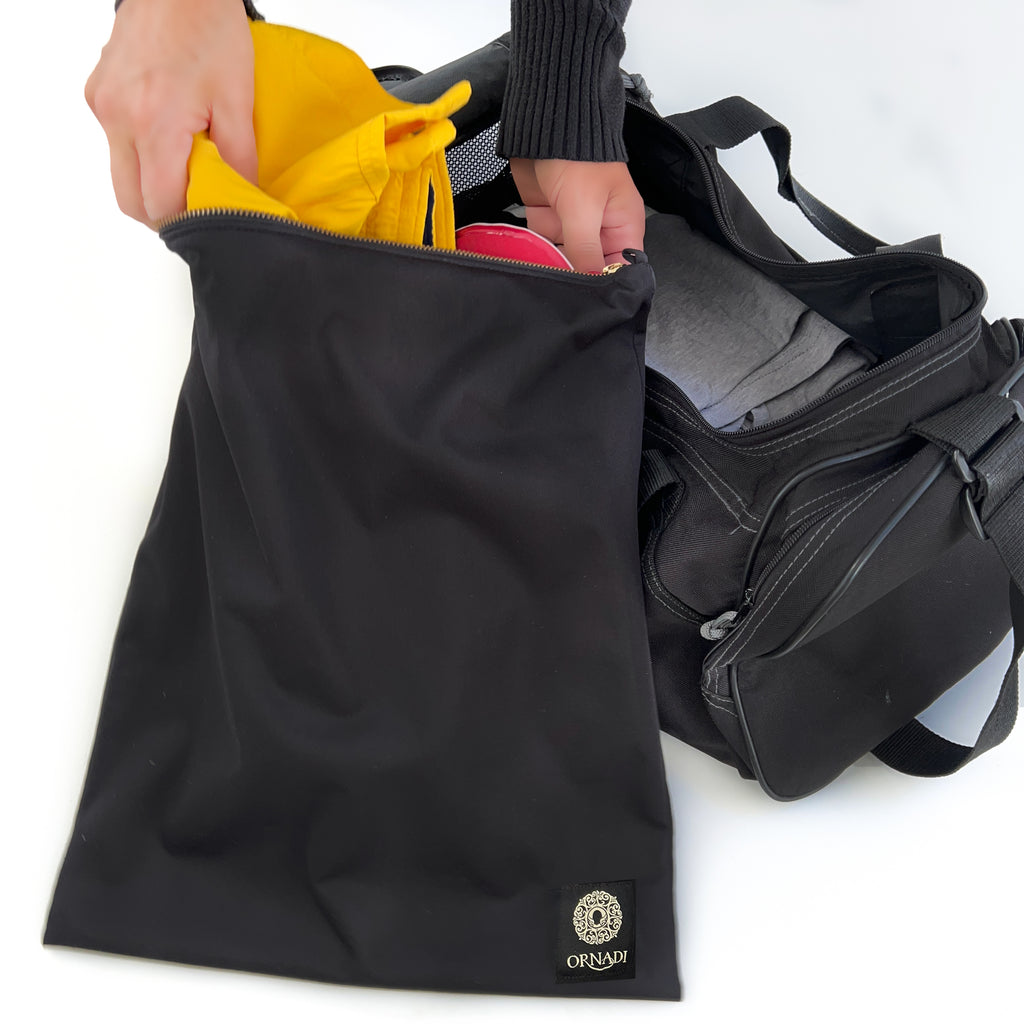
The feature that separates a real training bag from a repurposed weekender is a dedicated wet compartment. This is a sealed or semi-sealed pocket — sometimes a waterproof zippered section, sometimes a heavy-duty ventilated dry-bag insert — where your soaked rashguard and towel go so they don’t touch your clean clothes, your phone, or your keys. On a two-session day, or when you’re heading to work straight from morning open mat, this single feature is the difference between arriving presentable and arriving smelling like the mat.
You don’t strictly need a bag with a built-in wet pocket. A cheap alternative is a large mesh laundry bag or a dedicated ventilated wet-gear pouch you drop into any duffel. But if you’re buying new, a purpose-built wet compartment earns its place.
Duffel, Backpack, or Convertible?
There’s no universally correct format — it depends on how you get to the gym. Each style solves a different logistics problem, and understanding the trade-offs will save you from buying the wrong thing twice.
The Backpack
If you commute by bike, scooter, train, or on foot, a backpack wins. Your hands stay free, the weight sits on your back instead of dragging on one shoulder, and a good grappling backpack usually has a vertical layout that keeps your wet gear at the bottom and your dry essentials up top. The downside is volume: a backpack that stays comfortable to wear tends to top out around 30 liters, which is plenty for no-gi but tight if you also carry work clothes and a laptop.
The Duffel
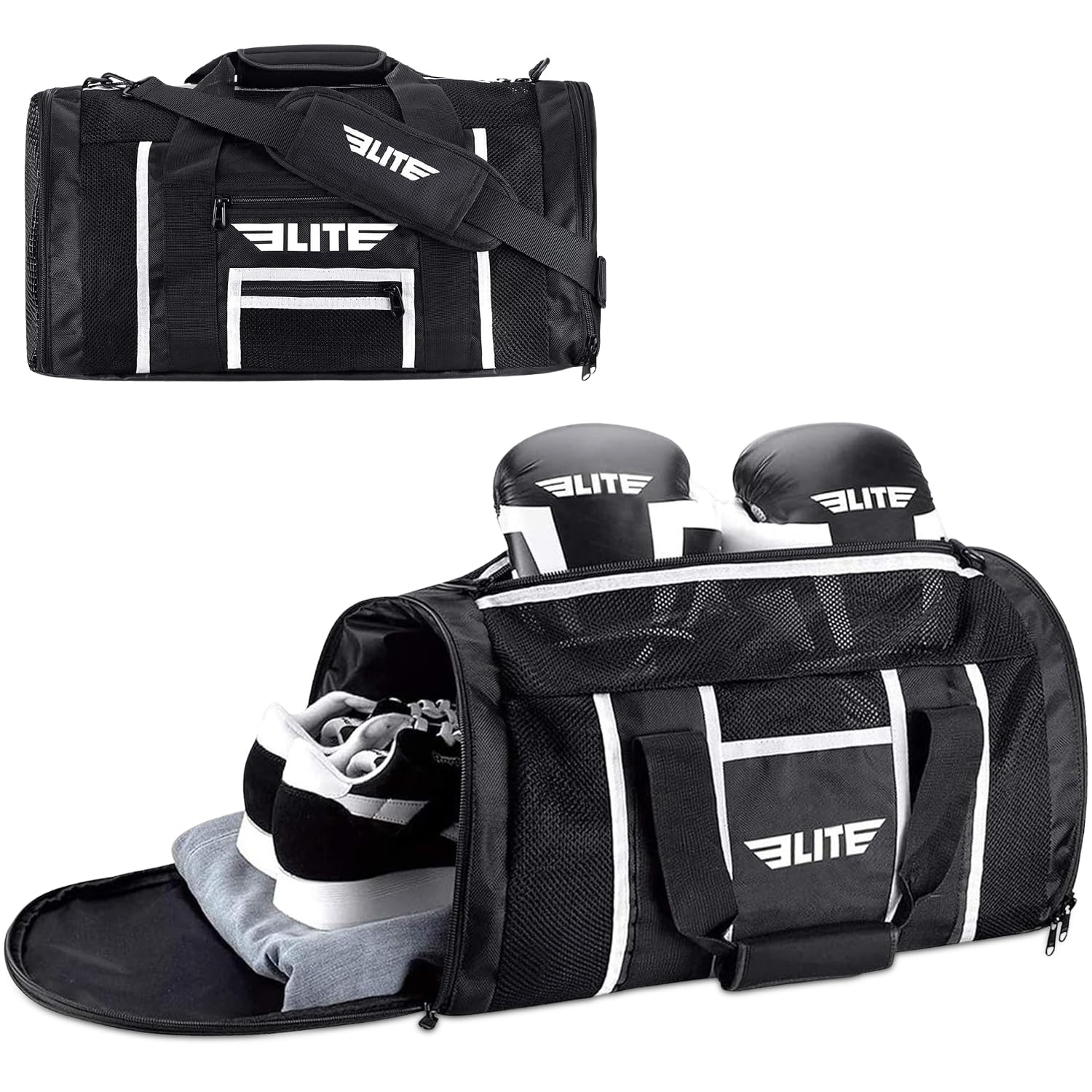
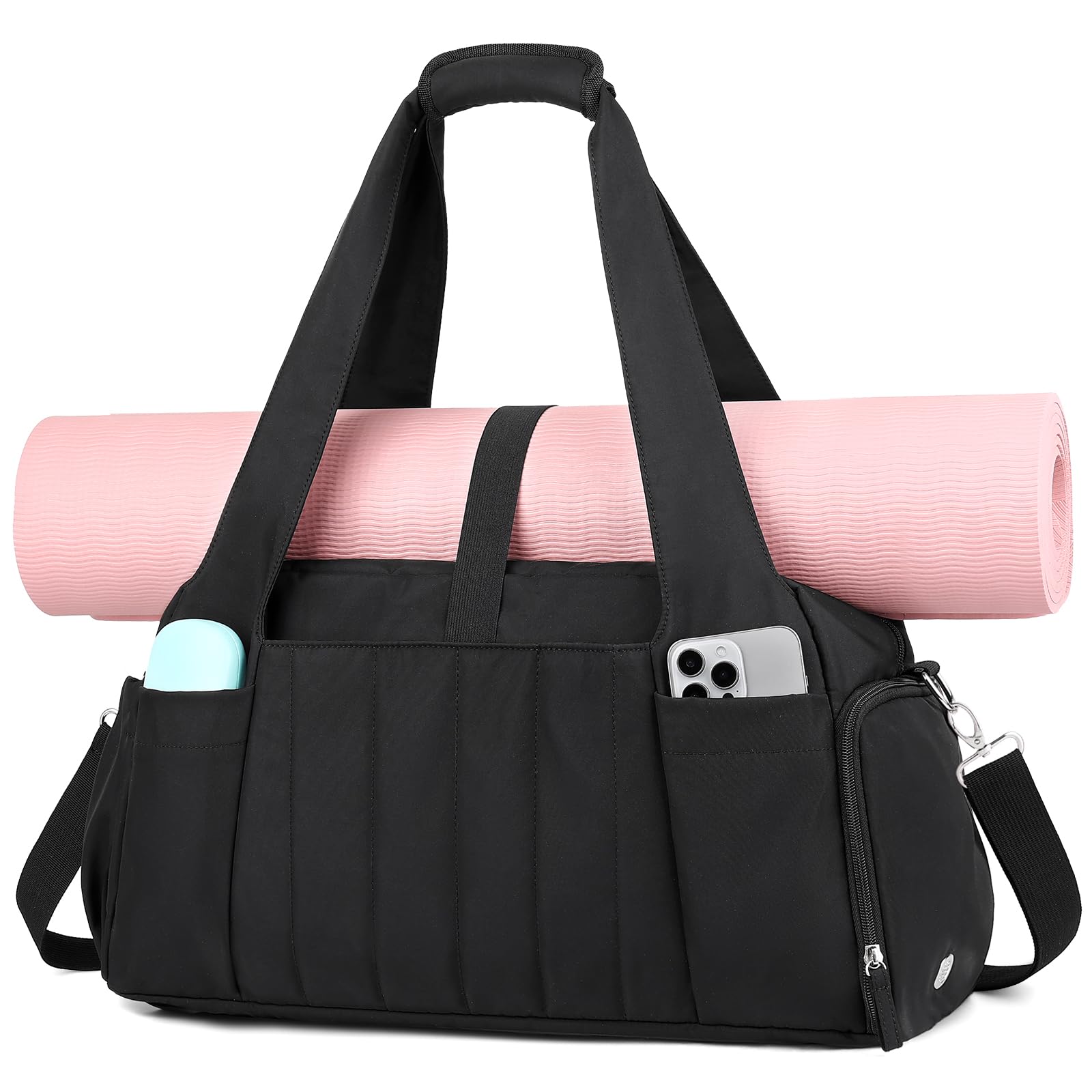
If you drive to training, a duffel is hard to beat. It swallows gear fast, opens wide so you can find things without excavating, and the better grappling duffels include the vented and wet compartments discussed above. The classic complaint — that a loaded duffel hammers one shoulder — matters less when the walk from your car to the mat is two minutes. Look for a duffel with a genuine wide-mouth U-shaped zipper rather than a narrow top slot; the difference in how fast you can pack and unpack is significant when you’re rushing before class.
The Convertible
Convertible bags — duffels with stowable backpack straps — try to give you both, and the good ones genuinely do. The compromise is that the backpack straps on a convertible are almost never as comfortable as those on a dedicated pack, because the bag’s shape is a horizontal duffel, not a vertical carrier. For most no-gi practitioners who mix commuting methods, a convertible is a sensible one-bag answer. Just don’t expect it to feel like a real hiking-grade backpack on a long walk.
Materials and Construction: What Survives the Grind
A BJJ bag lives a harder life than a normal gym bag. It gets thrown on locker room floors, stuffed under car seats, dropped on wet mats, and dragged in and out of gyms five or six times a week. The materials matter, and this is where cheap bags reveal themselves within a few months.
Look for a denier rating — the thickness of the fabric threads — of at least 600D for the body, and ideally 900D or higher at high-wear points like the base. A rubberized or tarpaulin bottom panel is a strong signal that the maker expects the bag to sit on wet floors. Zippers are where budget bags die first: a single flimsy coil zipper on the main compartment is a failure waiting to happen, while chunky YKK-grade zippers with paracord pulls will outlast the rest of the bag. Bar-tacked stitching at the strap anchors is another quiet marker of quality — those seams take the whole load every time you lift a soaked kit.
The Antimicrobial Question
Some grappling-specific bags advertise antimicrobial linings, and it’s a fair feature to value — but temper your expectations. An antimicrobial treatment slows odor and bacterial growth; it does not replace airflow and drying. No lining on earth keeps a sealed, wet rashguard fresh for two days. Treat antimicrobial coatings as a helpful backup to good habits, not a license to leave gear rotting in your bag. The real solution is the same one your coach nags you about: unpack the moment you get home, hang the gear to dry, and wash it before the next session.
Organization That Actually Matches No-Gi Life
The best gym bags for BJJ have pockets that map to how grapplers actually operate. A few compartments earn their keep, and the rest are usually just weight and zippers waiting to break.
- A ventilated main compartment for the bulk of your wet gear — rashguard, shorts, towel.
- A separate hard-ish pocket for your mouthguard case, tape, and skin-care essentials, kept away from anything wet.
- A quick-access valuables pocket — ideally fleece-lined — for your phone, keys, and wallet, positioned so you never have to dig through damp fabric to reach them.
- An external water bottle sleeve so your bottle isn’t sweating condensation onto everything inside.
- A shoe or sandal pocket — no-gi gyms are barefoot on the mat but you still need footwear to and from, and mat-adjacent floors are not somewhere your clean gear should touch.
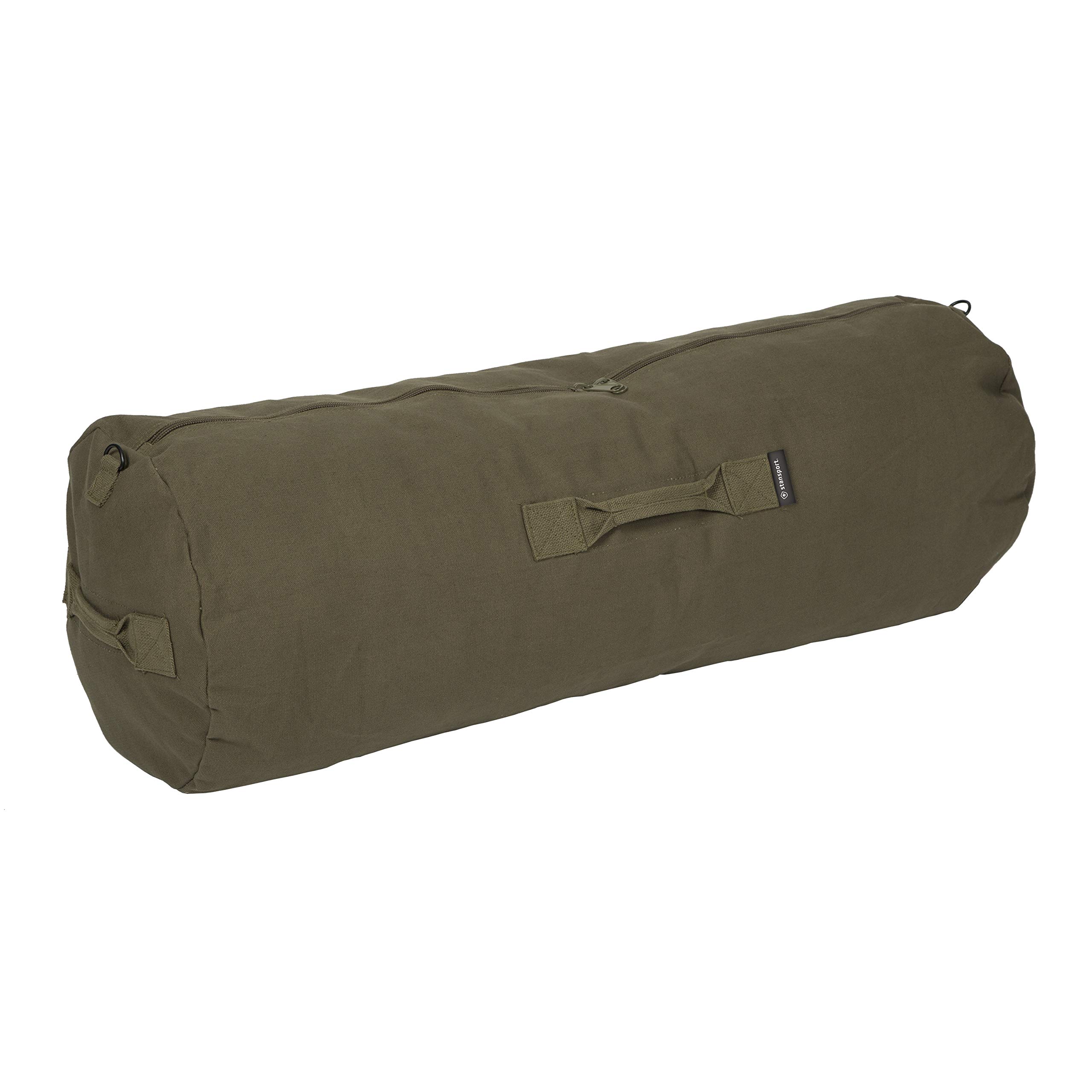
Notice what’s not on that list: a dozen tiny organizer slots, laptop sleeves you’ll never use for training, and molle webbing that snags on everything. Grappling gear is simple. A bag with four or five well-designed compartments beats a tactical monster with twenty, every time.
How Much to Spend
You can spend anywhere from twenty dollars to well over a hundred and fifty. The honest answer for most no-gi grapplers is that the sweet spot sits in the middle. Below about thirty dollars, you’re buying a generic gym bag with token ventilation and zippers that will fail within a training year. Above a hundred, you’re often paying for brand cachet and tactical styling that doesn’t make your gear dry any faster.
The bags that consistently earn their price are the grappling-specific mid-range options — the ones designed by people who actually train and who prioritized a wet compartment, real ventilation, and 900D-grade fabric over aesthetics. If you’re just starting out and want to test whether a dedicated wet pocket changes your life, buy a solid generic duffel and add a cheap mesh wet-gear bag inside it first. If it does change your routine — and for most people it does — upgrade to a purpose-built bag when the first one wears out.
The Bag Is Part of Your Hygiene System
It’s easy to think of a gym bag as a dumb container. In no-gi BJJ it’s more than that — it’s the piece of equipment that stands between a hard training week and a staph scare, between showing up fresh and showing up rank. The rashguard you rolled in is expensive and worth protecting; the skin you’re rolling with is worth protecting more. A bag that ventilates, separates wet from dry, and survives the daily grind is a small investment that pays off in gear that lasts longer, smells cleaner, and doesn’t quietly grow the things that get grapplers pulled off the mat.
So when you shop for the best gym bags for BJJ, forget the capacity war and the tactical styling. Ask the three questions that actually matter: Can air move through it? Can it keep the wet away from the dry? And will it survive a year of being thrown around a grappling gym? Get those right and everything else is preference.
Sources
- CDC — skin infections and hygiene in contact sports
- IBJJF — official rules and no-gi guidelines
- Amazon — BJJ gym bags with wet/dry compartments
- Amazon — vented grappling duffel bags