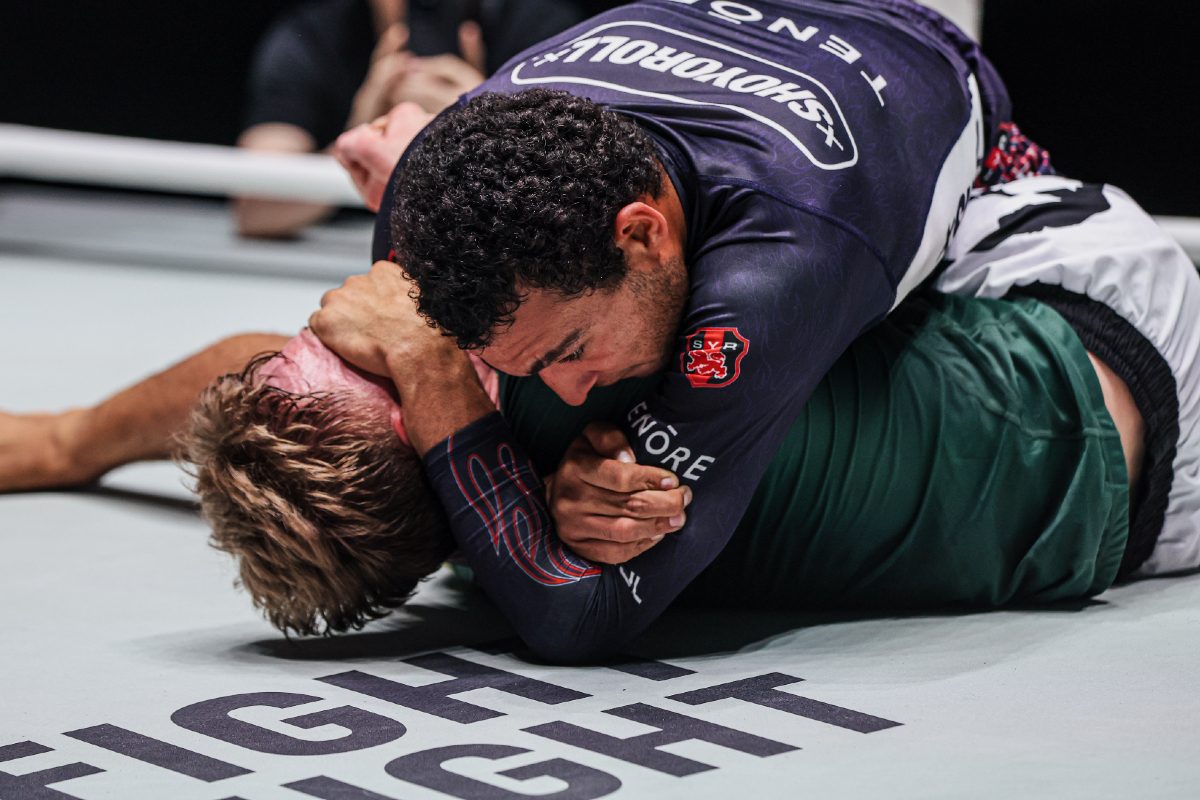
Arm Triangle Choke: 7 Essential No-Gi Setups & Finishes
A standard arm triangle renders an opponent unconscious in about 7.2 seconds once it is locked correctly — one of the fastest strangles in grappling. That speed is exactly why no-gi competitors from the ONE Championship circle down to the local Sunday open mat reach for it. There is no collar to grab, no sleeve to pull, and no gi friction to slow the finish. It is you, your shoulder, and their trapped arm doing the work. Below are seven setups that reliably land, the finishing details most people botch, and how to escape the choke when you end up on the wrong end of it.
What Makes the Arm Triangle Choke So Effective in No-Gi
The mechanics are almost unfair. Your arm and shoulder pin one carotid; the opponent’s own trapped shoulder and arm crush the other. They are being choked by half of their own body. Because the pressure comes from bone and muscle rather than fabric, the choke travels perfectly from gi to no-gi — unlike collar chokes that fall apart the moment the jacket comes off.
The trade-off is honest: it is a grinding, positional submission, not a flashy one. You earn it with pressure and patience, not speed. The upside is that a well-set arm triangle is nearly impossible to muscle out of once your head is on the mat and your hips are square. Most people who “escape” it actually escaped the setup, in the two-second window before the choking arm sank under the chin.
Why the Bite Matters More Than the Squeeze
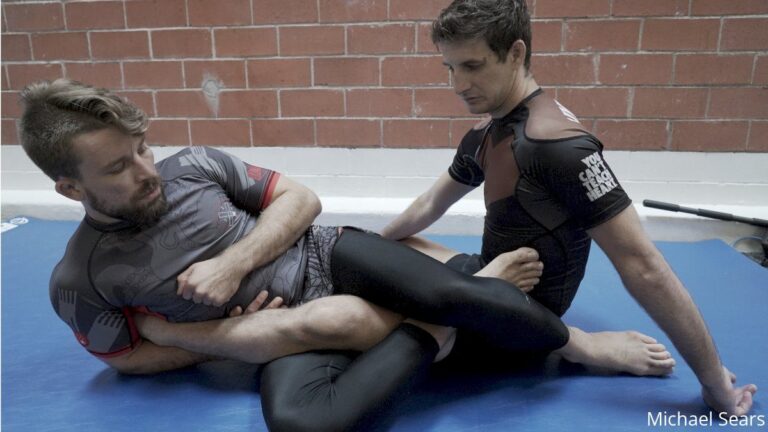
New grapplers try to finish the arm triangle by squeezing their arms harder. That is the wrong lever. The finish lives in the “bite” — how deep your choking arm threads under the neck and across the throat before you lock your hands. If your bicep is on their jaw instead of their neck, no amount of squeezing works. Thread the arm so your elbow clears the far side of their head and your forearm sits under the chin against the near carotid.
Once the bite is deep, the grip barely matters. A palm-to-palm gable grip is plenty; you do not need a figure-four. Kill the space, drop your shoulder onto the side of their neck, and let your bodyweight — not your biceps — do the strangling. This is the single detail that separates a choke that stalls from one that taps a training partner in three seconds.
7 No-Gi Arm Triangle Setups That Actually Land
This is not one technique — it is a finish you can arrive at from half the positions in grappling. These seven entries hold up against a resisting, sweaty no-gi opponent.
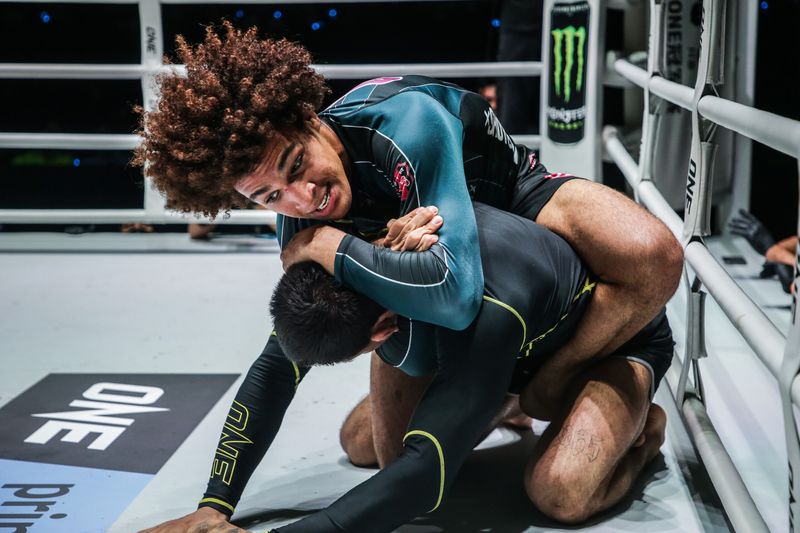
- From mount, off a failed cross-face. When you have mount and they turn to their side to bridge, their bottom arm floats across their own neck. Feed your arm under their chin, dismount to the side their trapped arm is on, and settle into the choke. The bridge they used to escape is what hands you the submission.
- From side control, off the “answer the phone” frame. The moment they push your head with their far hand and turn in, trap that arm against their ear, dig your choking arm through, and switch your hips toward their legs. Their defensive frame becomes the trapped arm.
- Off a stuffed guillotine. You shoot, they slap on a guillotine, you pass to side control. Rather than fully clearing their arm, keep it pinned across their throat and convert straight into the arm triangle. It is the cleanest counter to a lazy guillotine in no-gi.
- From knee-on-belly. When they push into your knee to create space, that pushing arm is already halfway across their neck. Sag your shoulder down, thread the bite, and step over. Quick and brutal against panicked bottom players.
- Back-take to arm triangle. Take the back, they defend the rear-naked choke by fighting your hands and turning in. As they turn belly-down and one arm crosses their face, ride to top and lock the head-and-arm. If the rear-naked choke stalls, this is your best plan B.
- Off a scramble in the front headlock. From a sprawl and front headlock, if they explode up into you, redirect their near arm across their throat, spin to the side, and land in the choke. High-risk, high-reward against wrestlers.
- The kimura-to-arm-triangle switch. Attack a kimura from side control; when they straighten the arm to defend, that arm is already glued to their neck — abandon the shoulder lock and choke them with it. Two threats, one trapped limb.
How to Finish When They Won’t Tap
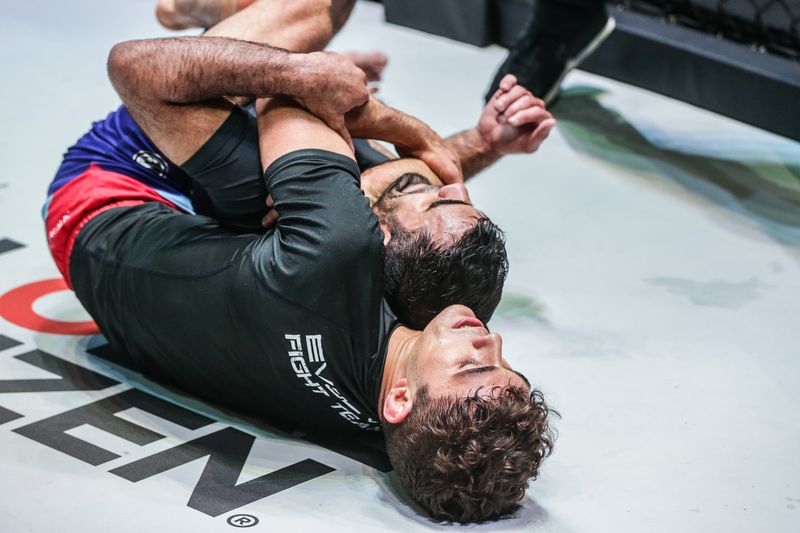
You have the bite, your hands are locked, and they are still breathing. Nine times out of ten the problem is your hips, not your grip. Walk your feet toward the side of their trapped arm and flatten your chest onto their sternum. That angle change is what closes the last bit of space on the carotid. Grapplers who stay perpendicular and squeeze forever are working against their own angle.
Drop the shoulder of your choking arm hard into the side of their neck and drive your head into the mat next to theirs — low, not high. Keep your hips down so they cannot turtle and stand. If they defend by grabbing their own trapped hand, break the grip by walking further around and using your chest to smother. The north-south choke uses the same “let the bodyweight do it” principle, and drilling the two together builds the pressure instinct fast.
Escaping the Arm Triangle From the Bottom
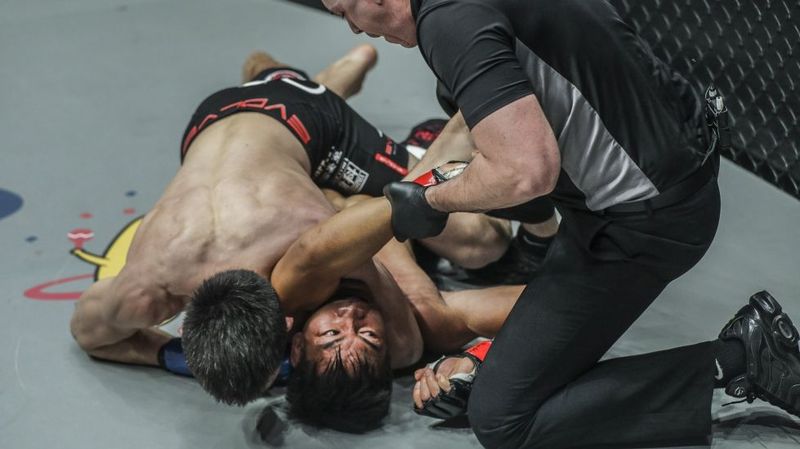
Prevention beats escape every time. The best defense happens before the choking arm is deep: the instant you feel an arm cross your neck, get your trapped elbow back to your own hip. A trapped arm that returns to your side is an arm they cannot choke you with. If you wait until their hands are locked, your window is nearly closed.
If it is already locked, do not lie flat. Turn into your opponent, not away — turning away pushes your neck deeper into the strangle. Bridge toward the trapped arm and shrimp to rebuild your frame, working your elbow down the centerline. Walking your hips toward the open side and coming up on your near elbow can also relieve the pressure long enough to spin out the back. The one thing that never works is bench-pressing them off while your arm is buried.
Conditioning That Makes Your Squeeze Unbearable
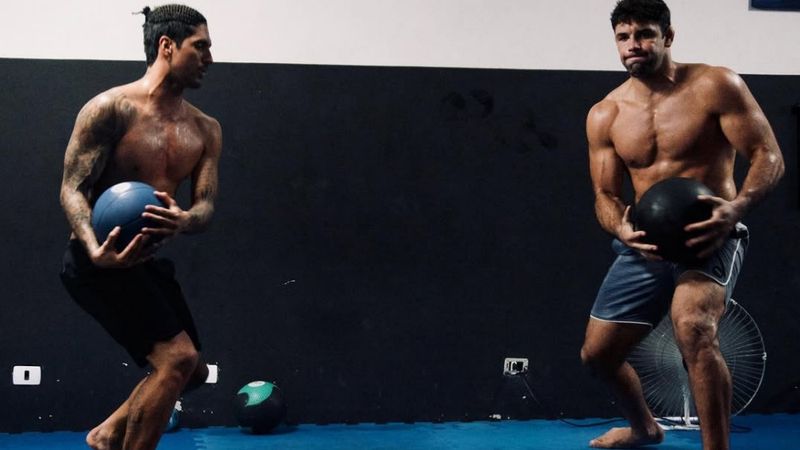
This choke rewards a specific kind of strength: the ability to hold a tight, grinding isometric squeeze while your hips keep moving. That is not a bicep curl. Medicine-ball carries, heavy sandbag hugs, and front-loaded squats build the chest, shoulder, and trunk pressure that actually finishes the choke. Grapplers who gas out mid-squeeze usually have the technique — they just cannot sustain the position for the ten seconds it takes.
Neck and grip work matters on both ends of this choke. A strong neck is your first line of defense when you are the one caught, and durable grips let you hold the lock through their thrash. Two or three focused sessions a week is plenty; you are training endurance in a squeeze, not a one-rep max.
Common Mistakes That Cost You the Tap
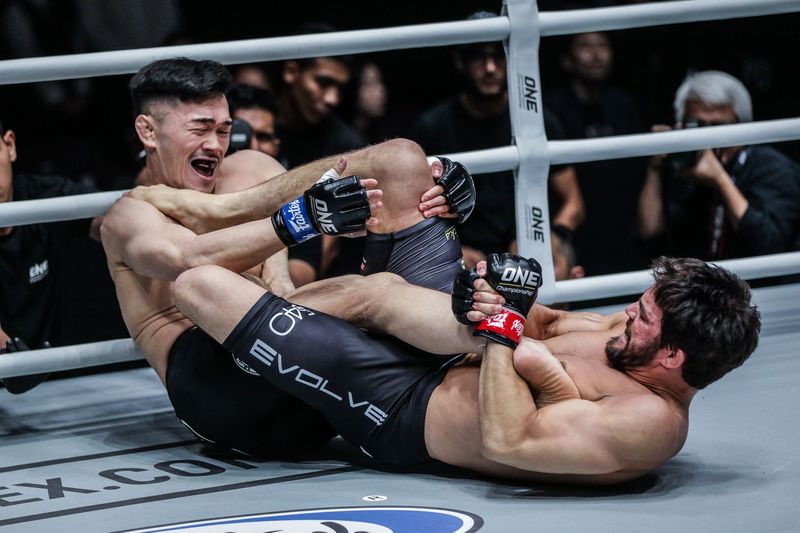
The most common error is dismounting to the wrong side. You must move toward the trapped arm, not away from it — go the wrong way and you release the very pressure that makes the choke work. The second is finishing too high on the neck, with the bicep on the jaw instead of the forearm on the throat. The third is staying square and grinding forever instead of walking the hips to change the angle.
One more: rushing the bite. If your arm is not deep, reset rather than force a shallow lock — a bad arm triangle is a free pass to the back for your opponent. Patience on the entry is what turns this from a hopeful squeeze into a fight-ending strangle.

Add one arm triangle entry to your game this month — the mount-off-the-bridge version is the easiest to drill live — and finish it a hundred times on a compliant partner before you chase it in a hard roll. Once the bite and the hip walk become automatic, you will start catching it in scrambles you never planned for. For a deeper look at the pressure-passing that feeds every one of these entries, work it alongside your side-control and mount attacks until the transition is muscle memory.
Sources
- Arm triangle choke — Wikipedia — mechanics, carotid compression, and finishing speed of the head-and-arm choke.
- Kata gatame — Wikipedia — the judo origin of the arm triangle and its shift from hold-down to choke in no-gi.
- How To Perfect The Kata Gatame In BJJ — Evolve MMA — positional entries and finishing details for the arm triangle.
- Arm Triangle Choke (Kata Gatame) — Grapplearts — breakdown of the choke for BJJ, no-gi, and MMA.
- The History Of Submission Grappling In ONE Championship — context on elite no-gi competition and finishing rates.
Browse our top-rated rashguards and no-gi gear at the RashguardGuy shop →