
Rashguards in Open Water Swimming: Drag, Visibility, and Sting Defense
Open water swimming and Brazilian jiu-jitsu look like opposite sports — one happens in a saltwater current half a mile from shore, the other on a mat under fluorescent gym lights. But thousands of grapplers reach for their no-gi rashguard when they head to the beach for a long swim, and the question of whether that’s the right call deserves more than a shrug. The fabric and construction overlap. The use case does not. Understanding where a BJJ rashguard helps in open water and where it falls short separates a smart cross-training choice from a costly mistake at mile two.
What Open Water Actually Does to a Rashguard
Pool swimming is filtered, temperature-controlled, and chlorinated. Open water — ocean, lake, river — is none of those things. The fabric of a rashguard meets salt or fresh water saturated with biological matter, suspended sediment, ultraviolet radiation unfiltered by glass roofs or pool covers, and physical contact with whatever drifts past. A typical training swim in an open water environment lasts thirty minutes to two hours. A grappling round in a rashguard lasts five.
This time-on-fabric difference compounds everything. Salt absorbed across a one-hour swim concentrates in the fibers as the garment dries on the swimmer’s body after exit. UV exposure during a long ocean swim — much of it deflected upward off the water surface, hitting the underside of the arms and chin — accumulates at levels mat training never produces. A rashguard designed to survive twenty-minute rolls in air-conditioned gyms encounters none of this stress, and the original specification document rarely accounts for it.
Drag and Stroke Mechanics
The single largest difference between a swim-purpose rashguard and a grappling rashguard is how the fabric behaves in continuous freestyle motion. A grappler’s rashguard is built tight against the torso to deny grips and seal out friction, but it is also built to allow rotational flexibility — bridging, shrimping, scrambling. The sleeve fits the bicep snugly and ends at the wrist or forearm.
In freestyle swimming, the catch and pull phase of each stroke recruits the lats and rotates the shoulder through a much larger arc than any grappling movement. The rashguard sleeve resists that rotation if the panel layout was designed for mat geometry instead of overhead reach. A swimmer doing two thousand strokes in an hour will notice the resistance. The shoulder ends the swim more fatigued than it should be, the catch shallower than it should be, and the swimmer attributes the deficit to fitness when the answer is gear.
Drag matters in both directions. A rashguard adds a thin layer of fabric that the swimmer drags through the water, and that drag is amplified at the wrists, neck, and waistband — any seam where water enters and exits the garment. Competition swim shirts use bonded seams, raglan sleeves, and slick coatings that reduce this drag. Grappling rashguards use flatlock stitching designed for friction control on a mat. The seams are stronger but bulkier, and they catch water.
Visibility and Boat Safety
A grappling rashguard rarely considers external visibility. Why would it — the room is bright, the opponent is two feet away. In open water, that calculation reverses entirely. Swimmers training in coastal water, in lake recreation areas, or in any waterway shared with boat traffic depend on bright contrasting colors to signal their position to motorboats, kayakers, paddleboarders, and rescue craft.
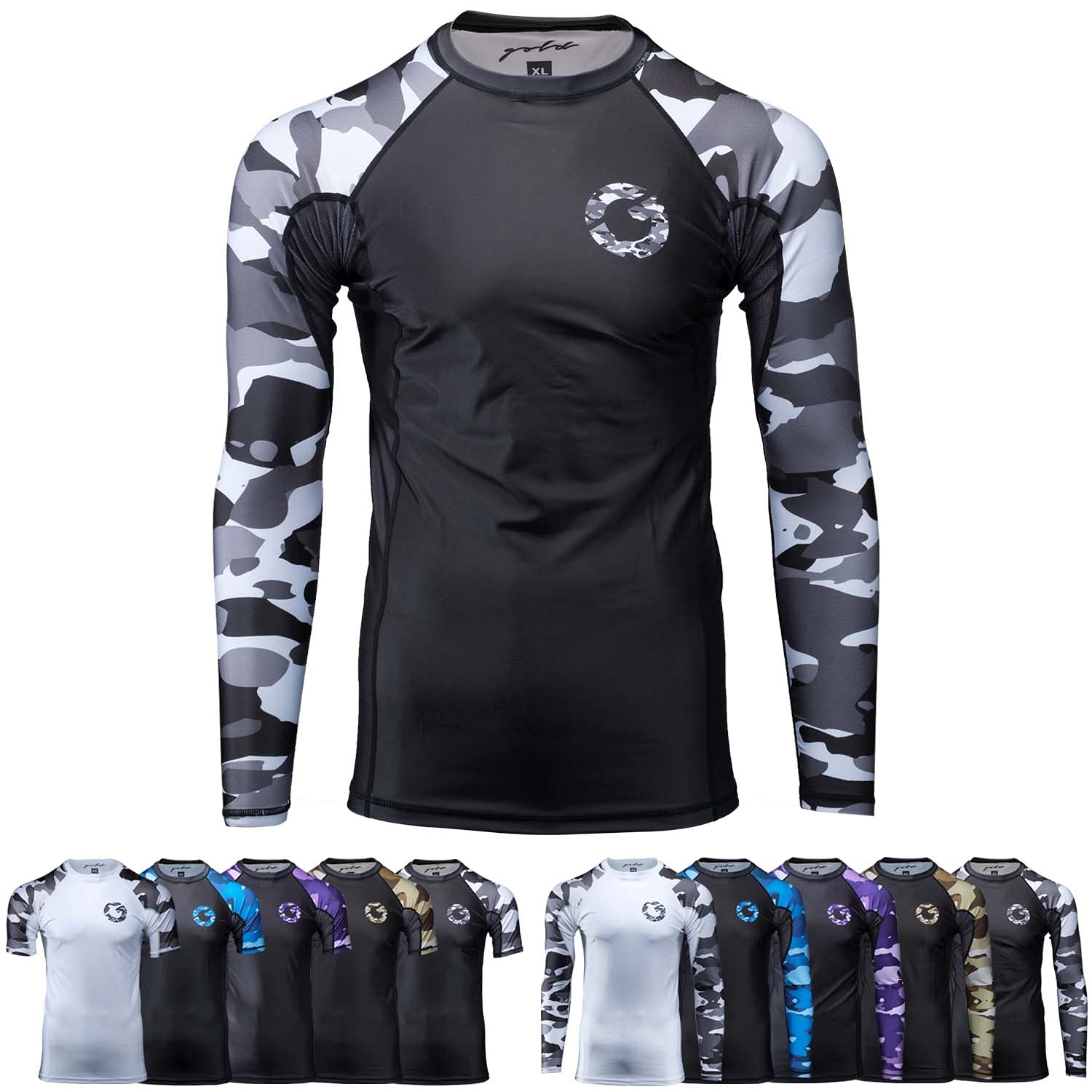
Black is the most common color for a BJJ rashguard. Black is the worst possible color for open water swimming. From a boat at fifty meters, a swimmer in black blends into the chop on any day with sun glare or surface texture. Safety guidance from open water swim organizations consistently recommends high-visibility orange, yellow, or pink as primary colors, with reflective panels on the shoulders if low-light swimming is involved.
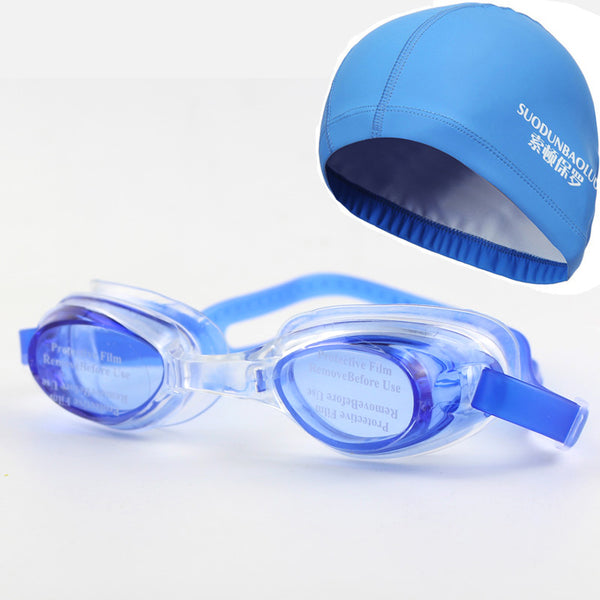
A grappler who owns three black rashguards from his gym kit and decides to wear one for a Sunday open water session is making a safety compromise without thinking about it. The fabric will do the UV job. The color will not do the visibility job. A bright-colored swim cap is the partial fix; pairing it with a brightly colored rashguard and a tow float is the better one.
Jellyfish, Sea Lice, and Mechanical Stings
In tropical and subtropical waters — the kind of conditions a Taipei-based grappler training at Fulong, Kenting, or anywhere along the Pacific coast encounters routinely — jellyfish and sea lice are part of the swim. Sea lice are not actual lice but the larval stage of certain jellyfish and anemones, microscopic stinging cells that drift in the water column and become trapped under swimwear. The classic sea lice rash pattern appears wherever the swimsuit pressed against skin: bathing suit lines, waistband, sports bra band.
A long-sleeved rashguard reduces sea lice exposure by covering the chest, abdomen, and arms with a fabric layer the larvae cannot reach. This is a real protective benefit and one of the reasons rashguards crossed from grappling into open water culture in the first place. The same logic applies to lower-grade jellyfish stings: a rashguard does not stop a Portuguese man-of-war tentacle, but it absorbs much of the contact from milder species and prevents tendril wrap on the torso.
The catch is that the rashguard must seal at the neck and waistband. A loose-fitting top, or one that rides up during the swim, traps stinging larvae against the skin in exactly the bandlike pattern that causes the worst sea lice reactions. A tight grappling-cut rashguard with a snug crew neck actually performs better here than a loose-fitting swim shirt sold in the resort gift shop.
Temperature Across Long Duration
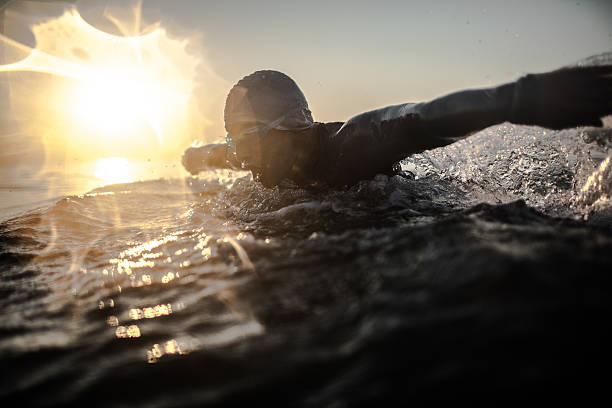
Pool swimmers rarely worry about hypothermia. Open water swimmers do, even in tropical climates, because continuous immersion drains body heat faster than air exposure at the same temperature. Water conducts heat from the body roughly twenty-five times faster than air. A two-hour swim in seventy-eight-degree water can drop core temperature into a borderline range for an unacclimated swimmer, especially in the predawn or twilight sessions many marathon trainers prefer.
A rashguard offers some thermal benefit by reducing convective loss from the chest and shoulders — the areas with the largest surface area exposed to flowing water during freestyle. The benefit is modest compared to a neoprene wetsuit, but real. For races and sessions where wetsuits are not permitted or not warm enough to justify, a long-sleeved rashguard worn over swim briefs or under a thin tri suit adds a measurable layer of insulation.
The grappling-cut rashguard’s tight fit is actually an advantage here. The thinner the water layer trapped against the skin, the less heat is wasted warming new water as the body moves. Loose-fitting swim shirts allow water to flush continuously through the garment, defeating the small thermal benefit. The same snug fit a BJJ athlete uses to deny grips also seals the rashguard against the skin for thermal regulation in cool water.
UV Exposure on the Water
Anyone who has spent an hour in the open water on a sunny day knows the sunburn pattern is unique: the back of the neck, the underside of the chin, the back of the arms. The water reflects ultraviolet radiation upward, doubling effective exposure on surfaces a land-based person would not consider at-risk. A swimmer’s back is exposed to direct sunlight; the swimmer’s chin and inner arm are exposed to reflected UV from below.
A long-sleeved rashguard with a UPF rating of 50 or higher blocks 98 percent of UV transmission through the fabric. For a grappler used to indoor training, this is the obvious crossover benefit. A two-hour ocean swim without sunscreen and without UV-protective clothing produces a burn most people will remember for a week. The same swim in a UPF 50 long-sleeved rashguard with reef-safe sunscreen on the face, ears, and hands is sustainable as a training pattern.
The caveat covered elsewhere on this site applies in spades to open water: UPF degrades faster in salt water than fresh, faster in stretched fabric than relaxed, and faster after repeated sun exposure. A rashguard that tested at UPF 50 new may drift to UPF 30 after a season of heavy ocean use. For open water swimming, replace the swim rashguard more aggressively than the mat rashguard.
Chafing Across Miles
A five-minute round of jiu-jitsu produces friction at the underarms, neck, and waistband. A ninety-minute freestyle swim multiplies that friction by repetition count. The shoulder rotates against the rashguard sleeve thousands of times. The crew neck rubs the underside of the chin on every breath. The waistband shifts as the hips drive each stroke. Open water swimmers in long-sleeved rashguards develop a specific chafing pattern at the underarm and inner bicep that mat training rarely produces.
The fix is a combination of fabric and lubrication. Flatlock seams in the underarm panel reduce the mechanical contribution. Body Glide or a similar non-petroleum lubricant applied to the underarm, nipples, and inner thigh before the swim handles the rest. Grapplers cross-training into open water need to add this step; it is not part of the mat warm-up.
A grappling rashguard built with a paneled bicep, raglan sleeve, and minimal underarm seam translates well to long swims. A rashguard built with a straight set-in sleeve, traditional armhole seam, and seam-stitched underarm panel does not. Inspecting the underarm construction is a five-second check that predicts chafing performance better than any marketing copy.

When the Grappling Rashguard Is the Wrong Tool
Honest answer: long open water races, triathlons with strict equipment rules, and any swim where the body’s thermal load is at risk for hours all call for purpose-built swim apparel. A competition tri suit, a regulation open water race singlet, or a thermal swim jacket beat a grappling rashguard at their intended job. The grappling rashguard wins in the training swim, the casual open water session, the post-mat ocean cool-down — settings where versatility matters and the swim distance is moderate.
Knowing which side of that line a given session falls on is the difference between using gear well and forcing it. A grappler who swims three times a week as cross-training is well-served by his existing rashguard collection plus a brightly colored swim cap and a tow float. A grappler training for a 5K open water race should buy a swim-specific suit and reserve the BJJ rashguard for mat use.
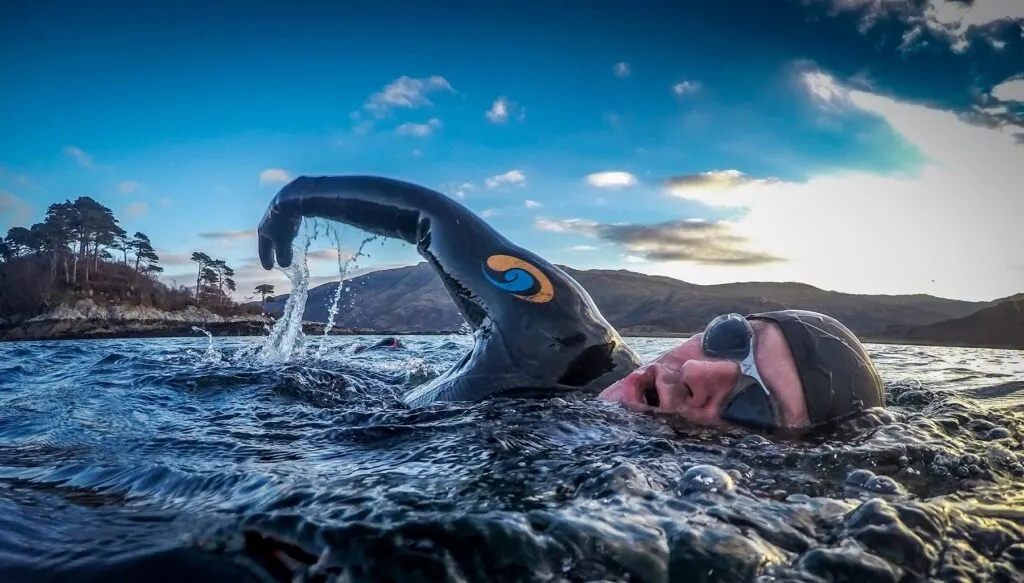
The Salt Water Care Problem
Salt water degrades rashguards faster than chlorinated pool water, which degrades them faster than fresh tap water. The reason is concentration: as the rashguard dries after an ocean swim, residual salt crystallizes inside the fibers and the elastane filaments embedded in the polyester knit. Each crystallization cycle abrades the elastane from inside, accelerating the loss of stretch and the slow drift toward bagginess.
The fix is a freshwater rinse immediately after exit. Not a quick splash — a thorough rinse with cool fresh water, ideally within thirty minutes of exiting the ocean. Letting a salt-saturated rashguard dry on the deck of the car or in a beach bag during the drive home accelerates the damage more than the swim itself did. For grapplers who train at the beach and then drive an hour back to the gym, a sealed dry bag with a freshwater bottle for an immediate rinse is the simplest gear upgrade available.
The mat-only rashguard sees sweat, body oil, and the occasional spilled coffee. The ocean rashguard sees a chemical environment that requires active maintenance. Treating them the same in the laundry routine is how grapplers burn through three rashguards in an ocean season when one should have lasted two.
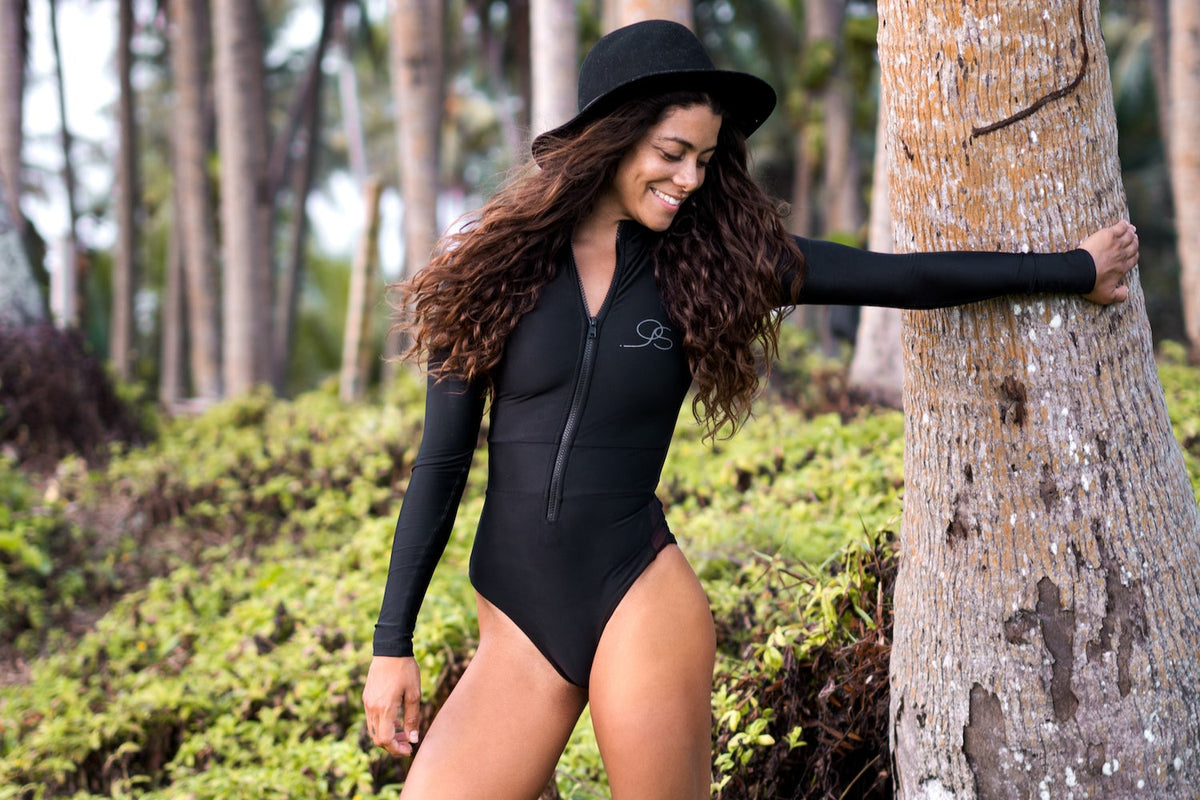
Picking a Crossover Rashguard
The criteria for a rashguard that handles both mat and open water duty are narrower than the all-purpose marketing suggests. Look for a high-contrast color (anything but black), UPF 50+ with a recent manufacture date, flatlock or bonded underarm seams, a raglan or panel-cut sleeve for shoulder rotation, a snug crew neck that does not gap when the chin tucks for breathing, and a hem that sits well below the waistband when the arms are overhead. The same rashguard that meets these criteria typically performs above average on the mat as well — the construction overlap is real.
Brands building rashguards primarily for surfing and SUP often hit these criteria almost by accident. Brands building rashguards primarily for grappling sometimes do and sometimes do not, depending on the model. Reading product descriptions for the words “raglan sleeve,” “flatlock seam,” and “UPF 50+” is a faster filter than reading the brand’s story.
Sources
- US Masters Swimming — open water swimming guidance and safety
- Wikipedia — Seabather’s eruption (sea lice)
- Skin Cancer Foundation — UV exposure and water reflection
- Wikipedia — Open water swimming
- Browse open water swimming rashguards on Amazon
Training BJJ in Taipei? TaipeiBJJ.com has training resources and gym guides for the Taipei BJJ community.
Browse our top-rated rashguards and no-gi gear at the RashguardGuy shop →