DIY Cauliflower Drainage: Why Aspiration Belongs in a Doctor’s Office
You feel the lobe puff up after a sweaty no-gi session. The mirror confirms it: a soft, doughy swelling above your ear canal. Somewhere in your group chat a teammate has already typed “just drain it bro” and linked an Amazon syringe kit for nineteen dollars. Before that needle goes anywhere near your cartilage, this is what your future self wants you to read.
Cauliflower ear is one of the few grappling injuries where the temptation to self-treat outpaces the temptation to self-diagnose. Most grapplers will at least Google a heel hook ache before icing it. With a fresh ear hematoma the math feels different — clear problem, simple-looking fix, painful price tag at the doctor. So thousands of no-gi rolls end the same way: kitchen lighting, 18-gauge needle, and a hope that nothing important is underneath.
What actually happens when you go that route is the subject of this article. It is not a how-to guide for home drainage. It is the opposite — a case for spending two hours at urgent care today so you don’t spend three months wearing magnetic compression splints later.
What a fresh ear hematoma actually is
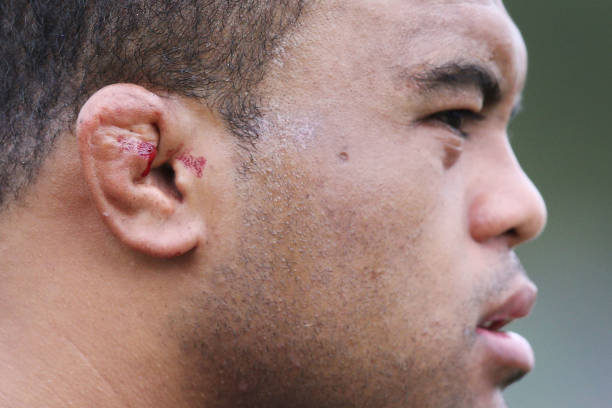
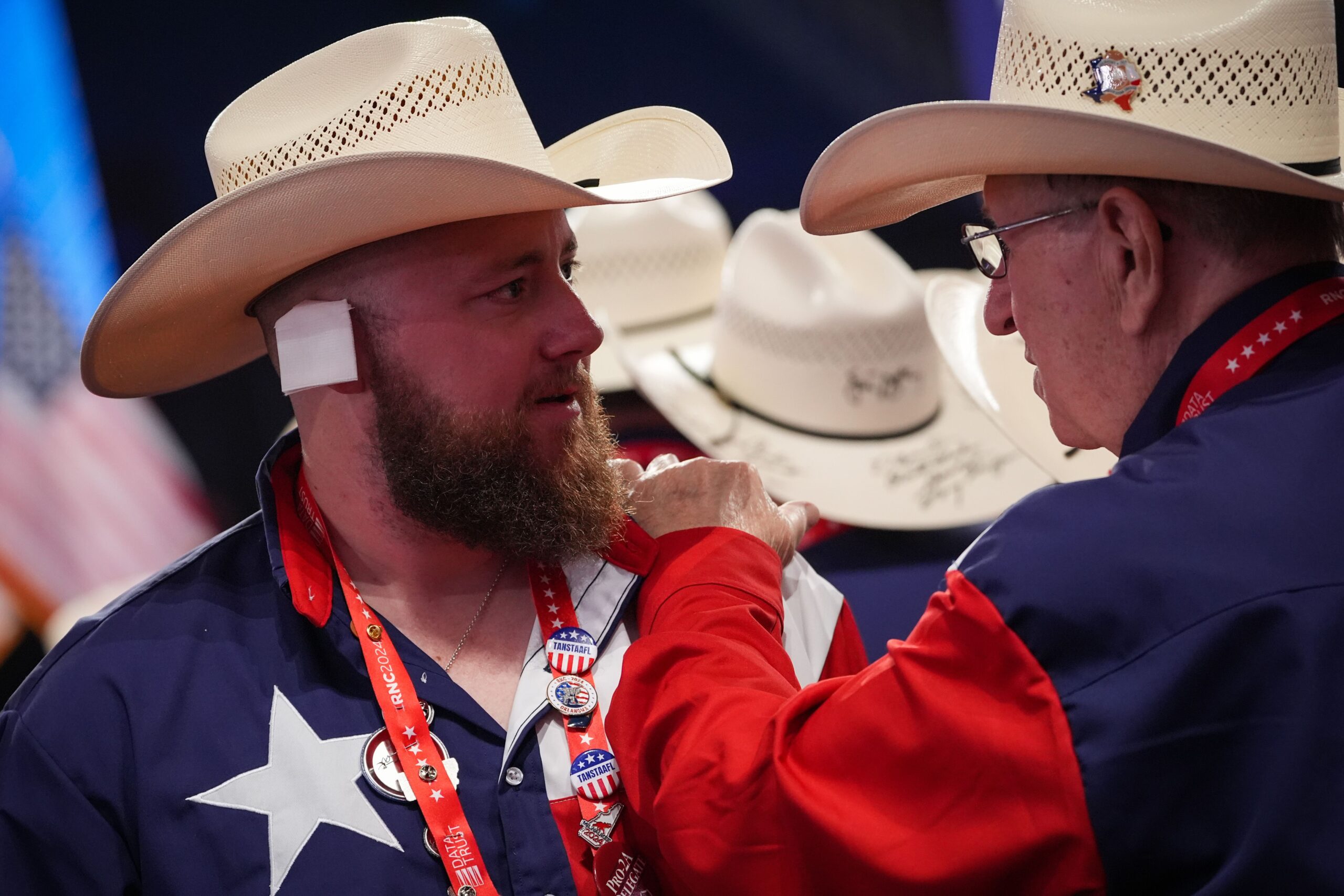
When a hard heel pop or a sloppy crossface mashes your auricle, the perichondrium — the thin membrane that wraps and feeds your ear cartilage — tears away from the cartilage itself. Blood pools in the new pocket. That pocket is the hematoma.
Your ear cartilage has no blood supply of its own. It lives off nutrients diffusing through that perichondrial layer. Once the membrane is separated by a pool of blood, the cartilage underneath starts to starve. Within seventy-two hours, the body responds by laying down fibrocartilage and, eventually, calcium deposits. The smooth shell of the ear is replaced with a knotted, lumpy version that no longer drains cleanly, no longer holds headgear properly, and no longer goes back.
That seventy-two-hour window is why grapplers panic. It is also why bad decisions get made.
The window is real but not as tight as Reddit says
Most ENT literature describes a roughly seven-day window where aspiration plus compression still produces a clean cosmetic outcome. You do not need to be at the clinic the same night. You do need to be there in the next two or three days, before the clot organizes and the perichondrium starts re-adhering in the wrong shape.
Why DIY aspiration is so tempting for no-gi grapplers
Three things drive the kitchen-needle decision:
- Cost. A cash-pay ENT visit in many U.S. cities runs $300–$600 once the aspiration fee and supplies are billed. A 10-pack of 18-gauge needles online is under $15.
- Convenience. Walk-in urgent care can mean four hours in a waiting room with a clipboard. Drainage in your own bathroom takes seven minutes.
- Bro lore. Every gym has at least one purple belt who claims to have aspirated his own ear since 2014 with no problems. Survivorship bias is a hell of a drug.
None of those are wrong on their face. The problem is what they leave out.
Three things that go wrong when you aspirate at home
1. Non-sterile technique invites perichondritis
The most expensive complication of a cauliflower ear is not the cosmetic deformity — it is perichondritis, a bacterial infection of the cartilage itself. Pseudomonas is the usual culprit, and it does not care that you wiped the needle with rubbing alcohol. A confirmed perichondritis case typically means oral fluoroquinolones, sometimes IV antibiotics, and a real chance that the cartilage is permanently scarred even if the infection clears.
A clinical aspiration uses sterile single-use packaging, chlorhexidine or povidone-iodine skin prep, and a clean dressing change-out. Your bathroom counter does not.
2. Re-bleeds happen without proper compression
A drained ear that is not compressed will fill back up. This is the most common DIY failure point. Bolster sutures, dental rolls taped against the contour, or magnetic compression splints all do the same job: hold the perichondrium against the cartilage so the pocket cannot reopen.
Most home jobs end here. The ear drains beautifully, looks normal for twelve hours, and is puffier than ever by morning. Now there is more scar tissue, more cartilage starvation time, and a smaller window for a clean outcome.
3. Blind needle insertion can puncture cartilage
Cartilage punctures bleed less than soft tissue but they create new channels for blood to pool in. Repeated DIY attempts at the same ear are the fast lane to permanent texture. Doctors aspirate from the most dependent (lowest) edge of the swelling at a shallow angle, often with the ear pulled taut. You cannot reliably reproduce that geometry on yourself in a bathroom mirror.
What an actual clinic visit looks like
A walk-in for a fresh ear hematoma is one of the faster ENT or urgent care encounters you will ever have. Expect:
- Five-minute intake — they have seen this before, especially in any city with a wrestling or grappling scene.
- Skin prep with iodine or chlorhexidine.
- Aspiration with a 16- or 18-gauge needle from the inferior edge of the swelling.
- Compression — either a bolster sutured through the ear, a dental-roll-and-tape sandwich, or a magnetic splint set you take home.
- Five-day antibiotic prescription, often a topical plus an oral.
- One follow-up visit at seven to ten days to remove the bolster and inspect for re-accumulation.
Total time on-site is usually under ninety minutes. Total time off the mat with this protocol is two to three weeks. Total time off the mat with a botched DIY job and a re-bleed cycle can be two to three months.
ENT vs urgent care vs the ER
For a fresh, uncomplicated hematoma the order of preference is: ENT same-day if available, urgent care with a physician (not just a nurse practitioner) who is comfortable aspirating, then a non-trauma ER as a last resort. ERs will treat it, but the wait and the bill will both be worse than urgent care for an injury this routine.
Cost reality check for cash-pay grapplers
The “a doctor is too expensive” argument deserves real numbers. In most U.S. metros in 2026:
- Urgent care cash pay: $150–$250 for the visit, $50–$120 for the procedure, $20–$40 for supplies and antibiotics.
- ENT cash pay: $250–$400 for the consult, $100–$200 for the aspiration itself.
- With PPO or HMO insurance: typically a copay of $30–$75 plus prescription cost.
Compare that to the lifetime cost of a permanent cauliflower deformity if you decide later you want it surgically corrected: otoplasty for cosmetic cauliflower runs $3,000–$8,000 per ear and is rarely covered by insurance. The math favors the urgent care trip on the first hematoma every time.
Return to training after a clean aspiration
Even when a doctor handles the procedure, you cannot roll the same week. A reasonable return-to-mat protocol for no-gi grapplers looks like this:
- Forty-eight to seventy-two hours: no head pressure at all. No mat work. Walking and light cardio are fine.
- Days three through seven: solo drills, no partner contact. Keep the compression in place exactly as prescribed.
- Days seven through fourteen: light positional rolling in padded wrestling headgear. Avoid stack passes, knee-on-belly, and anything that loads the ear directly.
- Week three onward: normal training with padded headgear for at least four more weeks, then re-evaluate with your clinician.
The grapplers who rush this step are the grapplers who become the cautionary tale at their gym. Mat hygiene matters here too — a fresh puncture wound on your ear in a no-gi training environment is an open invitation for staph and ringworm. Wash, dry, and cover.
Prevention is still cheaper than every option above
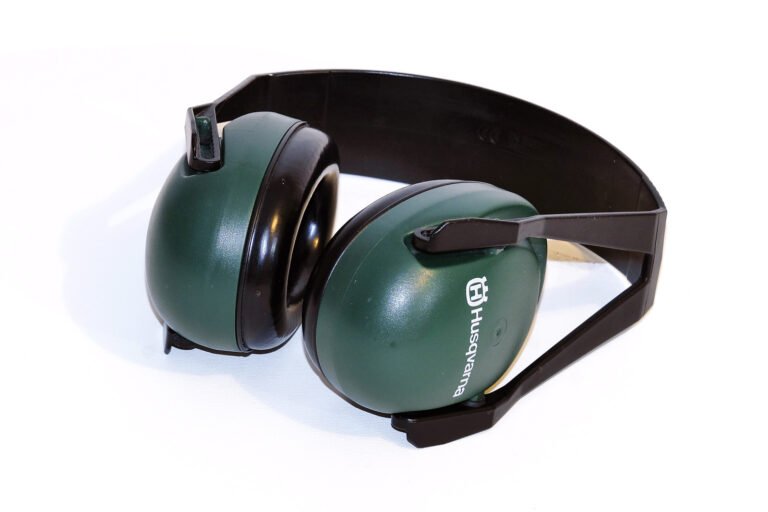
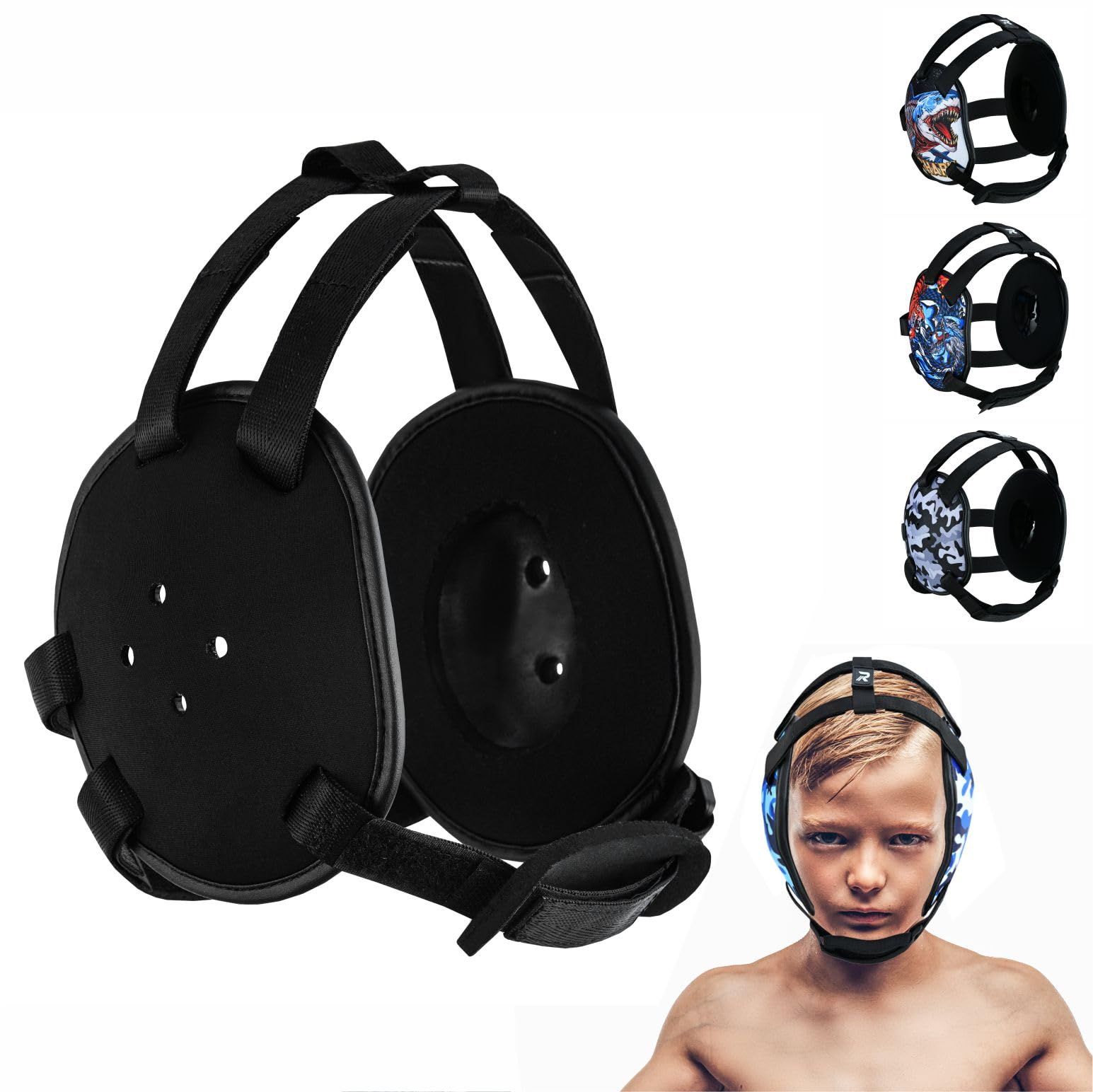
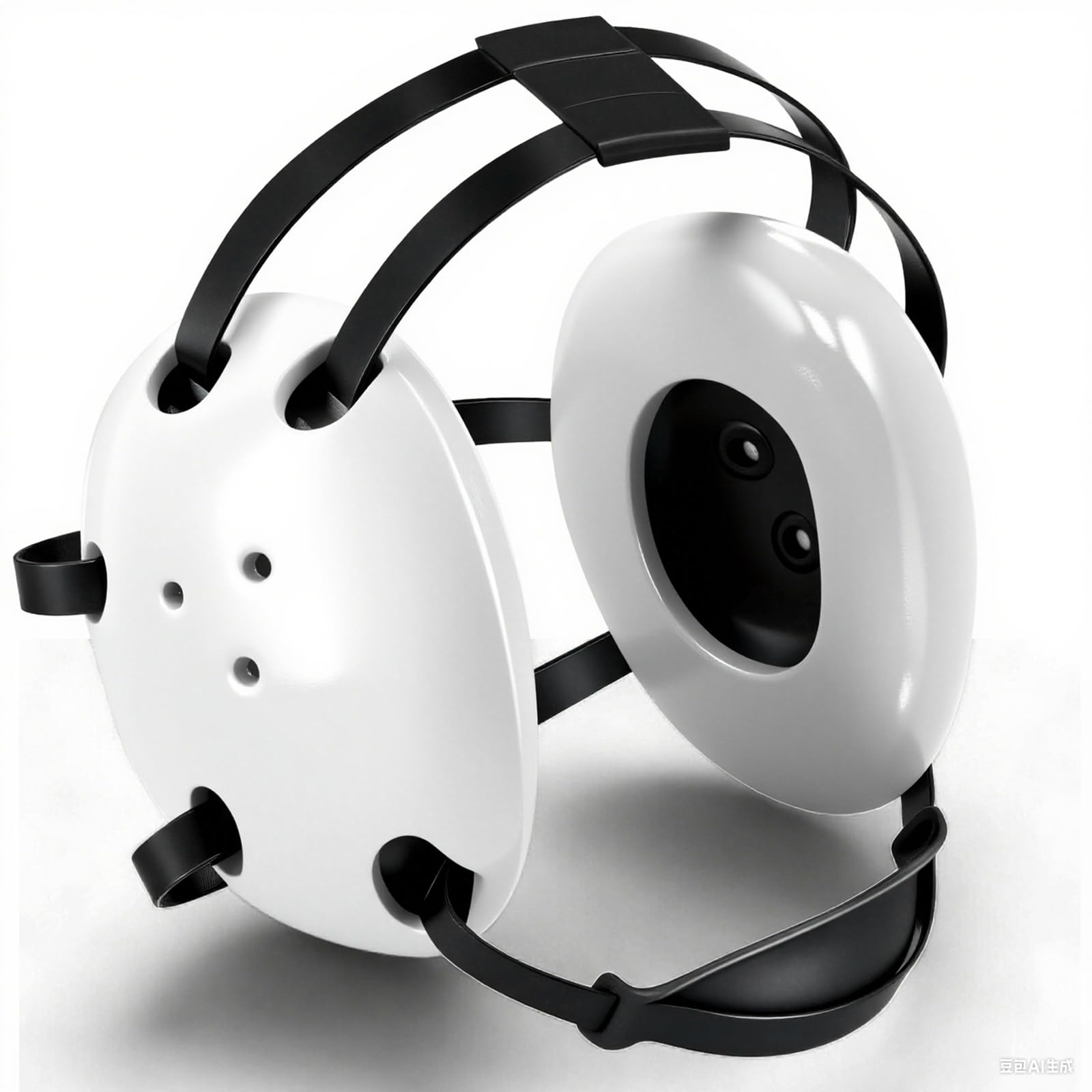
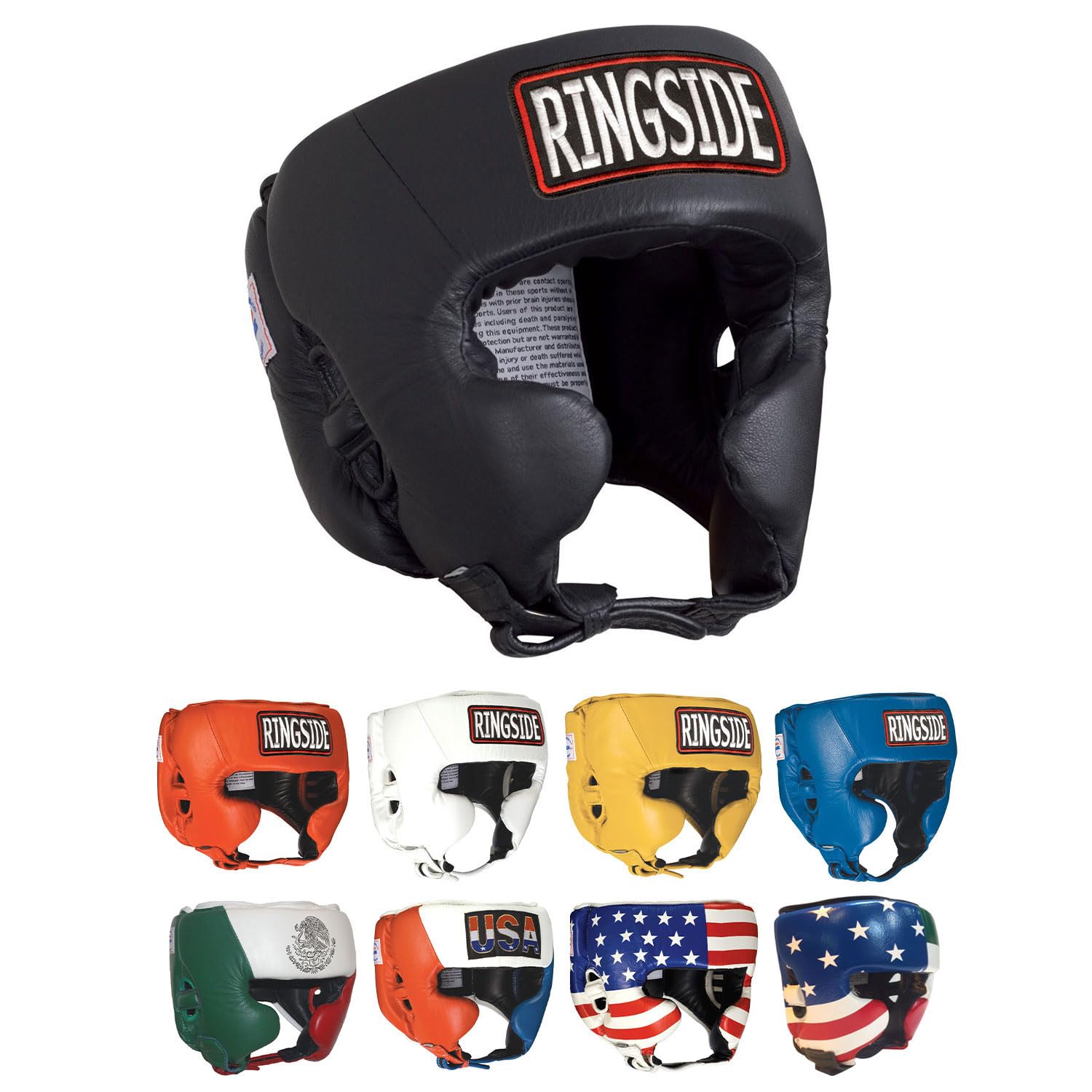
The cheapest cauliflower treatment is the one you never need. Padded wrestling headgear with proper strap tension prevents most hematomas in no-gi training, where head friction is constant and there is no collar to soften the pressure. A decent set runs $40–$80 and lasts years if you do not leave it in a sweaty gym bag.
If you have already accepted that you will train without headgear, build in a faster reaction time instead. Any new swelling that is soft and doughy gets an urgent care appointment within forty-eight hours. Any swelling that is hard, painful to the touch, hot, or accompanied by fever is an ER trip — that is perichondritis until proven otherwise.
The bottom line on DIY drainage
Aspirating your own cauliflower ear is one of those grappling decisions that looks rational right up until it goes wrong. The needle is cheap, the procedure looks simple on YouTube, and the savings appear obvious. The actual cost — infection risk, re-bleed cycles, permanent deformity, eventual otoplasty — is invisible until it is not.
If you train no-gi long enough, you will deal with at least one hematoma. Handle the first one professionally and you may never deal with another that needs intervention. Handle it with a kitchen syringe and you will probably handle that same ear four more times before it stiffens into the shape it keeps for life.
Spend the two hours at urgent care. Wear the headgear next week. Your future self will thank you.
Sources
- Mayo Clinic — overview of auricular hematoma management and perichondritis warning signs.
- American Academy of Family Physicians — outpatient aspiration protocols and follow-up timing for ear hematomas.
- National Institutes of Health — clinical literature on cartilage damage timelines after untreated auricular hematoma.
- Amazon — Wrestling headgear — common padded models used in no-gi training for daily ear protection.
Browse our top-rated rashguards and no-gi gear at the RashguardGuy shop →