The Ink Problem: How Rashguard Printing Affects Grip and Slide in No-Gi
Sublimation, screen print, or blank fabric — the way a rashguard is printed changes how it slides under an opponent’s grip. Here’s what the ink is actually doing to your rolls.

Sublimation, screen print, or blank fabric — the way a rashguard is printed changes how it slides under an opponent’s grip. Here’s what the ink is actually doing to your rolls.
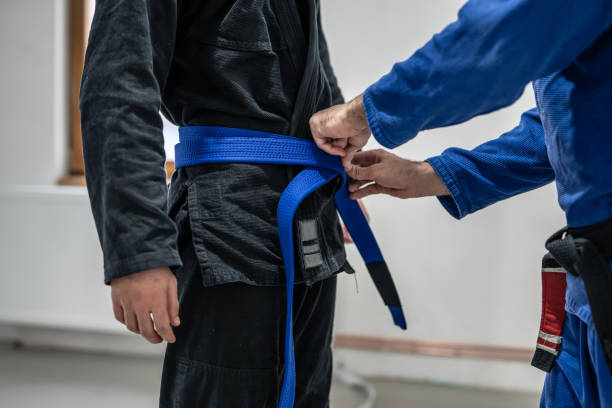
Fade resistance is built into a rashguard long before your first wash. Here is how fiber, dye method, and knit density decide whether the color lasts — and how to read a spec sheet before you buy.
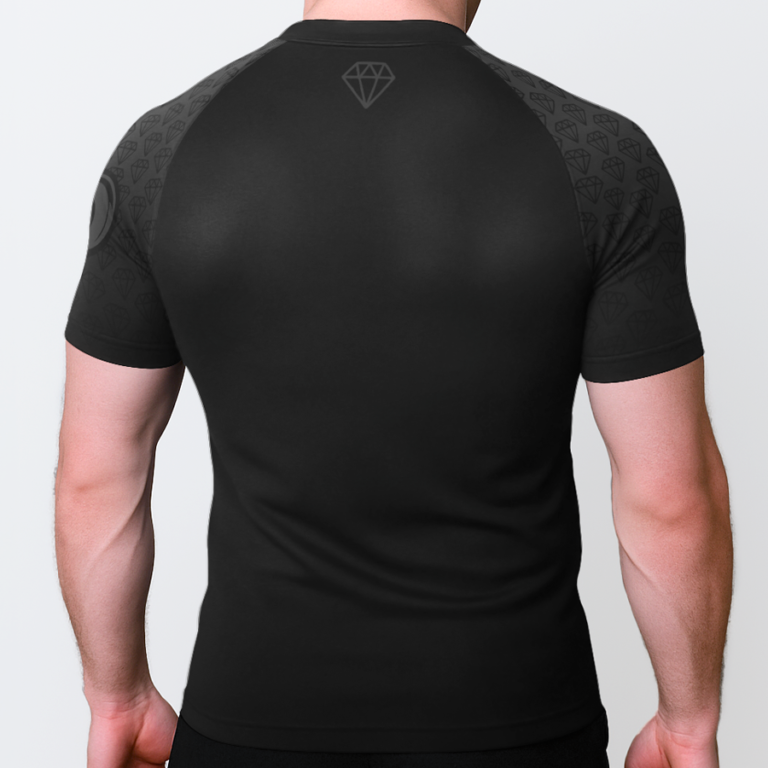
Most grapplers blame the washing machine when a rashguard goes dull. But the real damage often happens between sessions — in your trunk, your gym bag, and your tap water. Here’s what’s quietly cooking the color out of your no-gi gear.

Two rashguards can look identical on the rack and age completely differently. The reason is buried in how the color got onto the fabric — sublimation dyes the fiber, screen print sits on top. Here’s how to read a listing and buy the one that keeps its color.

Rashguards don’t fade by accident. Here’s the materials science of how sweat, pool chemicals, sunlight, and dryer heat attack sublimation dye — and how to slow it down.
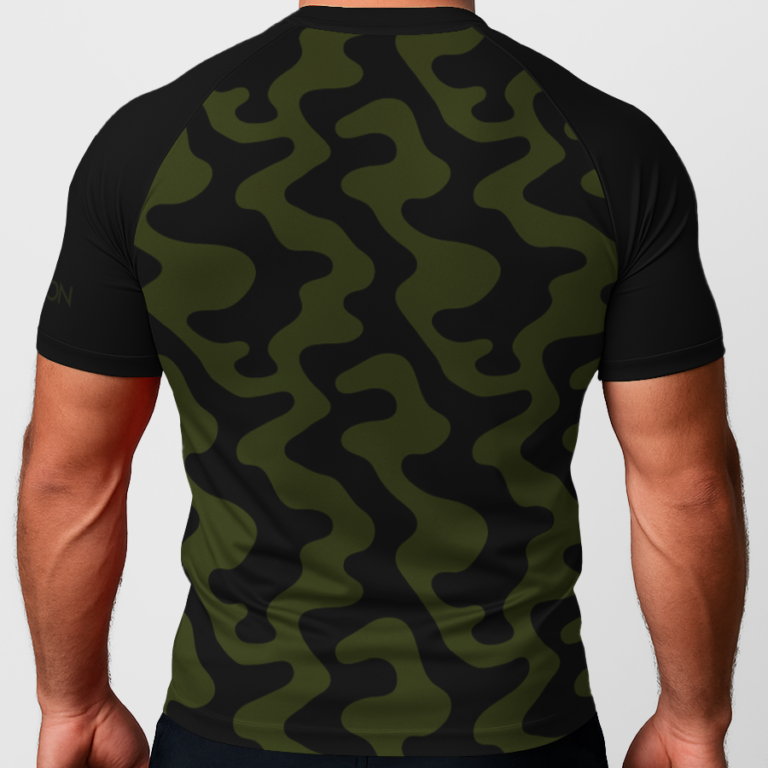
Faded, dull, and pilled after a few months? Here’s the real science behind why rashguards lose their color — and the simple washing and drying habits that keep sublimated prints sharp for years.
Cold water, mesh bags, and the fabric softener trap. A no-gi grappler’s guide to washing rashguards so they last past the first six months.