Best Rashguards for Women: Fit, Layering, and Coverage in No-Gi BJJ
The best rashguards for women in no-gi BJJ are not just men’s rashguards in smaller sizes. Female grapplers deal with a different set of fit problems — bust tension that pulls the neckline down, sleeves that slide on smaller arms, hems that ride up during inversions, and the constant question of how to layer over a sports bra without creating a sweat-trapping sandwich. After years of unisex-only options, the women’s no-gi market has matured, and the brands that actually cut for women’s bodies are pulling ahead. This guide breaks down what to look for, the fit details that matter, and the rashguards that are working in 2026 training rooms and competition floors.
Why a Women’s Cut Beats a Unisex Small
A unisex small is built around a straight torso. It assumes shoulder width and chest circumference scale together, and that the waist sits roughly halfway between the two. Most women’s bodies do not match that template. The bust adds chest circumference without adding shoulder width, and the waist-to-hip ratio is steeper. When you put a unisex rashguard on a female frame, the fabric tents at the chest, bunches at the waist, and pulls the shoulder seams off the deltoid. None of that is a comfort issue alone — it is a grip issue. Bunched fabric gives your training partner extra material to grab during scrambles, and a shifted shoulder seam changes how a collar tie or underhook feels.
A proper women’s cut adds chest circumference without widening the shoulder, narrows the waist, and flares slightly through the hip. The sleeve is shorter on average, the neckline often sits a touch higher, and the hem is longer at the back to stay tucked when you shoot a double or invert into a leg entry.

The Five Fit Details Women Should Check First
1. Bust and Chest Tension
The chest panel should sit flat across the bust without horizontal pull lines radiating from the apex. If you see those lines when you raise your arms overhead, the rashguard is too small in the bust regardless of what the size chart says. Brands that grade properly for women — Tatami Ladies, Hyperfly Women, Fenom — use a wider chest panel relative to shoulder width. If you are between sizes, size up for chest and tolerate slightly looser shoulders rather than the reverse.
2. Waist-to-Hip Cut
A men’s rashguard runs straight from chest to hem. A women’s rashguard should narrow at the natural waist and widen again at the hip. This shape does two things — it stops the fabric from bunching at the waistband when you bend forward, and it keeps the hem anchored under your shorts or spats during inversions. If the rashguard hangs loose at the waist, the hem will ride up the moment your hips invert.
3. Sleeve Length and Cuff Grip
Long-sleeve rashguards should end at the wrist bone with the arm extended, not past the knuckles. Sleeves that are too long will roll back under a wrist control or grip-fight, exposing forearm and creating a friction edge your partner can pin. Look for a tight cuff with a flat seam — silicone-printed grippers inside the cuff are a bonus, but a well-graded cuff is more important than a fancy gripper.
4. Neckline and Coverage
A scoop neck cut too low will gap when you are on bottom in any guard. A neckline cut too high feels like a turtleneck under stress. The sweet spot is a modest crew that sits at the collarbone, with a flat-lock seam that does not chafe under a sports bra strap. Some women’s rashguards now use a slight V-neck that sits flat without gapping — a useful compromise.
5. Length and Hem Anchor
The hem should reach mid-hip and have a silicone gripper strip on the inside. Rashguards designed for women in 2026 are increasingly cut with a longer back panel — a small detail that matters every time you shoot a takedown or sit into half guard. If the back rides up, your low back is exposed to mat burn and your partner gets skin-on-skin contact during back takes.
Sports Bra Layering: What Actually Works
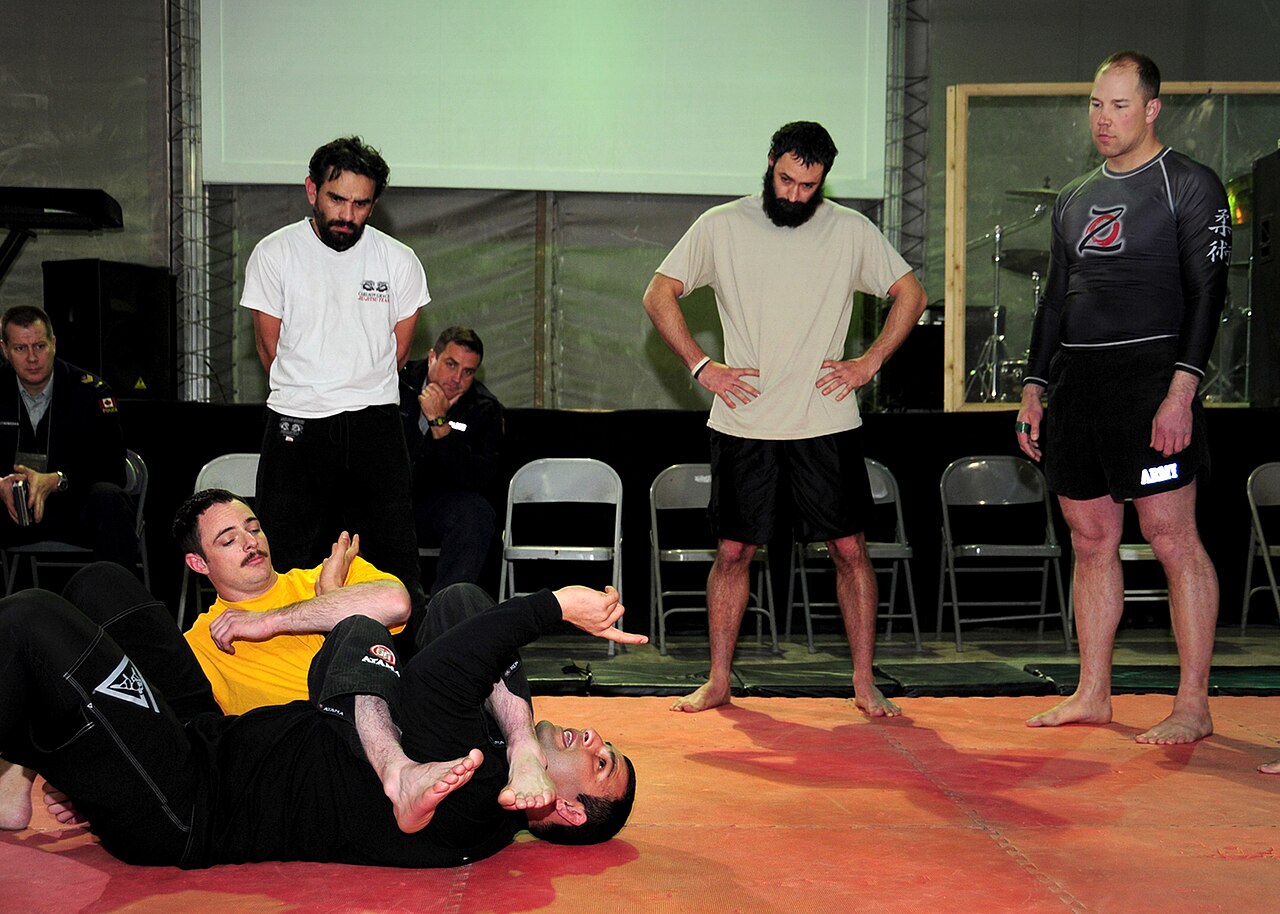
Most female grapplers wear a sports bra under their rashguard. The mistake is layering a thick padded everyday sports bra under a tight rashguard — you trap heat, create a sweat pocket, and the rashguard fabric slides on the bra fabric instead of compressing against your skin. The fix is a thin compression sports bra in a moisture-wicking fabric, ideally with flat seams and removable padding. Some women size their bra slightly tighter than street wear so the rashguard sits flat against the bra without bridging.
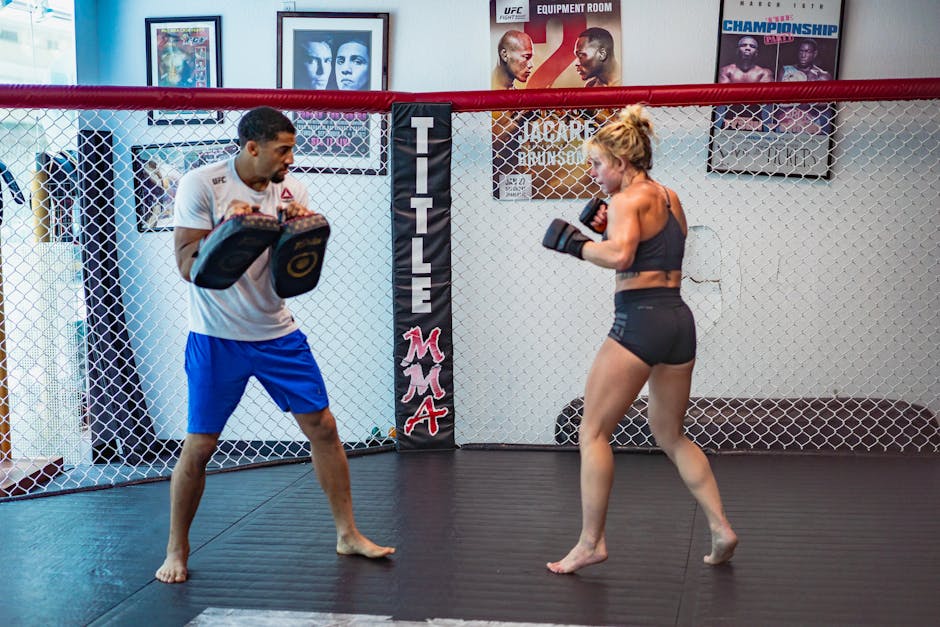
Avoid bras with thick back clasps. They print through a thin rashguard and create a hot spot under any pressure. Racerback or pullover styles in nylon-spandex are the cleanest option. If you train hot — open mat in summer, no AC — consider a high-impact bra one notch thinner than you would normally choose. The rashguard adds a layer of compression on top, so you do not need maximum support from the bra alone.
Fabric Choices for Women’s Rashguards
The fabric story is the same as the men’s market — polyester-spandex blends in the 80/20 to 88/12 range dominate, with nylon-spandex offering a softer hand for sensitive skin. Where the women’s market diverges is fabric weight. A heavier rashguard fabric (220 gsm and up) gives more compression and shape support — useful if you want the garment to assist with bust support and waist shaping. A lighter fabric (160-180 gsm) breathes better but offers less structural assist. Most women find 200 gsm a comfortable middle ground.
Sublimated print versus screen print matters for longevity. Sublimation dyes the fiber and never cracks or peels — important on a women’s rashguard with a lot of front graphic, since the chest panel sees a lot of friction during clinch and pummel work. Avoid heavy screen-printed graphics on the chest if you can.
2026 Picks: What’s Working on the Mat
Tatami Ladies Recharge
Tatami’s women’s line is the longest-running and most refined. The Recharge series uses an 88/12 polyester-spandex sublimated blend with a graded women’s pattern — wider chest panel, narrower waist, longer back hem. The sleeve cuff is tight without being restrictive, and the neckline is a modest crew that does not gap on bottom. Sizing runs true to chart. Best all-around choice for most female grapplers.
Hyperfly ProComp Women’s
Hyperfly’s women’s ProComp uses a heavier fabric (around 230 gsm) and a more aggressive compression cut. If you want the rashguard to assist with shape and bust support, this is the one. Sizing runs slightly small — most women size up one. The cut is best suited to athletic builds with a defined waist; if you carry weight in the midsection the compression can feel intense.
Sanabul Essentials Women’s
The budget-friendly option that does not cut corners on the women’s pattern. Sanabul’s Essentials Women’s line uses a lighter fabric (180 gsm) and a relaxed but still female-graded cut. Good first rashguard for new female grapplers, and good rotation rashguard for established practitioners who want extras in the laundry pile.
Kingz Kore V2 Women’s
Kingz brought their Kore line to a proper women’s cut in 2025 and refined it for 2026. The fabric is a midweight 200 gsm with strong stitching at the shoulder and side seams — a known weak point on cheaper rashguards. The cut is slightly more athletic than Tatami’s, sitting between Tatami’s relaxed grade and Hyperfly’s aggressive compression. Good for competitors who want a clean look that meets IBJJF rank-stripe rules.
Tournament Rules and Comp-Day Compliance
If you compete in IBJJF no-gi events, your rashguard must follow the rank-stripe rule — a horizontal stripe in your belt color across the chest, sleeves, or back, covering at least 10 percent of the garment. Most women’s rashguards from major brands are made in compliant versions, but generic women’s rashguards are often not. Check before you buy if competition is on the calendar.

ADCC and submission grappling events have looser rules — most accept any rashguard, and many accept sports bra plus shorts as a top option for women. Check the specific event ruleset, not the general grappling consensus, since smaller promotions vary.
Care, Hygiene, and Replacement Schedule
Cold wash, hang dry, no fabric softener. Fabric softener coats the fibers and kills the moisture-wicking property — within a few washes the rashguard goes from technical garment to clammy cotton-feeling layer. Tumble drying is worse and breaks down spandex quickly, especially around the bust and waist where the garment stretches most.
- Wash after every session — bacteria growth in damp synthetic fabric is fast and creates the smell that no rashguard recovers from
- Rotate at least three rashguards if you train more than four times per week — daily back-to-back use accelerates spandex fatigue
- Replace when the waist or bust panel loses elastic recovery — typically 12-18 months for a daily-driver rashguard
- Pre-rinse in cold water before the wash if you train in a hot room — sweat salt damages fibers if it dries in
What to Buy First If You Are New
If this is your first women’s rashguard for no-gi BJJ, start with a Tatami Ladies Recharge or Sanabul Essentials Women’s in long sleeve, midweight fabric, modest neckline. Pair it with a thin compression sports bra in racerback or pullover style. Train in it for a month before you decide what you want to upgrade to. Most women find their fit preferences shift once they have spent real mat time figuring out where their current rashguard fails — bust tension, sleeve drift, hem ride, or all three.
The best rashguard for any female grappler is the one that disappears on the mat. You should not be thinking about your gear during a roll — you should be thinking about hand fights and frames. When the fit is right, the rashguard becomes invisible, and that is the only review that matters.
Sources
- IBJJF Official Rules — uniform and no-gi requirements
- FloGrappling — women’s no-gi competition coverage
- ADCC — submission grappling event rulesets
- Tatami Fightwear — women’s rashguard line
- Hyperfly — women’s ProComp specifications
Browse our top-rated rashguards and no-gi gear at the RashguardGuy shop →