
No-Gi Competition Nutrition: 7 Essential Keys
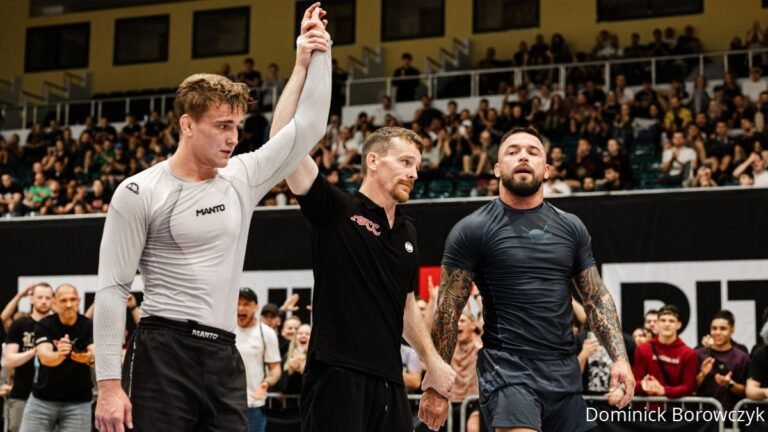
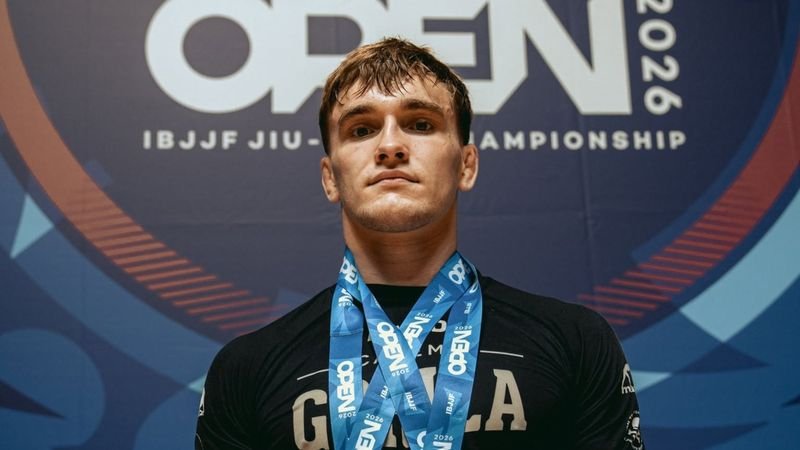
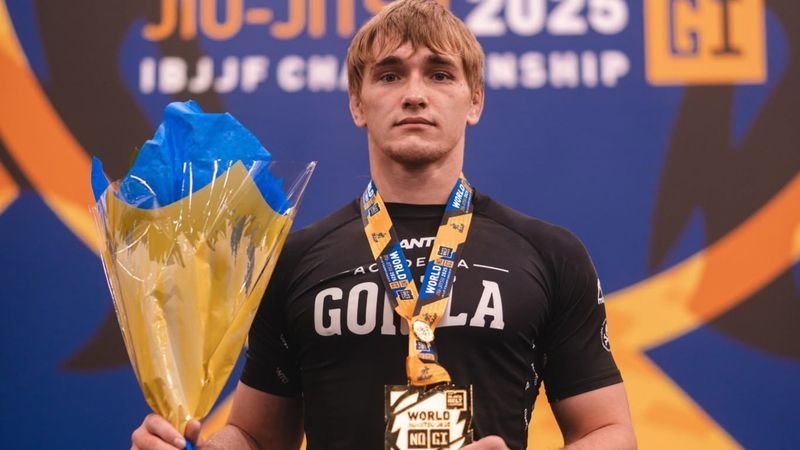
Pawel Jaworski weighed in for five straight IBJJF major titles in 2025 and 2026 on his way to the sport’s first No-Gi Grand Slam, which means he ran this exact no-gi competition nutrition sequence five times in one season and never once got it wrong on fight day. Most competitors treat the scale as the finish line. It isn’t. What you eat and drink in the hour after weigh-in, and across the gaps between your matches, decides whether your guard still has pressure in your third match or your arm still has triangle grip strength in overtime.

No-Gi Competition Nutrition Starts With the Carb-Load, Not Weigh-In Morning
The International Society of Sports Nutrition’s position stand on nutrient timing is blunt about this: carbohydrate eaten the morning of a long training session or match day does far less than carbohydrate eaten in the two days before it. The ISSN recommends athletes take in 1-4 g/kg of bodyweight per day of carbohydrate for several hours before any session longer than 90 minutes at moderate-to-high intensity, and a tournament day with four or five matches qualifies easily. The same position stand found that carbohydrate ingested roughly 30 minutes before exercise produced a bigger jump in exercise capacity than the same amount eaten two hours out, and older data going back to a 1997 review showed performance gains of 7-20% when carbs were on board at least an hour before activity.
For a no-gi competitor, that means the pasta dinner or rice bowl two nights before weigh-in matters more than anything you choke down in the warm-up area. During matches that go the distance, carbohydrate-electrolyte intake at 30-60 g per hour in a 6-8% solution is the ISSN’s standing recommendation, which is roughly one sports drink bottle sipped steadily rather than chugged. Glycogen you banked on Thursday is glycogen you still have on Saturday afternoon in your fifth match. Glycogen you’re trying to load Saturday morning mostly just sits in your gut.
The First Hour After Weigh-In Is a Rehydration Sprint, Not a Feast
This is the part every weight-cutting guide stops short of, because weight cutting and weigh-in refeed are two different skills. Cutting water weight is about getting the number on the scale down; what you do in the sixty minutes right after that number is locked in is a separate, time-sensitive job, and it’s the one most grapplers wing.
A 2025 ISSN position stand on nutrition and weight-cutting strategy in combat sports is specific about the order of operations: oral rehydration solutions at 1 to 1.5 liters per hour, mixed with a sodium range of 50-90 mmol/L, should take priority immediately after weigh-in, ahead of food. Fast-acting carbohydrate follows at a tolerable rate of up to 60 g per hour once that rehydration solution is in you. The target the position stand sets is blunt: regain at least 10% of your body mass before you step on the mat for your first match. If you cut 6 pounds to make weight, you need roughly 3 of those pounds back, mostly as fluid and electrolytes, before your bracket starts.
That’s a sodium-and-fluid problem before it’s a calorie problem. A protein shake or a plate of chicken and rice at minute five after weigh-in does nothing for the dehydration you just manufactured on purpose. An electrolyte solution does.
Refeed Carbs Based on How Hard You Cut, Not a Flat Number
The same 2025 ISSN position stand splits the refeed into two tiers instead of giving one number for everyone, which is the detail most “eat this after weigh-in” lists skip. Athletes who ran an aggressive glycogen-depletion cut during fight week should target 8-12 g/kg of bodyweight in carbohydrate post-weigh-in. Athletes who only trimmed water with a modest, late cut should aim lower, at 4-7 g/kg.
Run the math for a 76 kg no-gi competitor, close to the men’s -76.9kg bracket at ADCC. An aggressive cutter in that weight class is looking at 608-912 grams of carbohydrate between weigh-in and the start of competition — that’s an enormous number, easily four to six servings of rice, pasta, bananas, and sports drink stacked back to back, not one plate. A competitor who made weight with a light, controlled cut needs only 304-532 grams, closer to what most people assume “carb loading” means. Guess wrong in either direction and you either show up heavy and sluggish or you show up light and empty.
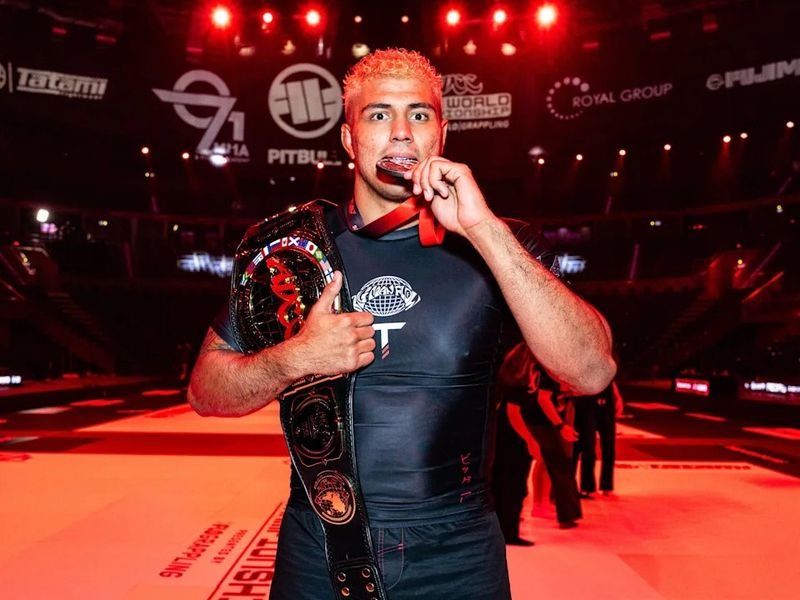
Victor Hugo didn’t need to cut hard to win the +99kg bracket at ADCC 2026 in Krakow — he submitted all four opponents from his back and never needed a decision — but heavier no-gi athletes who do cut weight into a bracket face the same refeed math scaled to their frame, just with bigger absolute numbers.
Sodium Is the Macro Nobody Plans For
Ask a grappler what they’re eating after weigh-in and you’ll hear about chicken, rice, maybe a protein shake. Almost nobody says “sodium.” That’s backwards. The ISSN position stand’s priority nutrient immediately post-weigh-in is sodium replacement through that 50-90 mmol/L oral rehydration solution, not protein, and the same guidance tells athletes to limit fiber intake right after weigh-in specifically to avoid gastrointestinal distress once competition starts.
High-fiber “healthy” choices — a big salad, a bowl of oatmeal loaded with bran, a green smoothie — are exactly the wrong move in that window even though they look like smart eating on any other day. They slow gastric emptying and raise the odds of cramping or GI discomfort mid-match. A banana, white rice, pretzels, and an electrolyte drink do more for you in the two hours before your first match than anything from a clean-eating meal plan.
Rehydration Has a Ceiling — Don’t Expect Full Recovery
Here’s the uncomfortable part. A 1986 study by Klinzing and Karpowicz, still cited in combat sports physiology reviews today, put four university wrestlers through an 8% bodyweight cut over four days, then gave them a three-hour rehydration window before testing. Muscle glycogen concentration and dynamic strength were both significantly down after the cut, and the three-hour rehydration period did not restore either one back to baseline. Aerobic and anaerobic capacity held up fine — it was glycogen and raw strength that didn’t recover in that window.
A separate review of rapid weight loss in elite combat athletes backs up the broader pattern: even with deliberate rehydration protocols, athletes who cut weight fast often remain measurably dehydrated well past the point most people assume they’ve “recovered,” sometimes 13 to 24 hours after weigh-in.
The takeaway isn’t “don’t bother rehydrating.” It’s “don’t assume a few hours erases a hard cut.” If you went into weigh-in dehydrated by 6-8% of bodyweight, you should expect to compete your first match or two at something less than 100% no matter how well you refeed, and you should plan your bracket strategy — pace, risk-taking, which matches you try to finish early — around that reality instead of assuming the scale resets you to full the second you drink a sports bottle.
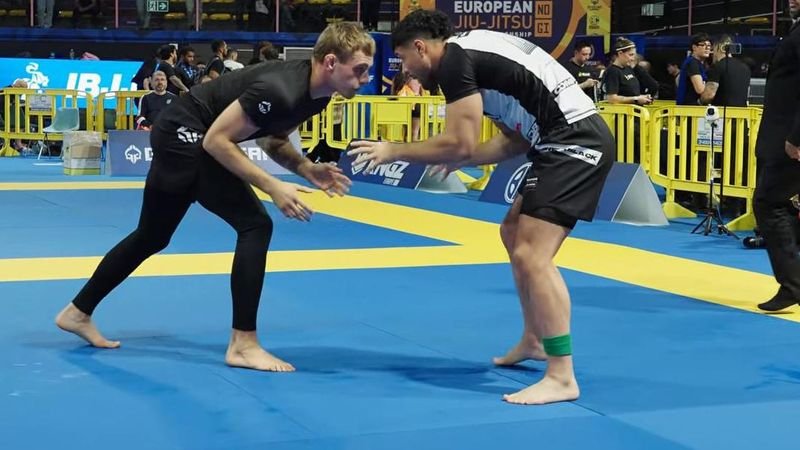
Between-Match Fueling on a Multi-Match Tournament Day
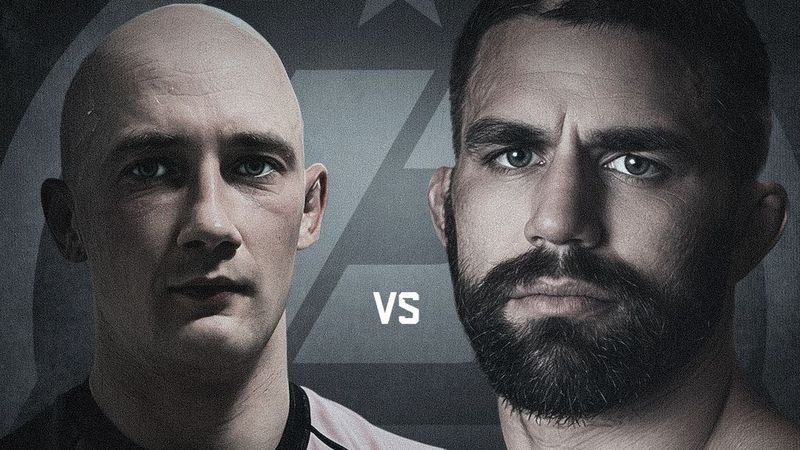
A single-match event is one thing. A bracket that runs you through quarters, semis, and finals with gaps anywhere from fifteen minutes to two hours between them is a different fueling problem entirely, and it’s the one Garry Tonon and Sam McNally’s Polaris 40 lightweight title fight will put on full display for fans watching a high-stakes, winner-take-all format — even a superfight card schedules around unpredictable turnaround windows.
The same nutrient-timing logic from the carb-load section applies here, just compressed. Liquid carbohydrate — diluted juice, a sports drink, a mashed banana if you can stomach solids — beats a burger or a burrito between matches every time, because liquid empties from your stomach faster and won’t sit there while you’re trying to breathe through a scramble forty minutes later. Eat small amounts often rather than one big meal when you don’t know if your next match is in twenty minutes or two hours. Grapplers who disappear to a food truck between brackets and come back to the mat with a full stomach are the ones gassing in the third round of their next match, not the ones who sipped a bottle and ate half a banana while they watched the bracket above them.
What to Skip Entirely
Three things have no place in a competition-day bag: high-fiber foods, high-fat meals within six hours of stepping on the mat, and anything new. Fried food, heavy cheese, a big steak — all of it sits in your stomach and digests slowly right when you need blood flow going to muscle, not gut. And competition day is the single worst time to try a supplement, a gel, or a food you haven’t already used in training. If your stomach doesn’t like it, you find out mid-match instead of on a Tuesday practice.
Here’s the mildly unpopular opinion: grapplers spend weeks obsessing over the cut and about four minutes thinking about no-gi competition nutrition after the cut, and the refeed is the part that actually decides the outcome. The weight cut gets you into the bracket. What you drink in the hour after weigh-in and what you eat between matches decides whether you have anything left for your third opponent. Nobody loses a match on the scale. Plenty of people lose one two hours after it, in a bracket they were heavily favored to win, because they filled up on the wrong things and never saw it coming. Dial in your recovery routine for the days after the tournament too — a cut-and-refeed cycle that goes smoothly on competition day still leaves a debt that needs paying down once you’re off the mats. Jaworski didn’t just nail one weigh-in on his way to the Grand Slam — he nailed it five tournaments running, and that’s the difference between a competitor who peaks once and one who peaks on schedule.
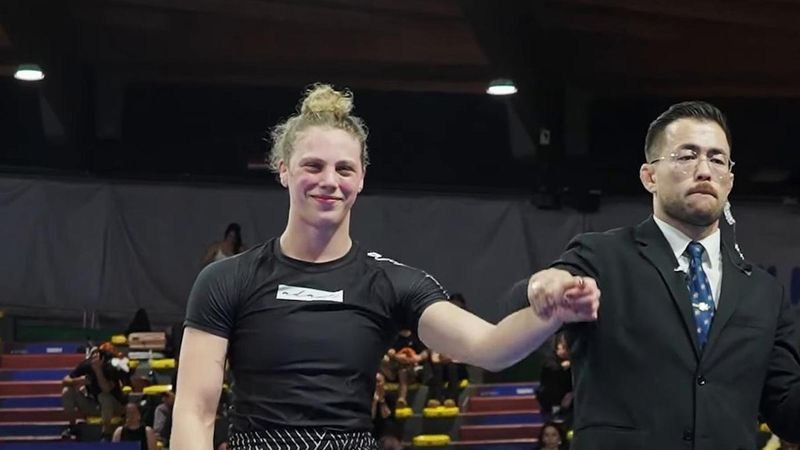
Watch: Competition Day Fueling Breakdown
Sources
- International Society of Sports Nutrition Position Stand: Nutrient Timing — carbohydrate intake rates, pre-exercise timing windows, and exercise capacity data.
- International Society of Sports Nutrition Position Stand: Nutrition and Weight-Cutting Strategies for Combat Sports — oral rehydration solution rates, sodium targets, post-weigh-in carbohydrate refeed ranges, and body-mass regain targets.
- Association Between Rapid Weight Loss and Body Composition in Elite Combat Sports Athletes — rapid weight loss and incomplete rehydration data in combat athletes.
- Physiology of Wrestlers’ Dehydration (Turkish Journal of Sport and Exercise) — review citing Klinzing and Karpowicz’s 1986 wrestling rehydration and glycogen study.