Stack Pass No-Gi: 7 Keys to Shut Down the Guard
The stack pass is one of the oldest pressure-passing tools in grappling, and it’s still one of the best answers to hip-mobile guards in no-gi. Fold an opponent’s legs up and over their own head, take their hips off the mat, and you take away the one thing every guard depends on: the ability to move. This guide breaks down the setup, the mechanics, the variations, and the defense so you can use it — and stop it — with confidence.
1. What the Stack Pass Is and When to Use It
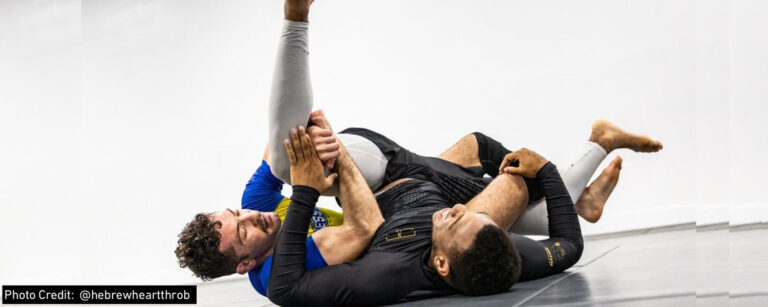
The stack pass folds the bottom grappler’s legs and hips up toward their own head, “stacking” them into a compressed position where they can’t frame, hip-escape, or reload their guard. It’s a staple against closed guard, but its real value in modern no-gi shows up against guards built entirely on hip movement — De La Riva, single leg X, and butterfly. Take away the hips, and those guards simply stop working.
Where a torreando or speed pass tries to beat the legs before they can react, the stack pass is a pressure answer. You accept some contact and use bodyweight to flatten the guard player out, then walk around the dead weight. It’s a favorite of pressure passers for exactly that reason — it trades speed for control that’s hard to escape once it’s locked in.
It also scales across weight classes differently than most passes. Heavier competitors can lean more on straight bodyweight to hold the stack once it’s locked in, while lighter grapplers usually need sharper angles and faster grip timing to create the same compression. Neither version is “better” — they’re the same mechanics adjusted for what your frame can generate.
2. Grip and Posture Setup
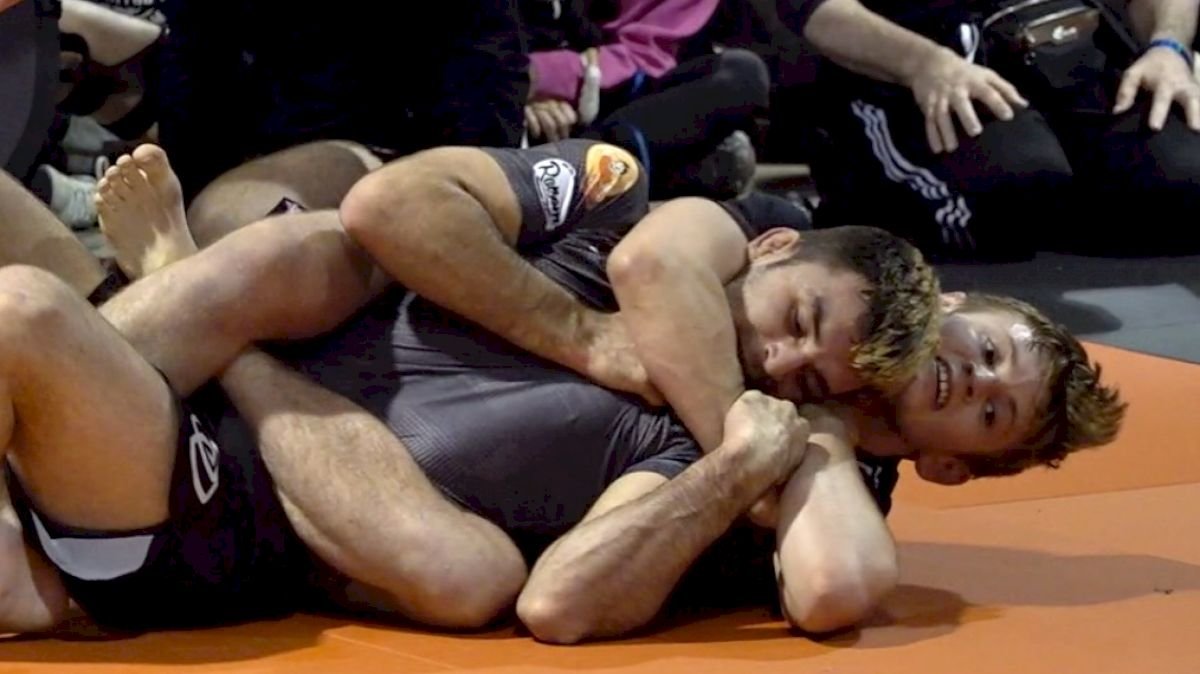
Everything starts with posture. Stand or kneel tall to break the closed guard open, then get your grips before you commit to anything else — pants and ankle control in no-gi, since there’s no collar or lapel to rely on. Cross-face the head to kill the opponent’s ability to turn into you.
The key detail most beginners miss is the “shelf” under the far thigh. Instead of scooping the leg up with your arm, get your shoulder and forearm underneath it and let your posture do the lifting. One foot steps up to the outside of the opponent’s hip before you commit forward — that foot placement is what gives you the base to drive through the next step instead of falling on top of them.
Timing the grip exchange matters as much as the grips themselves. Reach for the pants or ankle control too early, before your posture is fully broken free, and you give the opponent a live arm to attack with a guillotine or arm drag. Break posture first, confirm the cross-face, then take the leg grip — in that order, not all at once.
3. Step-by-Step Mechanics of the Stack
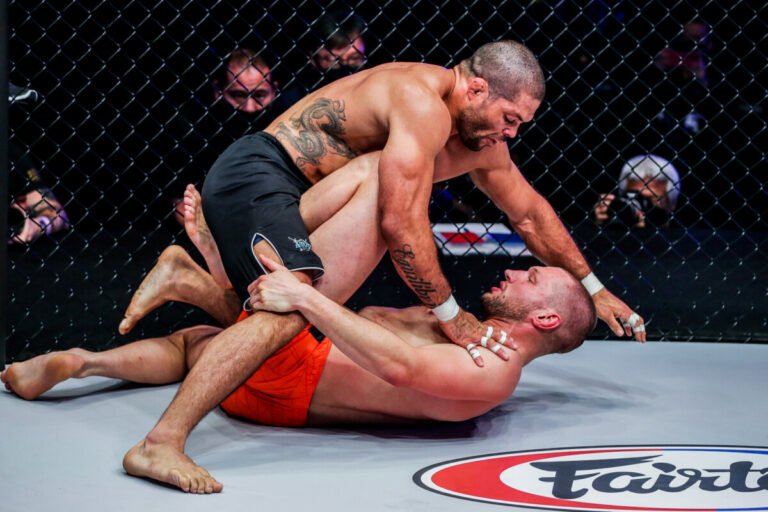
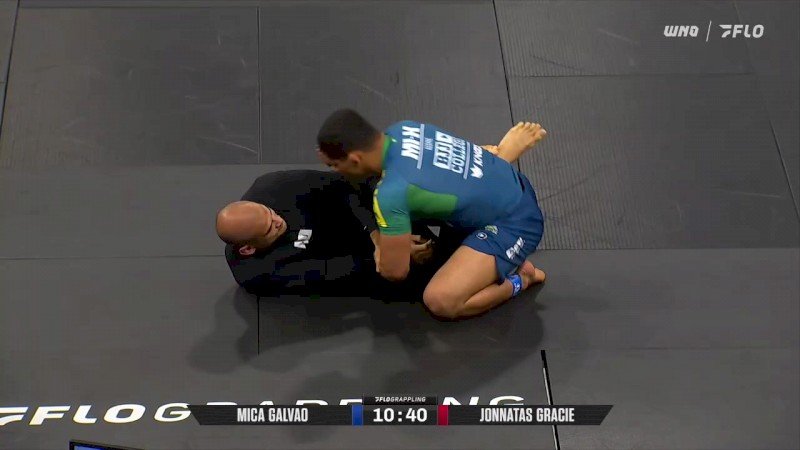
Once your grips and base are set, walk both feet forward and drive your hips into the back of the opponent’s thighs. This folds their legs up onto their own chest and shoulders. Direction matters here more than anything else in the pass: drive the stack diagonally toward their opposite shoulder, never straight down into the spine or neck.
As their hips come up and off the mat, walk laterally to clear their legs to one side. From there you have two live options — slide your knee across into a knee-slice finish as the legs come free, or sprawl through the stack to consolidate side control directly. Either way, the moment their hips are elevated and folded is the moment the pass is basically finished; everything after that is cleanup.
Watch your own head position through this whole sequence. Keeping your head low and tucked against their hip, rather than letting it drift out to the side, keeps you connected to the stack and makes it much harder for the opponent to sit up or reframe while you’re walking around.
4. Variations Worth Drilling
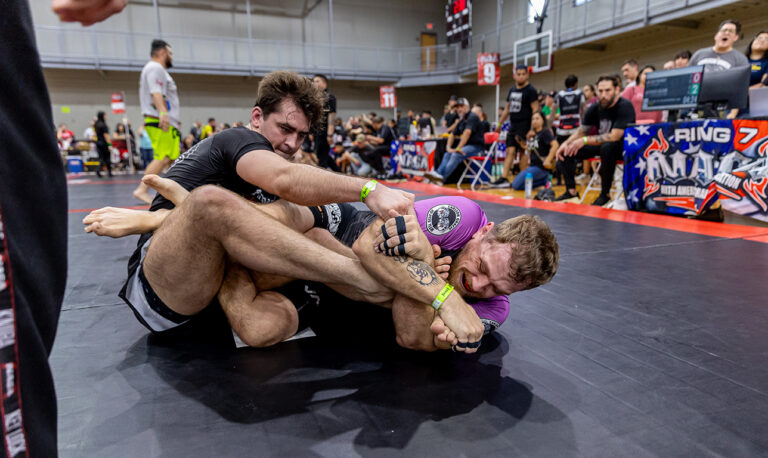
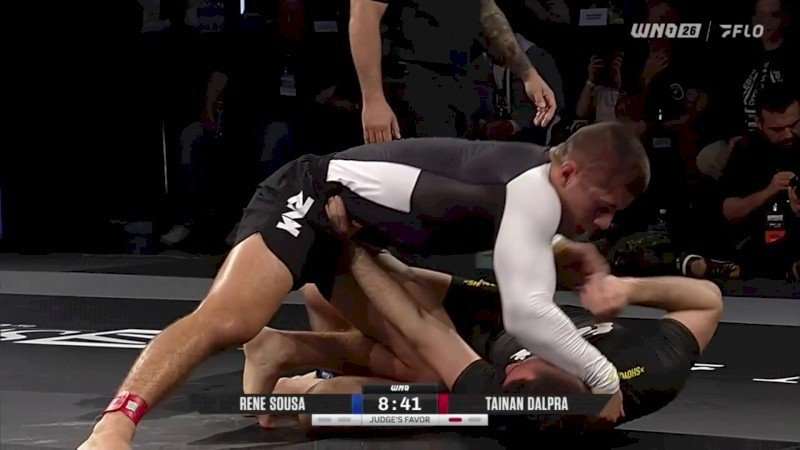
The double-under stack — both arms underneath both legs, lifting the hips all the way over the chest — is the most compressive version and the one that ends matches fastest, but it also takes the most strength and control to lock in. The single stack, using one arm and one leg, shows up far more often in live no-gi rolling because it’s faster to enter mid-scramble and doesn’t require full guard control first.
Against butterfly guard specifically, you need to control both hooks before you stack, since butterfly relies entirely on hip elevation to function — stack without controlling the hooks first and you’ll get swept instead of passing. Once you’ve got the stack locked and the legs cleared, a common finish is to transition straight into a leg drag or spin to the back rather than settling for side control, since the opponent’s hips are already compromised and can’t reset fast enough to stop it.
There’s also a stack-to-knee-slice hybrid worth drilling on its own: instead of clearing both legs to one side before passing, you stack just long enough to load the opponent’s weight onto one hip, then slice your near knee through the gap as it opens. It’s faster than a full stack-and-clear and works well against opponents who are already fighting hard to keep their hips square.
5. Common Mistakes and the Neck-Compression Danger
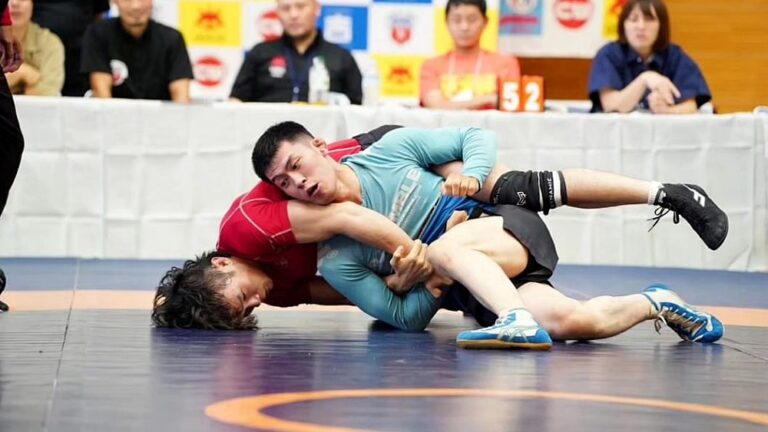
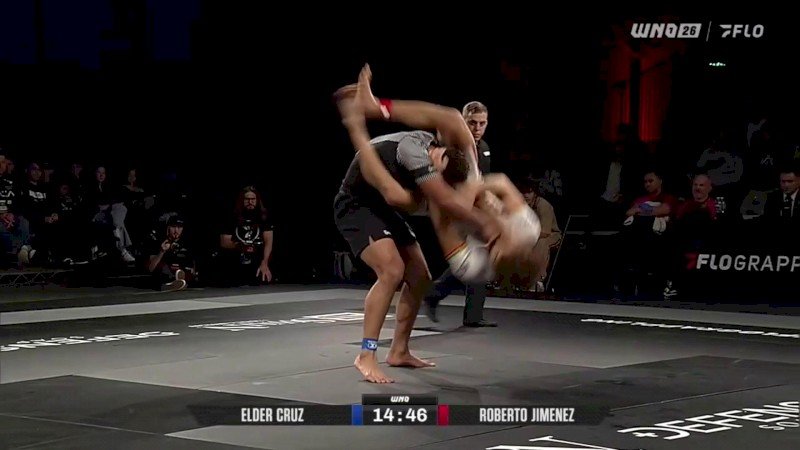
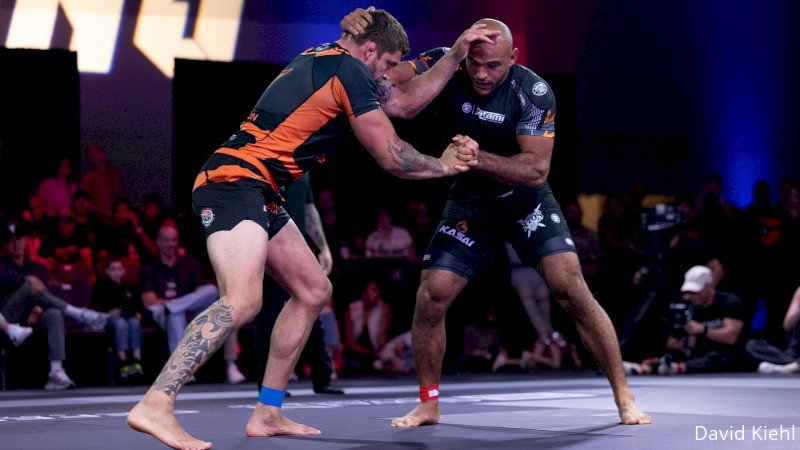
The single biggest danger in the stack pass is compressing the opponent’s neck and upper spine by driving weight straight down instead of angling toward a shoulder. The safety principle taught by top competitors is simple: your forearm and pressure should connect to the hips, not the neck. Neck pressure is not only the dangerous version of the pass — it’s also the easier one to escape, because a flexible opponent can turn out of straight-down pressure far more easily than they can escape a properly angled stack.
Beyond the neck issue, the two mistakes that kill the pass most often are passing straight instead of at an angle — which hands the bottom player an easy reversal into a sweep — and a weak base, where the feet are too narrow or the weight sits too far forward. Both let the opponent roll you before the stack ever locks in. The third mistake is patience in the wrong place: stall too long in the stacked position and a good opponent will recover an underhook or rebuild a frame before you finish the pass.
If you coach or train partners newer to no-gi, it’s worth drilling the neck-safety rule in isolation before ever adding resistance — have the bottom player tap the moment they feel pressure creeping toward the spine instead of the shoulder, so the passer learns the correct angle by feel rather than by being told once and forgetting it under pressure.
6. Defending Against the Stack Pass
From the bottom, the fight to stop a stack pass starts before your legs ever get folded. Keep your hips off-angle rather than square and flat to the mat — a squared-up bottom position is exactly what the stack pass wants to work against. Fight for an underhook as early as possible, and use it to frame against the passer’s shoulder or bicep to stop their forward walk before it builds momentum.
If the stack does start to lock in, your best path back is a hard hip escape to reinsert your legs or create the space for a technical stand-up. Once you’re stacked, the priority shifts to cutting an angle with your hips and re-establishing any kind of frame — the fight from there is about surviving the position long enough to reset, not trying to out-strength the pass directly.
Timing your defense early is far more efficient than fighting it late. The window to stop the stack — keeping your hips off-angle and your underhook alive — closes fast once the passer has both your legs folded and their weight fully committed. Treat the first two seconds of the entry as the real fight, not the moment you’re already stacked.
7. Who Uses the Stack Pass at a High Level
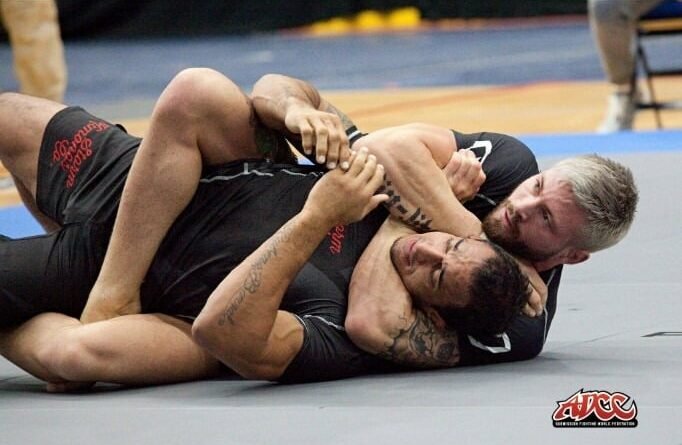
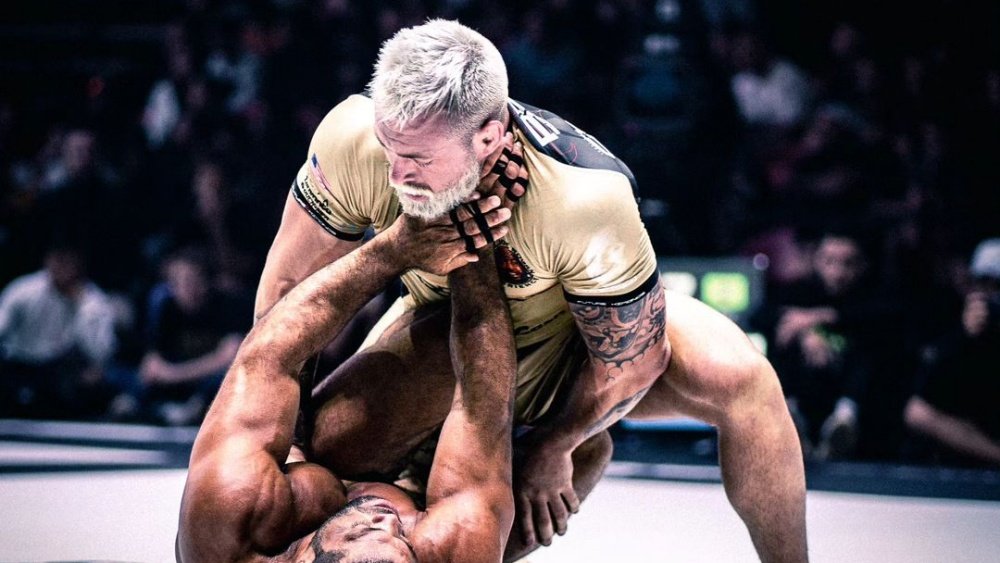
Andre Galvão is the competitor most associated with the stack pass as a core weapon — his pressure-passing system built around it has become required study for anyone serious about guard passing in no-gi. Gordon Ryan’s passing systems also lean on stacking principles, both as an offensive tool and as something his students are drilled to defend against, which tells you how much value elite no-gi competitors place on this single technique.
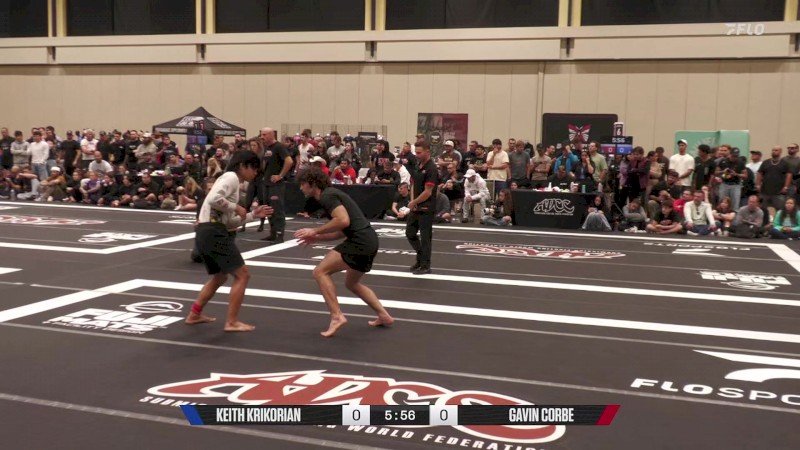
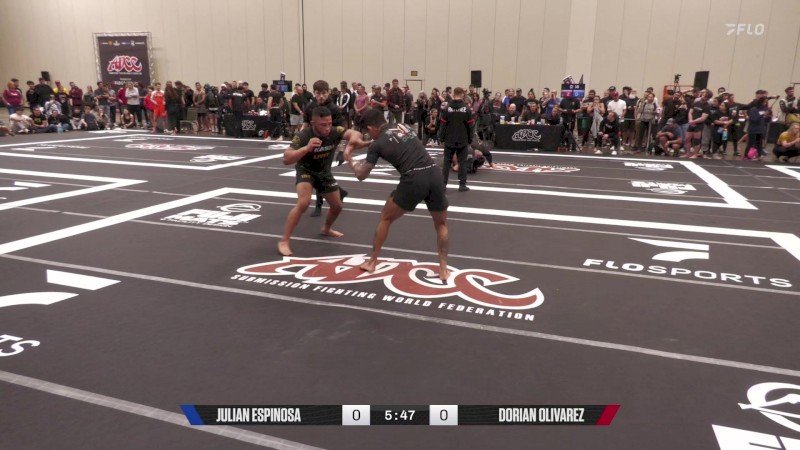
You’ll also see the stack pass show up constantly in ADCC and pro no-gi event footage, usually in the middle of a longer sequence rather than as a standalone highlight — a competitor breaks posture, stacks briefly to kill hip movement, then transitions into a knee slice or a back take before the stack is even fully visible on the broadcast. That’s the real signature of a well-drilled stack pass: it rarely looks dramatic, because the opponent is usually shut down before the crowd notices what happened.
The stack pass rewards patience and precise angles more than raw strength. Get the direction of pressure right — toward the shoulder, never the spine — and it becomes one of the most reliable ways to shut a guard down without ever needing to speed-pass around it.