BJJ Gear for Beginners | What You Actually Need (And What You Don’t)
You signed up for your first BJJ class. The gym said “just show up” — but now you’re scrolling through Amazon at midnight, staring at $200 gi bundles, wondering if you need finger tape, ear guards, a special bag, and some mysterious thing called “spats.”
Deep breath. You don’t need half the stuff the internet is trying to sell you. This guide separates the gear you genuinely need from the gear that’s nice to have — and the stuff that’s pure marketing fluff.
First Things First: Gi or No-Gi?
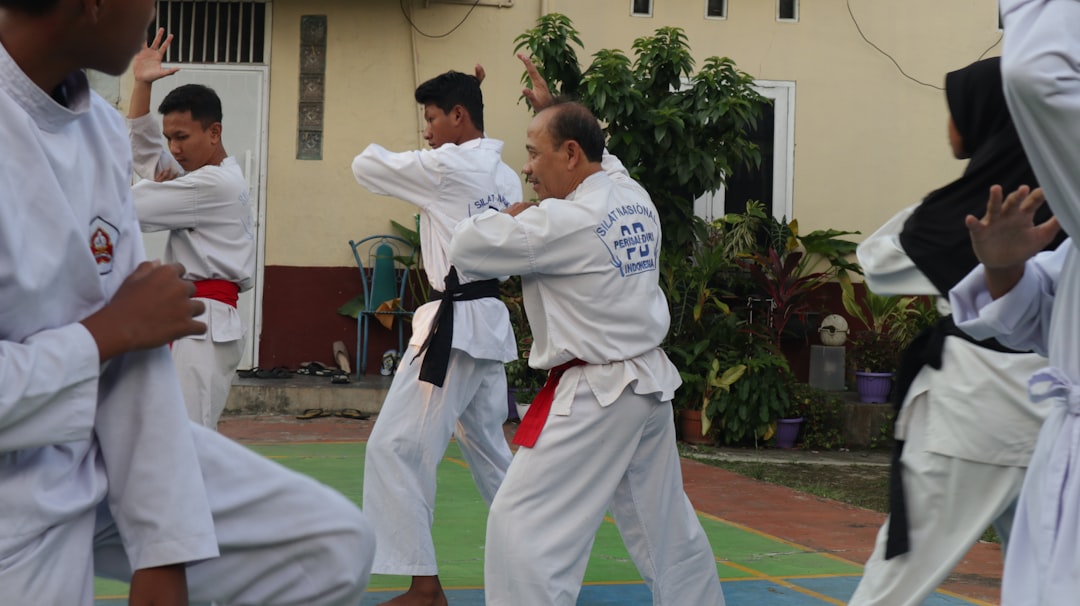
Before buying anything, figure out what your academy teaches. Some gyms are gi-only. Some are no-gi-only. Most offer both. Your gear list depends entirely on which format you’ll be training.
Gi (traditional BJJ) — You wear a heavy cotton uniform (the gi or kimono) consisting of a jacket, pants, and belt. Grips are a core part of the game.
No-gi (submission grappling) — You wear a rashguard and shorts or spats. No jacket, no collar grips, more wrestling-influenced.
If your gym offers both, start with whichever class fits your schedule. You can always add gear for the other format later.
Essential Gear — You Actually Need This
1. A BJJ Gi ($50–$150)
If you’re training in the gi, this is your most important purchase. A BJJ gi is different from a judo gi or karate gi — it’s cut specifically for ground fighting with reinforced stitching at grip points.
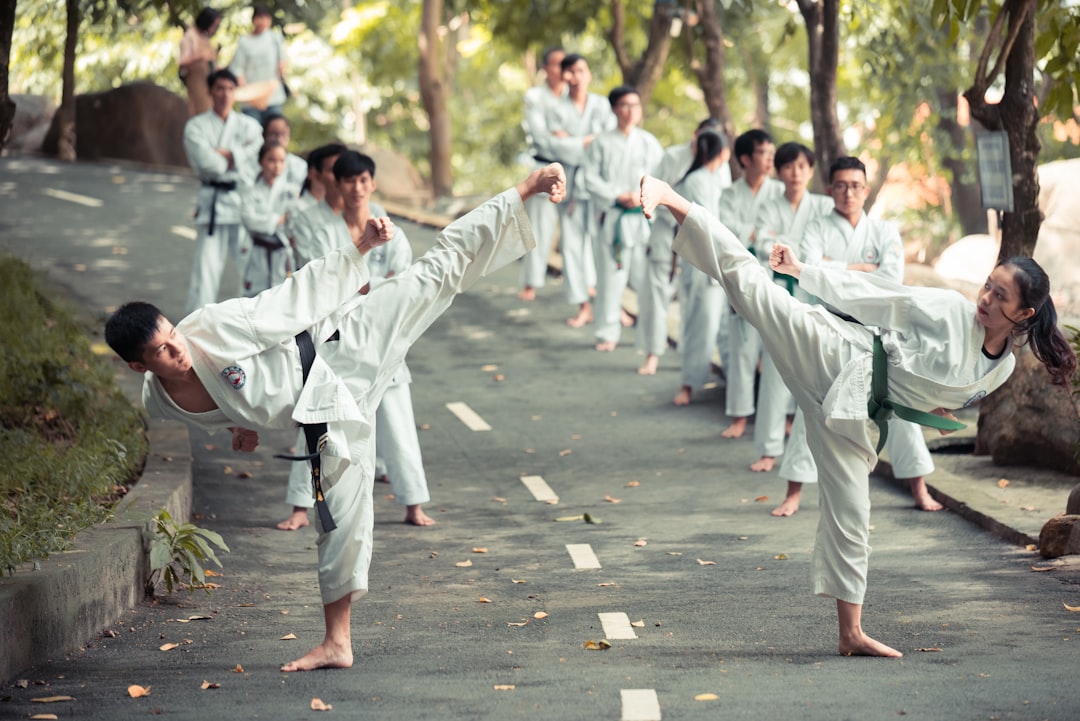
Beginner recommendation: Don’t spend more than $80 on your first gi. Brands like Sanabul, Elite Sports, and Fuji offer solid entry-level gis in the $50–$80 range. They’ll hold up for a year or more of regular training.
Stick with white for your first gi. It’s accepted everywhere, required at most IBJJF competitions, and easier to bleach if you need to kill stubborn bacteria.
Sizing tip: BJJ gis are sized differently from regular clothes. Most brands use A0–A6 sizing. Check the manufacturer’s height and weight chart. When in doubt, size up — you can always shrink a gi in a hot wash, but you can’t stretch one that’s too small.
2. A Rashguard ($15–$50)
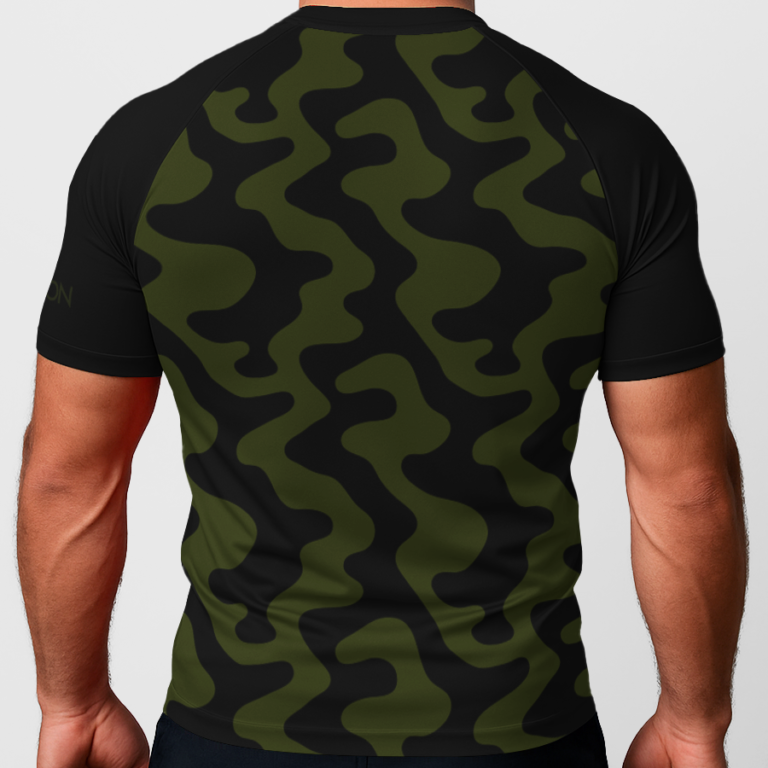
A rashguard is essential whether you train gi, no-gi, or both. For no-gi, it’s your primary upper body garment. For gi training, it goes under your jacket to prevent chafing and add a hygiene barrier.
Any athletic compression shirt will work when you’re starting out, but a proper BJJ rashguard is worth the upgrade. They’re designed to stay in place during grappling, wick sweat efficiently, and resist the pulling and stretching that happens in close-contact training.
Beginner recommendation: One long-sleeve and one short-sleeve rashguard will cover you. Start with budget options from Sanabul or Elite Sports ($15–$25 each) until you know your preferred fit.
3. Grappling Shorts ($20–$40)
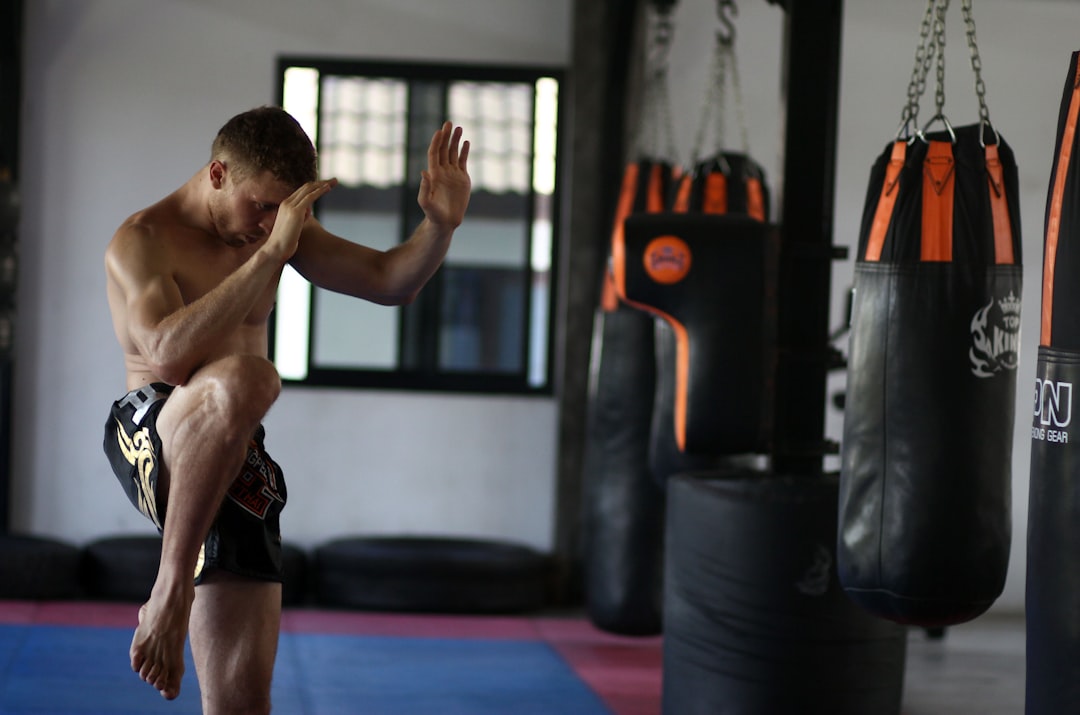
For no-gi training, you need shorts without pockets, zippers, or belt loops — anything that can catch fingers or toes during rolling. Board shorts technically work, but dedicated grappling shorts (also called fight shorts) are a better option.
Look for shorts with a flat waistband (Velcro or drawstring closure), reinforced stitching, and a fit that’s snug enough to stay put but loose enough for full hip mobility.
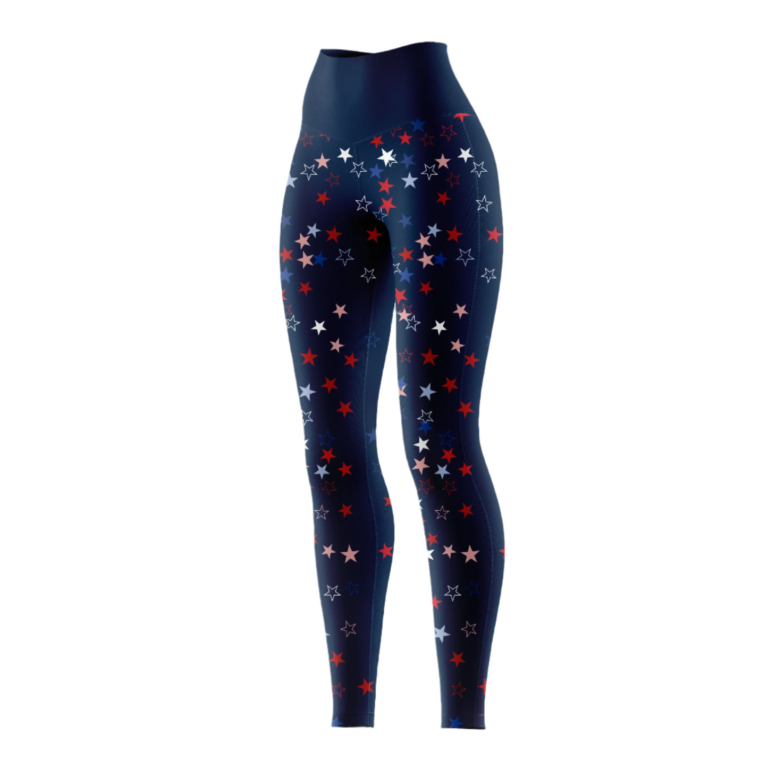
Some practitioners prefer training in spats (compression tights) instead of or under their shorts. Spats protect your legs from mat burn and are popular in both gi and no-gi training.
4. Mouthguard ($5–$30)
This is the one piece of protective gear that every BJJ practitioner should own from day one. Accidental knee-to-face contact is a matter of when, not if — especially as a beginner when you’re still learning to control your movements.
A basic boil-and-bite mouthguard from a sporting goods store costs $5–$10 and provides adequate protection. If you want a better fit and easier breathing, custom-moldable options from SISU or Venum run $20–$30.
Don’t skip the mouthguard. Dental work is expensive.
5. Flip Flops or Slides ($10–$20)
This sounds trivial, but it matters. You need footwear to walk between the mat area and the locker room or bathroom. Walking barefoot off the mat picks up bacteria and fungi from the floor, which you then transfer back onto the training surface.
Most academies enforce a strict “no bare feet off the mat” policy. A cheap pair of slides lives next to the mat — slip them on when you step off, slip them off when you step back on. Simple.
6. A Gym Bag ($20–$50)
You need something to carry your gear in, and a regular backpack won’t cut it. BJJ gear gets sweaty and heavy. Look for a bag with:
- A ventilated or separate compartment for dirty gear
- Enough space for a gi, rashguard, shorts, towel, and water bottle
- Water-resistant material on the bottom
You don’t need a $100 BJJ-specific bag to start. A large gym duffel with decent ventilation works fine. Upgrade later if you want something purpose-built.
Nice to Have — Buy These When You’re Ready
Ear Guards ($15–$30)
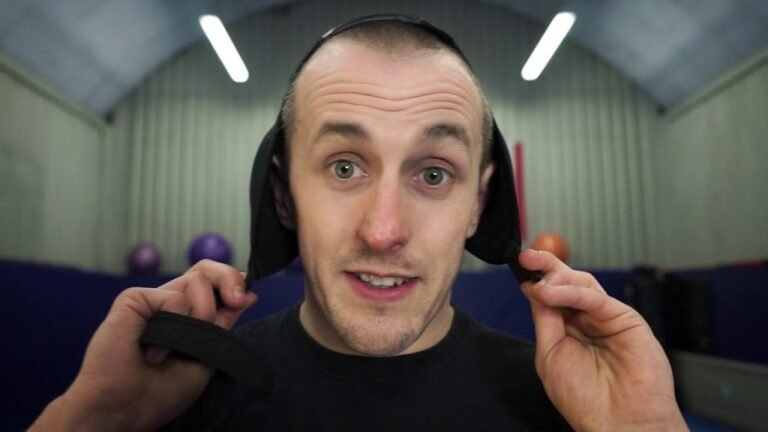
Cauliflower ear happens when the cartilage in your ear gets damaged from repeated friction and pressure — common in grappling. Ear guards (wrestling headgear) prevent this by protecting your ears during training.
Here’s the honest take: most recreational practitioners won’t develop cauliflower ear from training 2–3 times a week. It’s more common in people who train heavily, wrestle frequently, or play a very top-pressure-heavy game.
If you’re concerned about it, buy ear guards. Cliff Keen and Matman make quality options. But don’t feel pressured into buying them before your first class. Pay attention to how your ears feel after the first few weeks of training, and decide from there.
Spats / Compression Tights ($20–$40)
Spats are compression tights worn for no-gi training, either on their own or under shorts. They protect your legs from mat burn, provide mild compression support, and add a hygiene barrier between you and the mat.
Not everyone likes the feel of compression tights, and they’re not required at most gyms. Try rolling without them first. If you’re getting mat burn on your knees and shins regularly, it’s time to invest.
Knee Pads ($15–$25)
Knee pads or knee sleeves can help if you have existing knee issues or find yourself grinding your knees into the mat during guard passes. Lightweight volleyball-style knee pads are popular because they provide padding without restricting movement.
Most beginners won’t need these right away, but they’re worth considering after a few months if your knees are taking a beating.
Athletic Tape ($5–$10)
Athletic tape is used to protect fingers and toes from the constant gripping in gi training. “Finger tape” wrapping is a skill in itself — YouTube tutorials can walk you through it.
You probably won’t need tape until you’ve been training gi for several months and start developing sore finger joints. When that happens, a roll of athletic tape becomes your best friend.
Stuff You Don’t Need (Yet)
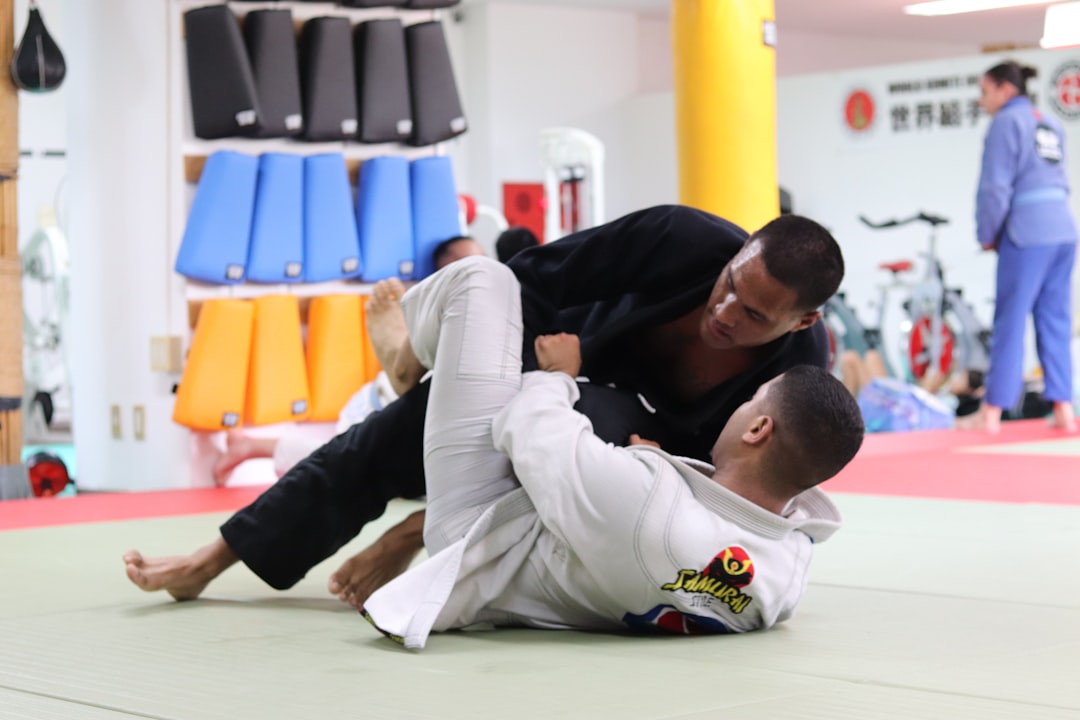
Let’s address the marketing-driven “essentials” that aren’t essential at all for beginners:
- A second gi — One is enough until you’re training frequently enough to outpace your laundry schedule
- Premium rashguards — Budget options work perfectly fine while you’re learning
- Grappling dummy — You’re a beginner. You need mat time with real partners, not solo drills at home
- Supplements and recovery gear — Focus on showing up consistently. The fancy stuff can come later
- Competition gear — Don’t buy competition-specific gear until you’ve actually signed up for a tournament
- Multiple belt colors — You’re a white belt. You’ll be a white belt for a while. Embrace it
The Real Starter Kit — Total Cost Breakdown
Here’s what a realistic beginner BJJ gear list looks like, with approximate costs:
- BJJ Gi (white): $60–$80
- Rashguard (1 long-sleeve): $15–$25
- Grappling shorts: $20–$30
- Mouthguard: $5–$15
- Flip flops: $10–$15
- Gym bag: $20–$30
Total: $130–$195
That’s it. Under $200 gets you fully equipped for both gi and no-gi training. Everything else is optional and can wait until you’ve been training for a few months and have a better sense of what you actually need.
Hygiene Essentials — Don’t Be That Training Partner
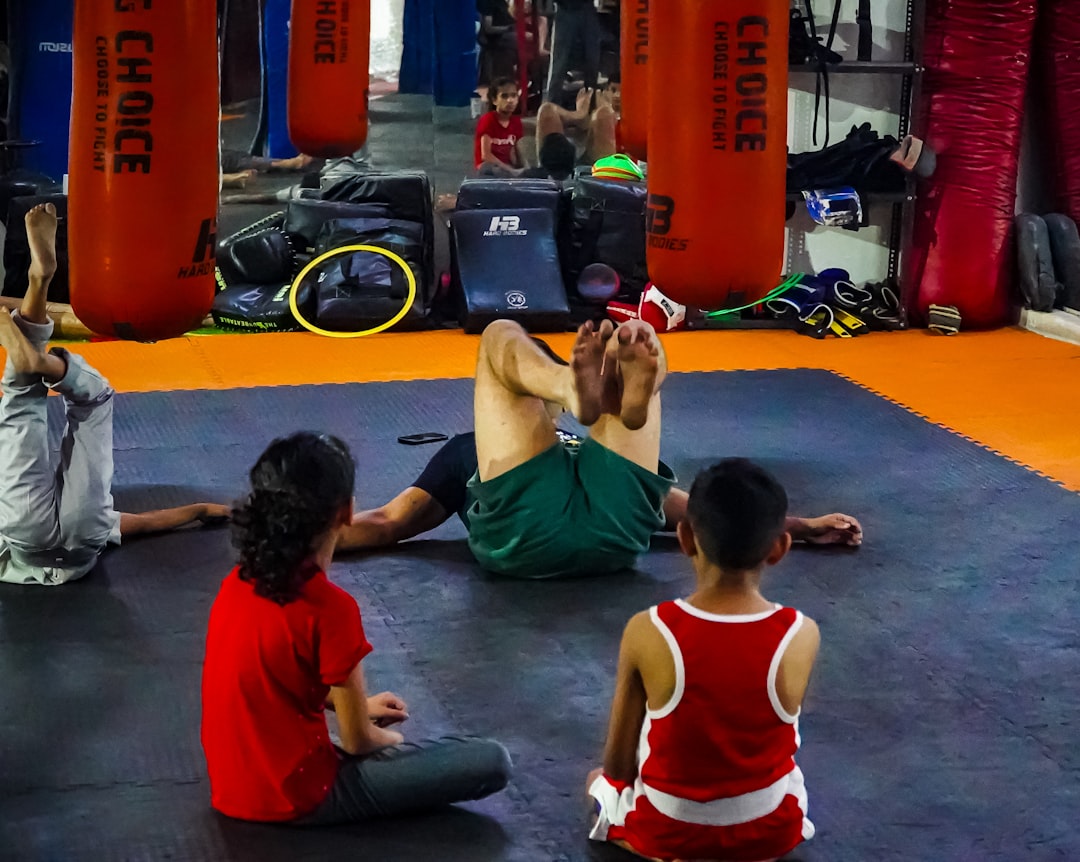
This isn’t gear, but it’s just as important: your hygiene habits will define your reputation at the gym faster than your guard game.
- Shower immediately after training — Don’t stop for groceries on the way home in your sweaty rashguard
- Wash your gi and rashguard after every single session — No exceptions. No “I’ll wash it tomorrow.” Right when you get home
- Keep your nails trimmed — Long fingernails and toenails scratch training partners and can cause infections
- Use a defense soap or tea tree body wash — Products like Defense Soap are designed to kill the bacteria and fungi common in grappling environments
- Don’t train if you have any skin infection — If you see anything suspicious on your skin, stay home and see a doctor. Coming to training with ringworm or staph makes you the villain of the academy
Good hygiene isn’t optional in BJJ. It’s the bare minimum of being a respectful training partner.
Start Simple, Upgrade Later
The best advice for any BJJ beginner: show up with the basics and see if you love the sport before investing heavily. A lot of people buy a full gear setup, attend three classes, and decide BJJ isn’t for them.
Start with a gi, a rashguard, a mouthguard, and slides. Train for a month. If you’re hooked — and most people are — then start building out your gear collection based on your actual training needs, not based on what an Instagram ad told you to buy.
The mat doesn’t care what brand you’re wearing. It only cares that you showed up.
Browse our top-rated rashguards and no-gi gear at the RashguardGuy shop →
Shop on Amazon
BJJ Gi on Amazon →
As an Amazon Associate we earn from qualifying purchases.