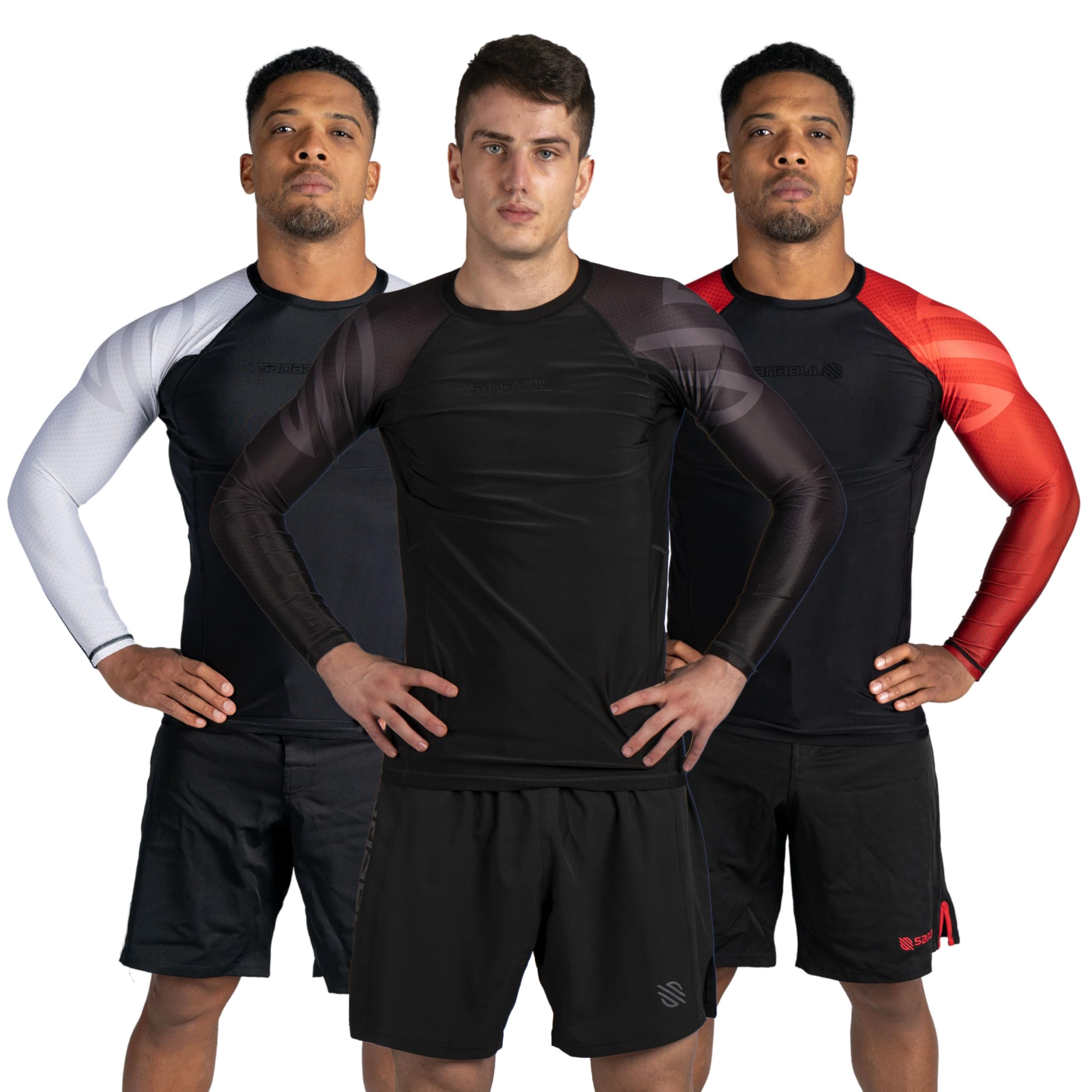
The Season Test: How the Best Rashguards for BJJ and Grappling Hold Up in 2026
Every rashguard looks good on a product page. The colors are crisp, the model looks athletic, and the compression claims are generous. What a product page cannot tell you is how that same rashguard behaves after six months of twice-a-day training—whether the spandex goes slack after fifty washes, whether the flatlock seams stay flat when someone clears your hips from side control, or whether the compression panels actually do anything for your shoulders late in a tournament day when your body is already taxed.
The search for the best rashguards for BJJ and grappling in 2026 is not primarily a question of brands or rankings. It is a question of knowing what to look for before you buy, and how to read what the mat tells you once you are actually training in the gear. This guide covers that evaluation process from fabric specification through care protocol—the full picture of what makes a rashguard genuinely perform over a season.
What No-Gi Grappling Actually Does to a Rashguard
No-gi training is harder on gear than almost any other athletic activity. The combination of sustained compression stress, sweat saturation, friction against the mat, and grip contact from training partners creates a wear environment that exposes every weakness in a rashguard’s construction within a few months. This is not a theoretical concern—it is what separates a rashguard that costs you one purchase from one that costs you three replacements in the same period.
The primary failure points are compression loss in the torso and sleeves, seam separation at the most-gripped panels, and color degradation from washing and UV exposure. The best rashguards for BJJ and grappling in 2026 are built to resist all three failure modes simultaneously, not just one. A rashguard that holds its seams but loses compression after three months has failed just as much as one that tears at the shoulder after a hard training block.
Compression loss is the most common and least visible problem. A rashguard can look intact while offering almost none of its original compression support. The mechanism is straightforward: repeated stretch cycles and heat washing break down the elastane fibers over time. Lower-quality rashguards use a minimum spandex percentage to hit a price point, which means compression degrades faster under training volume. Gear built for high-volume use incorporates a higher percentage of four-way stretch fabric and a tighter initial compression specification, so the garment stays functional even after dozens of wash cycles.
Fabric Construction — Reading the Spec Sheet Honestly
The fabric specification on a rashguard product page is a starting point, not a verdict. A polyester-spandex blend at 87/13 behaves very differently depending on yarn quality, fabric weight, and weave structure. These variables are rarely disclosed in product listings, which is why reviews from high-volume trainers carry more weight than marketing copy when evaluating the best rashguards for grappling.
For no-gi grappling specifically, the fabric needs to handle two competing demands: it must compress without restricting movement range, and it must be durable enough to resist the friction and grip stress of live rounds. These demands push in opposite directions. Lighter fabrics feel better and allow more freedom of movement, but they wear out faster under consistent training. Heavier fabrics last longer but run hot and can restrict shoulder mobility during extended sessions or tournament days where you are on the mat for hours at a stretch.
The best rashguards for competition and hard training in 2026 tend to land in the 200–220 GSM range for short-sleeve designs and slightly heavier for long sleeves. Below that weight, expect measurable compression loss within the year under regular training volume. Above it, expect heat management issues that affect performance in sustained rounds. The GSM sweet spot is not arbitrary—it reflects where durability and breathability actually overlap in grappling contexts rather than in general athletic use.
Nylon-spandex blends are worth understanding separately from polyester alternatives. Nylon is more abrasion-resistant than polyester, which is why it appears in higher-end rashguards built specifically for longevity on the mat. The tradeoff is cost and dye behavior—nylon takes color differently than polyester, and not every manufacturer optimizes their printing process for it. For grapplers training more than four days per week, a nylon blend is worth the price premium when measured over a full training year rather than at point of purchase.
Seam Construction Under Real Grappling Conditions
Seams are where rashguards fail most dramatically. A blown seam mid-round is more than inconvenient—it ends a training session and reveals something important about what you bought. Understanding the difference between stitch types is one of the most practical things a grappler can know when shopping for durable gear.
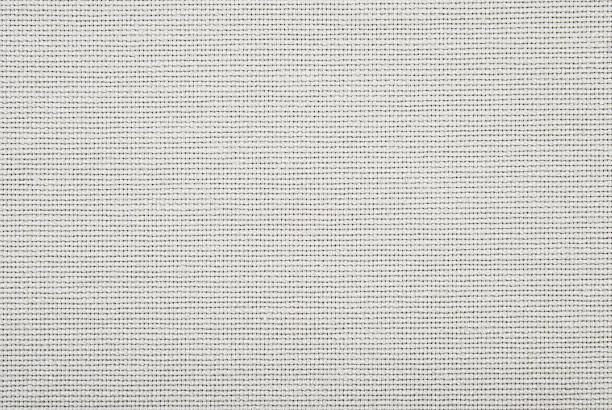
Flatlock stitching is the standard for quality rashguards because it creates a seam that lies flat against the skin, reducing irritation during extended wear. The stitch runs on both sides of the fabric panel, creating a wider but smoother bond than a standard overlock. Under grappling stress—particularly during prolonged guard work where a training partner applies sustained pressure across your upper body—flatlock seams hold better because the thread load is distributed across a wider contact surface rather than concentrated at a single edge.
What matters beyond stitch type is panel engineering. Rashguards with fewer, larger panels have longer seams running across high-stress areas: across the lat region, across the shoulder, across the lower back where a guard player’s hips generate repeated extension forces during sweeping sequences. More panels mean shorter individual seams and better load distribution across the garment. Performance-oriented rashguards often use eight or more panels rather than the four or five common in basic designs. This is visible when you stretch the garment flat and count the seam lines—a quick physical check that tells you more than a product description will.
How Competition Requirements Shape the 2026 Rashguard Market
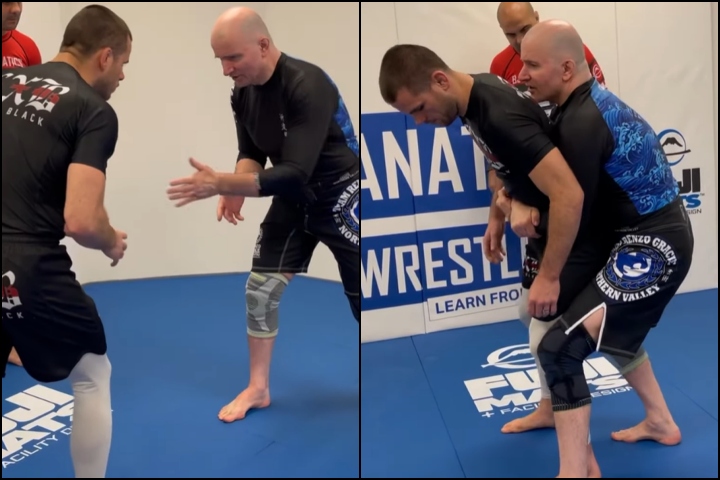
The no-gi competition circuit directly shapes what gets designed and manufactured. ADCC rules, IBJJF no-gi regulations, and promotion-specific requirements around color, sleeve length, and logo placement have pushed manufacturers to build rashguards that satisfy multiple rule sets without requiring athletes to carry separate gear for different events. Understanding these requirements is part of finding the best rashguard for anyone who competes.
The color standardization that IBJJF introduced for no-gi competition—white rashguards for lower belt grades, black for higher grades, with specific matching requirements between rashguard and shorts color—created design pressure that changed the entire market structure. Manufacturers now produce more complete color-matched kits and fewer standalone pieces. If you shop for a rashguard without considering shorts compatibility, you are likely to run into compliance issues at event registration, which is a fixable but unnecessary problem.
What this means for individual gear buyers is that the rashguard market has matured in a specific direction. The gap between budget and premium rashguards has narrowed at the level of basic construction quality, but the gap in longevity and fit engineering has widened. Mid-range rashguards in the $50–70 range can pass rule-set requirements comfortably and hold up adequately for hobbyist training volumes. Premium gear at $90–120 is built to maintain those specifications after a full year of competition-level use—which is where the investment calculus shifts for serious competitors.

Fit Engineering — Why Standard Sizing Charts Fail Grapplers
Rashguard sizing has never been straightforward for grapplers because grappling bodies do not conform to standard athletic proportions. High-volume training develops specific physical characteristics—wide backs, thick trapezius muscles, developed lats relative to waist circumference—that make generic sizing unreliable across brands and even across product lines within a single brand.
The practical problem is that a rashguard sized correctly through the torso often runs tight across the upper back and shoulder, restricting the overhead reach required for underhook work, grip fighting from the clinch, and collar tie defense. Sizing up to accommodate the shoulder loosens the torso compression and causes the rashguard to bunch during movement, which defeats the compression function and creates additional friction contact with the mat.
The best-constructed rashguards for no-gi grappling in 2026 address this through gusseted panels in the shoulder and underarm region. These panels allow unrestricted overhead reach without sacrificing torso compression. This feature rarely appears prominently in product descriptions, but it is visible during physical fit tests and becomes obvious within the first week of training in the gear. When evaluating rashguards, look for brands that publish detailed measurement charts including chest circumference, shoulder width, and sleeve circumference—not just S through XXL designations that assume a single body proportion across all sizes.

Washing Protocol and Long-Term Compression Retention
The gap between a rashguard that lasts two years and one that loses compression in eight months is often not the garment itself—it is how the gear is washed. Care protocol has a compounding effect over training volume that most buyers do not factor into their purchase decision.
Hot water accelerates elastane breakdown through repeated thermal cycling of the fiber structure. Machine drying does the same but more aggressively, because heat combined with mechanical agitation specifically targets the elastic fibers responsible for compression stretch. The best rashguards are built to survive occasional heat washing without catastrophic failure, but they degrade measurably faster under those conditions even when the degradation is not visible from the outside.
Cold-water machine wash followed by air drying is the protocol that extends rashguard lifespan by the widest margin. For training gear used multiple times per week, the math on this is significant: a grappler training five days a week and washing after every session runs 250-plus wash cycles per year on a single piece of gear. At that volume, the difference in longevity between performance-grade elastane yarn and commodity elastane is meaningful and measurable. This is a core part of what the price premium on quality rashguards actually pays for—not the logo or the print design, but the underlying fiber specification that retains elastic function across hundreds of wash cycles.
Matching Rashguard Specification to Your Training Reality
The best rashguard for BJJ and grappling in 2026 is not a universal answer. It depends on how much someone trains, whether they compete, what rule sets govern their competition, and what their mat environment—temperature, surface, training partner intensity—actually demands from gear. Applying identical evaluation criteria to a hobbyist and a full-time competitor produces different and equally valid recommendations.
A hobbyist training two or three times per week accumulates far fewer total wash cycles and less mat time per month. The longevity engineering built into high-end gear is partially wasted on that use pattern. A mid-range rashguard with solid initial compression and proper flatlock construction is the better value decision in that context. The advanced durability features become relevant when volume actually justifies the engineering.
The competitor training twice daily and competing monthly needs durability that survives the volume, compression that remains functional late in tournament days when the body is already fatigued, and color compliance across multiple event rule sets. The premium is justified not as a status purchase but as a cost-per-use calculation—gear that lasts twice as long and costs 60 percent more is a net saving across a training season.
The evaluation framework that cuts through the 2026 market is straightforward: be honest about training volume first, then assess gear against the specific failure modes that volume creates. At low volume, fit and initial comfort dominate the decision. At high volume, fabric specification, seam construction, and wash-cycle durability take priority. The brands producing the best gear in 2026 understand this distinction and build product lines that address different use cases rather than claiming a single design serves all grapplers equally well. The grappler who understands what their training actually demands of gear will consistently make better purchasing decisions than one following rankings or popularity without that contextual filter.
Sources
- FloGrappling — No-gi competition coverage and athlete gear analysis
- IBJJF — Official no-gi uniform regulations and color compliance requirements
- Wikipedia — Rashguard construction and material overview