The Materials Science of a Rashguard That Keeps Its Color
Most grapplers replace a rashguard because it looks tired, not because it failed. The seams hold, the compression is fine, but the black has gone charcoal-gray and the logo on the sleeve has ghosted into a smear. That fade is not bad luck — it is chemistry, and it starts the moment the dye meets the fiber on the factory floor, long before you ever wash it. For the full mechanics of what attacks that dye during training and laundry — sweat, chlorine, UV, and heat — see our complete guide to why rashguards fade. This piece is about the decision that happens before any of that: how to tell, on the rack, which rashguard will actually survive it.
Understanding how color actually attaches to a synthetic training top tells you exactly which rashguards survive two years of no-gi rounds and which ones surrender by month four.
Why No-Gi Rashguards Fade Faster Than You Think
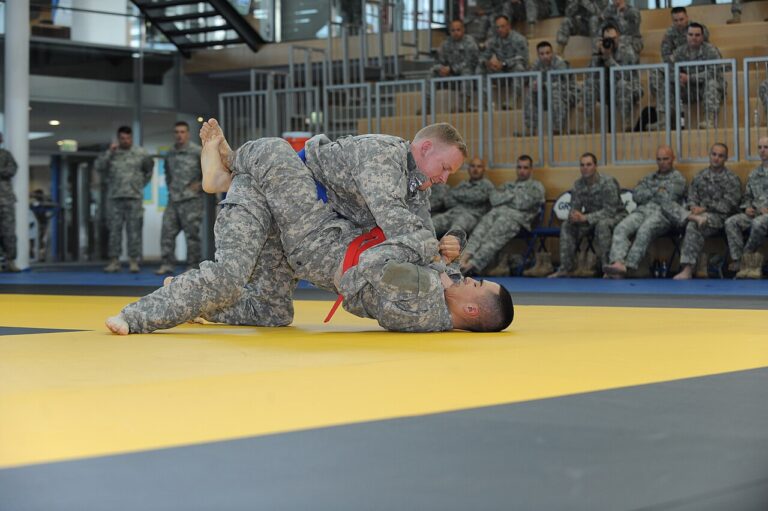
A no-gi rashguard lives a harder life than almost any other garment you own. It absorbs sweat that carries salt and ammonia, it gets stretched over shoulders and dragged across mats, and then it usually gets thrown in a gym bag damp for six hours before it sees a wash. Each of those steps attacks color in a different way. Salt crystals abrade the surface, ammonia shifts the pH and loosens weaker dye bonds, and trapped moisture in a warm bag is a breeding ground for the bacteria that break pigment down. The fabric can be structurally perfect and still look a decade old.
The honest truth is that price tells you very little here. A $70 rashguard with a cheap screen-printed graphic will fade faster than a $35 one that was fully sublimated. What you are paying for on the good ones is the dyeing method, and that is invisible on the hanger.

Sublimation vs. Screen Print: The Dye Method Decides Everything
There are two ways to put a design on a polyester rashguard, and they age nothing alike. Screen printing lays ink on top of the fabric as a physical layer. It feels slightly rubbery when new, it can crack along stretch lines, and every wash sands a little of it away. Sublimation is different: heat turns solid dye directly into gas, which penetrates the polyester fiber and solidifies inside it. The color becomes part of the thread rather than a coating on it.
This is why a properly sublimated rashguard has no texture where the graphic is — you cannot feel the print because there is nothing sitting on the surface. It also explains the durability gap. You cannot scrape off a dye that lives inside the fiber. The dye-sublimation process only works on synthetics, which is one more reason serious rashguards are built from polyester rather than cotton blends. If a rashguard feels like it has a sticker on the chest, expect that logo to be the first thing to go.
The Fabric Itself: Polyester, Spandex, and Why the Blend Matters
Color longevity is not only about the dye — it is about what the dye is bonded to. The standard no-gi blend is roughly 80–88% polyester with 12–20% spandex (elastane). Polyester holds sublimated dye permanently and resists moisture, which is exactly what you want. Spandex delivers the four-way stretch and compression, but here is the catch: spandex does not accept sublimation dye the way polyester does. In a very high-spandex blend, the elastane fibers stay comparatively pale and the overall color reads as slightly washed out even when new, and it drifts further over time.
The sweet spot most quality brands land on is around 85/15. Enough spandex for compression and recovery, enough polyester to carry deep, stable color. Blends that push past 25% spandex feel great for the first month but tend to look faded fast, because a quarter of the fabric was never going to hold pigment well in the first place.

Colorfastness Ratings: What the Numbers Actually Mean
Textile makers grade color durability on a scale from 1 to 5, measured against standards set by groups like the AATCC (American Association of Textile Chemists and Colorists). A rating of 1 means the color runs and fades badly; a 5 means it barely moves under the test. Rashguards worth buying test at 4 or above for both washing and light exposure. The problem is that almost no consumer brand prints these numbers on the label, so you are left reading proxies.
The reliable proxies are the ones already covered: full sublimation, a polyester-dominant blend, and a tight knit. A dense fabric holds its dye better than a loose one simply because there is more fiber packed into every square inch and less surface exposed to abrasion. When a brand does publish a colorfastness figure or references AATCC testing, take it seriously — it means they measured instead of guessed.
How Chlorine, Sweat, and UV Break Down Color
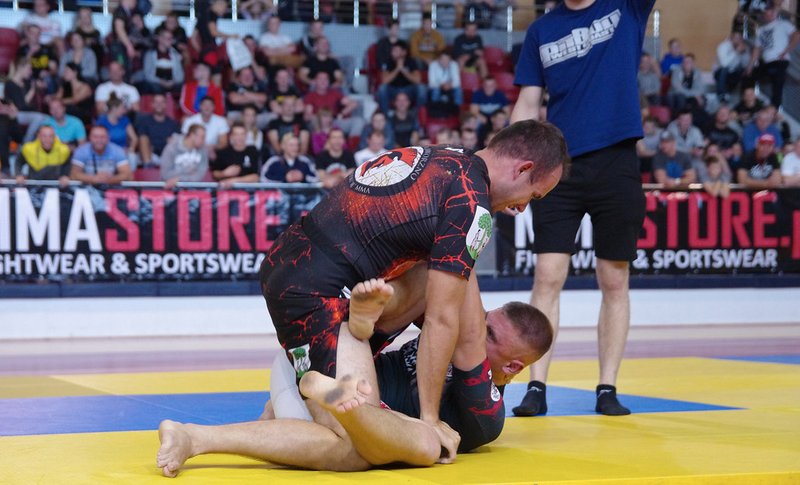
Three forces do the actual damage, and they stack. UV light from outdoor training or a sunny drive home breaks the chemical bonds in dye molecules through photodegradation — the same process that fades a car dashboard. Chlorinated water, whether from a pool cross-training session or hard tap water, is an oxidizer that attacks dye directly; this is why a rashguard used for open-water or pool work fades on a completely different timeline than a mat-only one. And sweat is quietly the worst offender because it is constant. Its salt and ammonia shift the fabric’s pH and slowly pry weaker dye bonds loose, round after round.
This is exactly why storage matters as much as washing. A rashguard left balled up and damp in a gym bag stays in the pH danger zone for hours, and the color pays for it. We broke down the full chain of avoidable damage in our guide to hard water, hot cars, and the gym bag, and the pattern is consistent: heat plus moisture plus time is what turns a sharp black rashguard dull.
What to Look For When Buying a Fade-Resistant Rashguard
You can predict color life on the rack if you know the tells. Run your hand over the graphic — if you can feel it, it is screen-printed and will crack and fade; if the design is invisible to the touch, it is sublimated and will last. Check the fabric tag for a polyester percentage in the mid-to-high 80s. Squeeze the fabric: a dense, substantial knit around 220–260 GSM holds color far better than a thin, papery one. And favor darker base colors on lower-cost tops, because deep navy and black hide the early stages of fade that show glaringly on bright reds and light blues.
None of this requires spending more. Plenty of budget rashguards nail the fundamentals — our roundups of the best rashguards under $30 and long-sleeve picks under $50 both prioritize sublimated graphics and honest polyester blends over flashy marketing.

Protecting the Purchase Once You’ve Made It
Buying the right construction sets your ceiling — a well-sublimated, dense, properly blended rashguard is capable of holding color for years. Whether it actually does comes down to habits that are covered in detail elsewhere on this site: wash cold and inside out, skip the dryer and fabric softener entirely, and watch what your detergent bottle is actually formulated to do — a surprising number of mainstream products are chemically working against you, which we break down fully in our detergent guide. Buy for the dye method, then protect it with the right routine, and the fabric will wear through at the elbows long before the color ever gives up.

The Bottom Line on Color That Lasts
Color longevity is decided twice: once by the manufacturer who chooses sublimation and a smart polyester blend, and once by you every time you wash and store the thing. You cannot fix a screen-printed logo on a spandex-heavy top no matter how carefully you launder it — but you can absolutely wreck a beautifully sublimated rashguard by drying it hot and leaving it damp in a bag. Buy for the dye method first. If your current rashguard is already ghosting after a few months, it was telling you something about how it was made — and now you know exactly what to look for on the next one.

Related Reading
- The Chemistry of a Worn-Out Rashguard — the complete guide to why rashguards fade and how to care for them
- Hard Water, Hot Cars, and the Gym Bag — the damage that happens between sessions
- The detergent mistakes that fade rashguards fastest
Sources
- Dye-Sublimation Printing — Wikipedia — How solid dye converts to gas and bonds inside polyester fibers.
- AATCC (American Association of Textile Chemists and Colorists) — Standards bodies behind colorfastness and wash-durability ratings.
- Photodegradation — Wikipedia — The UV-driven chemistry that fades dyes over time.