Polyester, Spandex, and Nylon: What Your No-Gi Rashguard Is Actually Made Of
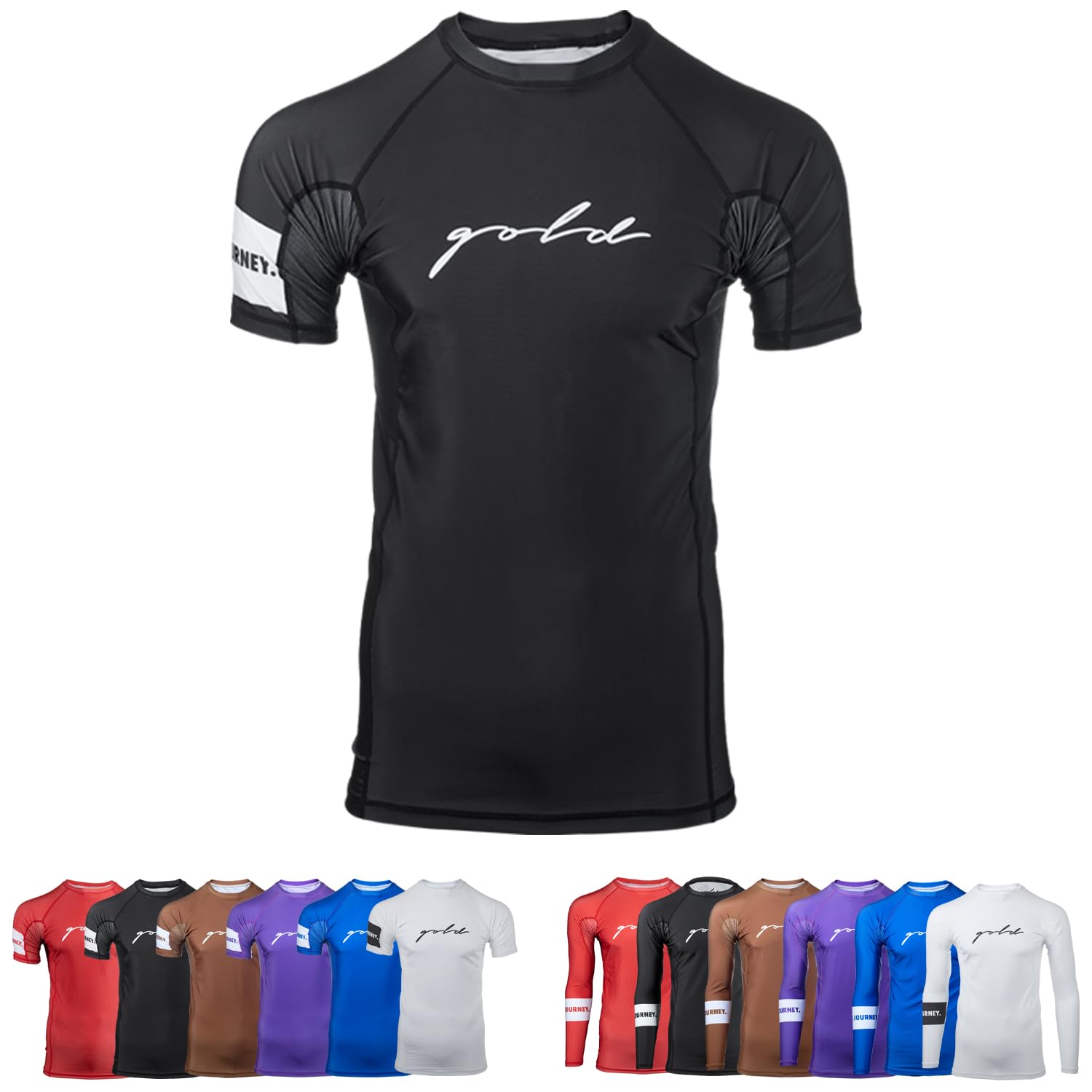
Flip a rashguard inside out and read the little woven tag near the seam. You’ll almost never see a single material. It’s a ratio — something like 88% polyester, 12% spandex, or a nylon-heavy blend with a touch of elastane. Those numbers aren’t marketing noise. They’re the actual recipe that decides whether your top wicks sweat or holds it, whether it snaps back after a deep guard pull or bags out at the elbows, and whether the fabric survives months of mat friction or pills into fuzz. Understanding what polyester, spandex, and nylon each contribute is the difference between buying a rashguard by its print and buying one by how it’ll actually perform when someone is stapling you to the mat.
Three Fibers, Three Different Jobs
It helps to stop thinking of a rashguard as “made of fabric” and start thinking of it as a small engineering compromise. Each fiber in the blend is there to solve one problem, and each one is bad at something the others handle. Polyester manages moisture and durability. Nylon brings softness and abrasion resistance. Spandex — also sold under the names elastane and Lycra — supplies the stretch and recovery that make the garment compressive. No single one of them makes a good grappling top on its own, which is exactly why your label reads like a recipe instead of a single word.
The art is in the ratio and the knit. A top that’s 90% polyester behaves very differently from one that’s 75% nylon, even if both list 10% spandex. Once you know what each component is doing, the spec sheet stops being a mystery and starts being a prediction of how the thing will feel in round five.
Polyester: The Workhorse That Moves Sweat
Polyester is the backbone of the vast majority of no-gi rashguards, and for good reason. It is hydrophobic — it doesn’t absorb water into the fiber itself. Instead, sweat sits on the surface and travels along the yarns to evaporate, which is the entire basis of “moisture-wicking” performance. In a discipline where you’re soaked within ten minutes, that property matters more than almost anything else. A polyester-dominant top pulls moisture off your skin and spreads it across a wider surface so it can dry, instead of turning into a heavy, clammy sponge.
Polyester is also tough. It resists abrasion reasonably well, holds dyes and sublimated prints permanently, and keeps its shape through hundreds of wash cycles. The trade-off is that it can hold odor. Bacteria thrive in the same oils and sweat that the fiber repels, and polyester’s surface gives them somewhere to cling — which is why a neglected polyester rashguard develops that distinctive funk faster than other fabrics. The fix isn’t a different material; it’s washing the top promptly and never letting it ferment in a gym bag. Many quality rashguards add an antimicrobial treatment to the polyester for exactly this reason, but treatments fade, so hygiene habits still win.
Nylon: Softness and Abrasion Resistance
Nylon (technically polyamide) is polyester’s quieter cousin and shows up most often in higher-end or hybrid rashguards. Its standout traits are a softer, smoother hand-feel and excellent abrasion resistance — nylon is genuinely strong, which is why it’s used in everything from climbing gear to parachutes. On the mat, that strength translates into a top that resists the constant grinding friction of bodies, mats, and grips without thinning out at the high-wear zones across the shoulders and elbows.
The catch is moisture. Unlike polyester, nylon absorbs a small amount of water into the fiber, so a nylon-heavy rashguard can feel slightly damper for slightly longer and takes a touch more time to dry. That’s why you rarely see a pure nylon grappling top. Instead, nylon often appears blended with polyester or used in specific high-contact panels where its softness against the skin and its toughness earn their place. If a rashguard feels noticeably silkier and more substantial than a basic polyester one, there’s a good chance nylon is doing the talking.
Spandex: The Reason It Hugs and Snaps Back
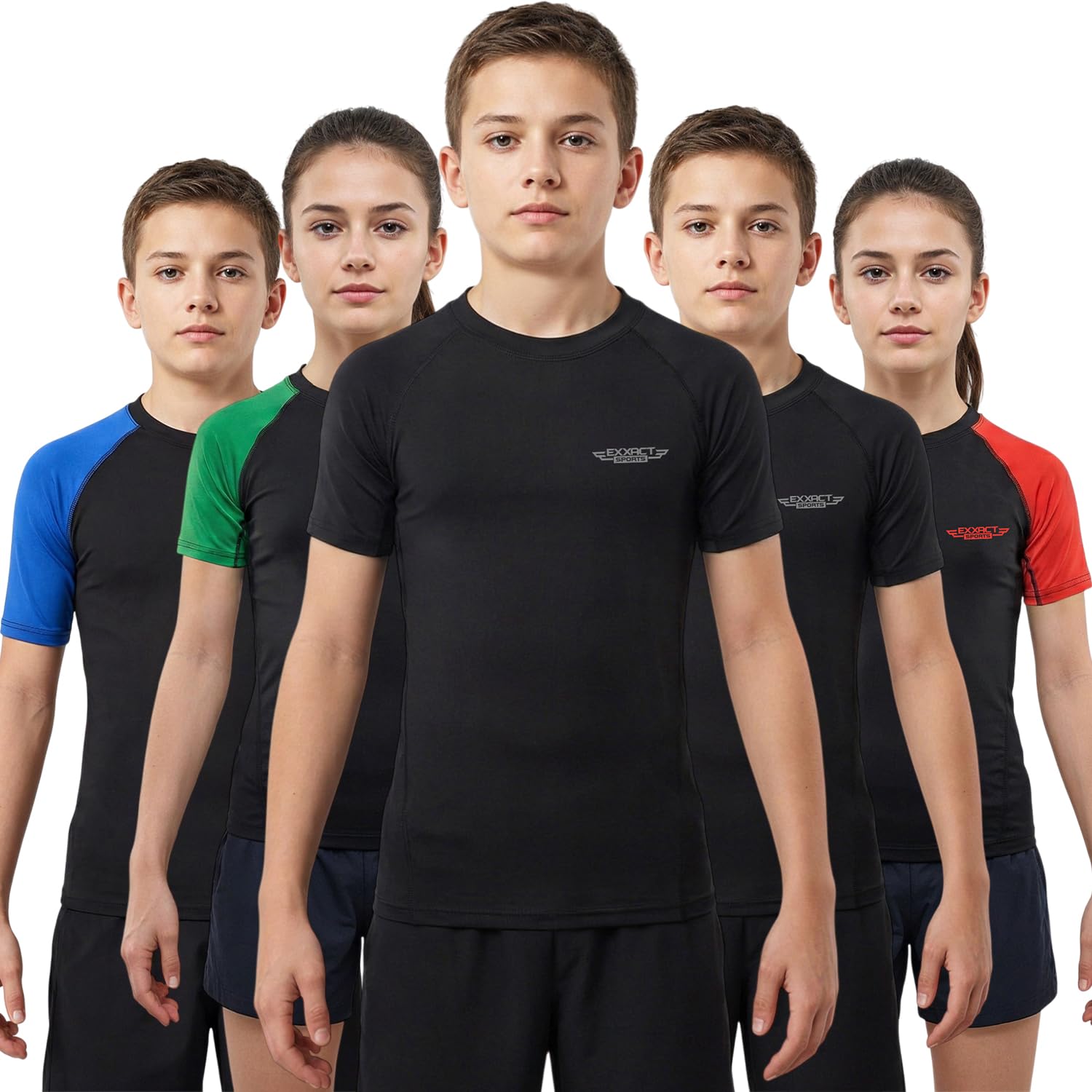
Spandex is the small percentage that does the most dramatic work. At only 8% to 20% of a typical blend, it’s never the majority fiber, but it’s the one that turns a flat piece of polyester into a second skin. Spandex can stretch to several times its length and return to shape, and that elasticity is what gives a rashguard its compression — the snug, supportive fit that keeps the garment locked to your body instead of bunching, riding up, or offering your opponent loose fabric to grab.
For no-gi specifically, that grip-denial is a real tactical benefit. A top that stays plastered to your torso gives a scrambling opponent nothing to control. Spandex also lets the fabric move with you through full range of motion — bridging, inverting, shooting — without restricting or tearing. The downsides are about longevity and care: spandex degrades faster than polyester or nylon, and it’s the fiber most damaged by heat. Hot dryers and high-temperature washes break down its elasticity, which is the number-one cause of a rashguard going slack and saggy before its time. Wash cool, hang dry, and the spandex — and therefore the fit — lasts dramatically longer.

Why the Blend Beats Any Single Fiber
Put the three together and the compromise resolves itself. A common, well-balanced no-gi rashguard runs roughly 80–88% polyester with 12–20% spandex: the polyester moves sweat and takes the abuse, the spandex delivers the compressive, grip-proof fit. Add nylon — say a poly-nylon-spandex blend — and you trade a little quick-dry speed for a softer feel and better abrasion life, which is why premium tops lean that direction.
There’s no universally “best” ratio; there’s a best ratio for what you train. If you sweat heavily and roll in a hot room, prioritize a polyester-dominant blend that dries fast. If you compete and want maximum control denial, look for a higher spandex percentage for tighter compression. If your tops keep wearing thin at the elbows, a nylon-inclusive blend will outlast a pure polyester one. The label tells you which of these you’re buying — you just have to read it.
The Knit Matters as Much as the Fiber
Two rashguards with identical fiber percentages can still feel completely different, because how the yarn is knitted changes everything. Fabric weight, usually quoted in GSM (grams per square meter), tells you how dense and substantial the material is. A lighter knit breathes better and dries faster but can feel flimsy and show wear sooner; a heavier knit feels premium and durable but runs hotter. The knit structure also determines four-way versus two-way stretch — four-way stretch (give in both directions) is what you want for grappling’s chaotic ranges of motion.

This is why fiber content alone can’t fully predict performance. A flatlock or offset seam construction keeps the stitching from rubbing your skin raw over long sessions, and the placement of panels can put the most abrasion-resistant material exactly where the most grinding happens. When you compare two tops with the same blend, the one that feels better is usually winning on knit, weight, and construction — not on a secret fiber.
Reading the Label Before You Buy
Once you internalize what each fiber does, shopping gets simple. A high polyester percentage signals a fast-drying, durable, budget-friendly workhorse. A meaningful nylon content signals a softer, tougher, slightly slower-drying premium feel. The spandex percentage is your compression dial — more means a tighter, more grip-resistant fit, but also a fiber that demands gentler care. And the GSM and stretch direction tell you how the same blend will actually wear.

Match those facts to your training reality. Hot, sweaty room: polyester-forward, lighter knit. Frequent competition: higher spandex for control denial. Hard on gear: nylon in the blend. Then protect whatever you buy — cool wash, no fabric softener (it coats the fibers and kills wicking), and never the hot dryer that murders spandex. Care is what turns a good blend into a top that still fits and performs a year later. If you want to browse current options across these blends, an open no-gi rashguard search lets you filter by exactly the fiber content and weight you now know how to read.
The takeaway is that a rashguard isn’t good or bad because of one material — it’s good because the right amounts of polyester, nylon, and spandex were combined and knitted for the kind of grappling you do. Read the ratio, picture what each fiber is contributing, and you’ll never again buy a top based on the print alone.
Sources
- Polyester — Wikipedia
- Nylon (polyamide) — Wikipedia
- Spandex / elastane — Wikipedia
- Moisture transmission in fabrics — Wikipedia
Browse our top-rated rashguards and no-gi gear at the RashguardGuy shop →