
What Goes in a No-Gi Grappler’s Gear Bag: A Complete Kit Walkthrough
Walk into any no-gi room and you will see two kinds of newcomers: the one who showed up in basketball shorts and a cotton t-shirt, and the one who quietly figured out what the sport actually demands of clothing and skin. No-gi grappling is harder on gear than almost any other martial art because there is no jacket to grip, which means everything happens against bare arms, sweat-slick fabric, and seams that get loaded a hundred times a round. This complete no-gi BJJ gear guide walks the entire bag, piece by piece, so you understand not just what to buy but why each item earns its spot.
Why No-Gi Gear Is Its Own Category
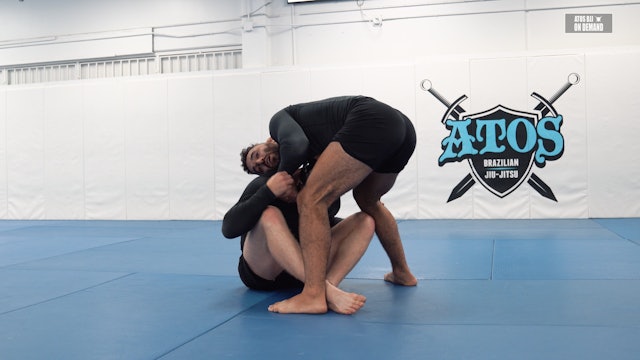
Gi jiu-jitsu hides a lot of equipment problems. The heavy cotton kimono absorbs sweat, protects skin from mat burn, and gives both athletes something durable to hold. Strip that away and the demands shift entirely. In no-gi, your clothing is the grip surface, the abrasion barrier, and the only thing standing between your skin and whatever the last twenty people left on the mat. That is why borrowing kit logic from the gi side, or from the gym, fails. A no-gi loadout is built around compression, low-profile seams, and materials that do not soak up bacteria the way cotton does.
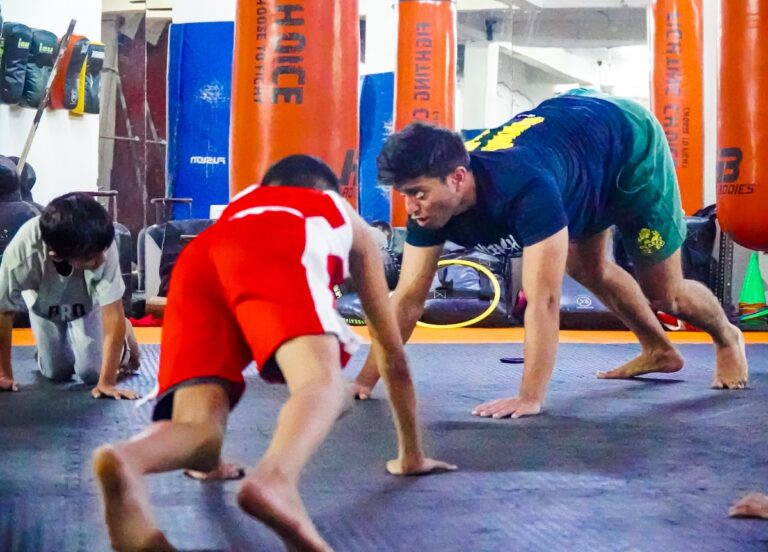
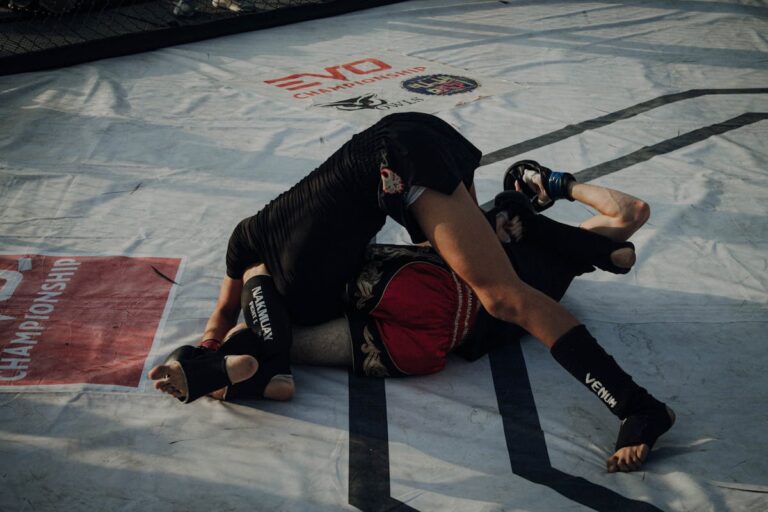
The other thing that separates no-gi gear is movement. Heel hooks, leg entanglements, and scrambles put your clothing through ranges of motion that a casual workout never touches. Fabric that rides up, shorts that snag a foot mid-scramble, or a waistband that rolls down during an inversion are not minor annoyances — they are the difference between finishing a position and giving one up. Everything in the bag has to survive being twisted, stretched, and ground into a vinyl mat for an hour straight.
The Rashguard Still Anchors the Kit
The rashguard is the foundation everything else builds around, and most grapplers own three or four before they settle on what they actually like. Its job is threefold: manage sweat so you are not a slip hazard, create a smooth compression layer that does not bunch under an opponent’s grip, and act as a hygiene barrier between your skin and the mat. A good no-gi rashguard fits like a second skin — snug enough that it will not get fistfuls grabbed and yanked, with flatlock or bonded seams that lie flat against the body so they do not abrade your training partner or chafe you raw.
Sleeve length is the one real choice. Short sleeves keep you cooler and are fine in clean, well-run rooms, but long sleeves cover more skin and dramatically reduce the contact surface for mat-borne infections like ringworm and staph. If you train in a humid climate or share mats with a large class, long sleeves are the safer default. Beyond that, prioritize fabric that holds its compression after dozens of washes — cheap rashguards stretch out and start sagging, at which point they stop doing their main job.
Grappling Shorts and the Fight Against Snags
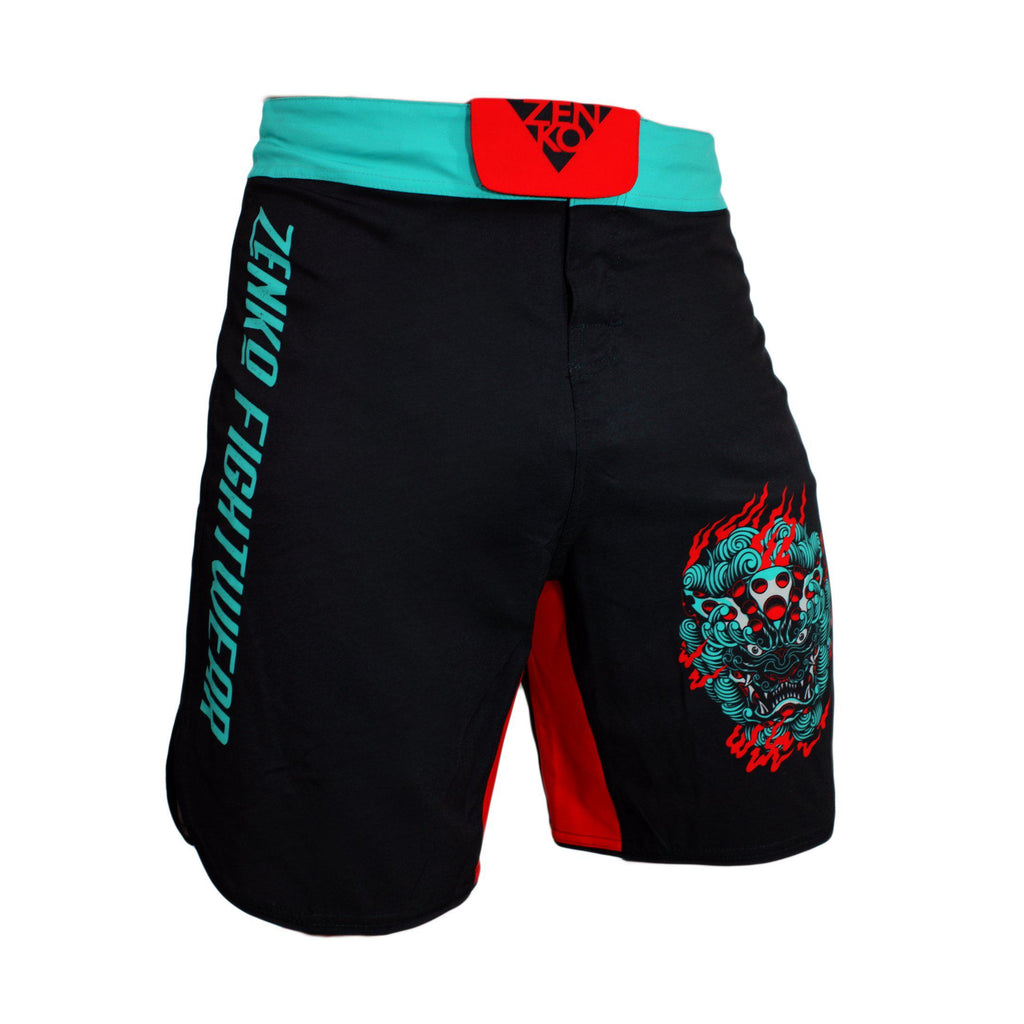
Dedicated grappling shorts, sometimes called fight shorts or board-style no-gi shorts, exist because regular athletic shorts are a hazard. Pockets catch toes. Drawstrings get grabbed. Loose hems give an opponent something to control during leg entanglements — the exact moment you least want to hand someone extra grip. Purpose-built grappling shorts strip all of that away: no pockets, a flat or hidden closure, and a four-way stretch panel through the crotch and thighs so you can shoot, invert, and post without the fabric fighting you.
Look for a secure closure system — usually a hook-and-loop fly backed by a tie-cord or a wide elastic waistband — because nothing kills a roll faster than shorts that creep down during an inversion. Length is personal preference, but most grapplers land somewhere above the knee so the hem does not interfere with knee-on-belly or leg-lock entries. The seams matter here too: ground fighting loads the inseam and seat harder than any other activity, and budget shorts blow out there first.
Spats: Under, Instead, or Skip
Spats — full-length compression leggings — solve the same skin-contact problem as a long-sleeve rashguard, just for your legs. Worn under shorts, they cut mat burn on the knees and shins, add a hygiene layer for leg entanglements where your legs are constantly tangled with someone else’s, and keep your hamstrings warm. Some athletes wear them alone, which is legal in many no-gi rulesets and common in submission-grappling competition. They are not mandatory, but if you do a lot of leg-lock work or train on questionable mats, they earn their place fast.
The Mouthguard Nobody Budgets For
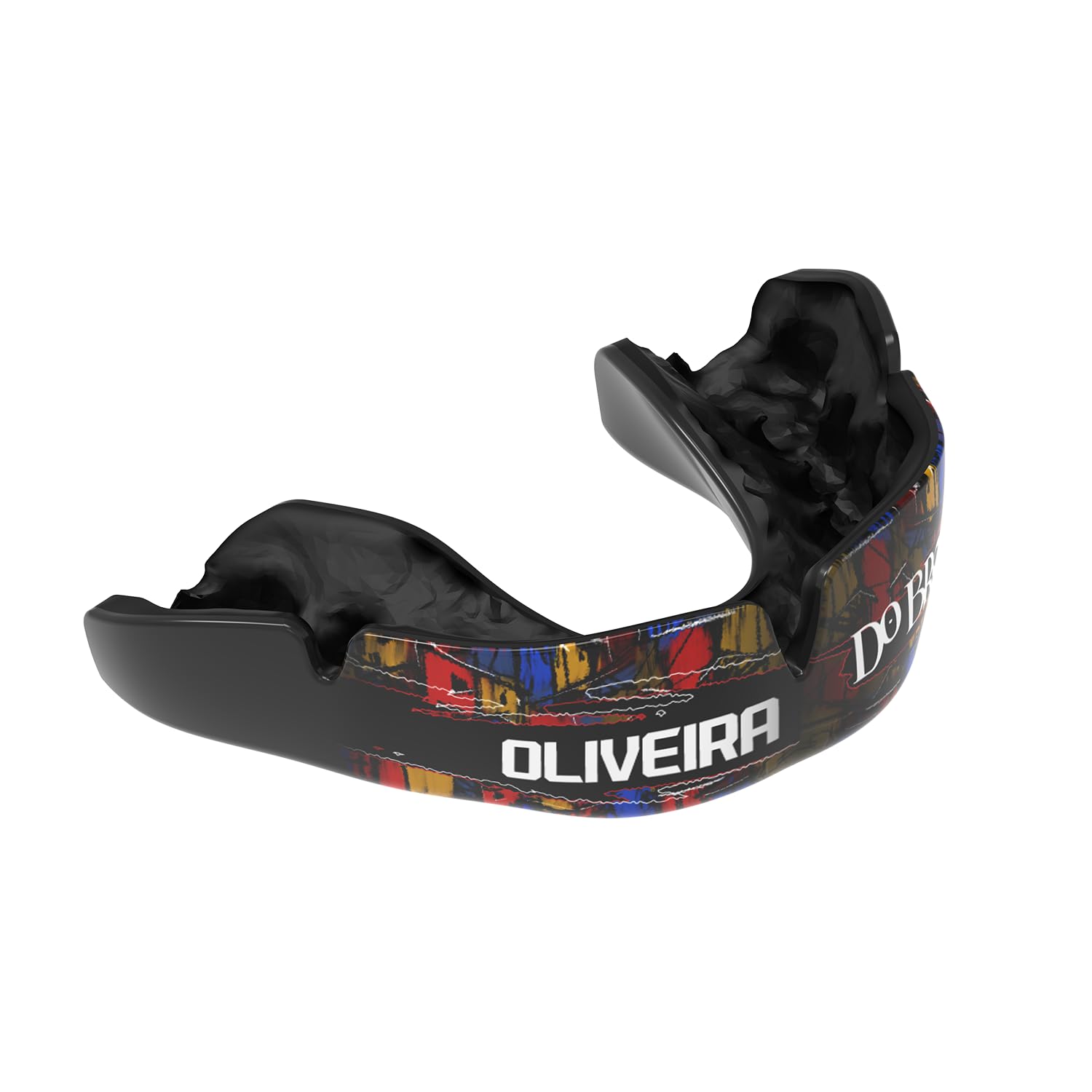
This is the piece beginners skip and regret. Grappling is full of accidental knees, elbows, and stray heads coming up under your chin during scrambles. A mouthguard protects your teeth and, more importantly, helps absorb the kind of jaw impact that contributes to concussions. Boil-and-bite guards from the drugstore work fine to start — you soften them in hot water and bite to mold them. If you train seriously and want something thinner and easier to breathe and talk through, a dentist-made custom guard is worth the money.
Whatever you choose, keep it in a ventilated case, rinse it after every session, and replace it when it gets ragged. A mouthguard living loose in the bottom of a damp gear bag is a science experiment, not protection.
Protecting the Ears Before the Cauliflower Sets In
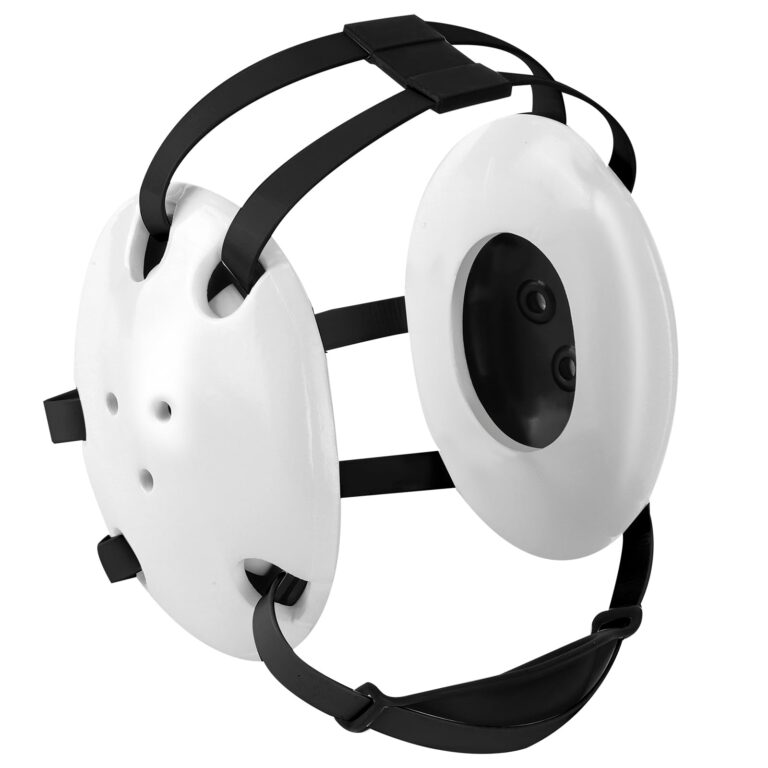
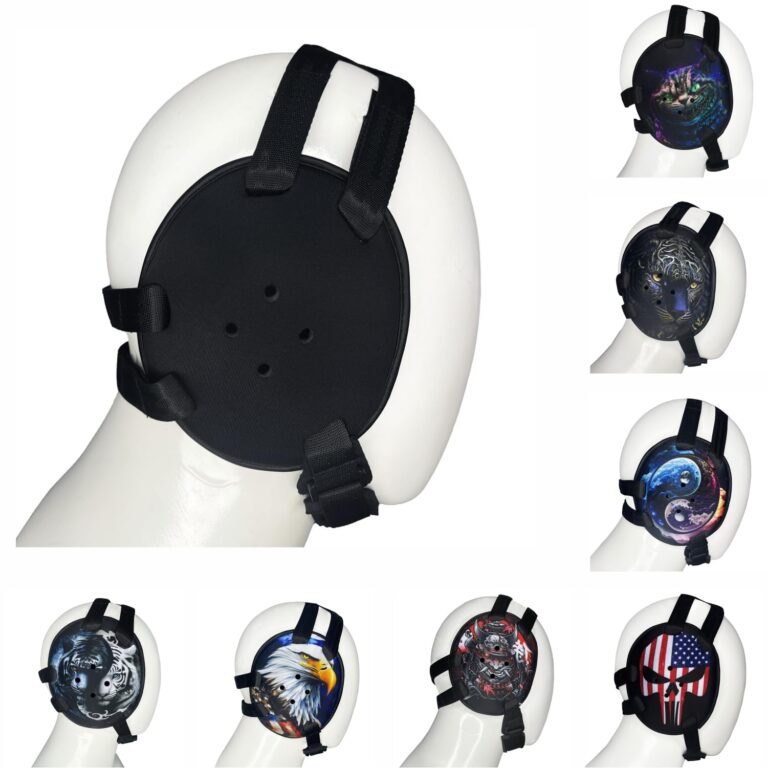
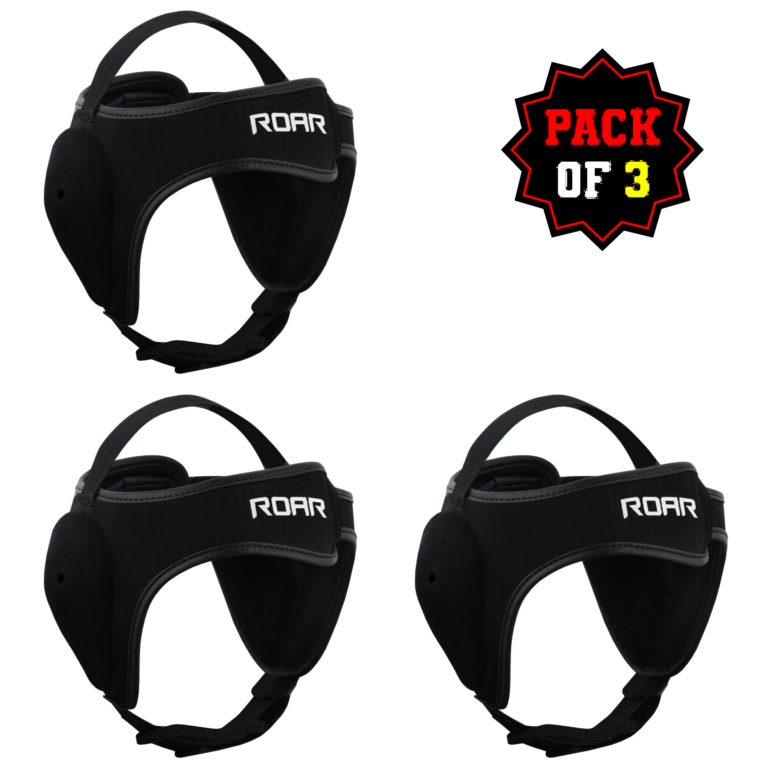
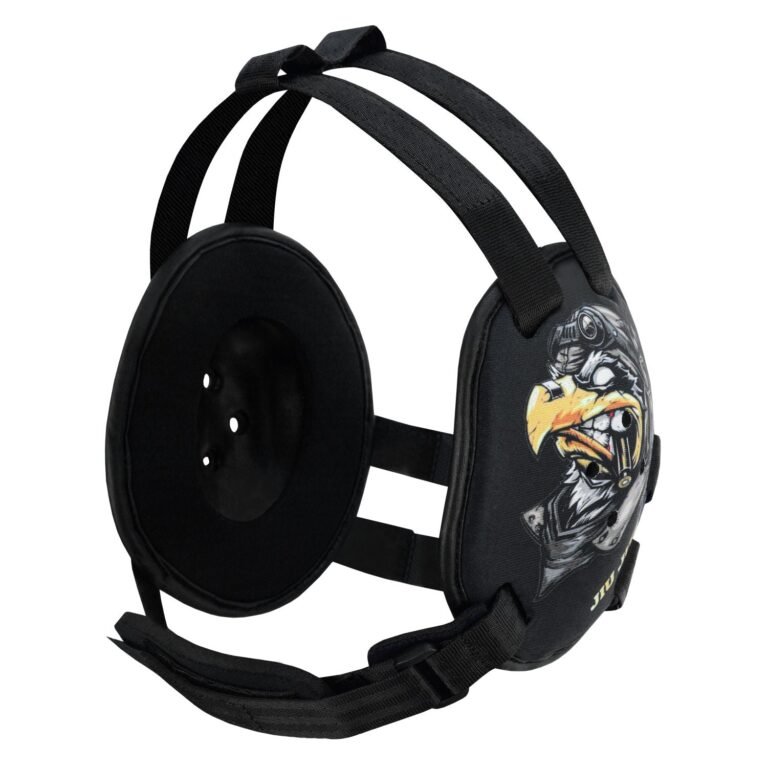
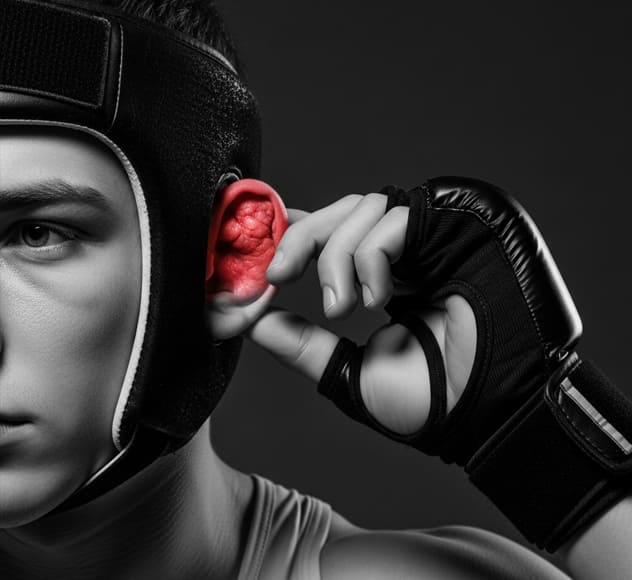
Cauliflower ear is the permanent souvenir of friction and impact to the outer ear — blood pools, the cartilage deforms, and once it hardens it does not come back. No-gi is especially rough on ears because there is no collar to slow down head-to-head and arm-to-ear grinding during passing and scrambles. If you want to keep your ears looking normal, grappling headgear is the only real prevention. It is bulky and unpopular with some, but the trade is straightforward: a little discomfort now versus a deformity you live with forever.
Plenty of grapplers choose to skip headgear and accept the ears as part of the look — that is a personal call. But if you have any reason to keep your ears intact, whether it is a day job, a partner’s preference, or simple vanity, decide early. Cauliflower ear is much easier to prevent than to manage once an active flare-up starts, which sometimes needs draining by a doctor.
Knees, Skin, and the Things That End Training Camps
The injuries that quietly derail no-gi progress are rarely dramatic. They are mat burns that turn into infections, knees that get ground down from constant pressure, and skin conditions that spread through a room. A pair of light compression knee sleeves does double duty: warmth and a touch of stability for joints that take a beating in knee-on-belly and leg entanglements, plus a skin barrier on a high-contact area. They are not a substitute for treating an actual injury, but for general mat wear they help.
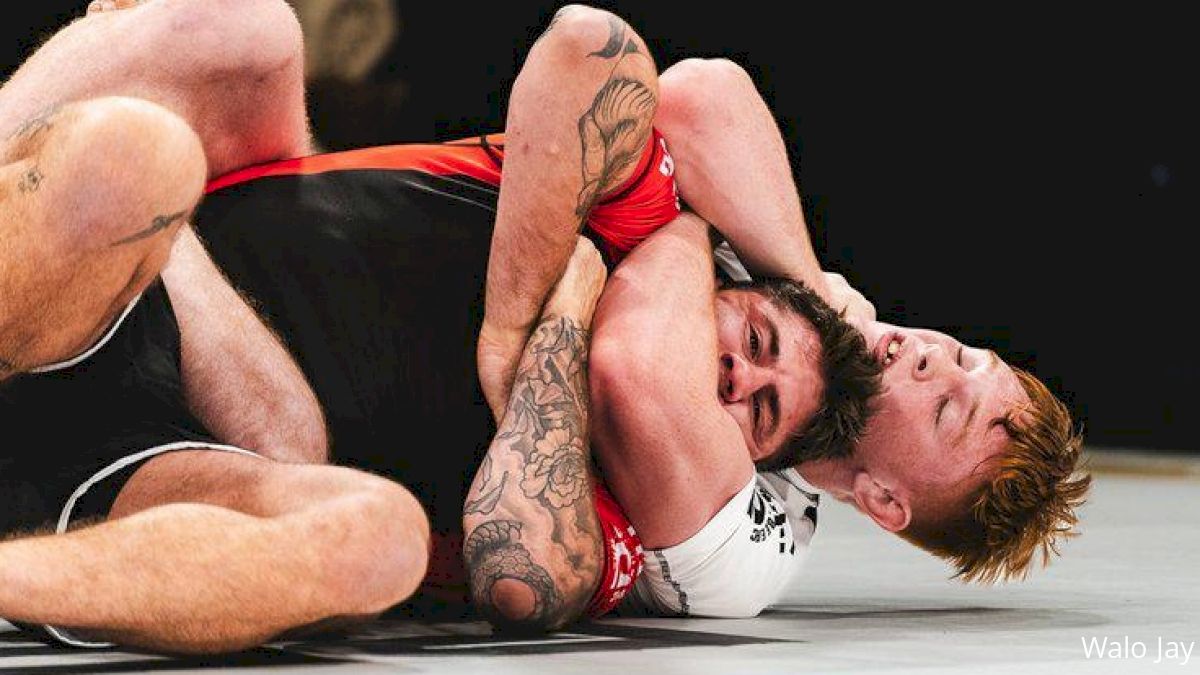
Skin is the part of the kit you carry on your body, and it needs maintenance like any other. Keep fingernails and toenails short so you do not gouge a partner, cover any open cut before you step on the mat, and shower as soon as you can after training rather than letting sweat and bacteria sit. None of this costs much, and all of it keeps you training instead of sidelined with a skin infection that a clean rashguard and a fast shower would have prevented.
The Gear Bag Itself Is Part of the Kit
Here is the mistake almost everyone makes: they buy good gear and then store it badly. A sweaty rashguard balled up in a sealed bag for two days is a bacterial incubator, and that is how a clean piece of equipment becomes the source of the next skin outbreak. The fix is boring and effective. Use a bag with ventilation or at least never seal wet gear inside it. Hang everything to dry the moment you get home. Wash rashguards, shorts, and spats after every single session in cold water, and skip the fabric softener, which coats technical fabric and kills its moisture management.
A small zip pouch with antiseptic wipes, a nail clipper, spare tape, and bandages turns your bag into a self-contained kit that handles the small stuff before it becomes a problem. The athletes who train consistently for years are almost always the ones whose hygiene routine is automatic.
Competition Kit vs Training Kit
Most no-gi competitions have a uniform standard, and it is worth checking your specific ruleset before you show up. Common requirements include a form-fitting rashguard, sometimes in a designated color for your side of the bracket, and board-style or compression shorts without pockets, zippers, or exposed metal. Headgear and knee sleeves are usually allowed; loose clothing is not. The practical takeaway is to keep one clean, rule-legal set reserved for competition so you are not scrambling the morning of a tournament to figure out whether your favorite shorts pass inspection.
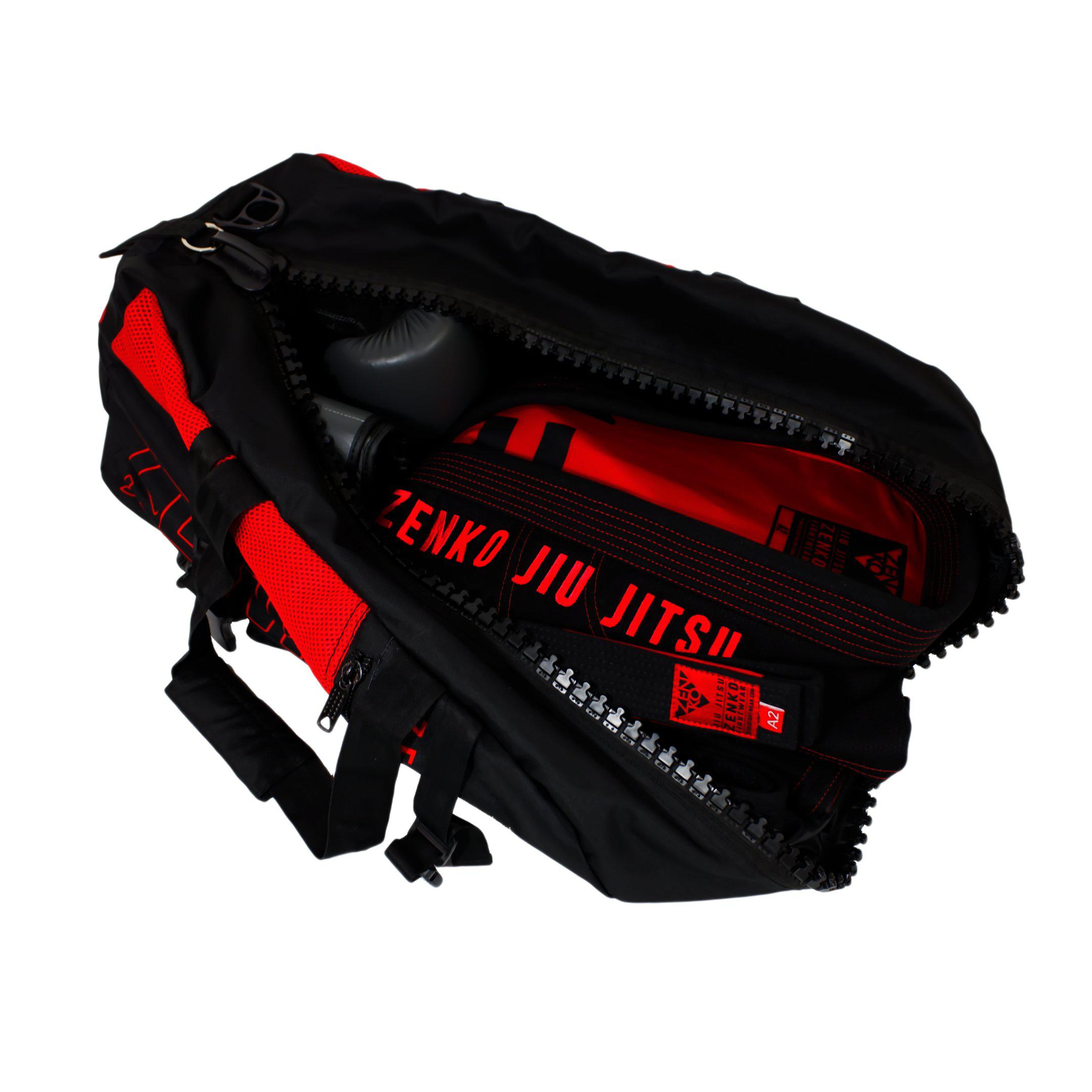
For training, durability and rotation matter more than rules. Two or three rashguards and a couple pairs of shorts let you train on consecutive days while everything stays washed and dry. That rotation is not a luxury — it is the system that keeps your gear from becoming the weak link in your hygiene.
Building the Bag Without Overbuying
You do not need everything at once. Start with one quality long-sleeve rashguard, one pair of grappling shorts, and a boil-and-bite mouthguard, and you can train safely and legally from day one. Add spats, headgear, and knee sleeves as your training volume and goals justify them. The temptation is to buy a closet full of flashy gear before you have rolled enough to know what you actually prefer — resist it, train for a month, then fill the gaps you have personally felt.
When you are ready to buy, search by category rather than chasing a single brand, since fit varies wildly across manufacturers and the right rashguard for your torso may not come from the same label as the best shorts for your legs. You can browse current options for no-gi rashguards, grappling shorts, and grappling headgear to compare cuts and price before you commit.
Sources
- Wikipedia — Submission wrestling (no-gi grappling overview)
- Wikipedia — Cauliflower ear (auricular hematoma)
- U.S. Centers for Disease Control and Prevention — skin infection and hygiene guidance
- Wikipedia — Mouthguard
Browse our top-rated rashguards and no-gi gear at the RashguardGuy shop →
Shop on Amazon
BJJ Gi on Amazon →
As an Amazon Associate we earn from qualifying purchases.