Why Rashguards Fade: The Science of Color Loss in No-Gi Gear
You bought a rashguard with a print you actually liked. Six months later the blacks look gray, the reds look pink, and the logo on the chest looks like it survived a house fire. Fading is the single most common complaint about no-gi gear, and the frustrating part is that most of it is preventable — but only if you understand what is actually happening to the fabric.
This is not another “wash cold, hang dry” listicle. We are going to break down the four mechanisms that attack rashguard color, why your specific print method makes a huge difference, and the no-gi-specific habits that keep your gear looking like the day you opened the package.
Why Rashguards Lose Color in the First Place
Color loss is not one process. It is four different chemical and physical attacks happening at the same time, and each one targets a different part of the fabric. If you only address one, the other three will still wreck your gear.
UV Light Breaks the Dye Molecules
Ultraviolet radiation from sunlight has enough energy to physically split the chemical bonds inside dye molecules. Once those bonds break, the molecule no longer reflects the wavelengths that gave it its color, so it appears washed out. Reds and oranges go first because their dye molecules are the least stable under UV, which is why your bright red competition rashguard fades to salmon faster than a black one.
The damage is cumulative. Twenty minutes on a balcony drying rack every wash adds up to dozens of hours of direct sun over a year, and polyester is especially vulnerable because its surface is smooth and reflects very little UV away from the dye underneath.
Chlorine and Pool Water
If you wear your rashguard for surfing, open water training, or recovery swims, chlorine is an even more aggressive bleaching agent than the sun. It actively oxidizes dye molecules, stripping color in days rather than months. A rashguard that survived a year of BJJ rolls can fade visibly after three pool sessions.
Sweat pH and Salt Crystals
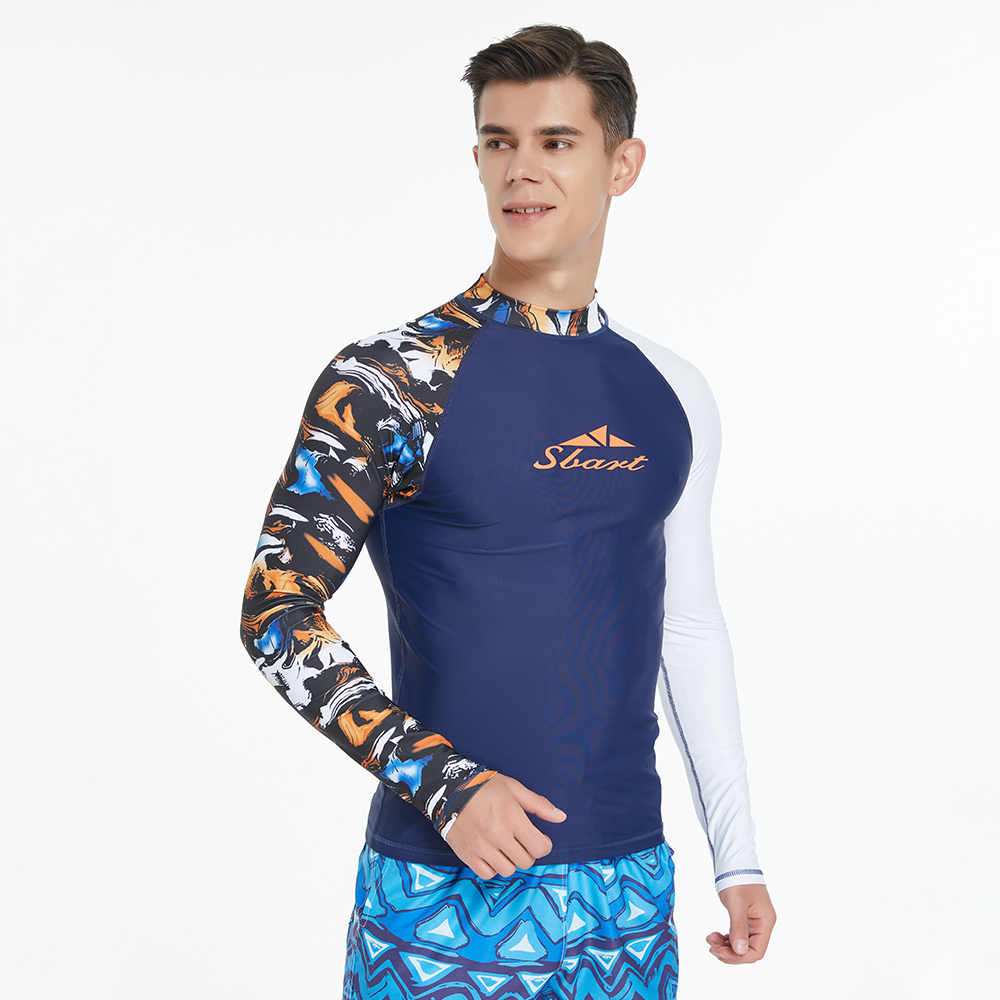
Human sweat is slightly acidic, usually sitting between 4.5 and 7.0 on the pH scale. That acidity, combined with dissolved salts and urea, slowly corrodes the binding agents that hold dye molecules to polyester fibers. Sweat that is left to dry in the fabric crystallizes the salts directly onto the print, and those crystals scratch the surface every time you move.
This is why a rashguard left in a damp gym bag for two days looks dramatically worse than one rinsed immediately after class. The bag environment turns mildly acidic sweat into a longer chemical assault.
Heat From Dryers and Hot Water
Tumble dryer drums regularly hit 60–70 degrees Celsius. At those temperatures, polyester fibers soften and contract, dye molecules become mobile, and any print method short of full-fabric sublimation starts to physically transfer to other parts of the garment or onto the dryer drum itself. Hot water in the wash cycle has the same effect at a slower pace.
Print Method Matters More Than the Brand Name
Before you blame your detergent, look at how the rashguard was actually printed. Two rashguards from two different brands can fade at completely different rates because they use different decoration techniques, and the fade resistance is baked in at the factory long before you ever wash it.
Dye Sublimation Is the Gold Standard
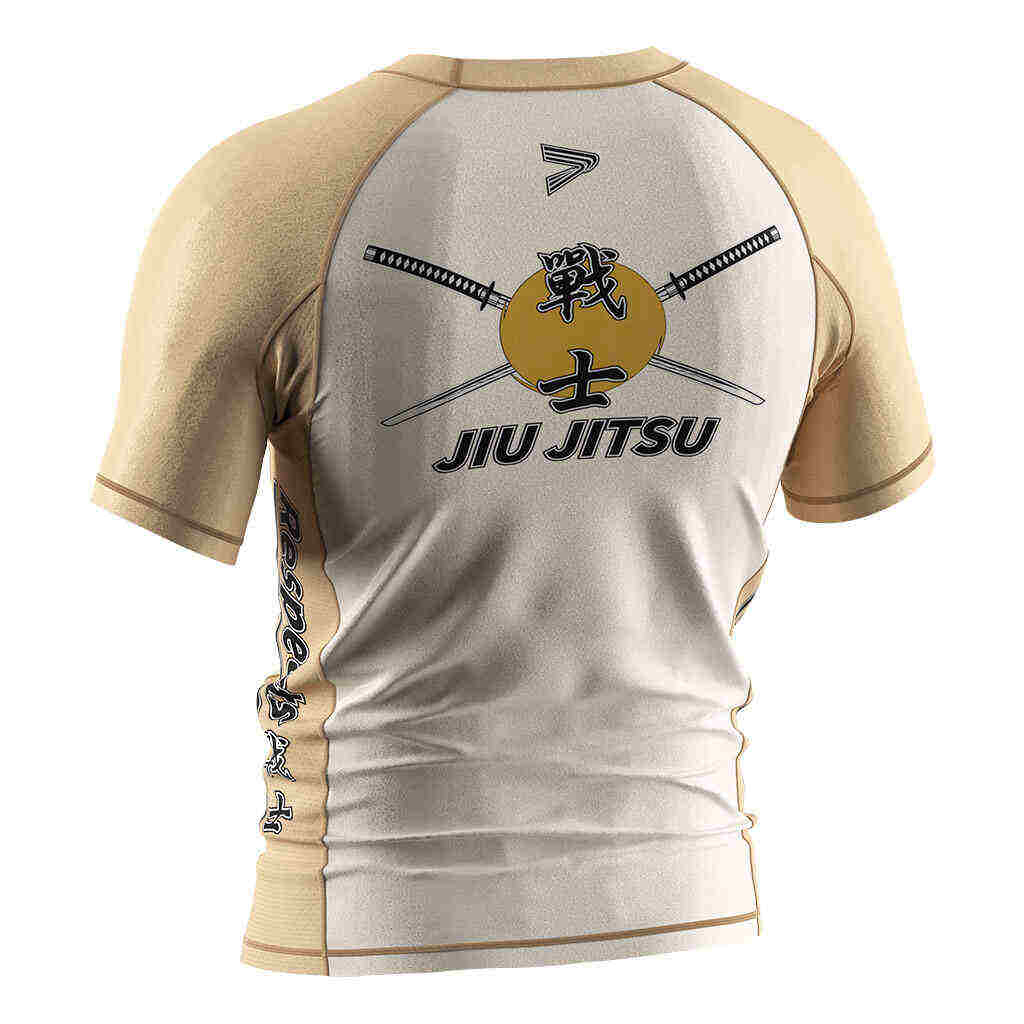
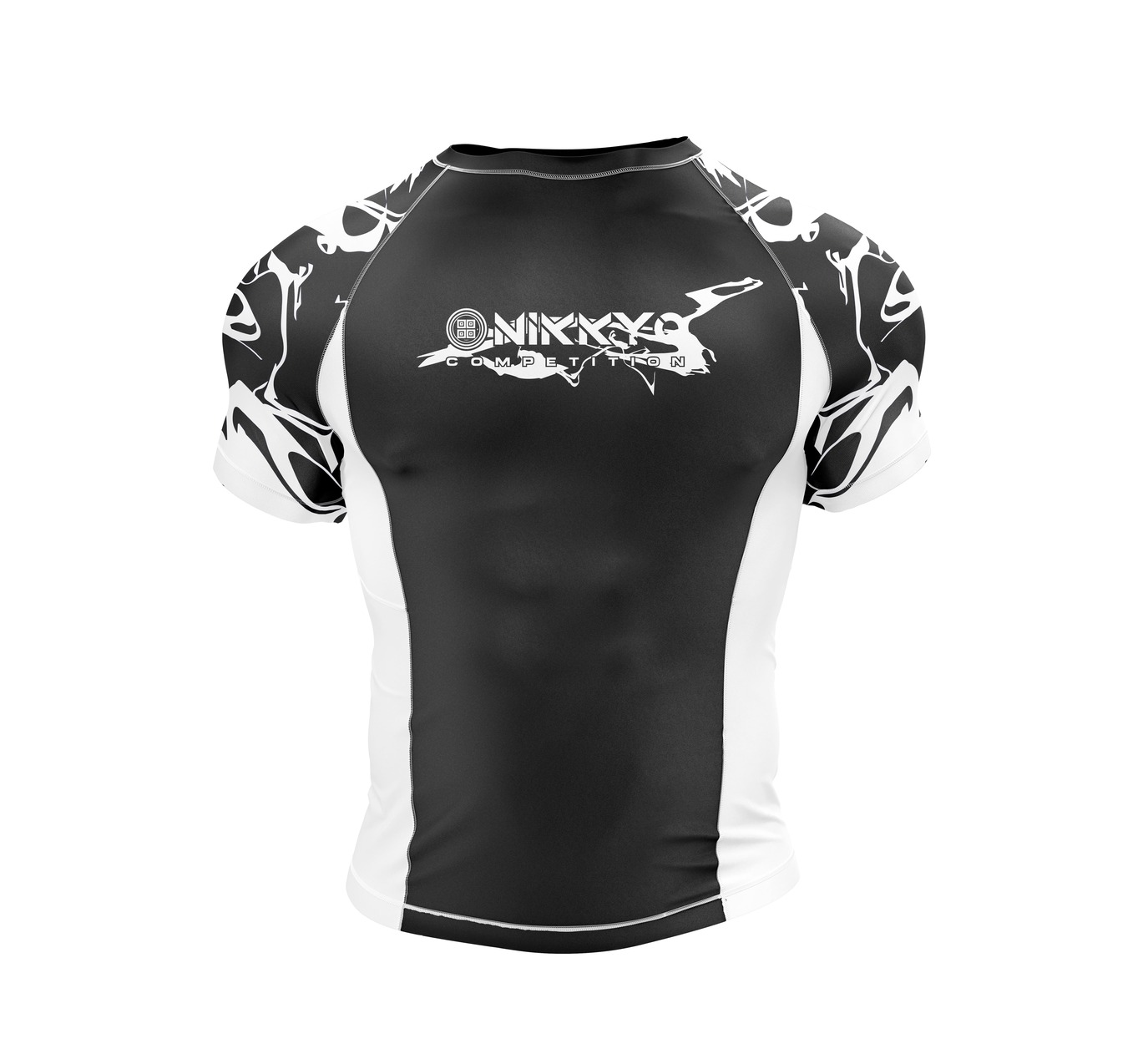
Sublimation printing uses heat to turn dye into a gas, which then bonds chemically with the polyester fibers themselves. The color is part of the fabric, not a layer sitting on top of it. Sublimated rashguards do not crack, do not peel, and resist fading dramatically better than any other method — they are still vulnerable to UV and chlorine, but the print stays intact through hundreds of washes.
You can usually identify a sublimated rashguard by feel. Run a finger across the print. If you cannot feel a separate texture, it is almost certainly sublimated.
Screen Print and Heat Transfer Vinyl
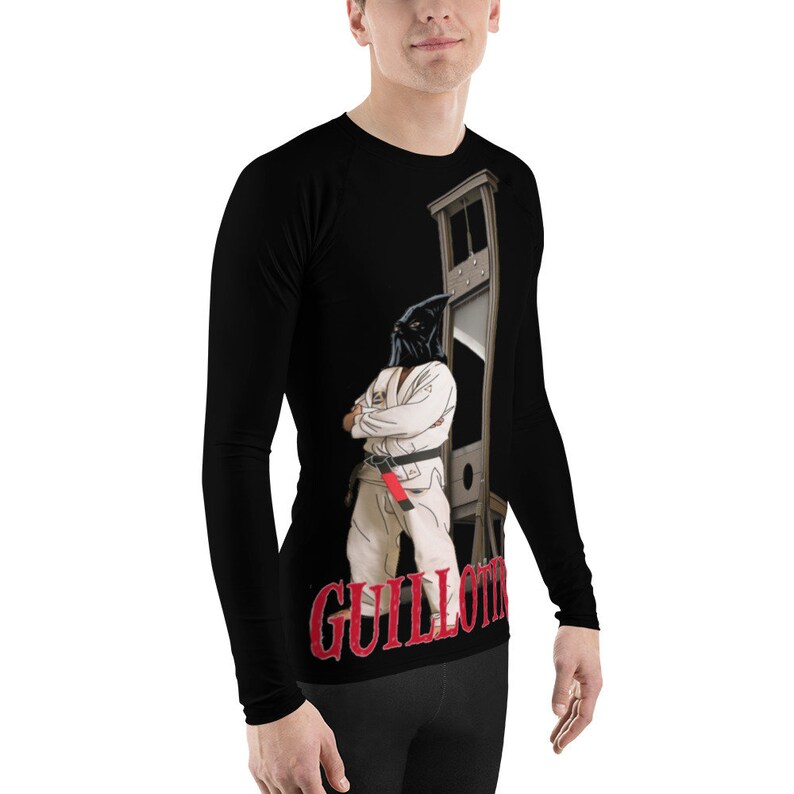
Cheaper rashguards, especially gym-branded freebies and budget brands, often use screen printing or heat-transfer vinyl. These sit on top of the fabric as a separate layer of ink or plastic film. They start cracking after twenty washes, peel at the edges, and fade unevenly. If you can feel a rubbery patch where the logo is, that is a transfer — and there is no laundry routine in the world that will make it last more than a year of regular training.
Pigment-Dyed Solid Colors
Solid-color rashguards without graphics often use pigment dye, which sits between sublimation and surface print in terms of durability. Pigment dye is more vulnerable to fading from UV and chlorine than sublimation, but more durable than vinyl. A plain black rashguard from a quality brand will usually outlast a heavily printed one from the same brand because there is simply less surface area for fading to be visible.
The Mat-Friction Problem Nobody Talks About
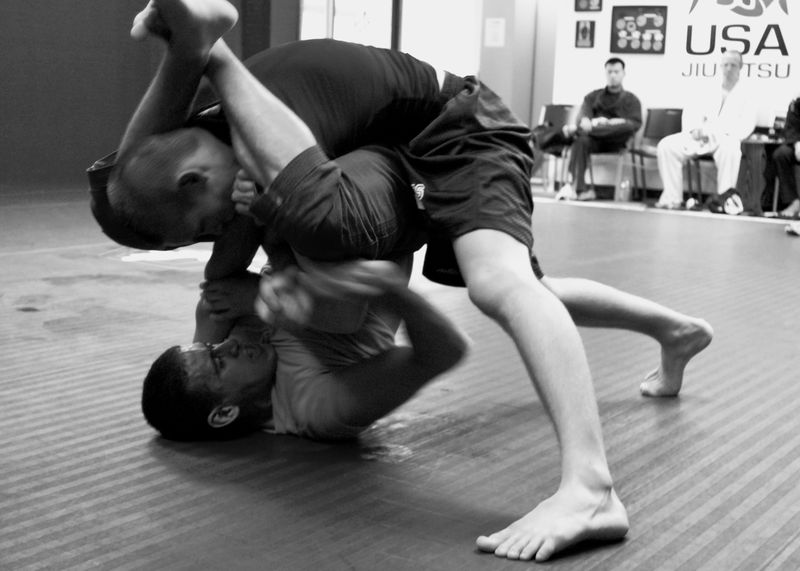
Even with perfect washing, your rashguard takes a beating from the one thing you cannot avoid: the mat. Every shrimp, every guard pass, every scramble drags the fabric across vinyl mats coated in cleaning chemicals, residual sweat, and microscopic dirt particles. This is a physical abrasion attack that slowly thins the fabric and dulls the print regardless of how careful your laundry routine is.
The back panel and the elbow zones are the first to show wear because they spend the most time in contact with the mat. There is nothing you can do to eliminate this, but rotating between two or three rashguards instead of beating one into the ground three times a week extends the life of all of them. Friction damage is roughly linear with mat time, so cutting any individual rashguard’s mat hours in half doubles its visual life.
A No-Gi-Specific Wash Routine That Actually Works
General laundry advice does not address what makes no-gi gear different. We train multiple times a week, the gear soaks up far more sweat than streetwear, and the prints are usually large. Here is a routine built specifically for that load.
Rinse Immediately After Training
The single highest-leverage habit is rinsing your rashguard in cold water as soon as you get home. Even a thirty-second rinse strips out enough salt and acid to prevent overnight chemical damage. If you cannot wash that day, hang it dry after the rinse instead of throwing it in a hamper to ferment.
Wash Cold, Inside Out, in a Mesh Bag
Cold water — under 30 degrees Celsius — keeps polyester fibers locked tight and slows the rate of dye migration. Turning the rashguard inside out before washing puts the print on the inside of the load, away from zippers and abrasive cotton items. A mesh laundry bag adds one more layer of protection and stops the rashguard from twisting around itself.
Skip the Fabric Softener
Fabric softener coats fibers in a waxy residue that interferes with polyester’s moisture-wicking properties and traps detergent residue near the dye. Use a sport-specific or simple non-bio detergent and skip the softener entirely. If your rashguard is starting to smell stale, half a cup of white vinegar in the rinse cycle once a month resets the fabric without attacking color.
Never Tumble Dry
This one is non-negotiable. Tumble drying is the single biggest cause of premature rashguard fade after UV exposure. Hang dry indoors or in shade, never in direct sun on a hot afternoon. A rashguard dries in two to four hours in still air, which is faster than most loads of streetwear cotton anyway.
The Drying Trap Most Grapplers Fall Into
Hang drying solves the heat problem but introduces the sun problem. A balcony line drying in midday Taipei or Phoenix sun can deliver more UV in a single afternoon than a week of incidental sun exposure during everyday wear. Dry inside, on a rack near a fan, or in any shaded outdoor spot with airflow.
For training-camp blocks where you need a rashguard ready in under twelve hours, two rotating rashguards solve the problem without ever touching a dryer. A standing fan pointed at the rack cuts drying time roughly in half without adding any heat or UV.
When Fading Means It Is Time to Replace
A faded rashguard is still functional, but there are two thresholds where it stops being useful. The first is when the fabric thins enough that it stretches asymmetrically on your torso. The second is when the print starts cracking or peeling and creates a rough surface that snags on partners’ fingers and gives them friction burn. At either point, the rashguard has stopped being a tool and started being a hazard.
For competition rashguards specifically, IBJJF and ADCC ruleset enforcement on appearance is loose, but a faded gym rashguard with cracked logos sends a signal at high-level events. Keep at least one fresh rashguard in rotation just for competitions and serious open mats.
Buying Choices That Resist Fading From Day One
The longest-lasting rashguards share three traits: full sublimation printing, polyester-elastane blends around 80/20 or 85/15, and reinforced flatlock seams. The first protects the color, the second resists the chemical attack of sweat, and the third stops the fabric from blowing out at the armpits long before fading becomes the deciding factor.
Avoid 100% polyester rashguards with screen-printed graphics — those are the worst combination for both fade and structural longevity. If your budget is tight, a plain black sublimated rashguard from a quality brand will outlast three bargain-bin patterned ones, and the math is not close.
The Compounding Returns of Doing This Right
The full routine — immediate rinse, cold cycle, inside out, mesh bag, no softener, shade dry — adds maybe two minutes a week. Over a year of training that is under two hours of effort total. In exchange, a rashguard that would normally fade out at the eighteen-month mark stays sharp for three years or more.
For grapplers running three or four rashguards in rotation, that math means buying half as much gear over the long run. The print stays vivid, the fabric stays elastic, and the gear keeps looking like equipment instead of laundry.
Sources
- Wikipedia — Dye-sublimation printing
- Wikipedia — Polyester
- Wikipedia — Photodegradation
- Amazon — No-gi BJJ rashguards
- Amazon — Sport laundry detergent
Training BJJ in Taipei? TaipeiBJJ.com has training resources and gym guides for the Taipei BJJ community.
Browse our top-rated rashguards and no-gi gear at the RashguardGuy shop →