ADCC West Coast Trials 2026: Who’s In and Why It Matters
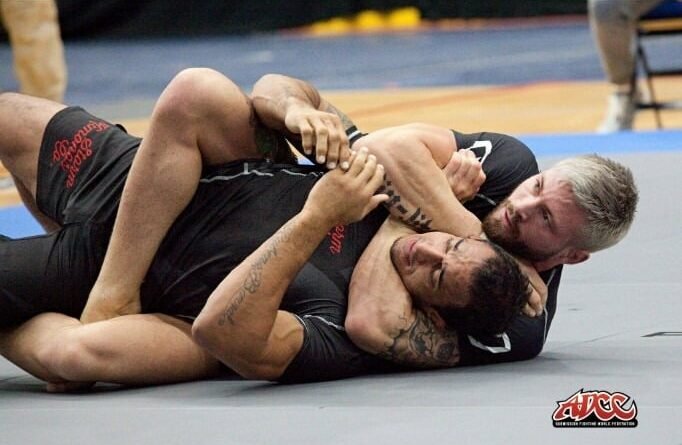
ADCC West Coast Trials 2026 is already becoming one of the most important no-gi checkpoints on the calendar. If you care about the next wave of submission grappling talent, this is the event that starts turning gym buzz into real bracket pressure. The early entry list matters because ADCC trials are not just about who wins six or seven hard matches in a day. They also show which athletes, teams, and styles are building momentum ahead of the 2026 world championship cycle.
FloGrappling’s latest tracker confirms that the West Coast bracket is taking shape now, which gives fans, coaches, and competitors a useful first look at how stacked the road to ADCC could get. Even before the registration list is complete, the names that appear early tell you a lot about where modern no-gi is headed: more wrestling-heavy scrambles, more front-headlock danger, more leg lock awareness, and far fewer easy rounds.
ADCC West Coast Trials 2026 is already a real no-gi story
The reason this story matters is simple. Trials are where future breakout names stop being prospects and start becoming serious world championship threats. The West Coast qualifier has a reputation for deep brackets, especially in divisions where American collegiate wrestling, modern guard work, and aggressive submission hunting collide. If an athlete can survive this tournament, that athlete is usually battle-tested enough to make noise on a much bigger stage.
That is why the early “who’s in” list deserves attention even before the full bracket is finalized. A registered athlete is making a public commitment to the ADCC path. Coaches start game-planning. Fans start projecting collisions. Other athletes decide whether they want to chase the same division or move weight classes. In no-gi, those little strategic decisions matter because one badly chosen bracket can erase months of preparation.
There is also a bigger timing issue. ADCC 2026 is no longer abstract. It is close enough that every major regional qualifier is part of the same conversation. If you already read our ADCC 2026 world championship preview, the West Coast Trials is the practical next chapter. It shows which names are actually trying to force their way into that picture instead of waiting for invites or talking their way into relevance online.
Why the early entry list matters before brackets are final
In most sports, fans wait for official seedings before they care. In ADCC trials, the entry list itself is valuable because of the tournament format. The event punishes athletes who cannot adapt quickly, recover between matches, and solve wildly different styles on the fly. A long day might require an athlete to deal with a wrestler in round one, a heel hook specialist in round two, a standing passer in round three, and a stubborn guard player in the semifinal. That variety is the whole point.
So when the early list starts filling, you are not just counting names. You are looking for style clusters. Are there multiple aggressive wrestlers in one division? Are there enough leg lockers to make every sloppy shot dangerous? Are established gym names entering, or is the bracket being flooded by hungry lesser-known competitors who want a chaotic day? Those questions matter more than a neat top-eight ranking because ADCC trials are rarely neat.
The West Coast qualifier is especially interesting because it tends to pull athletes from strong no-gi rooms that already train with ADCC rules in mind. That means more emphasis on takedowns, top pressure, and score-aware decision making. It also means fewer one-dimensional athletes. Even the specialists usually have enough defensive awareness to drag a dangerous round into overtime or force an ugly positional fight.
What kind of athletes usually thrive at ADCC trials
The classic trials winner is not always the most famous athlete in the room. More often, it is the competitor with the cleanest blend of three things: wrestling entries, submission urgency, and pace control. If you can threaten the takedown, stay safe in the leg entanglements, and force another person to grapple on your terms, you become a miserable tournament matchup.
This is one reason no-gi fans should not overreact to social-media popularity when scanning a registration list. Some athletes look brilliant in one-off superfights but are not built for a full trials day. Others do not have the loudest brand, yet they are tactically perfect for the format. They can wrestle hard without burning out, hand-fight without panicking, and finish from short windows when opponents finally crack.
You can see a similar lesson in recent pro events. WNO 32, which we covered in our WNO 32 results article, reminded everyone that small positional advantages still matter at the highest level. New champions are often the athletes who stay composed when the pace gets ugly. Trials magnify that trait because there is no time to build into the day slowly. If your first match starts badly, your ADCC run can be over before fans even refresh the stream.
The technical trends to watch at West Coast Trials
Modern ADCC rules reward clarity. Judges notice clean takedowns, real top control, and honest submission threats. That does not mean guard players are dead. It means passive guard work has become harder to sell. The athletes who do best now usually combine seated guard or supine entries with immediate off-balancing, wrestle-ups, or legs that force a real reaction.
The West Coast event should be full of those exchanges. Expect a lot of collar ties, snaps into front-headlock attacks, body-lock finishing attempts, and careful engagement around the legs. Heel hooks still change matches instantly, but the broader trend is that successful no-gi athletes now layer their attacks better. They do not just dive on a leg and hope. They connect leg threats to sweeps, back takes, scrambles, and standing re-attacks.
For readers who want to sharpen the same skills in the room, our no-gi guard retention drills guide is useful background here. Trials brackets punish anyone who cannot recover after a failed entry or a forced scramble. Retention is no longer a purely defensive skill. At this level it is a survival system that lets athletes reset into offense instead of giving away momentum.
Why West Coast Trials can reshape the ADCC 2026 conversation
A single regional qualifier can change the full world championship picture because ADCC thrives on momentum. Once an athlete wins trials, that person is no longer a dark horse. The entire conversation changes. Media outlets start paying attention, superfight opportunities open up, and top gyms suddenly have fresh footage to study. Even athletes who do not win can dramatically raise their stock by pushing a favorite into a chaotic war.
That matters in 2026 because the no-gi ecosystem feels more crowded than ever. ADCC is still the prestige target for many grapplers, but it now shares attention with WNO, UFC BJJ, PGF, CJI chatter, and other formats competing for athletes and headlines. The result is a more fragmented scene, but also a more interesting one. When someone chooses the trials route anyway, that decision still carries weight. It says the athlete wants the hardest version of the path.
It is also why these entry trackers matter for fans. They help separate real competitive ambition from noise. Plenty of names trend online for a week. Fewer sign up for a qualifier where one bad scramble can wipe out the whole year.
How no-gi fans should read the bracket when it drops
When the final bracket becomes public, resist the temptation to look only for famous names. Instead, look for clusters of bad stylistic matchups. A division with three relentless wrestlers and two dangerous backside-leg specialists is not the same as a division loaded with slower control players. The draw can completely change how likely a favorite is to survive.
Also pay attention to gym distribution. If too many athletes from the same training room land on one side, it can shape the rhythm of the bracket. Teammates understand each other’s pacing, preferred grips, and escape habits. Even if they never meet, that shared style can subtly tilt the whole division. West Coast trials often become a referendum on which rooms are producing the cleanest modern no-gi systems, not just the best individual performances.
For casual readers, the easiest test is this: can the athlete reliably get to a strong position without needing a perfect opening? If the answer is yes, that athlete has a real trials chance. If the athlete needs ideal conditions, a long tournament day usually exposes the gap.
The bigger no-gi picture beyond this event
West Coast Trials is more than a qualifier. It is a snapshot of where submission grappling is going. The sport is becoming faster, more professional, and more style-aware. Athletes now train with clearer rule-set intentions. Coaches build game plans around score periods, edge behavior, and overtime management. Fans have gotten smarter too. People notice when someone is only stalling for a look instead of building a winning sequence.
That is one reason Rashguard Guy will keep covering this part of the sport closely. The best no-gi stories are not limited to superfight results. Sometimes the real story is the bracket that quietly reveals the next wave before everyone else catches up. Trials events do that better than almost anything else.
If the early names already being tracked are any sign, ADCC West Coast Trials 2026 is going to matter well beyond one weekend. It will shape the world championship field, test the current technical meta, and give no-gi fans another hard look at who is actually ready for the biggest stage.
And if you train, not just watch, the lessons are immediate. Wrestle cleanly. Recover fast. Respect the legs. Build offense off your resets. That formula keeps showing up, whether you are watching WNO, studying ADCC footage, or trying to survive your own room’s toughest no-gi rounds.
Sources
- FloGrappling Articles — listing page showing the ADCC West Coast Trials early-entry tracker and related no-gi news coverage.
- ADCC 2026 World Championships: Athletes & Preview — Rashguard Guy background coverage on the broader 2026 ADCC cycle.
- WNO 32 Results: Olivarez Crowned, Youth GP Debuts, UFC BJJ News — Rashguard Guy coverage of recent elite no-gi results and context.
- No Gi Guard Retention: Drills & Principles — Rashguard Guy technical piece related to the defensive and scrambling demands of trials competition.
Browse our top-rated rashguards and no-gi gear at the RashguardGuy shop →