Submission Grappling Conditioning: The Complete No-Gi Training Program
You can drill guard passes for hours and study leg lock entries until your eyes blur, but none of it matters when you’re gasping for air two minutes into a match. Submission grappling is one of the most physically demanding sports on the planet. A single competitive round can spike your heart rate past 180 bpm, drain your grip strength, and leave your legs shaking — all while your opponent is trying to strangle you. If your conditioning isn’t dialed in, your technique crumbles.
This training program is built specifically for no-gi grapplers who want to outlast, outwork, and outperform their opponents. Whether you’re prepping for ADCC trials or just want to stop getting smashed in the final minutes of open mat, everything below is designed around the actual energy demands of submission grappling.
Why Generic Fitness Programs Fall Short for Grapplers
Grappling doesn’t follow neat patterns. You’re not jogging at a steady pace or repping out bicep curls. A typical scramble involves explosive hip movement, sustained isometric gripping, rotational core engagement, and the cardiovascular stress of carrying another person’s weight — sometimes all within the same five-second window.
Research published in the Journal of Strength and Conditioning Research has consistently shown that grappling sports recruit both aerobic and anaerobic energy systems in ways that typical gym routines don’t address. You need a program that mirrors those demands: short bursts of max effort, sustained moderate output, and the muscular endurance to maintain force production when your muscles are flooded with lactate.
That’s what separates a generic “get fit” plan from a real grappling conditioning program. Every exercise, every interval, every rest period below has been chosen because it directly transfers to what happens on the mat.
Grappling-Specific Cardio: Building Your Gas Tank
Forget long, slow distance running as your primary cardio tool. While aerobic base work has its place, submission grappling primarily taxes your anaerobic lactic and alactic systems. You need cardio protocols that mimic the stop-start, high-intensity nature of a grappling match.
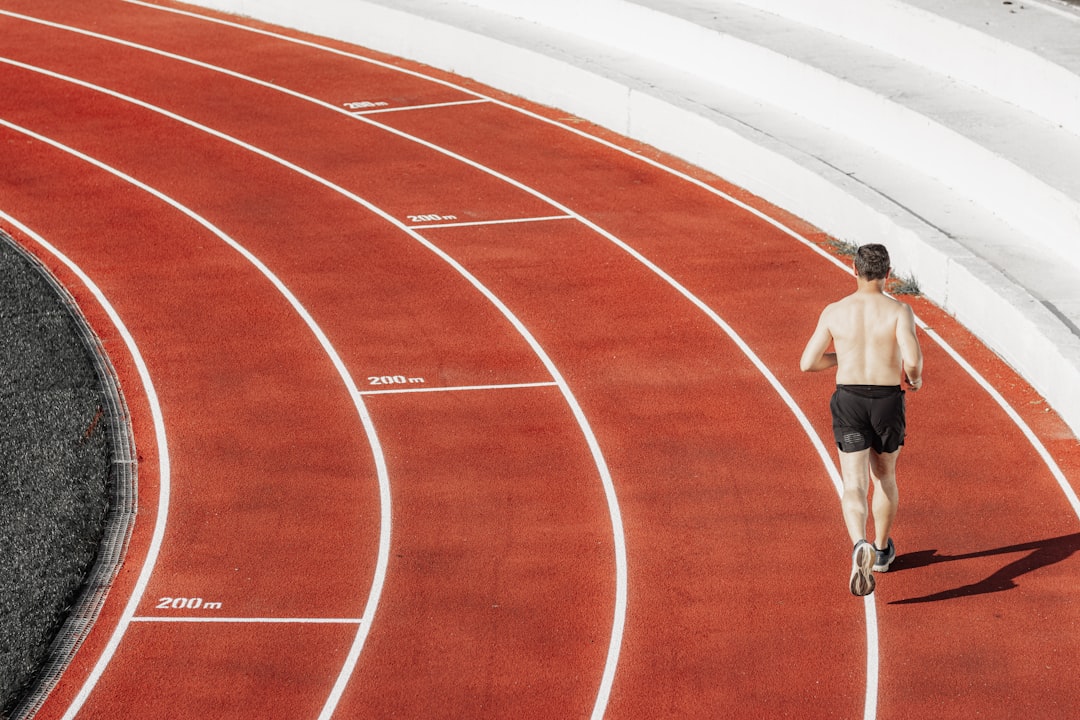
Sprint Intervals (The Mat Simulation)
Sprint intervals are the closest thing to simulating the cardio demands of a grappling exchange without actually grappling. The protocol is simple but brutal:
- Assault bike or rower: 30 seconds all-out effort, 30 seconds rest × 8-10 rounds
- Hill sprints: 15-20 second sprints with walk-back recovery × 6-8 reps
- Shuttle runs (mat-length): 20 seconds on, 10 seconds off × 8 rounds (Tabata protocol)
The key is maintaining intensity. If you’re not breathless and questioning your life choices by round four, you’re sandbagging. These intervals build the same kind of repeated-effort capacity you need when you’re chain wrestling for takedowns or fighting out of bottom position.
Aerobic Base Work
Don’t neglect your aerobic engine entirely. A strong aerobic base helps you recover between explosive efforts — both within a match and between rounds at a tournament. Keep it to two sessions per week:
- Zone 2 cardio: 30-45 minutes at conversational pace (rowing, cycling, swimming)
- Nasal breathing only: If you can’t breathe through your nose, you’re going too hard for this session
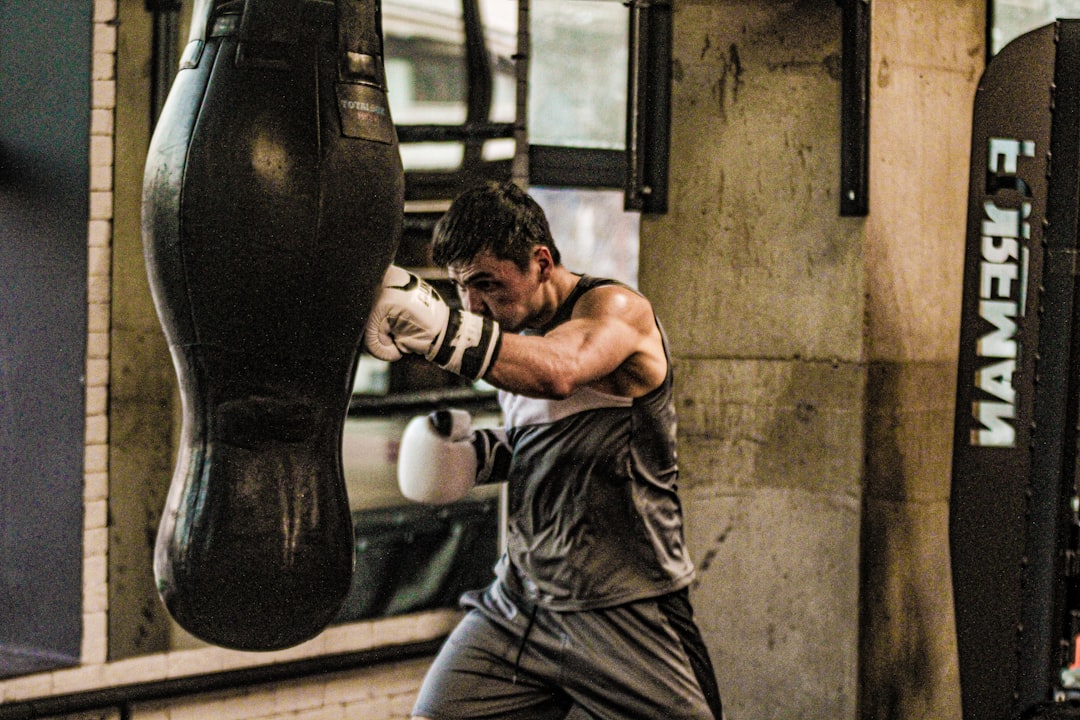
Sport-Specific Conditioning Circuits
These combine technical grappling movements with conditioning work. Run through each circuit 3-4 times with minimal rest between exercises and 90 seconds between rounds:
- 10 sprawls
- 10 technical stand-ups (alternating sides)
- 30-second wrestling stance mirror drill
- 10 granby rolls
- 20-second bridge-and-hold
This type of circuit builds cardio while reinforcing movement patterns you’ll actually use. It’s infinitely more valuable than jogging on a treadmill if your goal is to perform better during live rolls. For more on the fundamentals of training without the kimono, check out our complete guide to no-gi BJJ.
Strength Training for Submission Grapplers
Strength training for grappling isn’t about bodybuilding. Nobody cares how your lats look in the mirror if you can’t finish a double leg. The goal is developing functional, transferable strength that makes your grappling more effective and your body more resilient.
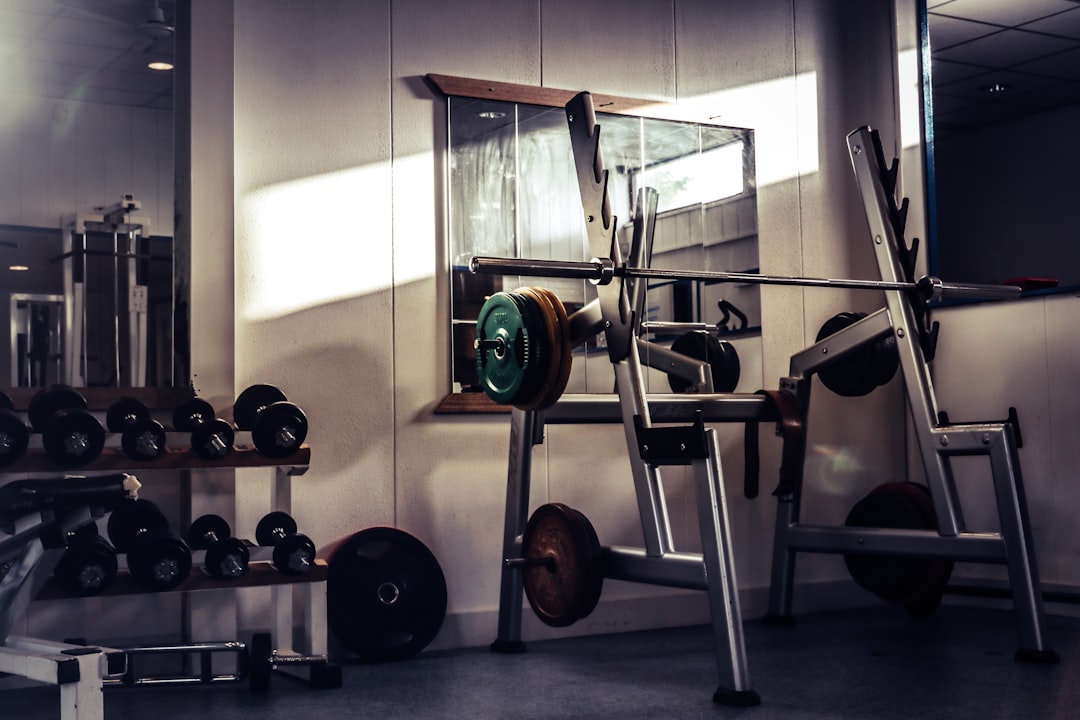
The Big Lifts (Your Foundation)
Compound movements should form the backbone of your strength work. These recruit multiple muscle groups through full ranges of motion — exactly what grappling demands:
- Deadlifts: The single best exercise for grapplers. Builds posterior chain strength essential for takedowns, guard passing pressure, and bridging power. Work in the 3-5 rep range for maximum strength.
- Squats (front and back): Develops the leg drive behind every shot and the base stability that keeps you from getting swept. Front squats especially carry over to maintaining posture in someone’s guard.
- Overhead press: Builds the shoulder stability and pressing strength used in framing, posting, and creating distance.
- Barbell rows: Your pulling muscles are everything in grappling. Rows build the lat and upper back strength that powers collar ties, arm drags, and back control.
Grappling-Specific Accessories
After your main lifts, add exercises that target movements unique to grappling:
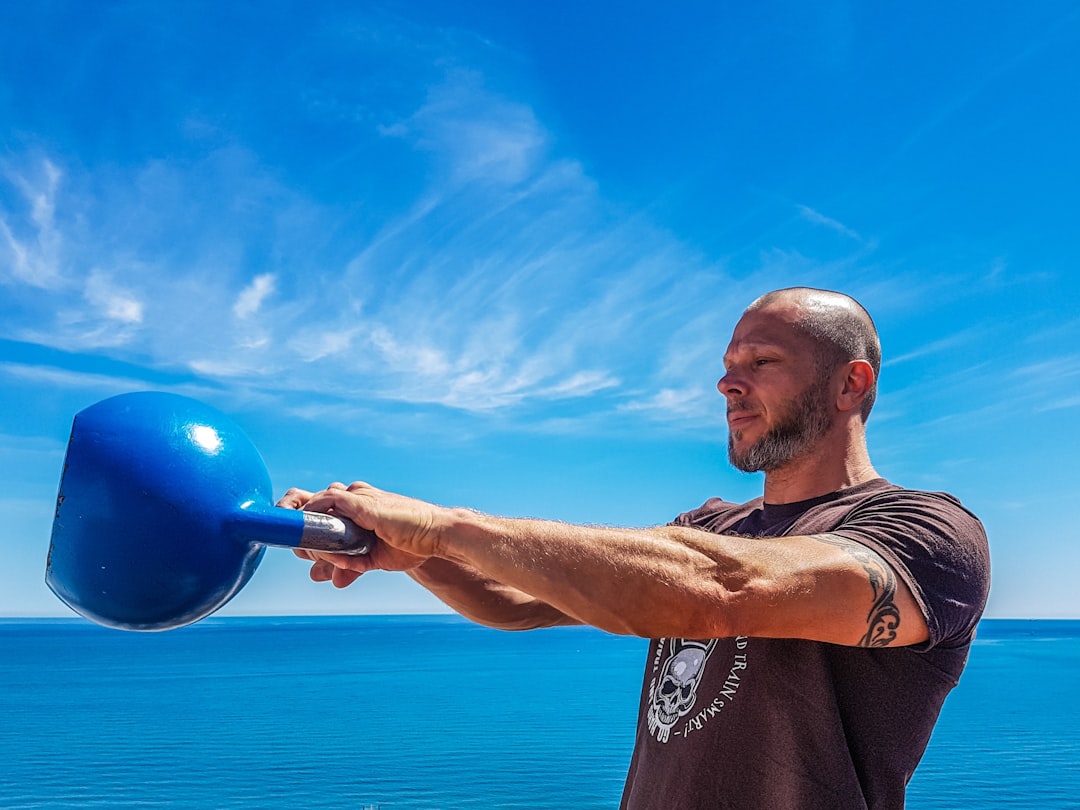
- Kettlebell swings: Hip hinge power that translates directly to bridging, hip bumps, and explosive guard recovery. Do 3 sets of 15-20.
- Turkish get-ups: Full-body coordination, shoulder stability, and the ability to get off your back under load. If one exercise captures the demands of grappling, it’s this one.
- Farmer’s carries: Grip endurance, core stability, and mental toughness. Walk heavy for 40-60 seconds per set.
- Pull-ups (weighted if possible): Pulling strength and lat engagement. Vary your grip — overhand, underhand, neutral — to build well-rounded pulling capacity.
- Pallof press: Anti-rotation core strength that keeps your torso stable when an opponent is trying to twist and break your posture.
A study from the National Strength and Conditioning Association emphasizes that combat athletes benefit most from periodized programs that cycle between hypertrophy, strength, and power phases — not from constantly training to failure.
Mobility Work: The Overlooked Performance Multiplier
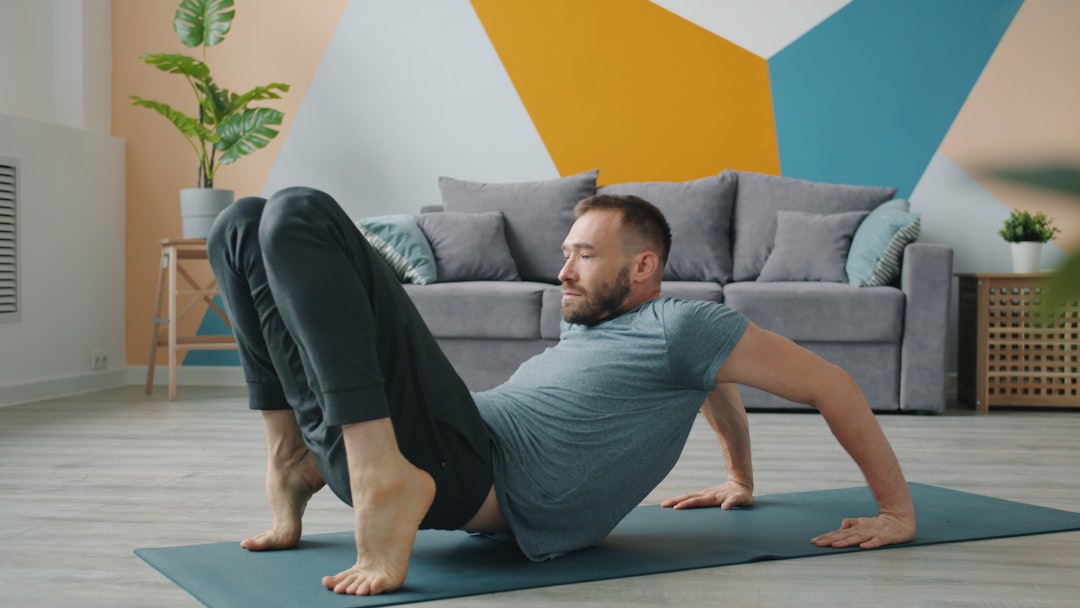
Mobility isn’t stretching. Stretching is passive; mobility is active control through a range of motion. In grappling, you need both the flexibility to play guard and recover from bad positions, and the strength to maintain control at end range. A well-equipped training setup is important, but all the gear in the world won’t help if your body can’t move properly.
Daily Mobility Essentials (15-20 Minutes)
- Hip 90/90 switches: 2 minutes total. Opens the hips for guard play and transitions.
- Thoracic spine rotations: 10 per side. Crucial for turning into opponents and maintaining posture.
- Deep squat hold: 2 minutes cumulative. Builds the ankle, hip, and thoracic mobility needed for stable base work.
- Shoulder CARs (Controlled Articular Rotations): 5 per direction, each arm. Keeps your shoulders healthy through the constant overhead and behind-the-back reaching that grappling demands.
- Tactical frog stretch: 90 seconds. Targets the adductors and hip flexors — critical for closed guard, butterfly guard, and defending leg attacks.
Pre-Training Dynamic Warm-Up
Before every grappling session or gym workout, run through this 5-minute sequence:
- 10 hip circles (each direction)
- 10 inchworms with push-up
- 10 Cossack squats (alternating)
- 10 band pull-aparts
- 30-second dead hang
Sample Weekly Training Program
This schedule assumes you’re training grappling 4-5 times per week and need to layer strength and conditioning around mat time without burning out. The video below from The Grappling Conditioning Channel offers a solid 12-minute conditioning workout you can plug in on your high-intensity days:
Monday — Strength + Grappling
- AM: Strength session (deadlift 5×3, overhead press 4×5, barbell rows 4×6, Pallof press 3×10)
- PM: Grappling class (technique + live rolls)
Tuesday — Conditioning + Mobility
- AM: Sprint intervals (assault bike 30/30 × 10 rounds)
- PM: 20 minutes mobility work + grappling-specific conditioning circuit × 3 rounds
Wednesday — Grappling Only
- Technical drilling + positional sparring. No extra conditioning — let your body recover from Monday and Tuesday.
Thursday — Strength + Grappling
- AM: Strength session (front squat 4×5, weighted pull-ups 4×5, kettlebell swings 3×20, Turkish get-ups 3×3/side)
- PM: Grappling class
Friday — Sport-Specific Conditioning
- Grappling conditioning circuit × 4 rounds + 30 minutes Zone 2 cardio (rowing or cycling)
Saturday — Open Mat + Aerobic Base
- AM: Open mat (extended rolling, competition simulation)
- PM: Light Zone 2 work (30-minute easy swim or bike) if energy allows. Otherwise, rest.
Sunday — Recovery Day
- Full mobility routine (30 minutes), foam rolling, and active recovery walk. This day is non-negotiable — skip it and your performance craters by mid-week.
Recovery: Where the Actual Adaptation Happens
Training breaks you down. Recovery builds you back up stronger. Grapplers are notoriously bad at this — the culture rewards toughness and mat time, not rest days. But the athletes who recover best perform best, period.
Sleep
This isn’t optional or something to optimize around. Seven to nine hours of actual sleep (not just time in bed) is the single most powerful recovery tool available. A 2021 review in Sports Medicine found that sleep restriction significantly impaired anaerobic power output, reaction time, and cognitive function — all things that directly impact grappling performance.
Nutrition Timing
- Post-training (within 60 minutes): 30-40g protein + 50-80g carbohydrates. This replenishes glycogen and kicks off muscle protein synthesis.
- Daily protein target: 1.6-2.2g per kilogram of bodyweight, spread across 4-5 meals.
- Hydration: Drink half your bodyweight (in pounds) in ounces of water daily. Add electrolytes during and after hard training sessions.
Active Recovery Techniques
- Foam rolling: 10-15 minutes focusing on quads, IT band, lats, and upper back. Not a cure-all, but it increases blood flow and reduces perceived soreness.
- Contrast showers: 30 seconds cold, 2 minutes hot × 3-4 cycles. Stimulates circulation and reduces inflammation.
- Walking: 20-30 minutes of low-intensity walking promotes recovery without adding training stress. The most underrated recovery tool available.
Managing Training Load
Track your training volume week to week. If you’re rolling hard five days a week, adding three strength sessions and two conditioning days on top is a recipe for overtraining. The program above is designed to be sustainable, but listen to your body. If you’re constantly sore, your grip is shot before training even starts, or you’re dreading the mat, pull back. Reduce intensity before reducing frequency — showing up matters more than going hard every session.
Making sure you have the right rashguards for training also plays a role in comfort and performance. You don’t want to be adjusting your gear when you should be focused on your opponent.
Programming Adjustments for Competition Prep
If you have a tournament on the calendar, shift the program in the 4-6 weeks leading up to competition day:
- Weeks 6-4 out: Maintain current strength work but increase conditioning volume by 20%. Add an extra sprint interval session.
- Weeks 3-2 out: Reduce strength training to maintenance (2 sessions, moderate load). Shift focus to sport-specific conditioning and live rolling.
- Final week: Taper hard. Light technical work, mobility, and visualization only. Your fitness won’t improve in seven days, but you can absolutely show up fatigued if you overtrain.
The athletes who peak at the right time aren’t the ones who train hardest — they’re the ones who manage their preparation intelligently. Build the engine in training camp, then trust it on competition day.